Are uninvited insects devouring your vegetables overnight while you sleep? If you want to know how to get rid of garden pests, the answer starts with understanding what you're dealing with — and choosing the right weapon for each invader. Most gardeners lose the battle because they treat all pests the same way. You won't make that mistake. Whether you're growing herbs in containers or managing a full backyard plot, this guide gives you a proven system to reclaim your garden from destructive insects, larvae, and crawlers without resorting to blanket chemical sprays.
Pest pressure increases every season as warmer temperatures and denser plantings create ideal breeding grounds. The good news: you have more effective, targeted options than ever before. From companion planting and biological controls to precision tools and well-timed interventions, a layered approach beats any single product on the shelf.
Below, you'll find a complete framework — identification, fast fixes, long-term prevention, and the gear that actually works. Let's get your garden clean.
Contents
You can't fight what you can't name. Proper identification is the single most important step in learning how to get rid of garden pests effectively. A caterpillar problem demands a completely different response than a mealybug infestation.
Check your garden every two to three days. Flip leaves over. Look at stems near the soil line. Most pest damage begins on the undersides of leaves where eggs and nymphs hide. Here's your inspection checklist:
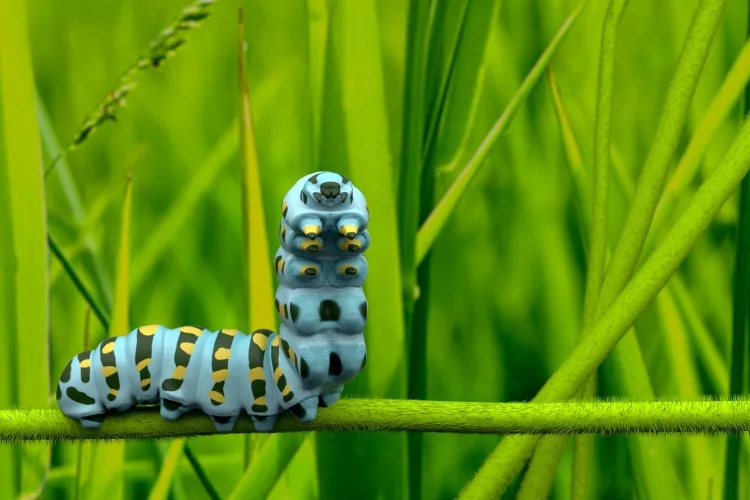
For caterpillars, beetles, and slugs, handpicking remains the fastest direct control. Drop them into a bucket of soapy water. Do this in the early morning when pests are sluggish. On a 4×8 raised bed, a five-minute morning patrol keeps populations below damaging levels.
Once you've identified the pest, choose the matching organic solution. Neem oil handles soft-bodied insects like aphids and whiteflies. Bacillus thuringiensis (Bt) targets caterpillars exclusively. Diatomaceous earth works on crawling insects with exoskeletons. Never use broad-spectrum sprays as a first response — they kill predators along with pests.
Killing today's pests solves today's problem. Preventing tomorrow's infestation requires a systems-level approach that makes your garden inhospitable to pests while attracting their natural enemies.
Strategic companion planting does two things: repels pests and attracts predatory insects. Plant mint near brassicas to deter flea beetles. Marigolds suppress root-knot nematodes in the surrounding soil. Dill and fennel attract parasitic wasps that decimate aphid colonies.
A garden with diverse plantings attracts a balanced ecosystem. Monocultures are an open invitation for pest outbreaks — break up uniform rows with herbs, flowers, and aromatic plants wherever you can.
Healthy soil grows resilient plants. Plants stressed by nutrient deficiency or compacted roots attract pests at higher rates. Add compost annually. Rotate crops every season. A well-fed plant produces its own chemical defenses — compounds like alkaloids and terpenes that insects avoid.
Sometimes you need results today. These remedies work within hours and use ingredients you already have at home.
Each recipe targets a specific pest group. Mix fresh, apply in the evening, and reapply after rain.
Physical controls stop pests without any chemicals at all. Garden nets block moths from laying eggs on brassicas. Copper tape around pots deters slugs. Yellow sticky traps catch whiteflies and fungus gnats by the hundreds.
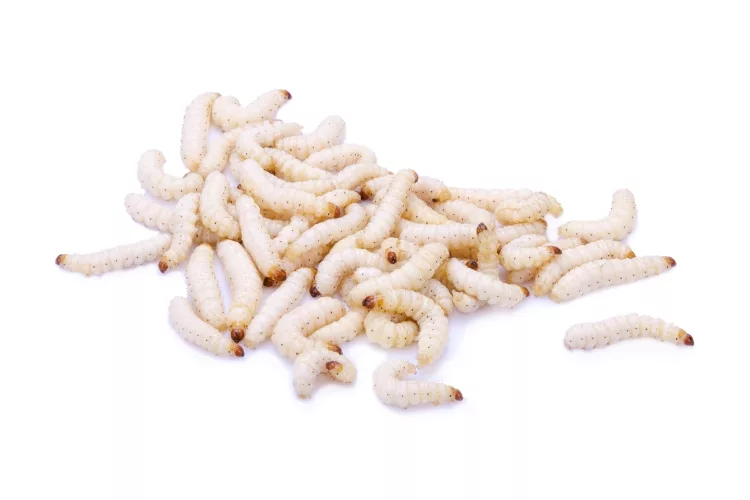
Cutworm collars — cardboard tubes pushed 2 inches into the soil around seedlings — prevent larvae from severing stems at the base. This simple trick saves more transplants than any spray.
The right equipment makes pest management faster and more precise. You don't need much, but what you have should be quality.
A pump sprayer with an adjustable nozzle lets you target leaf undersides precisely. For larger gardens, a backpack sprayer covers more ground in less time. Always clean sprayers between different solutions to prevent chemical interactions. A bulb duster applies diatomaceous earth evenly across foliage and soil surfaces.
Not every insect on your plant is a threat. Acting too early or too aggressively often causes more harm than the pest itself would have.
A few holes in a leaf are not an emergency. Established plants tolerate 10-20% leaf damage without yield loss. Here's when you must act:
When damage stays cosmetic and plant vigor holds, you're better off waiting. Integrated Pest Management principles emphasize intervention only when pest populations exceed economic or aesthetic thresholds.
Ladybugs, lacewings, ground beetles, and hoverfly larvae are your allies. A single ladybug eats up to 5,000 aphids in its lifetime. If you see predators active on infested plants, hold off on spraying. They're already solving the problem. Parasitic wasps lay eggs inside caterpillars and aphids — look for mummified aphid husks as a sign they're present.
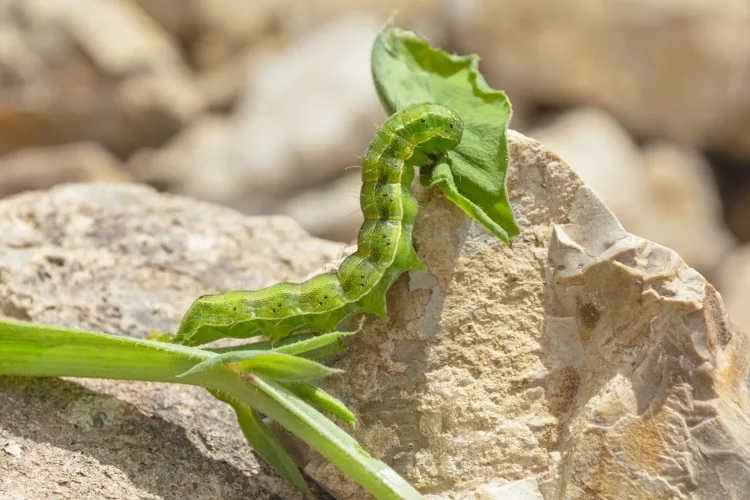
Different pests require different tactics. This reference table matches the most common garden pests to their most effective organic controls and the telltale signs that reveal their presence.
| Pest | Signs of Damage | Best Organic Control | Speed of Results |
|---|---|---|---|
| Aphids | Curled leaves, sticky honeydew | Neem oil, ladybugs | 2-3 days |
| Caterpillars | Large holes in leaves, frass | Bt spray, handpicking | 1-2 days |
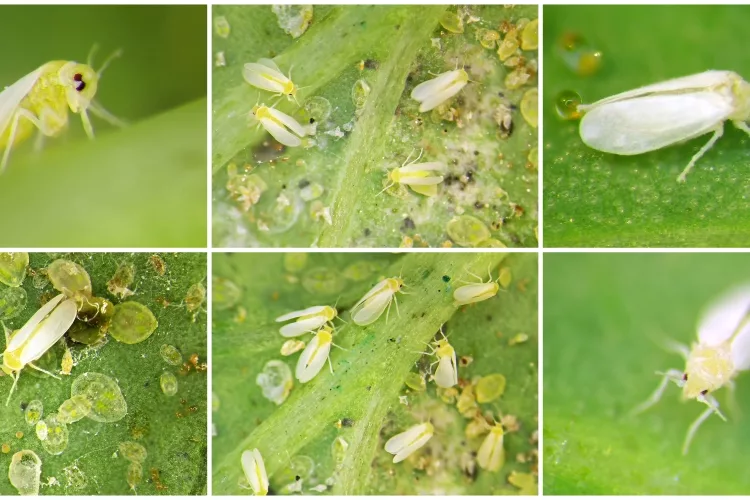
| Whiteflies | Yellow leaves, clouds when disturbed | Soap spray, sticky traps | 3-5 days |
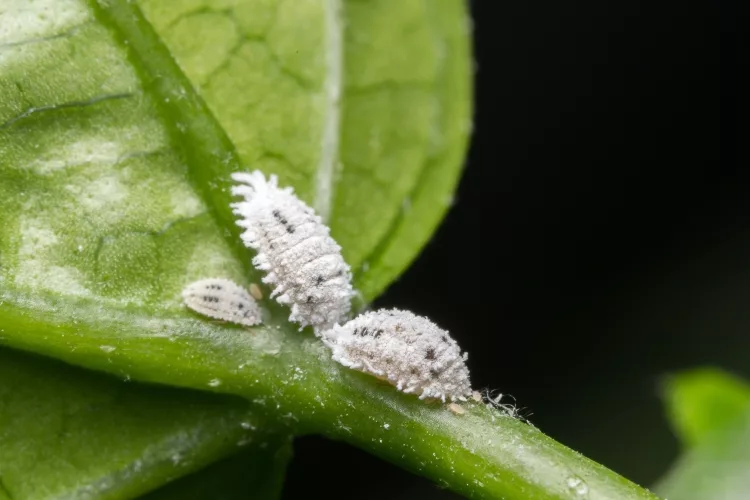
| Mealybugs | White cottony masses on stems | Isopropyl alcohol, neem | 3-7 days |
| Cutworms | Seedlings severed at soil line | Cardboard collars, Bt | Immediate (barrier) |
| Slugs/Snails | Irregular holes, slime trails | Iron phosphate bait, copper tape | 1-3 days |
| Root Maggots | Wilting despite adequate water | Row covers, beneficial nematodes | 1-2 weeks |
| Termites | Hollow stems, mud tubes | Nematodes, boric acid | 2-4 weeks |
Your growing environment shapes which pests you'll face and which controls work best. A container garden on a balcony has different pressure points than an open-ground vegetable plot.
Raised beds and containers offer a natural advantage: you control the soil, which means fewer soil-borne pests. Line the bottom of raised beds with hardware cloth to block burrowing rodents. Use fresh potting mix rather than garden soil to start pest-free. Copper tape around container rims stops slugs cold.
Container gardens are especially vulnerable to root-bound stress, which weakens plants and attracts pests. Repot or refresh soil annually. In tight spaces, vertical arrangements improve airflow and reduce the fungal conditions that draw gnats and secondary invaders.
Open-ground gardens face the full spectrum of pest pressure — soil larvae, flying insects, and mammalian visitors. Crop rotation is non-negotiable here. Never plant the same family in the same spot two years running. Rotate nightshades, brassicas, legumes, and cucurbits on a four-year cycle.
A combination of handpicking, neem oil spray, and encouraging beneficial insects consistently outperforms any single method. Layering these controls creates redundancy — if one fails, the others compensate. Start with physical removal and add biological or organic sprays only when populations exceed your damage threshold.
Apply neem oil every 7-14 days during active infestations and every 2-3 weeks as a preventive measure. Always spray in the evening to avoid leaf burn and to protect pollinators. Reapply immediately after heavy rain, as water washes the oil from leaf surfaces.
Coffee grounds deter slugs and snails when spread in a ring around plants, and they mildly repel ants. However, they are not effective against aphids, caterpillars, or flying insects. Use them as one component of a broader strategy, not as a standalone solution.
Pure castile soap works well as an insecticidal spray at 1 tablespoon per liter of water. Avoid commercial dish soaps with degreasers or fragrances — these additives can damage plant tissue. Soap spray kills soft-bodied insects like aphids and whiteflies on contact by breaking down their protective coating.
Practice crop rotation, remove plant debris at the end of each growing season, and build soil health with compost. Overwinter covers and early-season row covers break pest life cycles. Planting diverse companion species year-round keeps beneficial predator populations established in your garden.
In most home garden situations, organic and cultural controls are sufficient. Chemical pesticides become a consideration only during severe infestations that threaten an entire crop and have not responded to multiple rounds of organic treatment. If you do use them, choose targeted products labeled for the specific pest and follow all safety guidelines.
The best pest control isn't a product you buy — it's a garden so healthy, diverse, and well-managed that pests never gain the upper hand.
 |
 |
 |
 |

About Christina Lopez
Christina Lopez grew up in the scenic city of Mountain View, California. For eighteen ascetic years, she refrained from eating meat until she discovered the exquisite delicacy of chicken thighs. Christina is a city finalist competitive pingpong player, an ocean diver, and an ex-pat in England and Japan. Currently, she is a computer science doctoral student. Christina writes late at night; most of her daytime is spent enchanting her magical herb garden.


Get new FREE Gifts. Or latest free growing e-books from our latest works.
Disable Ad block to reveal all the links. Once done, hit a button below
|
|
|
|
 rinjal