What if the best weapon against aphids was already sitting in the kitchen pantry? Our team has spent years testing every natural remedy out there, and learning how to get rid of aphids naturally is far simpler than most people assume. These tiny sap-sucking insects can devastate a garden in days, but chemical pesticides aren't the only answer — and frankly, they're not even the best one. Whether the infestation is on roses, tomatoes, or herbs in the plants, herbs, and farming section of the garden, natural methods work reliably when applied correctly.
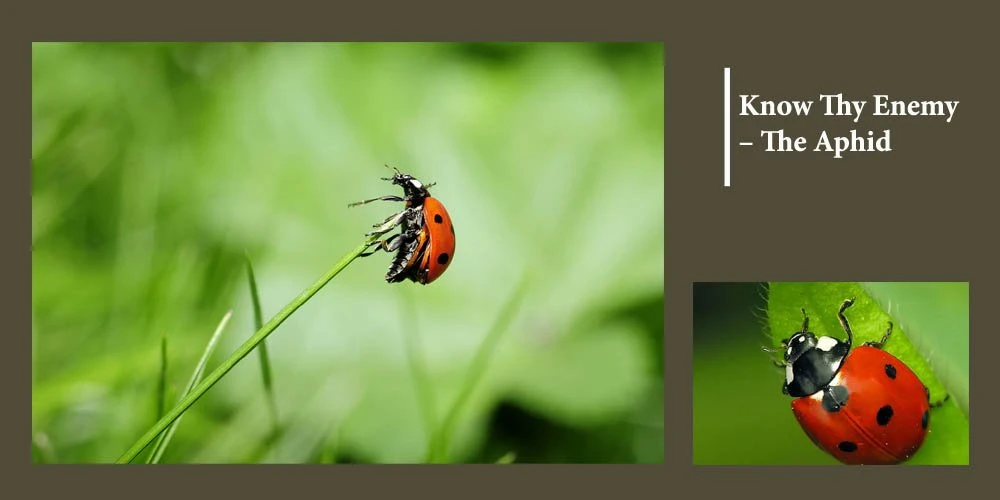
Thy Enemy Aphid
Aphids reproduce at an alarming rate — a single female can produce dozens of offspring in a week without even mating. That's why early detection and consistent action matter more than any single miracle cure. In our experience, the gardeners who win the aphid battle are the ones who combine multiple natural strategies rather than relying on just one.
This guide covers everything from quick daily fixes to long-term prevention plans. We've organized it so anyone can jump straight to what's needed, whether that's an emergency spray recipe or a seasonal planting strategy that keeps aphids away for good.
Before reaching for any spray bottle, it helps to understand what's actually happening on the plant. Aphids cluster on new growth — tender stems, flower buds, and the undersides of young leaves. They pierce plant tissue and suck out phloem sap, which weakens the plant and often transmits viral diseases. The sticky residue they leave behind (called honeydew) attracts ants and promotes sooty mold growth.
Ants Follow Aphids
Manual Removal Methods
The fastest way to cut an aphid population is physical removal. No mixing, no waiting — just immediate results.
Blast them with water. A strong stream from a garden hose knocks aphids off plants. Most can't climb back. Our team does this every morning during peak season, and it reduces populations by 70–80% within a few days.
Prune heavily infested shoots. If one stem is covered and the rest of the plant is clean, snip it off and dispose of it in a sealed bag — not the compost pile.
Wipe them off by hand. For smaller plants or indoor herbs, a damp cloth or even fingers work fine. Crush them or drop them into soapy water.
Use sticky traps nearby. Yellow sticky traps catch winged aphids migrating between plants. They won't eliminate an existing colony, but they reduce spread. Garden nets can also serve as a physical barrier against flying pests.
Homemade Spray Recipes That Actually Work
After manual removal, sprays handle what's left. Here are the three recipes our team trusts most:
Castile soap spray: 1 tablespoon pure liquid castile soap per liter of water. Spray directly on aphids — it dissolves their waxy coating. Reapply every 3–4 days.
Neem oil solution: 2 teaspoons cold-pressed neem oil + 1 teaspoon liquid soap per liter of warm water. Shake vigorously. Neem disrupts feeding and reproduction. Apply in the evening to avoid leaf burn.
Garlic-pepper deterrent: Blend 2 garlic bulbs and 1 hot pepper with a liter of water, strain, add a drop of dish soap. This repels more than it kills, but it's excellent as a preventive border spray.
Anyone growing expensive vegetables at home understands the frustration of losing a crop to pests. These sprays protect harvests without leaving chemical residues on food.
Why Natural Remedies Sometimes Fail
Natural aphid control has a reputation problem. People try it once, see aphids return in a week, and assume it doesn't work. But the issue is almost always in the execution, not the method.
Common Mistakes During Application
Spraying the tops of leaves only. Aphids live on the undersides. If the spray never touches them, nothing happens. Always flip leaves and spray upward.
Applying once and quitting. Natural sprays don't have residual killing power like synthetic pesticides. They require reapplication every 3–5 days for at least two weeks to break the reproduction cycle.
Using too much soap. Concentrations above 2% damage plant tissue. More soap does not mean more dead aphids — it means burned leaves.
Spraying in direct midday sun. Oil- and soap-based sprays magnify sunlight and scorch foliage. Early morning or evening application is non-negotiable.
Ignoring ants. Ants actively farm aphids for honeydew. They'll carry aphids back to plants and fight off predatory insects. An ant problem and an aphid problem are the same problem.
Misidentifying the Problem
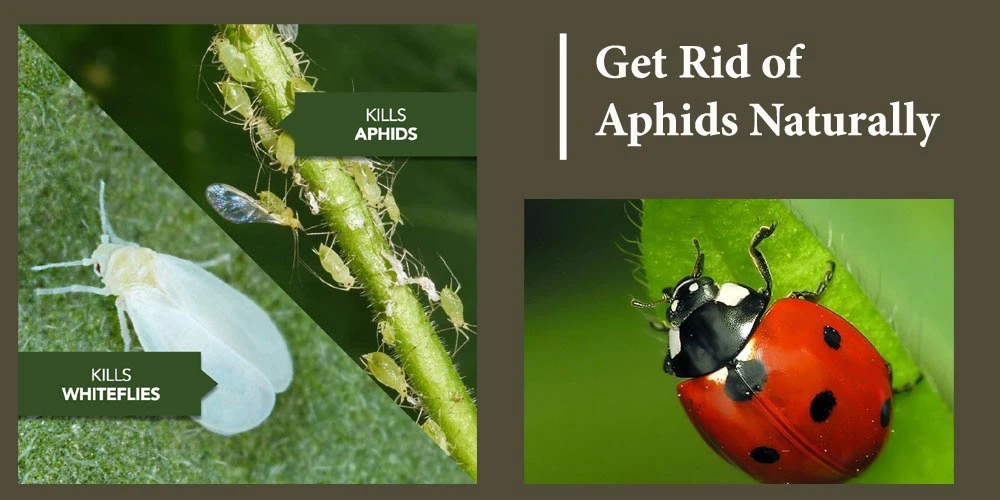
Not every small soft-bodied insect is an aphid. Whiteflies, mealybugs, and scale insects produce similar damage but require different approaches. According to the Wikipedia entry on aphids, there are roughly 5,000 species, and they range in color from green and black to pink and woolly white. If the insects on the plant don't match — if they fly immediately when disturbed (whiteflies) or leave cottony residue (mealybugs) — a different strategy is needed.
Get Rid Of Aphids Naturally
Best Practices for How to Get Rid of Aphids Naturally
Killing aphids is the easy part. Keeping them gone requires a shift in how the garden is managed. Our team follows these principles religiously.
Companion Planting as a Shield
Certain plants repel aphids or lure them away from valuable crops. This is one of the most effective long-term strategies available.
Repellent plants: Chives, garlic, catnip, and marigolds all produce compounds aphids avoid. Interplant them throughout beds, not just along borders. Many fragrance-emitting plants serve double duty as both ornamental additions and pest deterrents.
Trap crops: Nasturtiums and sunflowers attract aphids away from the main garden. Plant them at the edges as sacrificial hosts. Once heavily infested, remove and destroy them.
Aromatic herbs: Basil, dill, fennel, and cilantro attract predatory insects while repelling aphids. Our team keeps a border of these around every vegetable bed.
Pro tip: Nasturtiums are the single best trap crop for aphids. Our team plants them every 3 meters around the garden perimeter — they pull aphids off tomatoes and peppers like magnets.
Encouraging Beneficial Insects
A single ladybug larva eats up to 400 aphids before pupating. Green lacewings, hoverflies, and parasitic wasps are equally effective. The key is creating habitat they want to live in:
Leave some leaf litter and mulch — predatory insects overwinter there.
Avoid broad-spectrum organic sprays like pyrethrin during the day — they kill beneficials alongside pests.
Install insect hotels or leave hollow stems standing through winter.
Building Long-Term Aphid Resistance in the Garden
A healthy garden naturally resists aphid infestations. Weak, stressed plants emit chemical signals that actually attract aphids. Building resilience starts below the surface.
The Soil Health Connection
Over-fertilized plants — especially those pumped with nitrogen — produce lush, tender growth that aphids find irresistible. Balanced soil nutrition is the most underrated aphid prevention strategy.
Test soil before adding amendments. Excess nitrogen is the number one invitation for aphids.
Use slow-release organic fertilizers instead of synthetic quick-feeds. Understanding different types of soil helps determine the right amendment strategy.
Mulch to maintain consistent moisture — drought-stressed plants are aphid magnets.
Gardeners who wonder whether potting soil goes bad should know that degraded soil lacks the microbial activity that supports strong plant growth, indirectly making container plants more vulnerable to pests like aphids.
Seasonal Prevention Calendar
Aphid management isn't a one-time event. Here's how our team approaches each season:
Early spring: Inspect new growth weekly. Aphid eggs overwinter on bark and stems — catching the first generation prevents exponential growth. Starting plants from seeds germinated indoors gives them a head start in a pest-free environment before transplanting.
Late spring/early summer: Deploy companion plants and apply preventive neem sprays biweekly. Release purchased ladybugs at dusk (they fly away in daylight).
Midsummer: Monitor trap crops. Replace nasturtiums if they've been destroyed. Maintain water-blasting routine on susceptible plants.
Fall: Clean up plant debris. Remove annuals promptly. Apply dormant oil to fruit trees and woody perennials to kill overwintering eggs.
Winter: Plan next season's companion planting layout. Order beneficial insect eggs for spring release.
How to Get Rid of Aphids Naturally
Simple vs. Advanced Natural Aphid Solutions
Not every gardener needs the full arsenal. Some people are dealing with a few aphids on a balcony herb pot; others are managing a large vegetable garden with recurring seasonal infestations. The right approach depends on the scale.
Beginner-Friendly Methods
Anyone just starting out should focus on these three tactics. They require no special purchases and work immediately:
Water spray. A kitchen spray bottle set to a firm stream handles small infestations on herbs and indoor plants.
Soap spray. One tablespoon of dish soap per liter of water. Castile soap is gentler on plants, but regular dish soap works in a pinch.
Hand removal. Inspect plants every couple of days. Catch colonies early and squish them. It's simple, free, and surprisingly effective.
These methods cover 90% of small-scale aphid problems. Most people growing plants using household supplements or kitchen-window herbs will never need anything more.
Advanced Biological Controls
For larger gardens or persistent infestations, biological controls offer sustainable, hands-off aphid management:
Parasitic wasps (Aphidius colemani): These tiny wasps lay eggs inside aphids. The larva consumes the aphid from within, leaving behind a hardened "mummy." One release can establish a self-sustaining population.
Lacewing larvae: Often sold as eggs on cards. Each larva eats 200+ aphids during its development. Better suited than ladybugs for greenhouse use since they can't fly away.
Beauveria bassiana: A naturally occurring fungus that infects and kills aphids. Available as a spray. Works slowly (5–7 days) but provides longer-lasting control than soap sprays.
Banker plant systems: Grow cereal grasses infested with bird-cherry oat aphids (which don't attack garden plants) to sustain parasitic wasp populations year-round in greenhouses.
Biological controls demand patience. They take one to three weeks to show visible results, but they create a self-regulating ecosystem that manages aphids without any ongoing effort.
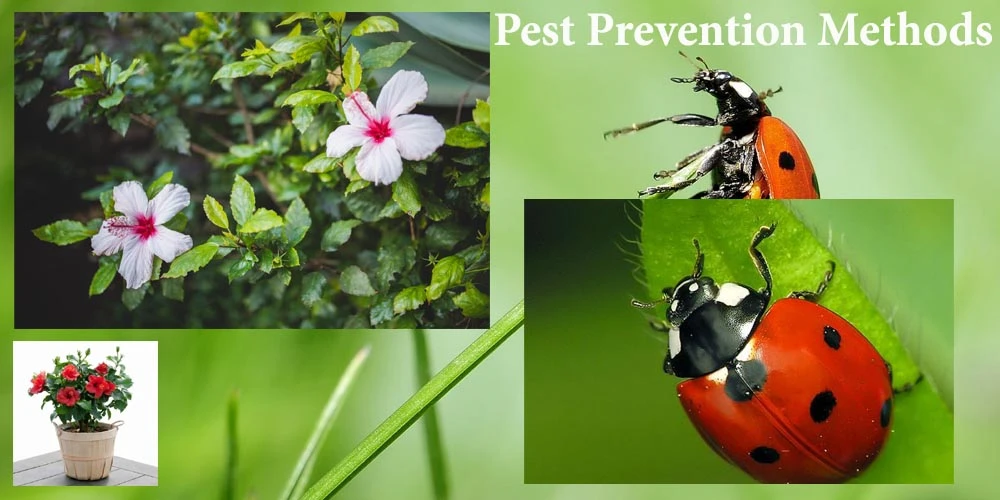
Pest Prevention Methods
Natural Aphid Remedies Compared
With so many options, deciding where to start can feel overwhelming. This comparison breaks down the most popular methods by the factors that actually matter.
Effectiveness at a Glance
Method
Speed
Effectiveness
Cost
Effort Level
Best For
Water spray
Immediate
Moderate
Free
Low (daily)
Light infestations, outdoor plants
Castile soap spray
Hours
High
Very low
Low (every 3–4 days)
All plants, indoor and outdoor
Neem oil
1–3 days
High
Low
Moderate (weekly)
Recurring problems, prevention
Companion planting
Seasonal
Moderate–High
Low
Low (seasonal setup)
Long-term prevention
Ladybugs/lacewings
1–2 weeks
Very high
Moderate
Very low (one-time release)
Large gardens, organic farms
Parasitic wasps
2–3 weeks
Very high
Moderate
Very low (one-time release)
Greenhouses, persistent problems
Garlic-pepper spray
Immediate (repellent)
Low–Moderate
Very low
Low (weekly)
Prevention, border protection
Beauveria bassiana
5–7 days
High
Moderate
Low (biweekly spray)
Organic farms, integrated pest management
Choosing the Right Method for the Situation
Our team's recommendation is straightforward:
Emergency (heavy infestation right now): Prune the worst stems, water-blast everything, and follow up with castile soap spray that same evening. Repeat for two weeks.
Moderate ongoing problem: Neem oil weekly plus companion planting. Add sticky traps to monitor population trends.
Prevention-focused (no current infestation): Companion planting, healthy soil management, beneficial insect habitat, and seasonal neem applications. This is the goal — a garden that manages its own pest populations.
Greenhouse or high-value crops: Parasitic wasps combined with lacewing larvae. The upfront cost pays for itself within one season.
The biggest mistake we see is people jumping straight to advanced methods when the basics haven't been tried. Start with water and soap, then layer on additional strategies as needed. Most home garden aphid problems resolve within two weeks of consistent soap spraying alone.
Next Steps
Inspect every plant today. Check the undersides of leaves, new growth tips, and flower buds. Identify whether aphids are present and estimate the severity — this determines whether to start with water blasting (light) or soap spraying (moderate to heavy).
Mix a batch of castile soap spray and keep it ready. One tablespoon of pure castile soap per liter of water in a labeled spray bottle. Having it on hand makes the difference between catching a colony early and letting it explode over the weekend.
Plan companion plantings for next season. Order nasturtium, marigold, and chive seeds now. Sketch out where trap crops and repellent herbs will go in relation to the most aphid-prone plants in the current layout.
Stop over-fertilizing with nitrogen. Review the current feeding schedule. If using synthetic fertilizers, switch to a balanced organic option. Test the soil if it hasn't been tested recently — the results will likely explain recurring pest pressure.
Create beneficial insect habitat. Leave a patch of leaf litter, install an insect hotel, or simply stop deadheading every single flower. Ladybugs, lacewings, and parasitic wasps need places to live and nectar to eat — give them a reason to stay.
Truman Perkins is a Detroit-based SEO consultant who's been in the business for over a decade. He got his start helping friends and clients get their websites off the ground, and he continues to do so today. In his free time, Truman enjoys learning and writing about gardening - something he believes is a natural stress reliever. He lives with his wife, Jenny, and their twins in Detroit.




 rinjal