Which pot will actually make your spider plant thrive — and look great doing it? That's the question every plant lover wrestles with in 2026, when the options seem endless and the stakes feel surprisingly high. If you've been staring at shelves of ceramic, terracotta, and plastic pots wondering where to even start, you're in the right place. The LA Jolie Muse White Ceramic Planter is a standout pick for style-conscious growers, but it's far from the only smart choice on this list.
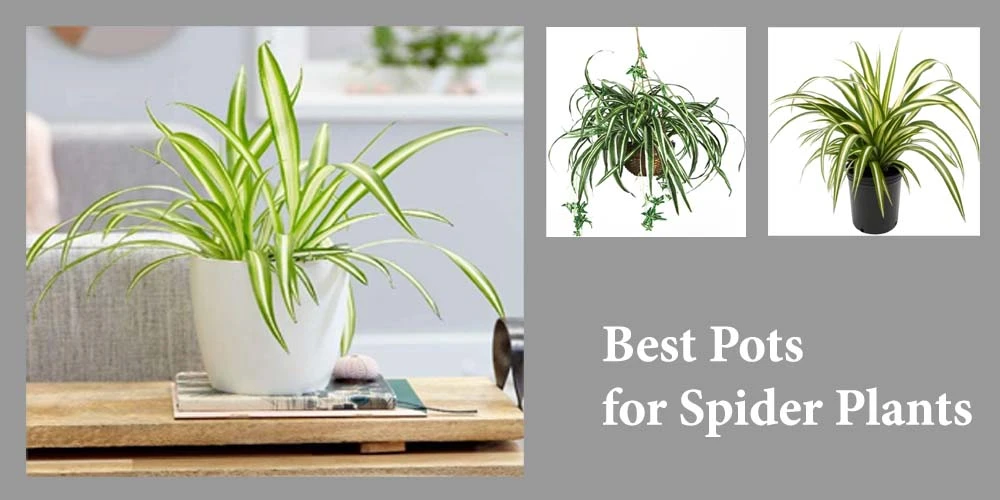
Spider plants (Chlorophytum comosum) are famously easygoing — they tolerate low light, irregular watering, and a little neglect. But the right pot still matters more than people realize. A pot without proper drainage will drown those roots faster than you'd expect. A pot that's too small will cramp the thick, fleshy rhizomes (underground storage roots) that give spider plants their staying power. And if you're hanging your spider plant — which is absolutely the best way to show off those cascading babies — you need something sturdy enough to stay put. This guide covers the pots that actually get those details right, from classic terracotta to self-watering hangers and decorative macramé holders. Browse our full gardening reviews section for even more plant care resources.
Whether you're outfitting a sunny window ledge or building a dramatic hanging display, this list has something for every setup and budget. We've dug into materials, drainage design, size options, and real-world usability so you don't have to guess. If you've ever wondered how spider plant pots compare to options for other popular houseplants, our guides on best pots for indoor plants and best pots for peace lily cover similar ground. Now let's get into the picks.
Contents
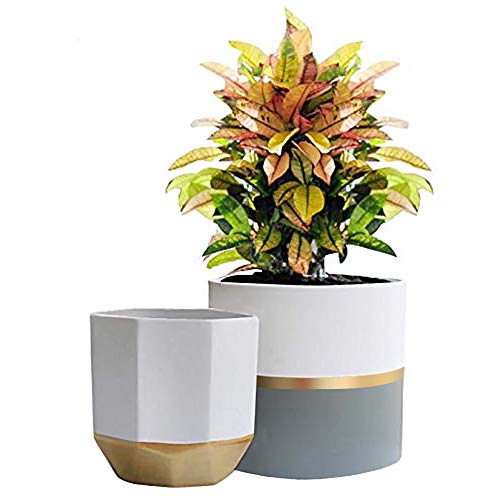




If you want a pot that does double duty — looking sharp on a shelf while actually keeping your spider plant healthy — the LA Jolie Muse set is hard to beat. This two-piece ceramic set pairs a taller 6.7-inch cylindrical planter with a smaller 5.4-inch asymmetrical one, both finished with tasteful gold and grey color-block detailing. The visual contrast is deliberate and modern, and it works whether you're decorating a minimalist apartment or a more eclectic living space.
Beyond the looks, the construction is solid. Sturdy ceramic means it won't flex or warp over time like plastic can. Each planter has a single drainage hole at the base, which is exactly what spider plants need — they hate sitting in soggy soil. The two different sizes are also genuinely useful: put your main spider plant in the taller one and a fresh offset (baby plantlet) in the smaller one for a coordinated look. The size difference is noticeable but not jarring, and the matching color-block design ties them together visually.
A few trade-offs to keep in mind: these pots don't come with saucers, so you'll want to grab some separately to protect your surfaces. And like most decorative ceramic, they're not indestructible — dropping them on tile is a bad idea. But for the price point and the aesthetic payoff, this set consistently earns its place as a top recommendation. Plants are not included, and the sizes work best for small to medium spider plants rather than large, mature specimens.
Pros:
Cons:
Terracotta has been the go-to pot material for centuries, and the INGOFIN set reminds you exactly why. This three-pot set comes in 5, 6, and 7-inch sizes — a genuinely useful progression for anyone growing multiple spider plants at different stages or planning to repot as the plant matures. Each pot includes a matching saucer, which immediately puts it ahead of many competing sets that skip that detail entirely.
The material itself is high-fired clay, which means it's more crack-resistant and durable than cheaper terracotta alternatives. More importantly for spider plants, the porous clay walls let air and moisture move through freely (this is called "breathability"), which promotes healthy root development and helps prevent the root rot that can sneak up on overenthusiastic waterers. If you tend to water on a regular schedule rather than checking moisture levels, terracotta is genuinely forgiving — the walls will wick away excess moisture naturally.
Each pot has a drainage hole at the bottom, and the multi-layer shock-absorbing packaging means they're less likely to arrive cracked than the typical terracotta order. That said, terracotta still chips more easily than plastic, and the reddish-orange color won't suit every décor style. But if you appreciate the natural, earthy look and want pots that actually support good plant health over pure aesthetics, this set earns strong marks. For a broader look at how terracotta compares across plant types, our roundup of best pots for pothos covers similar material tradeoffs.
Pros:
Cons:
Spider plants and hanging planters are a match made in gardening heaven — those long, arching leaves and cascading babies (called "spiderettes") look incredible when they can hang freely. The Melphoe planter takes that pairing one step further with a self-watering design that can keep your plant fed for two weeks or more without you touching it. That's a genuine game-changer if you travel, work long hours, or just sometimes forget to water.
The mechanics are straightforward but clever. A cotton wick rope draws water from the reservoir (the outer pot) up into the inner pot, keeping the soil consistently moist without waterlogging it. The inner pot has 12 drainage holes to ensure roots never sit in standing water — excess drains down to the reservoir, and the wick draws it back up as needed. The outer pot is made of transparent PET plastic (a food-safe, premium material), so you can check the water level with a glance without lifting or probing. Each pack includes three hooks, which gives you flexibility for different ceiling types.
The emerald color is vibrant and fresh, though color availability may vary. At 6.5 inches, the pot size is ideal for small to medium spider plants — large, sprawling specimens may feel cramped. If you're a forgetful waterer or frequently away from home, this is probably the most practical option on the list. Just keep in mind that the self-watering system works best when the wick rope stays clean and positioned correctly.
Pros:
Cons:
If you have a mature, full-size spider plant that needs room to spread out, the T4U 12-inch hanging basket is worth your attention. At 12 inches across, this is one of the larger hanging planters on our list, and the generous size means your spider plant's roots won't feel cramped even as the plant sends out multiple runners of spiderettes. The speckled grey finish looks clean and modern without being flashy — it's the kind of pot that works in almost any room.
The material is thick, durable plastic, which sounds less glamorous than ceramic but has real practical advantages for hanging use. It's lightweight enough to reduce the strain on your ceiling hook and dramatically reduces the injury risk if it ever does fall. Two drainage holes at the bottom handle water flow efficiently, and the removable drain plugs are a smart touch — you can keep them in place indoors to catch drips, or remove them when hanging outdoors where drainage matters more. The modern speckled design adds visual texture without being overdone.
One thing to note: plastic pots don't breathe the way terracotta does, so you'll want to be slightly more careful about overwatering. But spider plants are resilient enough that this isn't a major issue if you're using well-draining potting mix. The pack of two is great value, and the neutral grey color pairs well with greenery. If you're building out a hanging display with multiple plants, this size and style makes a strong anchor piece.
Pros:
Cons:
The Kvetto hangers sit at the intersection of style and function in a way that feels genuinely well-thought-out. The color-block design between the pot body and the brown drainage tray gives these a contemporary look that feels intentional rather than accidental. At 8 inches, the size hits a sweet spot — big enough for a medium to large spider plant, but not so oversized that it looks heavy or out of place in a normal room.
The self-watering feature here works differently from the Melphoe: a side hole in the drainage tray prevents overflow while still allowing the plant to absorb moisture as needed. This passive watering system reduces the frequency of your watering schedule without going full reservoir-and-wick. The PP (polypropylene) plastic body is sturdy and UV-resistant, and the metal chains and screw-in hooks are rustproof — an important detail if you're using these outdoors or in a humid bathroom. The hooks thread in directly, so installation is simple even if you're not particularly handy.
The combination of self-watering convenience, rust-resistant hardware, and a genuinely attractive design makes this a strong all-rounder. It's the kind of pot you'd confidently put in a living room without feeling like you compromised on looks to get a practical feature. The set of two also makes it easy to create a coordinated hanging display. If the color options available match your space, this is a very easy recommendation.
Pros:
Cons:
Not every spider plant display needs to be cutting-edge modern. The MyGift hobnail ceramic planters bring a vintage, cottage-style charm that feels warm and timeless. The hobnail texture — those raised dot patterns across the surface — is a classic decorative detail that adds visual interest without being loud. Paired with the clean white finish, these pots work beautifully in farmhouse kitchens, vintage-styled living rooms, or anywhere you want a softer, more nostalgic aesthetic.
At 6 inches, each pot is a solid size for a small to medium spider plant. The cylindrical shape keeps the silhouette clean and lets the plant's foliage take center stage. The set of two is a nice practical touch — you can display them together for a cohesive look or split them up across different spots in your home. The ceramic construction is substantial enough to feel premium without being unnecessarily heavy.
These are on the simpler end in terms of features — straightforward ceramic with a decorative texture, no built-in drainage saucer, no self-watering system. You'll want to pair them with saucers to protect surfaces. But if you're the type of gardener who values character and aesthetic above all else and doesn't mind handling watering manually, these pots deliver a lot of visual appeal at a reasonable price point. They're also a great pick for gifting alongside a spider plant offset.
Pros:
Cons:
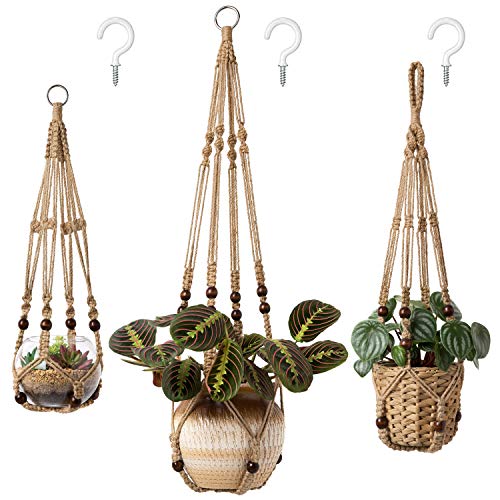
Macramé hangers are having a major moment in 2026 interior design, and the Mkono three-pack is one of the most practical ways to get into the trend. These aren't pots themselves — they're woven jute holders that cradle your existing pots and suspend them from a hook, wall mount, or curtain rod. The three different sizes (23, 29, and 35 inches) let you create a layered, gallery-style plant display at different heights, which is especially striking with spider plants since you can show off their cascading leaves at multiple levels.
The jute construction is sturdy, long-lasting, and has a natural, earthy quality that pairs well with both bohemian and Scandinavian-inspired interiors. Each hanger is hand-crafted, with a woven design flexible enough to accommodate various pot shapes and sizes (as long as the pot fits within the opening). The wooden beads add a subtle decorative detail. These are genuinely functional for indoor and outdoor use — hang them by a bay window, on a porch, or from a ceiling hook in a reading nook.
Keep in mind that you'll need to provide your own pots to use with these hangers, which means an extra purchase if you don't already have suitable pots. The jute material can also deteriorate over time if it stays consistently wet, so it's best suited for areas with moderate humidity rather than extremely damp environments. But for creating a visually rich hanging display without a major investment, this three-pack is hard to beat. Pair with the INGOFIN terracotta pots or the LA Jolie Muse ceramics for a cohesive look.
Pros:
Cons:

Spider plants are resilient, but they have one serious weakness: they absolutely cannot tolerate waterlogged roots for extended periods. Root rot (a fungal condition caused by consistently wet soil) is the number one killer of otherwise healthy spider plants. Every pot you consider should have at least one drainage hole at the bottom — preferably with a saucer or removable plug to catch the runoff. Self-watering designs like the Melphoe and Kvetto handle this elegantly by cycling water through a wick system, but even those have drainage mechanisms built in. Never pot a spider plant in a container without drainage unless you're a very experienced waterer.
Spider plants prefer a slightly snug fit — a pot that's too large encourages excess soil moisture to linger, which again risks rot. As a rule, choose a pot that's roughly 1–2 inches wider in diameter than the plant's current root ball. As your plant grows (and spider plants grow fast), you'll want to move up a size every 1–2 years. The INGOFIN terracotta set's graduated sizing (5, 6, and 7 inches) makes this progression easy to plan for. Hanging planters in the 8–12 inch range, like the T4U and Kvetto options, are well-suited to mature plants that have established a full, bushy shape with multiple runners.
Each material has a distinct personality worth understanding before you buy. Terracotta is breathable and naturally wicks moisture — great for overprotective waterers and for spider plants in humid environments. Ceramic is heavier, less porous, and often more decorative — a better choice when aesthetics matter as much as function. Plastic is lightweight, durable, and ideal for hanging use since it reduces the load on hooks and ceiling anchors. For hanging spider plants specifically, lightweight plastic or thin-walled ceramic pots are usually the smarter choice over heavy terracotta. Our guide to the best pots for orchids covers material trade-offs in even more depth if you want to compare across plant types.
Spider plants genuinely thrive in both configurations, but hanging display is particularly popular because it shows off the spiderettes (those trailing baby plants) to best effect. If you're going the hanging route, prioritize lightweight materials, secure hook systems, and pots with removable drain plugs so you're not dripping water on your floor every time you water. The Mkono macramé hangers are a creative middle ground — they let you use pots you already own while adding the hanging display benefit. For tabletop display, focus more on drainage saucers and visual appeal since weight is less of a concern.
For most spider plants, a 6–8 inch pot is a good starting point. Spider plants prefer to be slightly root-bound (meaning the roots fill most of the pot), so you don't need to rush to the largest size available. As the plant grows and roots start emerging from the drainage hole, it's time to move up one size. Mature, full plants with multiple runners do well in 10–12 inch pots, especially in hanging configurations.
Yes, absolutely. Spider plants are prone to root rot if their roots stay wet for too long. A drainage hole is essential for allowing excess water to escape after watering. If you fall in love with a decorative pot that has no drainage hole, you can use it as a cachepot (outer decorative cover) and keep your spider plant in a plain plastic nursery pot with drainage inside it.
Terracotta is an excellent choice for spider plants. The porous clay walls allow air and moisture to pass through, which helps regulate soil moisture and prevents overwatering issues. The main trade-offs are weight (terracotta is heavier than plastic) and the fact that the soil dries out faster — which means you may need to water more frequently in hot, dry climates.
Hanging planters are one of the best ways to display spider plants. The trailing spiderettes (baby plant runners) hang down naturally and look spectacular when there's room for them to cascade. Hanging also improves airflow around the plant. When choosing a hanging planter, prioritize lightweight materials like plastic, ensure the hook hardware is rated for the pot's weight when wet, and look for drainage solutions that won't drip on your floor.
In 2026, most plant experts recommend repotting spider plants every 1–2 years, or whenever you notice roots escaping from the drainage hole, the plant wilting shortly after watering, or the soil drying out unusually fast. Move up to a pot that's roughly 1–2 inches larger in diameter each time. Spring is the best time to repot since the plant is entering its active growing season and will recover quickly.
A self-watering planter includes a water reservoir (usually the outer pot or a separate chamber) that feeds moisture to the plant gradually via a wick or absorption system. This reduces how often you need to water — sometimes down to once every two weeks. Regular hanging planters drain immediately after watering and rely on you to water on a consistent schedule. Self-watering is ideal for busy households or frequent travelers; regular planters give you more direct control over soil moisture levels.
 |
 |
 |
 |

About Christina Lopez
Christina Lopez grew up in the scenic city of Mountain View, California. For eighteen ascetic years, she refrained from eating meat until she discovered the exquisite delicacy of chicken thighs. Christina is a city finalist competitive pingpong player, an ocean diver, and an ex-pat in England and Japan. Currently, she is a computer science doctoral student. Christina writes late at night; most of her daytime is spent enchanting her magical herb garden.


Get new FREE Gifts. Or latest free growing e-books from our latest works.
Disable Ad block to reveal all the links. Once done, hit a button below
|
|
|
|
 rinjal