Which seed starter kit actually delivers the germination rates it promises — and which ones leave you with trays full of dead seeds weeks before transplant season? In 2026, the answer matters more than ever as home gardeners demand precision tools, not plastic trays that crack after a single season. After evaluating the market's leading options, the SOLIGT 60 Cell Seed Starter Kit with Grow Light and Heat Mat stands out as the most complete solution for gardeners who want every advantage from day one.
Starting seeds indoors is one of the most cost-effective strategies in any gardening toolkit. According to the University of Minnesota Extension, indoor seed starting can extend your growing season by six to eight weeks and dramatically reduce per-plant costs compared to purchasing transplants. The challenge is that germination success hinges on three variables: consistent moisture, adequate warmth, and proper light — and most basic kits address only one or two of these. The best seed starter kits in this guide address all three. Whether you're growing tomatoes, peppers, herbs, or flowers, this lineup covers everything from budget-friendly tray sets to fully integrated grow-light systems.
This guide reviews seven of the top-rated seed starter kits available right now, breaks down what separates the winners from the also-rans, and closes with a buying guide covering every spec you should evaluate before spending a dollar. If you're also looking at the right growing medium to pair with your new kit, check out our guide to the best potting soils for herbs — the same principles apply to virtually any seedling mix. For the full list of categories in our gardening coverage, visit our gardening reviews hub.

Contents
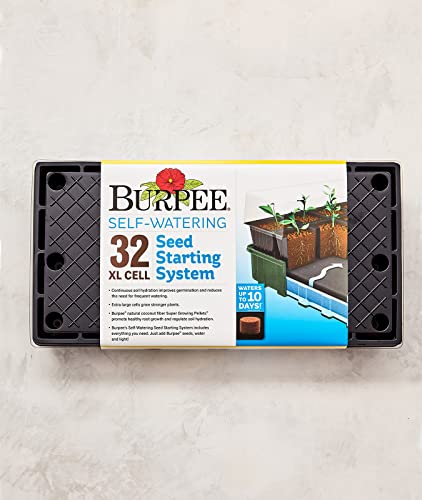





The Burpee XL Self-Watering Growing System is engineered for gardeners who want reliable germination without the daily guesswork of manual watering. The kit ships with two 16-cell planting trays — each featuring extra-large cells — two plant stands, one self-watering mat, a water tray, 32 coconut coir super growing pellets, and a dome cover. The dimensions, 10" W x 20" L x 5" H, make it compact enough for a standard windowsill or countertop without sacrificing growing capacity. Burpee's self-watering mat pulls moisture from the reservoir tray through capillary action, delivering it directly to the root zone at a rate the seedlings can use — eliminating the overwatering mistakes that kill most seedlings before they're established.
The coconut coir pellets are a notable advantage here. Coir is a renewable substrate that holds moisture exceptionally well while maintaining enough air porosity to prevent root rot. Place each pellet flat-side down, add warm water slowly, and watch it expand to full volume in minutes. The kit also includes two plant-o-gram diagrams for tracking which seed went where and six 4" plant markers — a small but meaningful organizational feature that pays off when you're managing 32 cells of different varieties simultaneously. The cell size is genuinely oversized compared to standard 72-cell trays, which means your seedlings develop stronger root systems before transplanting.
The dome cover creates a stable humid microclimate during germination. Once sprouts break the surface, you can lift the dome to improve air circulation and begin hardening off. The system's straightforward design makes it accessible to first-year gardeners, but the quality of the materials — particularly the sturdy plant stands and reusable tray — means experienced gardeners will also get multiple seasons of use from a single kit.
Pros:
Cons:
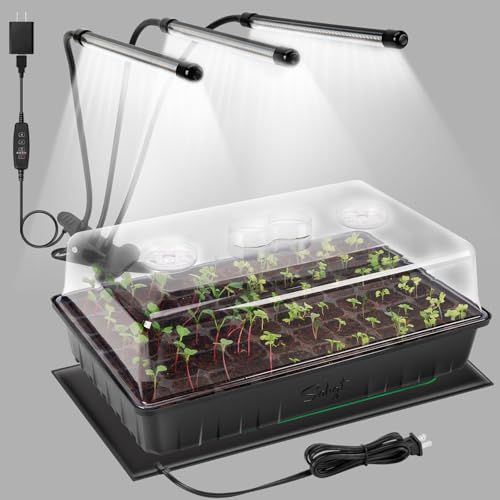
The SOLIGT 60 Cell Seed Starter Kit is the most fully equipped option in this roundup and the top recommendation for 2026. It ships as a genuine all-in-one system: a 60-cell seedling tray, a bottom seed starter tray, a higher-profile 4.3" humidity dome, a waterproof heat mat, and a full-spectrum grow light — all integrated and ready to run. Most kits at this price point include either a heat mat or a grow light, not both. SOLIGT delivers both, which means you're not buying supplemental equipment to make the system function correctly from day one.
The heat mat is waterproof — a detail that matters because trays leak, and a non-waterproof mat is both a fire hazard and a short-term investment. The mat delivers consistent, even warmth across the tray's footprint, accelerating germination rates for warm-season crops like peppers and tomatoes. The grow light runs on 11.5W and operates at 4500K, a color temperature that supports both germination and early seedling growth. It includes 15 red LEDs and 111 white LEDs, with five brightness levels and four programmable timer options (4, 8, 12, or 18 hours on). The three-head gooseneck arm mounts via clip or stand and repositions as your seedlings grow taller. The flexible 3-head gooseneck design means you're not locked into a fixed height, which is a real operational advantage as seedlings stretch.
The 4.3" dome height gives emerging seedlings significantly more vertical room than standard 2" domes, reducing the need to remove the cover prematurely. The 60-cell tray provides enough capacity for a serious home garden or small market garden operation. This kit handles the three critical germination variables — warmth, humidity, and light — in one integrated package, and the quality of each component reflects a product designed for repeated seasonal use rather than a single planting cycle.
Pros:
Cons:
The Jump Start CK64050 Germination Station is a focused, no-frills system built around a proven heat mat design. It includes a UL-listed waterproof heat mat rated at 17 watts and 120 volts, a 72-cell pack, a 2" humidity dome, and an 11" x 22" watertight base tray. The UL listing is a meaningful certification — it confirms independent safety testing, which matters when you're running an electrical mat near water continuously for weeks. Jump Start is a well-established brand in the horticultural equipment category, and this station reflects their core competency: reliable, consistent bottom heat.
The 17-watt heat mat operates at 8.875" x 19.5" and raises the growing medium temperature approximately 10–20°F above ambient room temperature. For germinating warm-season crops in a cool basement or garage, this temperature differential is decisive. The watertight base tray prevents overflow from reaching the mat or surrounding surface. The 72-cell pack provides standard cell sizing appropriate for most vegetable and flower varieties. The watertight base tray and UL-listed heat mat combination represents serious build quality at an accessible price point.
The 2" dome is notably shorter than the SOLIGT's 4.3" dome, which means you'll need to lift it earlier as seedlings grow tall. The kit does not include a grow light, so supplemental lighting is necessary in rooms without strong natural light. For gardeners who already have a grow light setup or who have a south-facing windowsill, the Jump Start stations delivers reliable germination heat at a fraction of the cost of all-in-one systems. It's also an excellent secondary station for overflow trays when your primary system is at capacity.
Pros:
Cons:
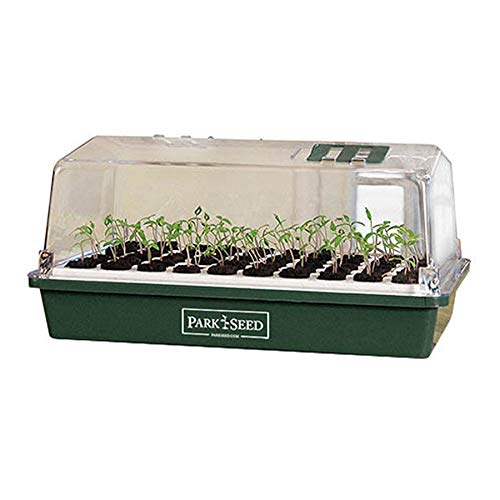
The Park Seed Bio Dome is one of the few seed starter kits on the market where the growing medium itself is the primary differentiator. The kit includes a 60-cell planting block, a base tray, a clear humidity dome with two adjustable top vents, and 60 bio sponges — a proprietary growing medium that Park Seed has refined over decades of commercial seed production. The bio sponge is not peat, not coir, not rockwool — it's a distinct substrate optimized for the specific phase between germination and transplant, and the germination rates it delivers are documented by users across a wide range of crops and difficulty levels.
The bottom-watering design is central to this kit's success. You fill the base tray — not the cells — with lukewarm water, and the polystyrene cell block floats slightly while the bio sponges wick moisture upward at precisely the rate the seedlings need. The bottom-watering approach makes overwatering structurally impossible, which eliminates one of the most common causes of seedling failure. As plants mature, roots grow downward rather than spiraling near the surface, producing transplants with more vigorous root systems. The dome's two adjustable top vents allow you to dial in air circulation as seedlings emerge, rather than making an all-or-nothing decision between dome-on and dome-off.
The planting protocol calls for one seed per bio sponge, and Park Seed reports near-universal germination even for difficult-to-germinate varieties. The clear dome provides visible monitoring of the entire tray from above. For gardeners who have struggled with inconsistent germination from other kits, the Bio Dome is the corrective purchase — it addresses root cause rather than symptom. Pair your seedlings, once established, with a quality growing medium from our guide to the best potting soils for herbs for a seamless transition from seedling to container.
Pros:
Cons:
Jiffy is one of the most recognized names in seed starting, and this two-pack germination tray kit represents the brand's standard approach scaled for value purchasing. Each pack includes a plastic greenhouse tray, 72 cells with 36mm peat pellets, plant markers, and a sample of SUPERthrive — the liquid nutrient supplement widely used by commercial nurseries to stimulate root and shoot development in young plants. Two packs total 144 peat pellets and 144 cells, making this the highest cell-count purchase per dollar in this roundup for those who want basic tray-and-dome functionality.
The 36mm peat pellets expand quickly with warm water and provide an established germination medium with decades of commercial use behind it. The clear plastic greenhouse cover creates a warm, humid environment that accelerates germination timing. The SUPERthrive inclusion distinguishes this kit from generic peat pellet sets — the additive contains vitamins and hormones that measurably improve seedling establishment rates when applied at diluted concentrations during early growth stages. Plant markers are included for variety tracking across 144 cells.
The plastic construction is functional but not premium. The dome fits adequately but doesn't seal as tightly as molded designs. The peat pellets, once expanded and planted, hold moisture well but can dry out faster than coir or bio sponge alternatives in low-humidity environments. Monitor moisture levels carefully after germination — a plant moisture meter is a practical companion tool for managing multiple trays simultaneously. Overall, the Jiffy two-pack delivers solid germination results at a compelling per-cell price, making it the go-to option when cell count and cost-efficiency are the primary requirements.
Pros:
Cons:
The Gardzen 5-Set delivers five complete seed starting units — each with a 40-cell tray, a humidity dome with adjustable vents, and a base — for a total of 200 cells. This set targets the serious home gardener who starts large quantities of different varieties simultaneously, or anyone who stages plantings over multiple weeks for continuous transplanting. The five-set format means you can dedicate individual trays to single crop families, keep different germination timelines separate, or rotate trays in and out of grow-light coverage without disrupting other batches.
Gardzen has upgraded this version with adjustable ventilation — two air vents added to the top of each dome allow you to increase airflow as seedlings emerge without fully removing the cover. The premium plastic material is notably more rigid than entry-level tray sets, and the dome-to-base fit is tightened by thoughtfully designed attachment stickers that hold the dome and base together securely during transport or repositioning. The five-tray format gives you the operational flexibility that single-tray kits simply cannot provide — you're managing a seed starting system, not just a single planting event.
The 40-cell per tray configuration is a deliberate design choice. Fewer cells per tray mean larger cell volume, which supports stronger root development. Each tray's 200mm x 410mm footprint fits standard grow shelves and heat mats designed for the 10"x20" industry standard. The domes are tall enough to accommodate most seedling growth before hardening off begins. For gardeners scaling up from a single-tray operation, the Gardzen 5-Set represents the most practical upgrade path without investing in commercial-grade equipment. Matching these trays with the right herb pots for the final transplant stage rounds out a complete indoor-to-outdoor growing pipeline.
Pros:
Cons:
The MIXC 10-Pack is the highest-capacity option in this roundup, delivering 10 individual tray units — each with a 12-cell seedling tray, a humidity dome, and a base — for a combined total of 120 cells. The ten-tray format makes this set the most operationally flexible purchase for gardeners who manage multiple planting schedules, crop families, or growing locations simultaneously. Each unit functions independently, which means individual trays can be moved between heat mats, grow lights, windowsills, and outdoor hardening stations without disrupting other batches.
The adjustable vents on each dome replicate the airflow control found in the Gardzen set, allowing precise humidity management at each germination stage. Drainage holes at the bottom of each cell tray provide active water management — excess moisture drains into the base rather than pooling around roots. This two-layer drainage approach reduces root rot risk, a common failure mode with trays that rely on overflow or manual draining. The combination of adjustable vents above and drainage holes below gives you active control over the seedling environment at both ends.
The mini-greenhouse format of each individual unit creates a contained microclimate that can be easily monitored and adjusted. The 12-cell-per-tray format means each cell has generous individual volume for root development. The total 120-cell count across ten trays covers a full vegetable garden start, multiple herb batches, and flower starts simultaneously. The kit ships without growing medium, so you'll need to supply peat, coir, or a purpose-blended seed starting mix separately. For gardeners who need maximum tray count and operational flexibility at an accessible price point, the MIXC 10-Pack delivers measurable value per dollar spent.
Pros:
Cons:
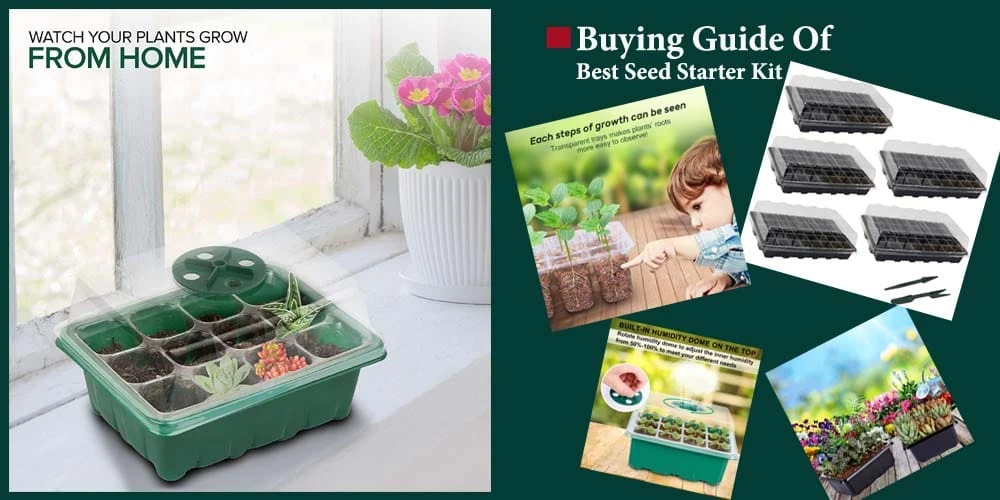
Cell count and cell size pull in opposite directions — more cells per tray means smaller individual cell volume, and smaller cells mean less root space before transplant is required. For large-seeded, fast-growing crops like cucumbers, squash, and melons, you want larger cells (50-cell trays or fewer per standard flat). For fine seeds like petunias, basil, and begonias, 72-cell or 128-cell trays are appropriate because the smaller root mass at transplant isn't a limiting factor. Match your cell selection to the crop you're growing, not to the largest number on the packaging. If you're starting a wide mix of varieties, a multi-tray set like the Gardzen 5-Set or MIXC 10-Pack gives you the flexibility to use different cell configurations for different crops simultaneously.
Soil temperature is the single most important variable in germination timing. Most vegetable seeds germinate fastest between 70°F and 85°F soil temperature — a range that requires active heating in most indoor environments during winter and early spring. A 17-watt heat mat raises growing medium temperature 10–20°F above ambient, which is sufficient to push soil into the optimal range even in rooms held at 60–65°F. Look for UL-listed waterproof heat mats specifically — the UL listing confirms independent safety testing, and waterproofing protects against the inevitable tray overflow. Kits without a heat mat are viable in warm rooms or during summer starting, but represent a significant limitation for cold-climate early-season starting in 2026.
Dome height determines how long you can keep the humidity cover in place before emerging seedlings hit the ceiling and require you to remove it. Standard 2" domes require early removal for most crops. Taller domes — particularly the SOLIGT's 4.3" option — allow seedlings to develop further under controlled humidity conditions before exposure to ambient air. Ventilation design matters equally: adjustable vents allow you to transition from sealed high-humidity germination conditions to increased airflow for seedling development without removing the dome entirely. Domes without vents force a binary choice between sealed and open, while vented designs give you a controlled intermediate stage that reduces transplant shock.
The three primary growing media used in seed starting kits are peat pellets, coconut coir pellets, and purpose-engineered substrates like Park Seed's bio sponges. Peat is inexpensive and widely available but dries out faster than alternatives and raises sustainability concerns as a non-renewable resource. Coir is renewable, holds moisture well, and provides good air porosity — it's the preferred choice for most applications in 2026. Bio sponges, while more expensive, deliver the highest germination reliability across difficult varieties and eliminate overwatering entirely through bottom-wicking design. If you're investing in a quality tray set, invest equally in the growing medium — the substrate is where germination actually happens.
A seed starter kit is a self-contained indoor gardening system designed to create optimal conditions for seed germination before outdoor transplanting. A complete kit typically includes a cell tray with individual growing compartments, a clear humidity dome that retains heat and moisture, a base tray to collect drainage water, and a growing medium — usually peat pellets, coconut coir, or a proprietary substrate. Premium kits add a heat mat for consistent bottom heat and a grow light for photosynthesis in low-light indoor environments. The goal is to replicate the warm, humid conditions seeds need to break dormancy reliably, well ahead of the outdoor planting season.
The timing varies by crop, but the general guideline is 6 to 8 weeks before your last expected frost date. Tomatoes and peppers require 8 to 10 weeks because they grow slowly and need to reach a robust size before outdoor conditions are suitable. Fast-maturing crops like cucumbers, squash, and melons need only 3 to 4 weeks of indoor starting. Herbs vary widely — basil benefits from 6 weeks of indoor starting, while parsley can require up to 10 weeks. Consult your seed packet for crop-specific timing, and cross-reference your USDA hardiness zone's average last frost date for your region.
A heat mat is not strictly required for all seeds, but it is decisive for warm-season crops like tomatoes, peppers, eggplant, and basil. These crops germinate poorly below 70°F soil temperature and may take three to four times longer without bottom heat. If your indoor growing space maintains 70°F or warmer consistently, you can germinate most crops without a mat. In cooler rooms — below 65°F — a heat mat reduces germination time significantly and improves germination rates measurably. The Jump Start CK64050 and SOLIGT kits both include UL-listed waterproof heat mats and are the recommended choices for cold-climate starting or unheated growing spaces.
Both peat and coir pellets expand with water and provide a germination medium, but they differ in material properties and sustainability profile. Peat is harvested from wetland bogs, is slightly acidic (pH 3.5–4.5 in raw form), and provides moderate moisture retention with some tendency to dry out quickly near the surface. Coir is derived from coconut husks, is nearly pH-neutral, holds moisture more consistently than peat, and is a renewable agricultural byproduct. For most seed starting applications in 2026, coir is the preferred choice due to its moisture consistency and environmental profile. The Burpee XL kit uses coconut coir specifically for its superior moisture balance in an automated self-watering system.
Damping off is a fungal disease that collapses seedling stems at the soil line, typically caused by overwatering combined with poor air circulation. The most effective prevention is bottom watering — filling the base tray rather than pouring water over the seedlings from above. This keeps the soil surface drier, which the fungal pathogens that cause damping off cannot tolerate. Adjustable dome vents also contribute to prevention by allowing air exchange without exposing young seedlings to drafts. Use sterile growing medium from sealed packages rather than reused outdoor soil. If you see damping off in a tray, remove affected seedlings immediately and increase ventilation for the remaining plants.
Remove the humidity dome once the majority of seeds in a tray have germinated and seedlings are showing their first set of true leaves — the second set of leaves that appear after the initial seed leaves. At this stage, seedlings need increased air circulation to build strong stems and prevent fungal diseases. If your dome has adjustable vents, open them incrementally over three to five days rather than removing the dome all at once — this gradual transition reduces stress on young plants. Taller domes like the SOLIGT's 4.3" model allow more time before removal is necessary, since seedlings reach the dome ceiling later in their development.
 |
 |
 |
 |

About Christina Lopez
Christina Lopez grew up in the scenic city of Mountain View, California. For eighteen ascetic years, she refrained from eating meat until she discovered the exquisite delicacy of chicken thighs. Christina is a city finalist competitive pingpong player, an ocean diver, and an ex-pat in England and Japan. Currently, she is a computer science doctoral student. Christina writes late at night; most of her daytime is spent enchanting her magical herb garden.


Get new FREE Gifts. Or latest free growing e-books from our latest works.
Disable Ad block to reveal all the links. Once done, hit a button below
|
|
|
|
 rinjal