If you want one product you can grab right now and know it'll work, Nelson Plant Food NutriStar Hibiscus Fertilizer is the pick — its slow-release 10-4-12 formula was built specifically for tropical hibiscus and cuts feeding down to once a month. But every hibiscus garden is different, and the seven options below cover everything from fully organic blends to high-phosphorus water-soluble boosters, so you're bound to find the right fit.
Hibiscus are heavy feeders. That big, showy bloom doesn't come for free — the plant pulls a lot of potassium and micronutrients to produce those flowers consistently through the growing season. Get the fertilizer wrong and you'll either end up with lush, dark-green leaves but almost no blooms (too much nitrogen), or yellow leaves and stunted growth (starved of iron and magnesium). The right fertilizer keeps those two outcomes off the table. If you're also feeding other plants around the yard, check out our roundup of the best fertilizers for fruit trees — a lot of the same NPK principles apply.
In 2026, the market for hibiscus-specific plant food is more competitive than ever. You've got slow-release granules, water-soluble powders, and organic blends all competing for your attention. This guide covers the top seven products — with honest pros, cons, and the use cases where each one shines. Whether you're growing tropical hibiscus in containers on a sunny porch or hardy hibiscus in a garden bed, there's a solid option here for you. For broader gardening product reviews, our full category has you covered.
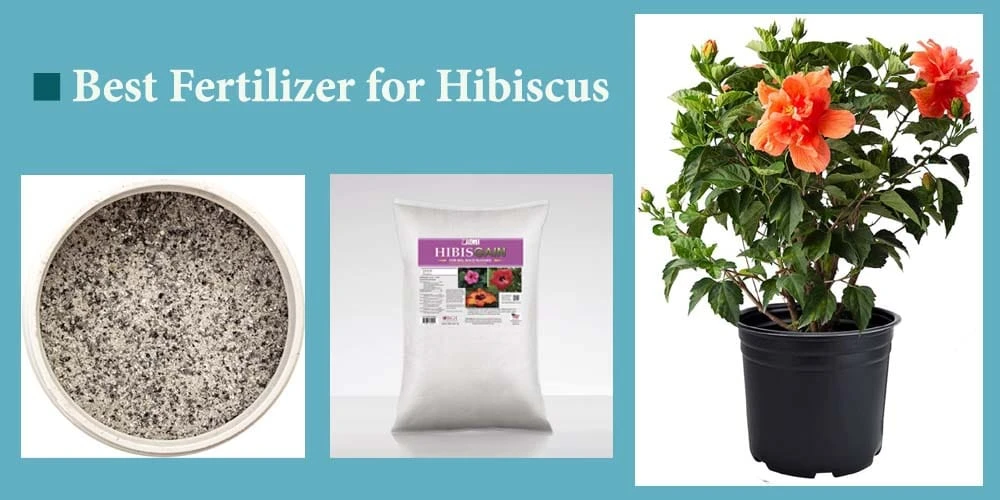
Contents
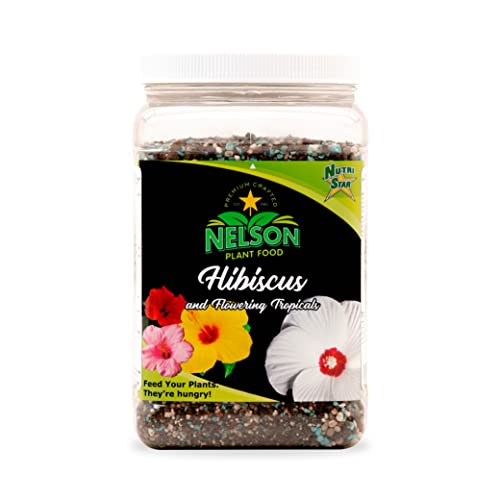




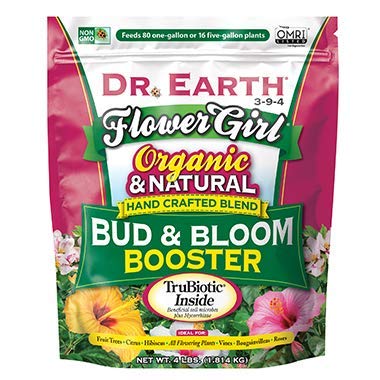
Nelson Plant Food's NutriStar is one of the few fertilizers engineered with hibiscus specifically in mind, and that focus shows. The 10-4-12 NPK ratio is deliberately higher in potassium than nitrogen — exactly what you want when your goal is abundant, vibrant blooms rather than just leafy growth. The slow-release nitrogen formula means you're only applying it once a month, which is a real convenience advantage over weekly liquid feeding schedules. It handles both indoor tropical hibiscus and outdoor garden plants without needing separate products.
What really sets it apart is the micronutrient package. Calcium, iron, and magnesium are included in the formula, and these three nutrients do work that the NPK numbers don't show — iron keeps leaves from yellowing, magnesium supports chlorophyll production, and calcium strengthens cell walls and root development. For hibiscus growers who've struggled with interveinal chlorosis (yellow leaves with green veins), this formula directly addresses that deficiency. One bag goes a long way, and the once-monthly cadence makes it easy to build into your gardening routine.
The only real drawbacks are that it's granular only — you won't get a fast hit of nutrients if your plant is showing acute deficiency — and that it's priced a touch higher than some generic bloom fertilizers. But for a product purpose-built for hibiscus and tropical flowering plants, the value proposition is strong. If you maintain a tropical container garden or grow hibiscus as the centerpiece of your outdoor beds, this should be at the top of your list.
Pros:
Cons:
Dr. Earth's Exotic Blend is the pick for organic gardeners who don't want to compromise on performance. The 5-4-6 NPK formula is 100% organic and non-GMO, with no chicken manure or sewage sludge — concerns that come up more than you'd think when reading organic fertilizer labels. It's designed specifically for tropical and subtropical plants, palms, hibiscus, ferns, and bougainvilleas, so you're getting a formula that understands the nutritional profile these plants actually need.
The handcrafted blend approach Dr. Earth uses means the ingredients are thoughtfully selected rather than mass-produced. Organic fertilizers work differently from synthetics — they feed the soil biology first, and the soil biology feeds your plants. That means you won't see an immediate flush of growth after application, but over a season you tend to see healthier root systems, better drought tolerance, and more consistent flowering. This is particularly valuable for hibiscus grown in in-ground beds where building long-term soil health pays off.
The tradeoff is speed. If your hibiscus is looking stressed and deficient right now, an organic granule won't give you a quick correction the way a water-soluble synthetic can. It's also a smaller package (1 lb) compared to some competitors, which may mean you're buying more frequently for large gardens. But for the organic-minded grower who wants a safe, clean product for use around kids and pets, this is a trustworthy choice.
Pros:
Cons:
Jack's Classic Blossom Booster is a powerhouse if your primary goal is more flowers, more often. The 10-30-20 analysis puts phosphorus front and center — that high 30% middle number is specifically there to promote vigorous flowering. Phosphorus drives root-to-flower energy transfer, and when your hibiscus has plenty of it, you tend to see a noticeable jump in both the number and the intensity of blooms. The water-soluble powder format makes it fast-acting compared to granules, which is a real advantage if your plant is struggling or if you're trying to push it into peak flowering before a specific date.
The flexibility of this product is a genuine strength. You can apply it as a foliar spray directly onto leaves, as a root drench, or run it through a continuous feed irrigation system. That makes it versatile for both container hibiscus and in-ground plants. Powdered concentrates also go further than liquid fertilizers — you're essentially paying for the active nutrients, not water — so a 1.5 lb bag produces a substantial volume of mixed fertilizer solution.
However, the high phosphorus approach is a targeted tool, not an all-season fertilizer. Used exclusively, your plant may end up with a slightly unbalanced nutrient profile over time. It also requires mixing, which is a minor inconvenience compared to just sprinkling granules. Consider rotating this with a more balanced formula or using it as a bloom-season booster rather than your only fertilizer.
Pros:
Cons:
If you want the least possible effort without sacrificing results, Miracle-Gro Shake 'n Feed Rose & Bloom is hard to argue with. A single application feeds your hibiscus for up to three months, which is about as low-maintenance as fertilizing gets. Shake it around the base of your plant, water it in, and you're done for the season. The 4.5 lb bag covers a lot of ground, making it economical for larger plantings or gardeners who maintain multiple beds.
What's interesting about this formula is that despite being a Miracle-Gro product, it leans on natural ingredients — kelp, feather meal, bone meal, and earthworm castings are all in the mix. These feed soil microbes, which in turn break the organic matter down into plant-available nutrients. That combination of conventional fertilizer chemistry with organic soil amendments gives you both the immediate results of a synthetic product and some of the longer-term soil health benefits you'd expect from an organic formula. Miracle-Gro backs this up with a burn-free guarantee when used as directed, which is reassuring if you've ever over-applied a fertilizer and watched your plants suffer for it.
The bloom-focus here is real — this isn't just a general nitrogen-heavy product. The formula targets flowering plants specifically, and hibiscus respond well to it. It won't give you the targeted hibiscus-specific micronutrient support of the Nelson NutriStar, and the three-month release schedule means you can't fine-tune your feeding schedule in the same way. But for a busy gardener who wants reliable, consistent flowering without constant attention, this delivers.
Pros:
Cons:
Jobe's Organics is the OMRI-listed organic option for gardeners who need a larger quantity without spending a lot. The 3-4-3 NPK formula is well-balanced and suitable for hibiscus, roses, hydrangeas, azaleas, and other flowering shrubs — so if you're fertilizing multiple types of plants, one bag covers everything. The 4 lb package gives you enough product to feed a meaningful number of plants over the course of the growing season without constantly restocking.
The OMRI listing for organic gardening (verified by the USDA) means this product has been reviewed and certified as genuinely organic — not just marketed that way. There are no synthetic chemicals, and Jobe's formulates specifically to avoid wasteful runoff, which is a real environmental benefit when your garden sits near a lawn or waterway. This makes it a strong choice for gardeners who prefer to build their soil organically rather than relying on synthetic inputs.
The NPK ratio is more conservative than some competitors. A 3-4-3 is nutritionally balanced, but if your hibiscus is a heavy feeder in peak bloom season, you may need more frequent applications to compensate for the lower concentration. It's also slower-acting than synthetic options. But if you value organic certification, want to feed multiple shrub types with one product, and prefer a budget-friendly price point, Jobe's Organics is a smart buy.
Pros:
Cons:
Espoma's Flower-Tone stands out from the crowd not just for its 100% natural and organic formulation, but for the transparency around how it's made. Espoma manufactures this product at a solar-powered facility — a rare environmental credential in the fertilizer industry. If sustainability matters to you beyond just what goes into your soil, this is the product that aligns with that commitment. The complex blend of all-natural ingredients provides complete, balanced feeding for annuals, perennials, and hanging baskets as well as hibiscus.
The granular format is simple and intuitive. Apply around the base of your plants, scratch into the soil, and water in. Espoma's Bio-tone microorganism blend is included to help activate the nutrients and support soil health over time. This is the same approach you'd find in premium organic fertilizers at significantly higher price points. For gardeners managing ornamental beds with a mix of flowers and shrubs, the broad-spectrum coverage means you're not buying separate products for each plant type.
Being an all-natural formula, Flower-Tone is slower to deliver results than synthetics. You'll notice gradual, sustained improvement rather than a sudden burst of growth. It's also not specifically formulated for hibiscus — if your plant has a known iron or magnesium deficiency, you'll want a product with those micronutrients called out explicitly. But as a reliable, eco-friendly feeding solution for your entire flowering garden, it earns its place on this list. According to University of Minnesota Extension, balanced organic fertilizers like this are particularly effective at supporting sustained flowering in nutrient-sensitive ornamentals.
Pros:
Cons:
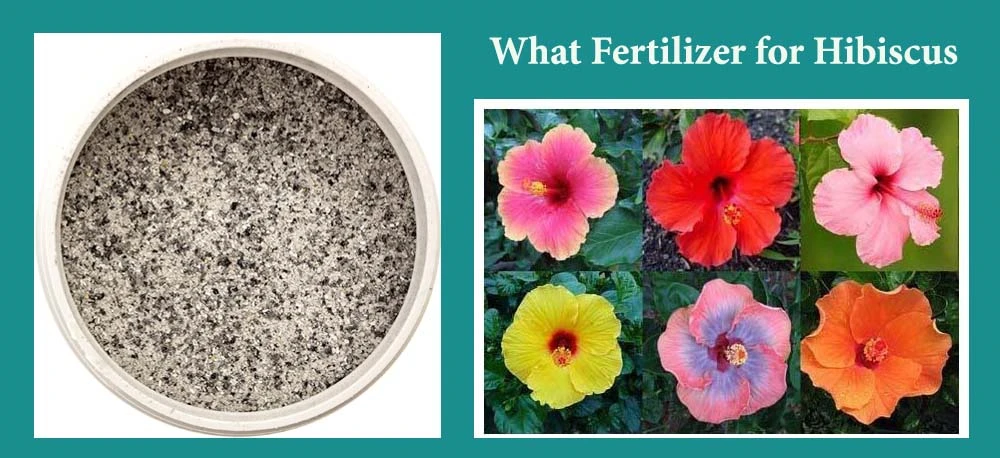
Dr. Earth's Flower Girl is a 4-10-7 organic bloom booster — think of it as the organic answer to Jack's Classic Blossom Booster. The elevated phosphorus in the center number is the same mechanic, designed to push your hibiscus toward more aggressive flower production. What separates it from synthetic phosphorus boosters is that the nutrients are delivered through an organic, soil-building medium that also improves long-term soil structure. No GMOs, no chicken manure, no sewage sludge — the same clean standards Dr. Earth applies across their entire product line.
The 4 lb bag is practical for moderate-sized gardens, and the formula covers a wide range of flowering plants beyond hibiscus — vegetables, bedding plants, potted plants, trees, shrubs, and perennials all fall within its range. For gardeners who want a single organic bloom booster that works across their entire property, Flower Girl makes a compelling case. It's also certified safe for people and pets, which matters if you have kids or animals in the garden.
The organic delivery mechanism means it's slower than a water-soluble synthetic phosphorus booster. If you're looking to trigger a bloom response within days, this won't do it. But for steady, season-long flowering supported by healthy soil biology, the Flower Girl approach is solid. Pair it with a product that addresses micronutrients if your hibiscus shows signs of iron chlorosis. This is also a thoughtful companion product to use alongside fertilizers for other flowering shrubs if you're maintaining a mixed ornamental garden.
Pros:
Cons:
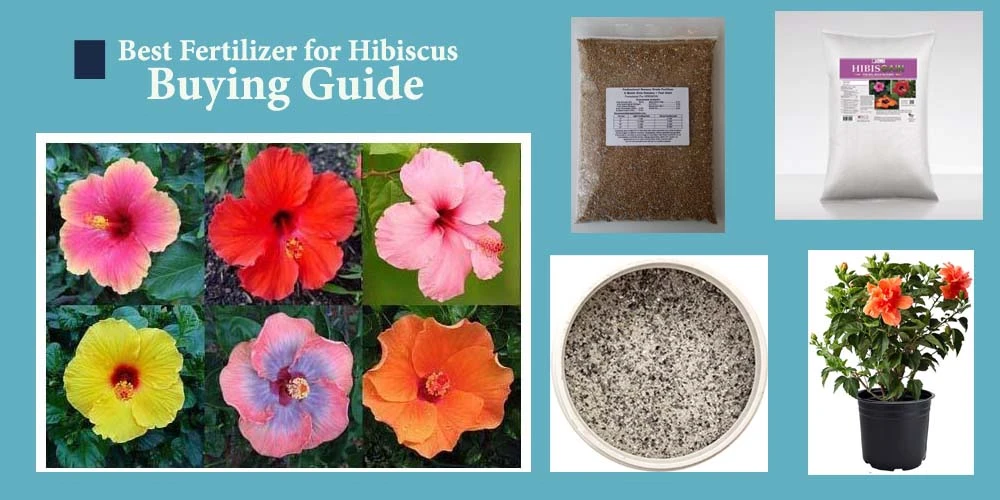
The three numbers on any fertilizer label represent nitrogen (N), phosphorus (P), and potassium (K) — and the balance between them has a direct impact on whether your hibiscus produces flowers or just leaves. Hibiscus respond best to higher potassium relative to nitrogen. Too much nitrogen pushes the plant to produce lush green growth at the expense of flower production. Look for a ratio where the third number (potassium) is at least as high as the first (nitrogen), like the 10-4-12 in Nelson NutriStar or the 4-10-7 in Dr. Earth Flower Girl.
Phosphorus plays a supporting role in flowering — it drives the root-to-flower energy pathway — but going overboard with phosphorus at the expense of other nutrients can create imbalances over time. Use high-phosphorus products like Jack's Classic Blossom Booster strategically during peak bloom season rather than as your year-round formula. For comparison, the same principles that apply to hibiscus NPK management also come up in our guide to the best fertilizers for fruit trees, where fruit production responds similarly to potassium levels.
The choice between organic and synthetic fertilizer is one of values as much as performance. Synthetic fertilizers deliver nutrients quickly and predictably — you'll see results faster, and the NPK ratios are precise. Organic fertilizers work through soil biology: they feed the microbes, which then feed your plant. This is slower, but it builds healthier, more resilient soil over time and reduces the risk of nutrient runoff into waterways.
For hibiscus in containers, synthetic or fast-release fertilizers often make more practical sense because containers have limited soil volume and limited microbial activity. For hibiscus in established garden beds, organic options can provide better long-term results as they improve the soil ecosystem around the root zone. Many experienced growers use both — a slow-release organic as a base feed and a water-soluble synthetic booster during peak flowering.
Slow-release granules are the low-maintenance choice. You apply once and the fertilizer breaks down gradually over weeks or months, feeding your plants continuously without the need for regular mixing and reapplication. Products like Nelson NutriStar and Miracle-Gro Shake 'n Feed operate on monthly or quarterly schedules. These are ideal for gardeners who don't want to manage a precise feeding calendar.
Water-soluble fertilizers like Jack's Classic Blossom Booster offer precision and speed. You mix the powder with water and apply directly — nutrients are available to your plant within hours rather than days. This is your tool of choice when you need to correct a deficiency quickly, when you want to push a container plant into bloom for a specific event, or when you're running a continuous-feed drip irrigation system. The tradeoff is more frequent application and the need to mix before use.
Most hibiscus growers focus on the NPK numbers and overlook micronutrients — which is exactly why so many end up with yellowing leaves despite regular fertilizing. Iron, magnesium, and calcium are the three micronutrients hibiscus need in quantities above what most general-purpose fertilizers supply. Iron deficiency causes interveinal chlorosis — yellow leaves with green veins — which is one of the most common problems with container hibiscus, especially in alkaline soils. Magnesium deficiency produces similar symptoms and is common in plants that have been in the same soil for multiple seasons.
When evaluating fertilizers, check whether iron, magnesium, and calcium are explicitly listed in the guaranteed analysis, not just in the marketing copy. Nelson NutriStar calls these out directly; most general bloom fertilizers don't. If you're using a fertilizer that doesn't include these micronutrients, consider supplementing with a chelated iron product or occasional Epsom salt applications (a source of magnesium) during the growing season.
It depends on the product you're using. Slow-release granular fertilizers like Nelson NutriStar and Miracle-Gro Shake 'n Feed need to be applied once monthly or once every three months respectively. Water-soluble fertilizers are typically applied weekly or biweekly during the growing season. During winter, hibiscus (especially tropical varieties) slow their growth and need little to no fertilization — monthly at most for plants that are still actively growing indoors.
Yellow leaves on a fertilized hibiscus usually point to a micronutrient deficiency rather than a nitrogen problem. Iron chlorosis is the most common culprit — you'll notice the leaves are yellow between the veins while the veins themselves stay green. This is especially common in alkaline soils or when plants have been in the same container for years. Switch to a fertilizer that includes iron and magnesium, or supplement with chelated iron and Epsom salts. Overwatering can also cause yellowing that looks like fertilizer-related stress.
Yes, the nutritional needs of tropical hibiscus (Hibiscus rosa-sinensis) and hardy hibiscus (Hibiscus moscheutos) are similar enough that the same fertilizer products work for both. The key NPK principles — moderate nitrogen, adequate phosphorus, higher potassium — apply to both types. The main difference is timing: tropical hibiscus can be fed year-round if they're kept indoors, while hardy hibiscus should be fertilized primarily during spring through early fall when actively growing.
Absolutely. Over-fertilizing is one of the most common mistakes with hibiscus. Too much nitrogen will push the plant to produce lots of lush green foliage at the expense of flowers — you'll get a beautiful leafy plant that barely blooms. Over-application of any fertilizer can also cause fertilizer burn, which shows up as brown leaf edges or wilting. Always follow label directions and err on the side of less rather than more, especially with slow-release granules where it's easy to accidentally double-dose between applications.
Both work, but they suit different management styles. Liquid or water-soluble fertilizers are generally better for containers because they allow more frequent, controlled feeding in a limited soil volume. Container soil has less microbial activity than garden soil, which reduces the effectiveness of organic slow-release products. If you prefer granules for convenience, choose a product with a shorter release window and supplement with an occasional liquid feed during peak bloom season. Containers also dry out faster, so make sure you're watering consistently — fertilizer can't do its job in dry soil.
For outdoor tropical hibiscus, begin fertilizing in early spring once nighttime temperatures stay consistently above 50°F — typically March to April depending on your climate zone. For hardy hibiscus, start when you see new growth emerging from the ground, usually in late spring. In 2026, gardeners in USDA zones 9–11 can maintain a light feeding schedule year-round for tropical varieties. The key is to align your fertilizing schedule with active growth — you're feeding a plant that's actively growing, not one in dormancy.

There's a right fertilizer for every hibiscus grower in 2026 — it comes down to how hands-on you want to be, whether you prefer organic or synthetic inputs, and what your plant specifically needs right now. Pick the one that fits your garden and your schedule, apply it consistently through the growing season, and your hibiscus will reward you with exactly the kind of vivid, generous flowering that makes them worth growing in the first place.
 |
 |
 |
 |

About Christina Lopez
Christina Lopez grew up in the scenic city of Mountain View, California. For eighteen ascetic years, she refrained from eating meat until she discovered the exquisite delicacy of chicken thighs. Christina is a city finalist competitive pingpong player, an ocean diver, and an ex-pat in England and Japan. Currently, she is a computer science doctoral student. Christina writes late at night; most of her daytime is spent enchanting her magical herb garden.


Get new FREE Gifts. Or latest free growing e-books from our latest works.
Disable Ad block to reveal all the links. Once done, hit a button below
|
|
|
|
 rinjal