You've been scrolling through fish tank options for the past hour, tabs open everywhere, wondering if aquaponics is actually as low-maintenance as everyone claims — or just another gadget that collects dust. That frustration is real, and it's exactly why picking the right kit from the start matters so much. In 2026, the aquaponics market has grown dramatically, giving you more choices than ever, but also more noise to cut through.
Aquaponics combines aquaculture (raising fish) with hydroponics (growing plants in water) into a single closed-loop ecosystem. Fish waste feeds the plants, and the plants filter the water for the fish — a cycle that dramatically reduces the maintenance burden compared to a traditional aquarium. You end up with living décor that actually produces food. Whether you want fresh herbs on your kitchen counter or a self-sustaining garden in your living room, an aquaponic fish tank kit makes it achievable without a degree in horticulture.
If you're already exploring ways to grow more at home, our gardening reviews section covers a wide range of systems and tools. And if you're curious about how water quality affects plant health, check out the benefits of electrolyte water for plants — it's directly relevant to how your aquaponic ecosystem will thrive. Below, we've tested and ranked the top aquaponics fish tank kits available right now, from compact desktop units to large-scale tower systems, so you can make a confident decision without second-guessing yourself.

Contents
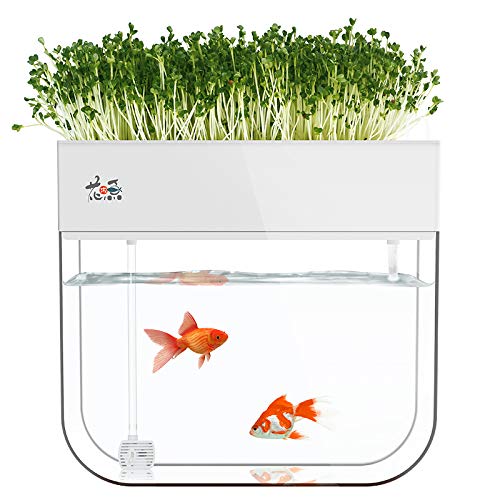




This compact aquaponic fish tank is one of the most accessible entry points into the hobby you'll find anywhere. The setup is straightforward: fish waste rises through the system, delivers nutrients directly to the plant tray above, and the roots filter the water before it returns to the tank. You'll need 50% fewer tank cleanings compared to a conventional aquarium, which is a substantial time savings if you've ever owned a fish tank and know how tedious water changes can be. The seed sprouter tray sits flush on top, giving you a functional growing platform with no awkward workarounds.
What makes this system stand out at its price point is the siphon oxygen supply mechanism. The water level fluctuates in a tidal rhythm, which means your plant roots get regular air exposure — a feature that mimics natural growing conditions far more closely than static hydroponics. The fish benefit too, receiving a passive oxygen boost from the water movement. You don't need air pumps, additional filters, or fertilizer. The system handles it all in one clean cycle. For herbs, sprouts, and small leafy greens, this performs reliably and consistently.
The build quality is functional rather than premium. The plastic feels durable enough for countertop use, and the footprint is small enough to fit on most kitchen windowsills. You're not getting a statement piece of décor here — but you are getting a working aquaponic system at a price that won't make you hesitant to try it for the first time. If this is your introduction to aquaponics, this kit delivers everything you need to understand the ecosystem before you invest in something larger.
Pros:
Cons:
Back to the Roots has built a well-earned reputation for making gardening approachable, and the Water Garden Duo delivers on that promise convincingly. This is a 3-gallon self-cleaning fish tank with a planter on top designed to grow succulents, houseplants, herbs, or microgreens — and it comes complete with everything you need to get started on day one. Seeds, fish food, a water dechlorinator, and even a STEM curriculum are included. If you have kids in the house, this doubles as an excellent science project that teaches real ecological concepts while producing actual food.
The microgreens story is the real selling point for a lot of buyers. Harvest organic microgreens in as little as 10 days from planting — faster than nearly any other growing method available to home gardeners. The fish waste fertilizes the plants continuously, and the plants keep the water clean enough for your fish to thrive in. You're watching a functional closed-loop ecosystem operate on your counter, and the learning curve is genuinely gentle. No green thumb required, no backyard needed, and no experience with either fish or hydroponics is necessary to get this running properly.
At 3 gallons, the tank is appropriately sized for a Betta fish, which is the most common pairing with this kit. The water garden design is clean and modern enough to sit on a kitchen counter or office desk without looking out of place. The included STEM curriculum is a standout bonus — it's not just a glossy flier but actual structured content that makes this one of the most educational aquaponics gifts you can give. Whether you're buying this for yourself or as a present for someone curious about sustainable living, it checks every box for a beginner system.
Pros:
Cons:
If you already own a standard 10-gallon aquarium, the AquaSprouts Garden is the most logical upgrade you can make. This kit fits directly onto your existing tank and transforms it into a fully functional aquaponic ecosystem without requiring you to buy an entirely new setup. The garden tray sits on top, the pump circulates water from the tank up through the grow bed, and gravity returns it in a continuous cycle. Once the system cycles and establishes its bacterial colony, water changes become rare and filter replacements disappear entirely. That's a meaningful reduction in both time and ongoing cost.
The grow bed is generously sized for a 10-gallon base, giving you enough planting space for a real herb garden rather than a token few sprouts. You can grow vegetables, leafy greens, and herbs year-round regardless of outdoor season. The fish provide a constant, natural fertilizer supply, so you're not calibrating nutrient solutions or monitoring pH as obsessively as you would with a standalone hydroponic system. AquaSprouts designed this for home, office, and classroom use, and the sturdy construction supports all three environments without issue.
This is also one of the best self-sustaining systems for people who travel occasionally or simply want to minimize daily maintenance. The established nitrogen cycle does the heavy lifting. You feed the fish, the fish feed the plants, the plants maintain water quality — that loop runs on its own. Pair this with an automatic fish feeder and you have a system that can operate largely unattended for several days. For anyone looking to grow fresh food at home without committing to intensive daily care, this is a genuinely reliable, well-engineered solution that delivers real results.
Pros:
Cons:
The AquaSprouts Fountain takes a different approach from its sibling product. At 8 gallons and finished in a clean charcoal colorway, this is a versatile system that you can configure as a fully aquaponic setup, a pure hydroponic garden, or simply a decorative water garden — your choice. The sound of flowing water is not just an aesthetic bonus; research consistently shows it reduces stress and improves focus, which makes this an excellent choice for a home office or bedroom where you want something living and calming in your space.
Assembly is genuinely straightforward. Everything needed for setup comes in the box, and the instructions are clear enough that most people have the system running within an hour. The flowing water design means oxygenation happens naturally, reducing the need for separate air pumps. The charcoal finish gives it a sleek, modern appearance that holds up well against contemporary home décor without the plastic-toy aesthetic that some competitors carry. At 8 gallons, you have more fish capacity than smaller desktop units, which means you can support a more productive plant canopy above.
The versatility here is a genuine advantage. If you start with aquaponics and later want to experiment with a fish-free hydroponic setup, you simply adjust how you're using the system — you don't buy a new product. The fountain element also keeps the water moving constantly, which improves oxygen levels for both the fish and plant roots simultaneously. If you're looking for something that functions as a statement piece and a productive garden in equal measure, this fountain system delivers that balance better than most alternatives at its price point.
Pros:
Cons:
When compact desktop systems simply aren't enough, this 54-site tower system redefines what's possible in a home or patio growing setup. The two-tier vertical structure packs 54 individual growing sites into just 3.4 square feet of floor space, which means your planting capacity is up to four times greater than a flat garden of equivalent footprint. For balconies, patios, or indoor spaces where horizontal area is at a premium, this is a serious production system — not a hobby toy. It handles leafy vegetables, herbs, and greens at a scale that can meaningfully reduce your grocery bill over a growing season.
The built-in smart timer is one of the standout features here. Set it once and the system automatically circulates nutrient solution for 5 minutes every 30 minutes by default. That schedule prevents pump dry-burning, saves energy, and ensures your plants receive consistent feeding even when you're traveling or busy. You're not manually checking water levels or adjusting nutrient delivery — the system handles it entirely. Pair that with the food-grade PVC-U construction and you have a setup that's built to last and safe for edible crops.
The mobility factor is genuinely useful and often overlooked until you actually own a large system. Heavy-duty 360-degree swivel casters with locking wheels mean you can reposition this tower to chase optimal sunlight throughout the day, then lock it in place once positioned. That single feature can eliminate the need for supplemental grow lighting in many setups, representing a direct energy and cost saving. If you want to grow at scale indoors or on a covered balcony in 2026, this tower system is the most space-efficient option on this list. It also pairs naturally with broader indoor gardening approaches — if you're building out an indoor growing space, you might also want to explore the top 8x8 grow tent options for complementary enclosed cultivation.
Pros:
Cons:
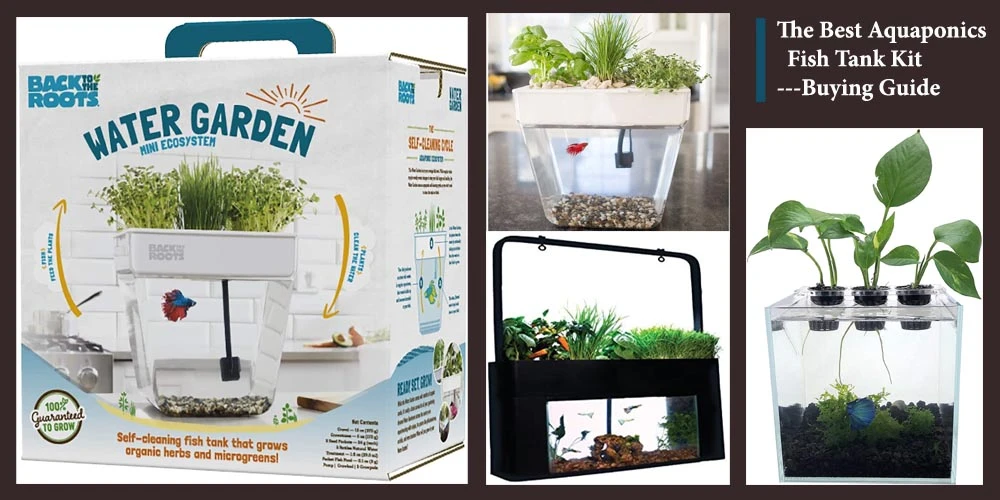
Aquaponics is one of the most rewarding home growing systems you can invest in, but the right kit for your situation depends on several factors that aren't always obvious from a product listing. Understanding how aquaponics works at a fundamental level helps you evaluate these systems accurately. Here's what actually matters when you're making this decision.
The volume of your tank determines which fish you can keep and how many plants you can support. Smaller tanks (3–5 gallons) work best with a single Betta fish, while 8–10 gallon systems open the door to goldfish, small tropical fish, or even a small community tank. The fish population directly controls the nutrient output available for your plants — more fish means more fertilizer, which means greater plant productivity. Don't undersize your tank relative to your plant ambitions, and don't overstock fish in a tank too small to maintain stable water chemistry. For beginners, erring on the side of fewer fish in a larger tank produces more consistent, frustration-free results.
Every aquaponic kit places different constraints on what you can grow. Desktop systems with small trays are ideal for microgreens, herbs like basil and mint, and sprouts — plants with shallow root systems and fast growth cycles. Larger systems with deep grow beds can support tomatoes, peppers, lettuce, and kale. If you're growing herbs specifically, basil is one of the most productive choices for aquaponic systems — it thrives in the warm, humid conditions above a fish tank and grows quickly enough to provide regular harvests. Consider what you actually want to produce before selecting a system, and match the grow bed depth to those plants' root requirements.
Every aquaponic system requires an initial cycling period of 4–6 weeks before it's truly self-sustaining. During this period, beneficial bacteria colonize the grow media and establish the nitrogen cycle that converts fish waste into plant-available nutrients. This cycling phase is non-negotiable — skipping or rushing it leads to ammonia spikes that kill fish. After cycling, well-designed systems require very little maintenance: periodic top-offs of evaporated water, regular fish feeding, and occasional grow media rinsing. Systems with integrated timers, auto-siphons, and passive aeration dramatically reduce the hands-on time required once established.
Where you're placing your system should heavily influence your choice. A desktop fountain system belongs on a counter or desk where it functions as décor and a conversation piece. A vertical tower system with 54 plant sites belongs on a patio or in a dedicated indoor growing space. Think honestly about how much floor or counter space you can commit, whether the system's appearance fits your home's aesthetic, and whether your long-term goal is decorative, productive, or both. If you want indoor plants that clean your air while you grow food, pair your aquaponic setup with our roundup of the top air purifying indoor plants — many of which thrive in the humid microclimate that a fish tank creates nearby. Invest in a system sized for where you want to be in a year, not just where you're starting today.

Betta fish are the most popular choice for small desktop systems (3–5 gallons) because they're hardy, visually striking, and tolerate the water conditions created by aquaponics well. For larger systems (10+ gallons), goldfish are a reliable option because they produce abundant waste that efficiently fertilizes plants, and they're forgiving of minor water chemistry fluctuations. Tilapia are the traditional aquaponic fish for large-scale setups, but they require more space than most home kits provide. Avoid fish with extremely specific water temperature or pH requirements until you're comfortable managing your system's chemistry.
Most aquaponic systems take 4–6 weeks to complete the initial nitrogen cycle, which is the process by which beneficial bacteria colonize your grow media and establish the biological filter. During this time, you'll monitor ammonia, nitrite, and nitrate levels using a basic test kit. Once nitrates are consistently present and ammonia and nitrite have dropped to zero, your system has cycled and is operating as a self-sustaining ecosystem. After that point, water changes become rare and the daily maintenance requirement drops dramatically — typically to just feeding your fish once or twice per day.
Yes, but the type of vegetables you can grow depends heavily on your system's size and grow bed depth. Compact desktop kits are best suited for microgreens, herbs, sprouts, and small leafy plants like lettuce. Larger systems with deeper grow beds — typically 10 gallons or more — can support tomatoes, cucumbers, kale, Swiss chard, and peppers. In 2026, most commercial kits are designed with herbs and leafy greens as the primary targets because they grow quickly, produce well in the available nutrient concentrations, and don't require the deep root space that fruiting vegetables demand.
One of the biggest advantages of aquaponics over conventional aquariums is that water changes become rare once the system is established. In a properly cycled and balanced system, plants consume the nutrients that would otherwise accumulate as harmful nitrates, keeping water quality stable. Most home aquaponic systems only require top-offs to replace water lost to evaporation and plant transpiration, rather than full or partial water changes. If you notice ammonia spikes, unusual algae growth, or fish showing signs of stress, a partial water change (20–25%) is appropriate, but routine weekly changes are generally not necessary in a healthy aquaponic ecosystem.
Plants in an aquaponic system need light to photosynthesize just like any other growing method. For systems placed near a south- or west-facing window, natural light is often sufficient for herbs and leafy greens during the summer months. In winter, or for systems placed away from windows, a supplemental LED grow light is essential. Look for full-spectrum LEDs designed for plant growth, positioned 4–8 inches above your plant canopy and running on a 14–16 hour daily cycle. Fish benefit from a consistent light-dark cycle too, so a timer-controlled light serves both the plants and the fish simultaneously.
Most home aquaponic kits are designed with household safety in mind. The grow media (typically expanded clay pebbles) is non-toxic, and the water circulating through the system contains only natural fish waste nutrients — no synthetic fertilizers or pesticides. The plants you harvest are genuinely organic by default. That said, electrical components (pumps, grow lights) should be kept out of reach of young children, and tank openings should be covered if you have cats that might disturb the fish. Always supervise small children around any open water, regardless of tank size.
Whether you're drawn to aquaponics for the fresh herbs, the living décor, the educational value, or simply the appeal of a self-sustaining ecosystem on your counter, there's a kit on this list that fits your space, budget, and ambitions in 2026. Pick the system that matches where you are today, set it up properly, let it cycle, and you'll have a low-maintenance growing ecosystem that rewards you consistently for years.
 |
 |
 |
 |

About Truman Perkins
Truman Perkins is a Detroit-based SEO consultant who's been in the business for over a decade. He got his start helping friends and clients get their websites off the ground, and he continues to do so today. In his free time, Truman enjoys learning and writing about gardening - something he believes is a natural stress reliever. He lives with his wife, Jenny, and their twins in Detroit.


Get new FREE Gifts. Or latest free growing e-books from our latest works.
Disable Ad block to reveal all the links. Once done, hit a button below
|
|
|
|
 rinjal