You can keep chipmunks out of your garden by combining physical barriers, natural repellents, and habitat modification. These small stripers are persistent, but they're predictable — and that works in your favor. If you've been watching chipmunks dig up bulbs and munch through your vegetable patch, you already know how frustrating they are. Learning how to keep chipmunks out of garden beds doesn't require expensive exterminators or harmful chemicals. It just takes the right strategy. If you're also dealing with other wildlife, check out our guide on how to keep animals out of your garden without a fence.
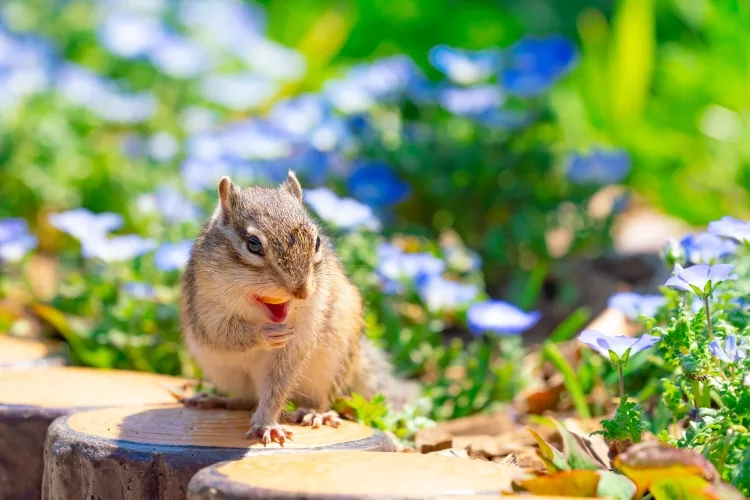
Chipmunks are part of the squirrel family (Sciuridae) and are found across most of North America. They're attracted to gardens because of easy food sources — seeds, bulbs, berries, and even young plant roots. A single chipmunk can dig extensive tunnel systems that damage root structures and undermine garden beds.
The good news? You don't need to wage war. A few targeted changes to your garden setup will make chipmunks lose interest and move on. Below, you'll find a complete breakdown of methods that actually work, the tools you'll need, and the mistakes to avoid.
Contents
When figuring out how to keep chipmunks out of garden spaces, start with the basics. Chipmunks follow routines. They use the same paths, the same entry points, and target the same types of plants. Break those patterns and you break their habit of visiting your beds.
Hardware cloth is your best friend here. Lay ¼-inch hardware cloth over freshly planted bulbs and along the base of raised beds. Chipmunks can squeeze through surprisingly small gaps, so standard chicken wire won't cut it. If you're building new beds, our guide on how deep a raised garden bed should be covers how to line the bottom with hardware cloth during construction.
For individual plants, use mesh cloches or plant cages. Push them at least two inches into the soil so chipmunks can't burrow underneath. Around the perimeter of your garden, consider an L-shaped mesh barrier — bury it six inches deep with six inches bent outward underground to block tunneling.
Chipmunks hate strong smells. Peppermint oil, cayenne pepper, and garlic spray are all effective deterrents. Mix two tablespoons of cayenne pepper with a quart of water and a drop of dish soap, then spray it directly on vulnerable plants. Reapply after rain.
Pro tip: Plant mint around your garden borders as a living repellent barrier. Chipmunks avoid it, and you get a useful herb. Learn more about growing mint in containers to keep it from spreading aggressively.
Blood meal sprinkled around beds serves double duty — it repels chipmunks with its scent while adding nitrogen to your soil. Predator urine granules (fox or coyote) placed near entry points also work well, though they need refreshing every two weeks.
Having the right supplies on hand makes chipmunk prevention straightforward. You don't need to buy everything at once — start with physical barriers and add repellents as needed. Browse our gardening reviews for in-depth product recommendations.
| Method | Cost | Effectiveness | Reapplication | Best For |
|---|---|---|---|---|
| ¼" Hardware Cloth | $15–30 | High | None (permanent) | Raised beds, bulb protection |
| Cayenne Pepper Spray | $3–5 | Medium | After every rain | Vegetable gardens |
| Peppermint Oil Soaked Cotton | $8–12 | Medium | Weekly | Garden borders, entry points |
| Predator Urine Granules | $15–25 | High | Every 2 weeks | Perimeter deterrent |
| Ultrasonic Repellers | $20–40 | Low–Medium | None (battery/solar) | Open garden areas |
| Motion-Activated Sprinklers | $30–60 | High | None (seasonal) | Large gardens |
| L-Shaped Mesh Barrier | $25–50 | Very High | None (permanent) | Full garden perimeter |
Not every chipmunk problem needs an elaborate solution. Your approach should match the severity of the issue.
If you've just spotted your first chipmunk, start simple. Sprinkle cayenne pepper around affected plants. Remove bird feeders or switch to chipmunk-proof models with weight-activated perches. Clear away rock piles, wood stacks, and dense ground cover near your garden — these are prime chipmunk nesting spots.
Keep fallen fruit and seed heads cleaned up. A tidy garden is a chipmunk-resistant garden. These rodents are opportunistic, and removing easy food sources often solves minor problems on its own. If you're dealing with other pests too, our article on getting rid of harmful garden pests covers broader strategies.
For serious infestations, you'll need to layer multiple methods. Combine hardware cloth barriers with a motion-activated sprinkler system. Add predator urine around the perimeter and plant strong-smelling herbs like garlic, lavender, and daffodils (which chipmunks won't eat) throughout your beds.
Warning: Never use mothballs as a chipmunk repellent. They contain naphthalene, which is toxic to pets, children, and beneficial garden organisms. Stick with food-safe repellents.
Consider installing an underground barrier system if chipmunks keep tunneling in. This involves burying hardware cloth in a continuous trench around your entire garden — labor-intensive but nearly foolproof for long-term control.
Theory is one thing. Here's what experienced gardeners consistently report as their most effective approaches for how to keep chipmunks out of garden areas for good.
Removing chipmunk-friendly habitat is the single most impactful thing you can do. Chipmunks need cover within about 15 feet of their food source. Clear stone walls, brush piles, and dense shrubs near your garden, and chipmunks will naturally relocate to areas that feel safer.
Gravel borders work surprisingly well. A two-foot strip of pea gravel around your garden creates an exposed zone chipmunks don't like crossing. They prefer soft soil for quick burrowing escapes, and gravel denies them that option. This same approach helps with keeping bunnies out of your garden too.
Some gardeners plant a "sacrifice garden" — a small patch of sunflower seeds or cheap bulbs placed far from the main garden. This redirects chipmunk activity away from your valuable plants. It sounds counterintuitive, but it works because chipmunks will always choose the easiest food source.
Plenty of popular chipmunk advice floating around the internet does more harm than good. Here are the mistakes that waste your time or make the problem worse.
Using only one method. Chipmunks adapt quickly. If you rely solely on cayenne spray, they'll learn to tolerate it or find routes around treated areas. Always combine at least two different deterrent types — a physical barrier plus a repellent, for example.
Relocating trapped chipmunks. Most relocated chipmunks don't survive, and removing one simply opens territory for others to move in. Focus on making your garden uninviting rather than removing individual animals.
Ignoring burrow entrances. If you spot a two-inch diameter hole near your garden, that's a chipmunk tunnel. Leaving it open is an invitation. Fill burrow entrances with gravel and pack it tight. Don't use soil — they'll just dig it right back out. Many of the same entry-point strategies apply when dealing with ant infestations in the garden.
Over-relying on ultrasonic devices. These produce mixed results at best. Chipmunks can habituate to the sound within days. Use them as a supplement, never as your primary defense.
Chipmunk prevention isn't a one-time task. These critters are most active from early spring through late fall, and your maintenance routine should match their activity cycle.
In early spring, inspect all barriers for winter damage. Hardware cloth can shift during freeze-thaw cycles, creating gaps. Check mesh connections, reinforce any sagging sections, and reapply granular repellents before chipmunks emerge from hibernation.
Timing matters: Start your prevention routine before you see the first chipmunk. By mid-March in most zones, chipmunks are already scouting food sources. Getting barriers in place early is far easier than evicting established visitors.
During peak summer, refresh liquid repellents every seven to ten days, or more often after heavy rain. Keep an eye on bird feeders — even "squirrel-proof" models scatter seeds that attract chipmunks. A catch tray beneath the feeder helps enormously.
In fall, this is your most important season for prevention. Chipmunks are caching food for winter and will be especially aggressive about raiding gardens. Plant spring bulbs under hardware cloth, clean up all fallen produce, and consider adding a fresh round of predator urine granules around your perimeter. Growing shade-tolerant herbs like those on our list of herbs that grow in low light along borders can provide year-round aromatic deterrence.
Chipmunks strongly dislike peppermint oil, cayenne pepper, garlic, and predator urine. Peppermint oil is the most popular choice among gardeners because it's pleasant for humans and highly effective when applied to cotton balls or mixed into a spray.
Coffee grounds offer a mild deterrent but aren't reliable as a standalone solution. They lose their scent quickly and need constant reapplication. Use them as a supplement to stronger methods like hardware cloth barriers or predator urine.
Yes. Chipmunks dig extensive tunnel systems that can sever plant roots, undermine soil stability, and cause plants to wilt or die. They also eat bulbs, seeds, and young root vegetables directly.
Chipmunks are diurnal, meaning they're active during the day and sleep at night. They're most active in early morning and late afternoon. If you're seeing garden damage at night, you likely have a different pest such as voles or raccoons.
Chipmunk burrows typically extend two to three feet underground and can stretch up to 30 feet in length. This is why surface-level deterrents alone aren't enough — underground barriers buried at least six inches deep are important for full protection.
Cats can reduce chipmunk activity, but they aren't a reliable or humane control method. Outdoor cats also pose risks to birds and other beneficial wildlife. Physical barriers and repellents are more consistent and environmentally responsible solutions.
Standard chicken wire has openings large enough for chipmunks to squeeze through. Always use ¼-inch hardware cloth instead. It costs slightly more but provides a genuine barrier that chipmunks cannot penetrate.
Chipmunks leave small two-inch burrow holes with no dirt mound around them — they carry excavated soil away in their cheek pouches. Squirrels dig shallow, messy holes and don't create tunnel systems. Chipmunks are also much smaller, with distinctive stripes running down their backs.
Now that you know how to keep chipmunks out of garden beds, pick two or three methods from this guide and put them in place this week. Start with hardware cloth on your most vulnerable areas, add a natural repellent, and clean up any habitat that's giving chipmunks easy cover. Layered defenses work — and once your garden stops being an easy target, those chipmunks will find somewhere else to dig.
 |
 |
 |
 |

About Truman Perkins
Truman Perkins is a Detroit-based SEO consultant who's been in the business for over a decade. He got his start helping friends and clients get their websites off the ground, and he continues to do so today. In his free time, Truman enjoys learning and writing about gardening - something he believes is a natural stress reliever. He lives with his wife, Jenny, and their twins in Detroit.


Get new FREE Gifts. Or latest free growing e-books from our latest works.
Disable Ad block to reveal all the links. Once done, hit a button below
|
|
|
|
 rinjal