Last season, a friend who tends both a kitchen herb garden and a small backyard agave collection spent an afternoon second-guessing a batch of homemade granola — unsure whether swapping granulated sugar for the bottle of agave syrup on the pantry shelf would ruin the texture or quietly improve it. That kind of hands-on uncertainty is far more common than most recipe blogs acknowledge. The debate over agave nectar vs granulated sugar comes up regularly among home growers, plant-based cooks, and gardeners who source ingredients from their own plant and herb gardens. Both sweeten effectively, but they behave differently in recipes, in the body, and under varying temperature conditions.
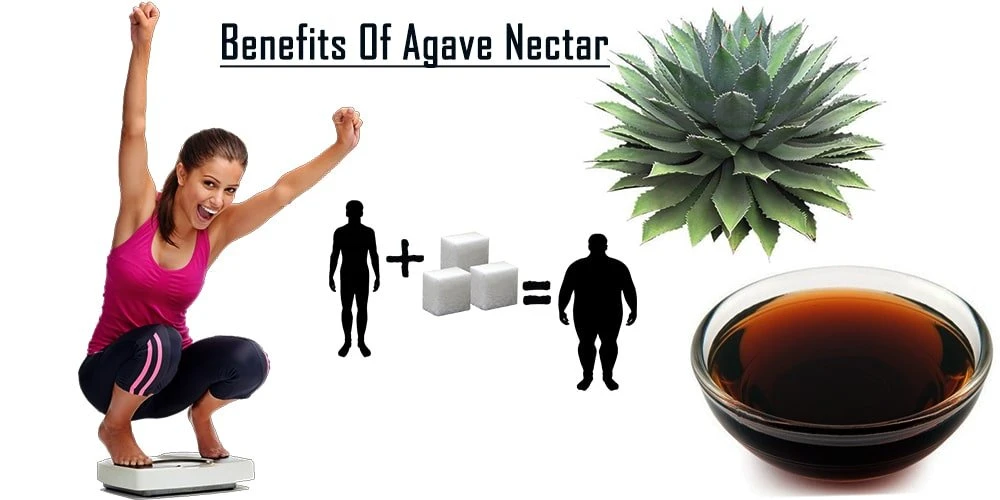
Agave nectar has attracted significant attention among plant enthusiasts and cooks who prefer ingredients with a clear botanical origin. Granulated sugar, by contrast, remains the most reliable and predictable sweetener in most kitchens — consistent, affordable, and well understood across centuries of cooking tradition. This guide presents a balanced side-by-side comparison, covering production, nutritional profiles, substitution mechanics, and practical applications without advocating for either option.
Those interested in the biology, appearance, and care requirements of agave plants will find that understanding the plant's growth cycle adds meaningful context to where the nectar actually originates — a process that begins long before any sweetener reaches the grocery aisle. Gardeners often approach this comparison with a different perspective than consumers who simply purchase both products at a supermarket.
Contents
Agave nectar — also sold as agave syrup — is derived primarily from blue agave (Agave tequilana) and several related species native to Mexico and Central America. The production process is more involved than most consumers realize:
According to Wikipedia's overview of agave syrup, the unusually high fructose content is the defining chemical characteristic that separates agave from ordinary table sugar. Processing intensity directly shapes the final product's flavor, sweetness intensity, and nutritional behavior — a detail that matters when choosing between light, amber, and raw varieties.
Granulated sugar is sucrose — a disaccharide made of equal parts glucose and fructose — extracted from either sugarcane (Saccharum officinarum) or sugar beets (Beta vulgaris). The production path differs from agave at almost every step:
Unlike agave's "free" fructose, sucrose must be split by digestive enzymes before the body can absorb its components — a distinction with real implications for how quickly each sweetener affects blood glucose and triggers an insulin response.
The table below captures the most practically relevant properties for anyone comparing these two sweeteners side by side:
| Property | Agave Nectar (1 tbsp) | Granulated Sugar (1 tbsp) |
|---|---|---|
| Calories | ~60 | ~48 |
| Total Carbohydrates | ~16g | ~13g |
| Fructose Content | 70–90% | ~50% |
| Glycemic Index (approx.) | 15–30 | ~65 |
| Relative Sweetness | 1.25–1.5× sugar | Baseline (1×) |
| Dissolves in Cold Liquid | Yes, readily | Partially / slowly |
| Mineral Content | Trace amounts | Minimal (refined) |
| Shelf Life | 1–2 years (sealed) | Indefinite (dry storage) |
Agave is noticeably sweeter by volume — a meaningful practical point, since using less of it to achieve the same sweetness can partially offset its higher calorie count per tablespoon. This ratio is frequently overlooked in simple calorie comparisons.
One of the most cited distinctions in the agave nectar vs granulated sugar comparison involves the glycemic index. Granulated sugar carries a GI of approximately 65, triggering a relatively brisk blood glucose rise. Agave nectar's GI falls between 15 and 30, largely because fructose — its dominant sugar — is metabolized primarily by the liver rather than triggering a direct insulin response.
Important perspective: A lower glycemic index does not equal unlimited consumption — high fructose intake from any source carries its own metabolic trade-offs, and individuals managing blood sugar conditions should consult a healthcare provider before making substitutions.
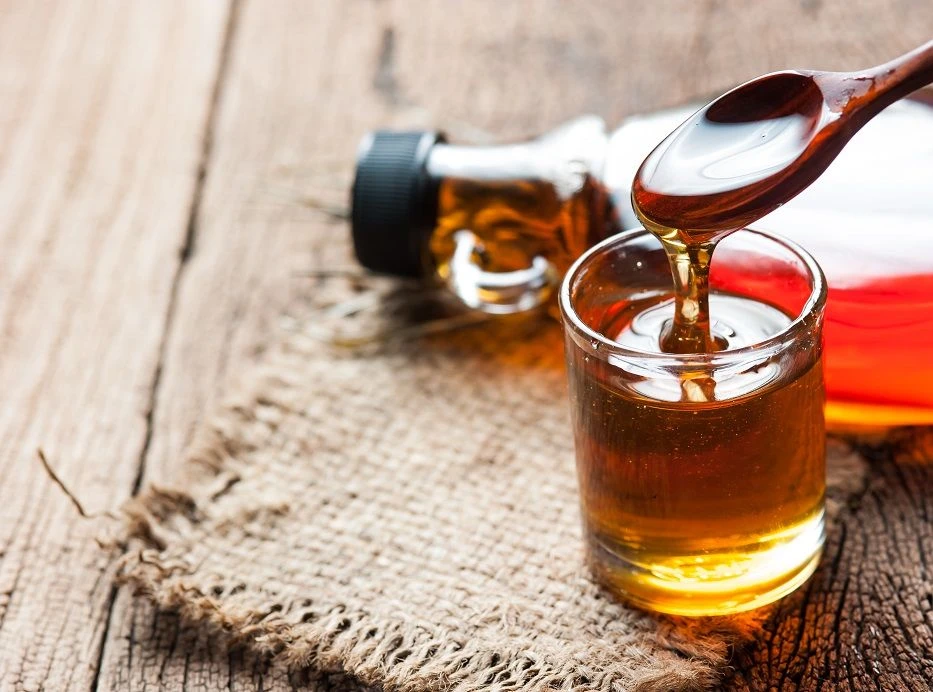
Switching from granulated sugar to agave nectar is not a 1:1 replacement. Several adjustments are required to maintain the intended texture, color, and sweetness level of a recipe:
These are not optional refinements. Skipping even one — particularly the liquid reduction or temperature adjustment — produces results that diverge noticeably from the intended recipe outcome.
Different cooking contexts favor different approaches to the agave-for-sugar swap:
When baking with agave for the first time, test on a small batch before committing to a full recipe — the faster browning effect consistently catches even experienced bakers off guard on the first attempt.
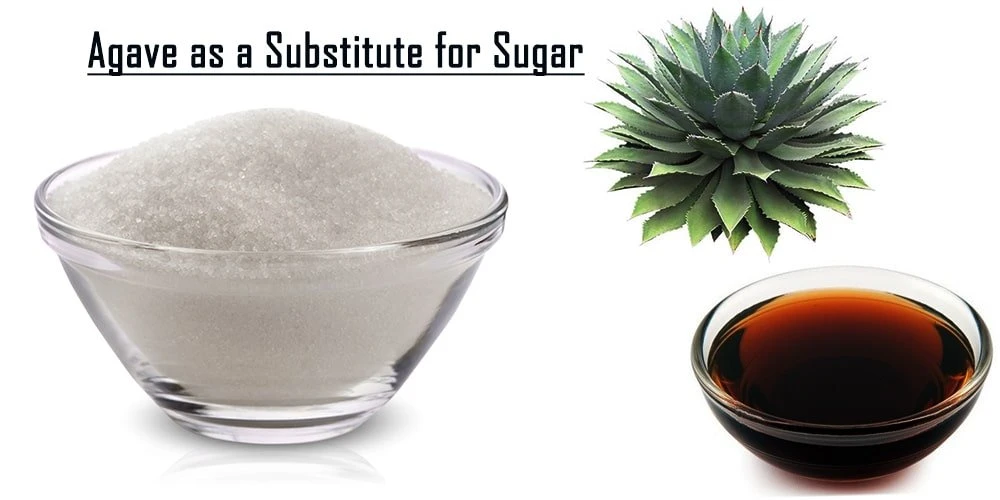
Gardeners who grow culinary herbs and edible plants regularly encounter the agave nectar vs granulated sugar question when building recipes from fresh-harvested ingredients. Agave's liquid consistency and mild floral sweetness make it a natural fit in certain plant-forward preparations:
Granulated sugar's indefinite shelf life and highly predictable performance under heat keep it indispensable in high-output kitchen settings. The practical takeaway is not that one replaces the other, but that each occupies distinct territory within the same kitchen.
Gardeners cultivating agave plants — whether for ornamental appeal, fiber, or culinary interest — should approach the topic of home nectar production with realistic expectations:
One of the most persistent misconceptions surrounding agave nectar involves its marketing presentation:
The failure points when substituting agave for granulated sugar in baking are consistent enough to treat as a troubleshooting checklist:
Neither sweetener is definitively healthier in all contexts. Agave nectar has a significantly lower glycemic index due to its high fructose content, but that same fructose load can burden the liver when consumed in large quantities. Granulated sugar has a higher GI but delivers a more balanced glucose-to-fructose ratio per gram. The better choice depends on the individual's health profile, the quantity consumed, and the specific dietary goal being addressed.
No. Agave nectar cannot replace granulated sugar in recipes that rely on sucrose's crystalline structure — meringues, hard candies, brittle, caramel, and certain crispy cookies require dry sugar. For moist cakes, chewy cookies, sauces, marinades, and cold beverages, agave is a viable substitute provided the correct volume, liquid, and temperature adjustments are made.
Agave nectar has a low glycemic index (approximately 15–30) and does not typically produce sharp blood glucose spikes because fructose — its dominant sugar — is processed by the liver rather than triggering a direct insulin response. However, high fructose intake over time is associated with other metabolic concerns including elevated triglycerides and reduced satiety signaling, meaning the low GI alone does not make agave freely safe for all consumers.
Agave nectar contains slightly more calories per tablespoon (approximately 60) than granulated sugar (approximately 48). In practice, however, agave is 1.25 to 1.5 times sweeter than sugar by volume, so less is needed to achieve the same perceived sweetness — which can partially or fully offset the calorie difference depending on the application.
The standard conversion is ¾ cup of agave nectar for every 1 cup of granulated sugar. Alongside this ratio, other liquid ingredients should be reduced by ¼ cup, the oven temperature should be lowered by 25°F to prevent premature browning, and a small pinch of baking soda can be added to neutralize agave's mild natural acidity. All three adjustments work together — skipping any one of them affects the final result.
Agave nectar's low glycemic index makes it a frequently discussed option for people managing blood sugar, but it should not be used without professional guidance or in unrestricted quantities. Its high fructose content can contribute to elevated triglycerides and other metabolic concerns over time, and the low GI does not eliminate the caloric or carbohydrate load. Any dietary substitutions for blood sugar management should be discussed with a qualified healthcare provider.
The agave nectar vs granulated sugar comparison does not produce a clear universal winner — it produces a clearer understanding of when each sweetener earns its place. Both have legitimate uses, distinct strengths, and real limitations that become obvious only through hands-on experimentation. The most useful next step is a simple one: pick a single application — a cold herb syrup, a salad dressing, or a small batch of moist cookies — and run a direct side-by-side test with both sweeteners. Real results from a real kitchen tell more than any chart or conversion table ever can.
 |
 |
 |
 |

About Truman Perkins
Truman Perkins is a Detroit-based SEO consultant who's been in the business for over a decade. He got his start helping friends and clients get their websites off the ground, and he continues to do so today. In his free time, Truman enjoys learning and writing about gardening - something he believes is a natural stress reliever. He lives with his wife, Jenny, and their twins in Detroit.


Get new FREE Gifts. Or latest free growing e-books from our latest works.
Disable Ad block to reveal all the links. Once done, hit a button below
|
|
|
|
 rinjal