The best plants for bottle gardens in India are compact, humidity-tolerant species that stay manageable inside glass containers — and the ten covered in this guide deliver consistent results across India's varied climate zones, from humid coastal cities to drier inland regions. If you're building or expanding your indoor plant collection, bottle gardens are one of the most space-efficient and visually rewarding growing formats available to you.

A bottle garden — technically a terrarium when fully enclosed — creates its own miniature water cycle, which dramatically reduces the watering effort once the system stabilises. Choosing the wrong plants breaks that cycle immediately: fast-growing, moisture-sensitive, or large-rooted species will either rot, overgrow, or refuse to adapt to the confined, high-humidity environment inside the glass. Every plant on this list is selected specifically because it tolerates — and often thrives in — exactly those conditions.
You don't need a greenhouse, expensive tools, or rare specimens to get started. Every plant here is widely available at Indian nurseries and online marketplaces, most for under ₹200 per specimen. What matters far more than cost is understanding which conditions each plant needs and how to replicate those inside a glass bottle — and that's what this guide covers in full.
Contents
Not every houseplant belongs inside a glass bottle. The best plants for bottle gardens share three characteristics: slow growth rates, high tolerance for ambient humidity, and root systems compact enough to live indefinitely in a confined space. India's warm, often-humid climate means that tropical species already pre-adapted to moisture-rich environments perform exceptionally well, while desert-adapted plants and vigorous spreaders create problems fast.
Here are the ten plants this guide recommends, each one a proven performer across Indian bottle garden setups:
Some plants are genuinely incompatible with bottle garden conditions, regardless of how carefully you tend them. Avoid these:
| Plant | Bottle Type | Light Requirement | Watering Frequency | Humidity Tolerance |
|---|---|---|---|---|
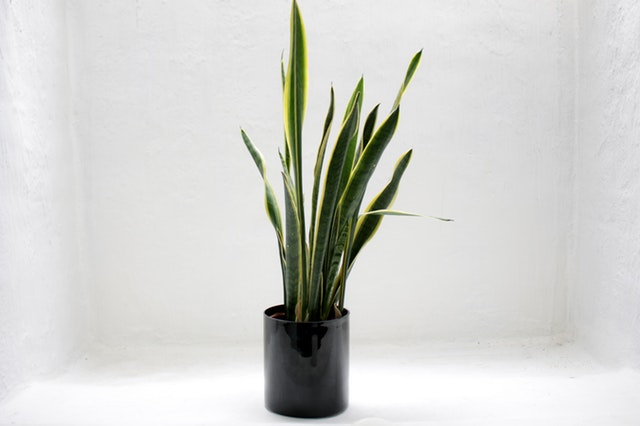
| Snake Plant | Closed or Open | Low to indirect | Every 3–4 weeks | High |
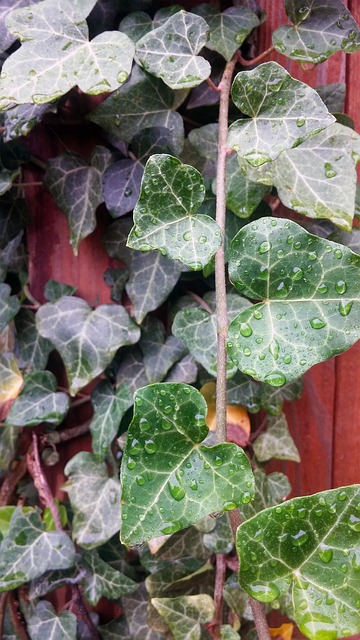
| English Ivy | Closed | Indirect | Every 2 weeks | High |
| Money Plant | Closed or Open | Low to bright indirect | Every 1–2 weeks | Very High |
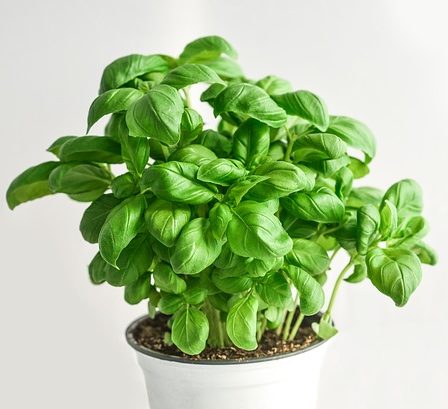
| Basil | Open | Bright indirect | Every 3–4 days | Medium |
| Jade Plant | Open | Bright indirect to full sun | Every 2–3 weeks | Low |
| String of Pearls | Open | Bright indirect | Every 2–3 weeks | Low |
| Nerve Plant | Closed | Low to indirect | Every 1–2 weeks | Very High |
| Miniature Ferns | Closed | Indirect | Every 1–2 weeks | Very High |
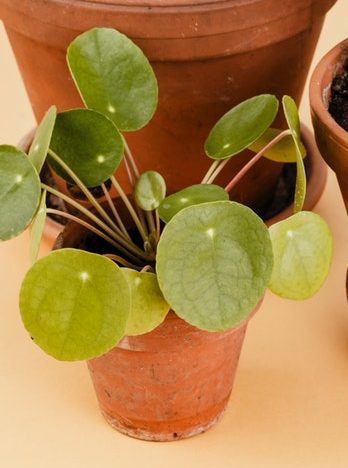
| Peperomia | Closed or Open | Low to bright indirect | Every 1–2 weeks | High |
| Moss | Closed | Low to indirect | Rarely (self-regulating) | Very High |
Even well-chosen plants run into problems when conditions inside the bottle shift. These are the two most common failure points, and both are fully recoverable if you catch them early.
Overwatering is the leading cause of failure in bottle gardens, and the symptoms follow a predictable sequence: yellowing leaves appear first, followed by a sulphur-like odour from the soil, and finally soft, dark roots when you remove the plant for inspection. Here is the recovery process:
For long-term prevention, use the right growing medium from the start. This guide on preparing potting soil at home in India explains how to build a well-draining mix using coarse sand and perlite — that combination drains far more effectively than standard garden soil and dramatically reduces root rot risk in enclosed containers.
White fuzzy mould on the soil surface and green algae coating the inside walls of the glass are both signals that your bottle is retaining too much moisture or receiving too much direct light. Here is how to address each issue:
If your plants develop unusual lesions, yellowed patches, or powdery coatings beyond simple mould, cross-reference your observations with this overview of common plant diseases and organic treatment methods — the fungal and bacterial categories apply directly to most bottle garden species.
These aren't beginner-level suggestions — they're the practical techniques that separate a bottle garden that thrives for years from one that deteriorates within a few months despite having the right plants.
The bottle itself determines how easy your garden is to maintain and which plants fit comfortably inside:
The layering sequence matters more than the quality of any individual component. Build your bottle from bottom to top in exactly this order to ensure drainage, aeration, and nutrient retention work together:
If you're working with succulents — Jade Plant, String of Pearls, or Peperomia — read this guide on caring for succulents in India's climate before you mix the growing medium, because succulent-friendly mixes use a much higher proportion of sand and grit to prevent moisture retention at root level.
The two most impactful decisions you make after selecting your plants are where you place the bottle and how you combine species inside it. Both errors are harder to fix after planting than before, so plan these carefully upfront.
Direct sunlight through glass behaves like a magnifying lens and will scorch your plants' foliage within a few hours of exposure. The correct approach protects your plants from this while still delivering sufficient photosynthetic light:
The single most common planting mistake is mixing species with incompatible moisture requirements inside one container. Succulents and ferns cannot coexist in the same humidity environment — one will always suffer at the expense of the other. Use these groupings instead:
If you enjoy designing compact plant systems for small spaces, the spatial planning principles from this guide on starting a terrace garden in a limited urban area translate directly to bottle garden design — particularly the advice on light mapping and plant density.

Once your bottle garden is established and the plants have settled — usually within four to six weeks of planting — the maintenance workload drops dramatically. These are the two ongoing care tasks that matter most for keeping the system stable long-term.
The self-regulating nature of a sealed bottle garden means that consistent condensation on the inside of the glass walls tells you the system has enough moisture. Your schedule varies depending on whether you're running a sealed or open setup:
Bottle garden plants are intentionally slow-growing by selection, which means they require far less feeding than open-soil houseplants. Overfeeding is a genuine mistake in this context because it triggers rapid growth that forces plants out of the bottle prematurely, defeating the entire purpose of the format.
Beyond basic care, it's worth understanding the broader benefits your chosen plants bring to your indoor environment. Several species on this list — Snake Plant and Money Plant prominently among them — are documented air purifiers with research supporting their effectiveness, which you can explore in this roundup of plants that absorb harmful radiation and airborne toxins.
Many of the best plants for bottle gardens also happen to be extraordinarily slow growers, which is precisely why they stay proportionate inside their containers for so long. This guide on the slowest-growing plants in the world overlaps significantly with this list — particularly Jade Plant, String of Pearls, and Peperomia, all of which can remain in the same bottle for several years without requiring repotting or significant intervention.

A properly sealed bottle garden is largely self-watering through its internal condensation cycle. Water it once at planting, then observe the inside of the glass — as long as condensation is present on the walls, the system has adequate moisture. You will typically need to add water only every four to eight weeks, and only when the glass appears completely dry for more than two days consecutively.
Yes, but only in open-top bottles rather than sealed ones. Basil is the most practical choice — it tolerates the slightly elevated humidity of a semi-open bottle and grows to a manageable size. Avoid mint in bottle gardens entirely because its underground runner system spreads aggressively and is impossible to contain within a glass vessel. Most other culinary herbs prefer more airflow and root space than a bottle provides.
The best growing medium for most bottle garden plants is a blend of potting soil, coarse river sand, and perlite in a 2:1:1 ratio. This combination drains well enough to prevent waterlogging while retaining enough nutrients for slow-growing specimens. For succulent species like Jade Plant and String of Pearls, increase the sand proportion to 1:2:1 and skip the perlite substitution — drainage is the priority for those species.
Heavy, persistent fogging that does not clear over several hours means the bottle contains too much water. Open the lid or remove the cork for 24–48 hours to allow excess moisture to escape, then reseal. If the fogging returns within a day or two, you need to remove one plant and check whether the soil layer is waterlogged at root level. Slight condensation on the upper half of the glass each morning is normal and desirable — it confirms the water cycle is functioning correctly.
Pick one of the ten plants from this guide, source a bottle you already have at home, and build your first bottle garden this weekend — starting small with a single specimen like a Money Plant or Nerve Plant will teach you more about moisture management and light placement than any amount of reading. Once that first bottle is stable and thriving after a few weeks, you'll have the hands-on knowledge to scale up confidently and add more complex combinations to your collection.
 |
 |
 |
 |

About Truman Perkins
Truman Perkins is a Detroit-based SEO consultant who's been in the business for over a decade. He got his start helping friends and clients get their websites off the ground, and he continues to do so today. In his free time, Truman enjoys learning and writing about gardening - something he believes is a natural stress reliever. He lives with his wife, Jenny, and their twins in Detroit.


Get new FREE Gifts. Or latest free growing e-books from our latest works.
Disable Ad block to reveal all the links. Once done, hit a button below
|
|
|
|
 rinjal