Can a single leaf really grow into an entirely new plant? For dozens of popular species, the answer is yes — and mastering how to propagate plants from leaf cuttings is one of the most rewarding techniques any home gardener can develop. Whether the goal is multiplying a succulent collection, filling out an indoor garden, or experimenting across the plants and herbs space, leaf propagation delivers real results with minimal investment.

The process demands patience more than advanced skill. A healthy leaf, an appropriate rooting medium, and steady environmental conditions form the essential foundation. Some species root within two weeks; others require two months or more. Knowing which plants respond well to this method — and which do not — saves significant frustration before the first cutting is ever taken.
Leaf propagation differs fundamentally from stem cuttings or division. The leaf itself must contain enough stored energy and intact meristematic tissue to generate both roots and a new shoot. That biological reality shapes every decision in the process, from harvesting at the right moment to burying the petiole at the correct depth. This guide walks through the complete process, grounded in practical, hands-on experience.
Contents
Leaf propagation relies on a plant's ability to generate adventitious roots and shoots — structures that form from non-root tissue under the right conditions. Not all plants possess this capacity. Those that do typically store carbohydrates and growth hormones in their leaves at concentrations sufficient to sustain regeneration without an attached parent stem.
According to Wikipedia's overview of plant propagation, vegetative propagation methods like leaf cuttings exploit a plant's natural regenerative ability, producing clones that are genetically identical to the parent. This is a key advantage over seed propagation, where genetic variation introduces unpredictability in appearance and traits.
Key biological factors that influence success:
Not every plant can be propagated from a leaf alone. The species that work best tend to share certain traits: fleshy leaves, robust cellular structure, and naturally elevated auxin levels.
Strong candidates for leaf propagation include:
Plants with thin, papery leaves — most herbs, tropicals like monsteras, and grasses — generally do not root from leaf cuttings alone. For those species, stem cuttings or division are far more reliable. Gardeners expanding a money plant collection, for instance, should rely on stem or offset propagation rather than attempting leaf cuttings.
Timing a leaf cutting correctly dramatically increases the odds of success. Several environmental and plant-health factors align to create an optimal window for this work.
Best conditions for taking leaf cuttings:
Succulents are a partial exception. Slightly stressed — but not shriveled — leaves often root more readily, since mild drought triggers survival responses that include adventitious root formation. A leaf that looks perfectly plump may actually root more slowly than one harvested from a plant that has been slightly dry for a few days.
Certain timing and plant-condition issues make leaf propagation a poor choice regardless of technique. Recognizing these situations early prevents wasted effort and disappointment.
Avoid taking leaf cuttings when:
Even with compatible species, old or damaged leaves carry fewer energy reserves and lower hormone concentrations. A leaf that looks marginal on the parent plant will perform worse — not better — once detached. The cutting cannot compensate for deficiencies that existed before it was taken.
Gathering materials before starting keeps the process clean and efficient. Contaminated tools or inappropriate rooting media are among the most common and avoidable causes of propagation failure.
Growers building a dedicated propagation setup may find that the enclosed humidity environment used when planting a terrarium translates well to the humidity needs of rooting leaf cuttings — particularly for non-succulent species.
Follow these steps to give each cutting the best possible start:
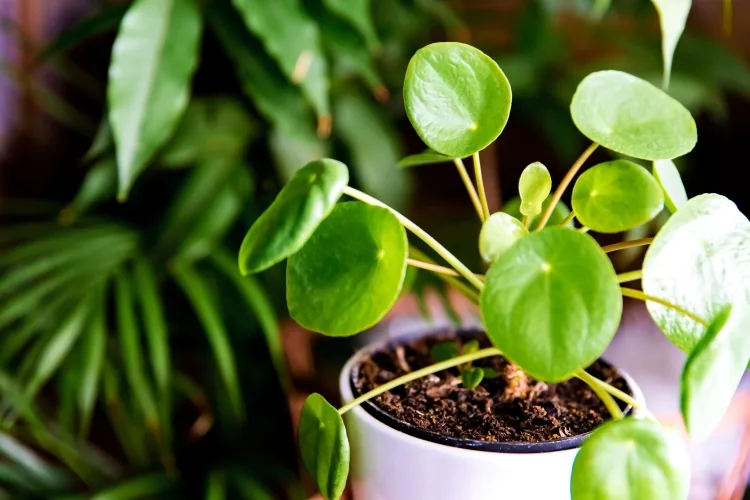
Different leaf cutting techniques suit different plant types. The comparison below maps the four main approaches used when learning how to propagate plants from leaf cuttings, so growers can match the method to the species at hand before making the first cut.
| Method | Best For | Key Technique | Time to Root | Difficulty |
|---|---|---|---|---|
| Whole leaf + petiole | African violet, begonia | Insert petiole 1" into medium at 45° | 3–6 weeks | Easy |
| Leaf without petiole (sections) | Sansevieria, some succulents | Cut leaf into 2–3" sections, insert upright | 4–8 weeks | Moderate |
| Flat leaf placement (no burial) | Echeveria, sedum, crassula | Lay leaf on medium surface; mist occasionally | 2–6 weeks | Easy |
| Leaf midrib cutting | Begonia rex, streptocarpus | Cut along midrib; insert cut edge into medium | 4–8 weeks | Moderate |
One important caveat for snake plant growers: variegated Sansevieria trifasciata 'Laurentii' propagated from leaf sections produces plain green plants — not variegated ones. Maintaining variegation in this cultivar requires rhizome division. It is worth confirming this before committing a large batch of cuttings.
The flat leaf placement method for succulents is particularly forgiving for beginners. A single echeveria leaf laid on dry perlite in a bright windowsill requires virtually no intervention and produces results within a month in warm conditions.
Environment separates a 20% success rate from an 80% one. Most propagation failures trace back to avoidable environmental conditions, not fundamentally bad technique or unlucky timing.
Core environmental targets for leaf cuttings:
Bottom heat is one of the most underutilized tools in home propagation. A seedling heat mat set to 70°F accelerates root initiation noticeably, particularly during cooler months. Even a basic, inexpensive mat can cut rooting time by 30–40% compared to unassisted ambient room temperatures — a measurable difference when managing large propagation batches.
Even experienced propagators encounter setbacks. Most problems fall into a predictable set of categories, each with a straightforward corrective action.
Patience remains the most underrated factor in the entire process. Rex begonias and streptocarpus routinely take 8–12 weeks before any visible progress appears above the medium surface. The cutting is not failing — it is establishing an underground root system before directing energy to above-ground growth.
Succulents (echeveria, sedum, jade plant), African violets, begonias, snake plants, haworthia, and cape primrose are among the most reliable options. Plants with thin, papery leaves — such as most herbs and tropical foliage plants like pothos or monstera — generally do not root successfully from leaf cuttings alone and require stem cuttings instead.
For succulents, rooting hormone provides minimal benefit since those plants root readily without assistance. For non-succulent species like African violets and begonias, rooting hormone meaningfully accelerates root initiation and improves overall success rates, particularly when ambient temperatures are on the cooler side of the ideal range.
Timelines vary considerably by species. Succulent leaf cuttings typically show small plantlets within 3–6 weeks. African violet petiole cuttings root in 3–6 weeks, with harvestable plantlets ready in 2–3 months. Begonias and streptocarpus often require 8–12 weeks before visible progress appears above the medium surface.
Bright, indirect light is the standard recommendation for most species. Direct sunlight raises temperatures too sharply and desiccates cuttings before roots have time to form. Some propagators use low-intensity grow lights on a 12–14 hour cycle to provide consistent, controllable light throughout the rooting period.
Burying succulent leaves traps moisture around the base, which promotes rot before roots can establish. Laying the leaf flat allows roots to emerge naturally and anchor into the medium at their own pace, while the exposed leaf surface dries between misting sessions — preventing the fungal conditions that bury placement invites.
For best results, select leaves from the middle section of the parent plant — mature enough to carry adequate energy reserves, but not so old that cellular activity has significantly slowed. The newest leaves at the growing tip lack the stored carbohydrates needed to sustain root and plantlet formation without an attached stem.
Learning how to propagate plants from leaf cuttings opens an entire dimension of gardening that costs almost nothing and returns extraordinary results over time. Start with one or two forgiving species — a sedum or an African violet — gather the simple materials outlined above, follow the steps, and give the process the patience it needs. Visit the plants and herbs section for more guides on expanding a plant collection, and treat the first successful propagation as the start of a much longer, more rewarding growing journey.
 |
 |
 |
 |

About Christina Lopez
Christina Lopez grew up in the scenic city of Mountain View, California. For eighteen ascetic years, she refrained from eating meat until she discovered the exquisite delicacy of chicken thighs. Christina is a city finalist competitive pingpong player, an ocean diver, and an ex-pat in England and Japan. Currently, she is a computer science doctoral student. Christina writes late at night; most of her daytime is spent enchanting her magical herb garden.


Get new FREE Gifts. Or latest free growing e-books from our latest works.
Disable Ad block to reveal all the links. Once done, hit a button below
|
|
|
|
 rinjal