Last summer, I was halfway through making an herbal honey glaze for roasted garden carrots when I realized I had run completely out of honey. I grabbed the agave syrup from the back of my pantry and made the swap without thinking. It worked beautifully. If you've been wondering about agave nectar sugar substitutes — how to swap agave for honey, maple syrup, white sugar, or brown sugar, or the other way around — this guide gives you every ratio you need, plus the tips to make each swap actually work.
Substituting Agave Nectar for Other Sugar – Let's Try
Agave nectar — also called agave syrup — is about 1.5 times sweeter than white sugar. That one fact changes every substitution ratio you'll ever make. Get it wrong, and your recipe turns out cloyingly sweet or completely wet. Get it right, and agave becomes one of the most versatile sweeteners in your kitchen.
Whether you bake regularly, brew herbal teas with garden-grown herbs, or just want to use up what's already in your pantry, this breakdown covers every common swap with exact measurements and practical adjustments. For more product guides built around a garden-focused lifestyle, visit our gardening reviews section.
What Agave Nectar Actually Is and Where It Comes From
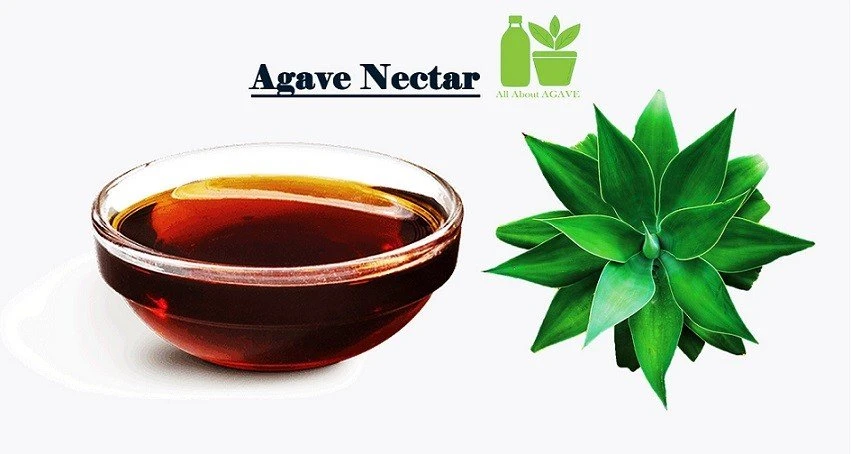
What Is Exactly Agave Nectar
Before you make any substitution, you need to understand what agave nectar actually is. Most people assume it's just a trendy alternative to corn syrup. That's not quite right — and the difference matters the moment you start cooking with it.
The Plant Behind the Syrup
Agave is a succulent plant native to Mexico and the American Southwest. The syrup is extracted from the core of the plant (called the piña), pressed and filtered, then gently heated to convert natural carbohydrates into a pourable, stable sweetener.
The Ancient History Of Agave
Agave has been used as food, medicine, and fiber in Mesoamerican cultures for thousands of years.
The finished syrup is roughly 1.5 times sweeter than white table sugar.
It's primarily fructose — giving it a lower glycemic index (GI, the measure of how quickly food raises blood sugar) than sucrose, though it's still a sugar and should be used in moderation.
It comes in light, amber, and dark varieties. Light agave is mild and nearly neutral; dark agave has a richer, almost caramel-like depth.
If you enjoy using plants in more natural ways around your home, our guide on making herbal extracts and tinctures pairs well with this kind of kitchen experimentation — especially if you grow medicinal herbs in your garden.
What Agave Tastes Like
Taste Of Agave Syrup
Light agave is mild, almost neutral. It won't overpower a delicate herbal tea or a light vinaigrette. Dark agave carries a richer, more complex note — better for barbecue sauces, chocolate baked goods, and anything that benefits from a molasses-adjacent depth. Knowing which type you have on hand is the first step toward a successful substitution.
Agave Nectar Sugar Substitutes: Getting Your Ratios Right
This is the core of everything. The wrong ratio wrecks a recipe. The right one is surprisingly simple once you know the rules. Here are exact conversions for every common swap.
Swapping Agave for Liquid Sweeteners
Agave Nectar Substitute Honey
Liquid-for-liquid swaps are the easiest because they maintain your recipe's moisture balance. Use these ratios:
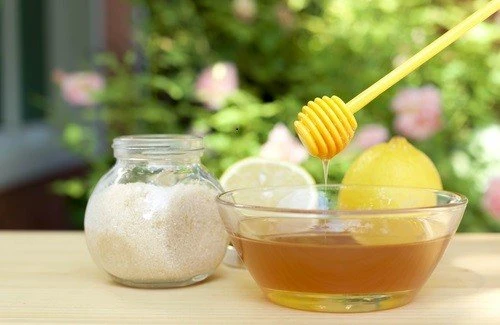
Honey for agave: Use a 1:1 ratio. Honey is marginally less sweet than agave, so the final result is slightly less sweet — usually unnoticeable. Darker honeys bring more flavor. If you want to explore honey further, our guide on how to make honey sticks is a great hands-on starting point.
Agave for honey: Use ¾ cup agave for every 1 cup of honey called for. Reduce other liquids in the recipe by about 2 tablespoons.
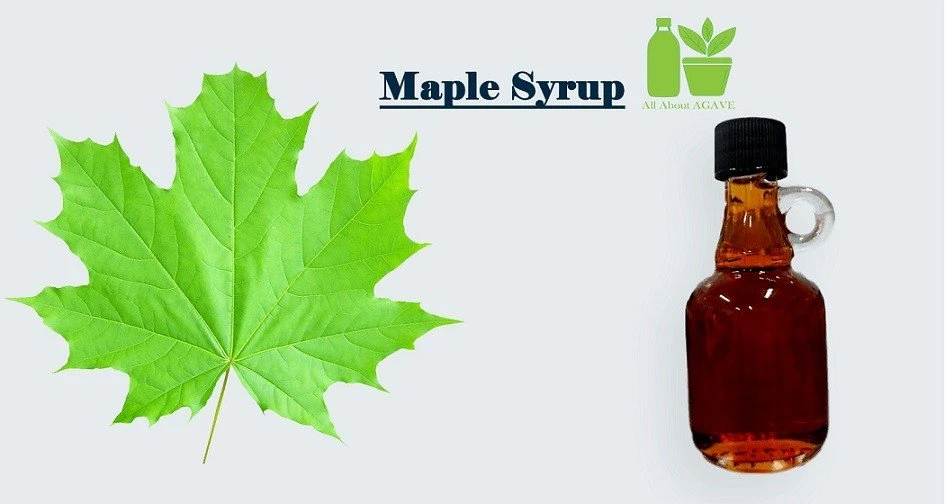
Maple syrup for agave: Use a 1:1 ratio. Maple syrup is slightly less sweet and adds a distinct flavor that agave doesn't replicate. Best in baked goods and marinades.
Agave for maple syrup: Use ¾ cup agave per 1 cup of maple syrup. Light agave has a neutral flavor — you won't get that maple character, so factor that into your recipe decision.
Maple Syrup
When choosing between honey varieties for substitution, flavor profiles matter significantly. Our in-depth comparison of Manuka honey vs. raw honey breaks down the differences in taste, texture, and best uses — helpful context when deciding which honey pairs best with your agave swap.
Brown Rice Syrup
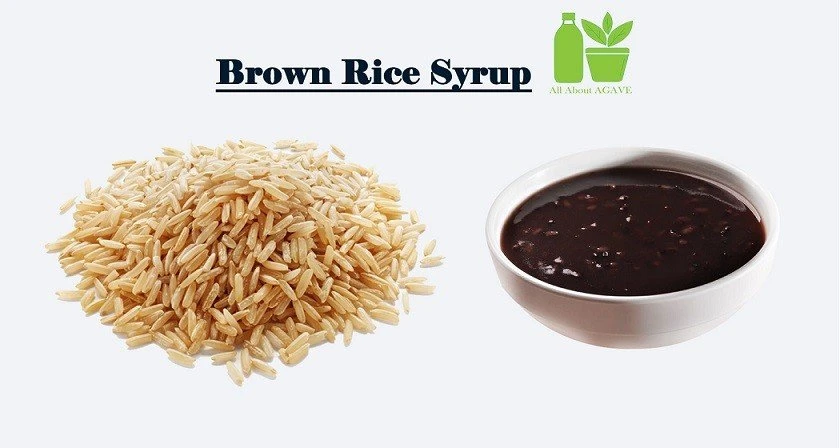
Brown rice syrup for agave: Use 1¼ cups brown rice syrup per 1 cup agave. Brown rice syrup is less sweet with a mild, slightly buttery flavor. It holds together well in granola bars and energy balls.
Agave for brown rice syrup: Use ¾ cup agave per 1 cup brown rice syrup, and reduce the recipe's other liquids slightly.
Swapping Agave for Dry Sugar
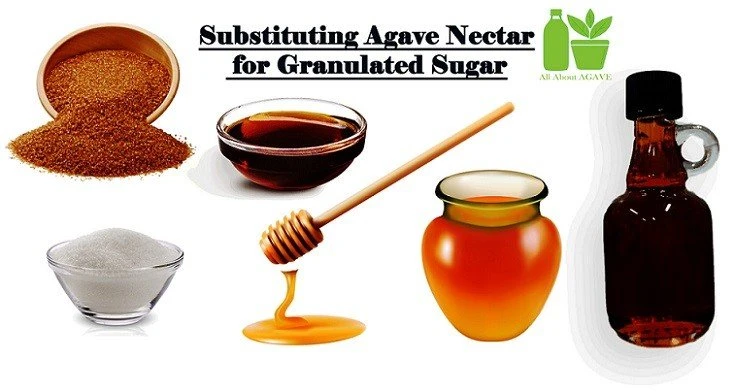
Substituting Agave Nectar For Granulated Sugar
This swap is trickier because you're adding liquid where dry ingredient was called for. Follow these conversions exactly:
Original Sweetener
Amount in Recipe
Agave Substitute
Liquid Reduction Needed
White granulated sugar
1 cup
⅔ cup agave
Reduce liquids by ¼ cup
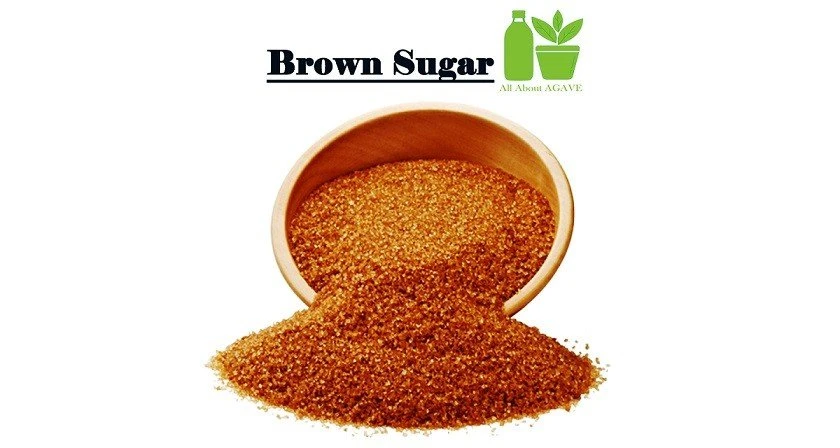
Brown sugar
1 cup
⅔ cup agave
Reduce liquids by ¼ cup
Powdered sugar
1 cup
½ cup agave
Reduce liquids by 3 tablespoons
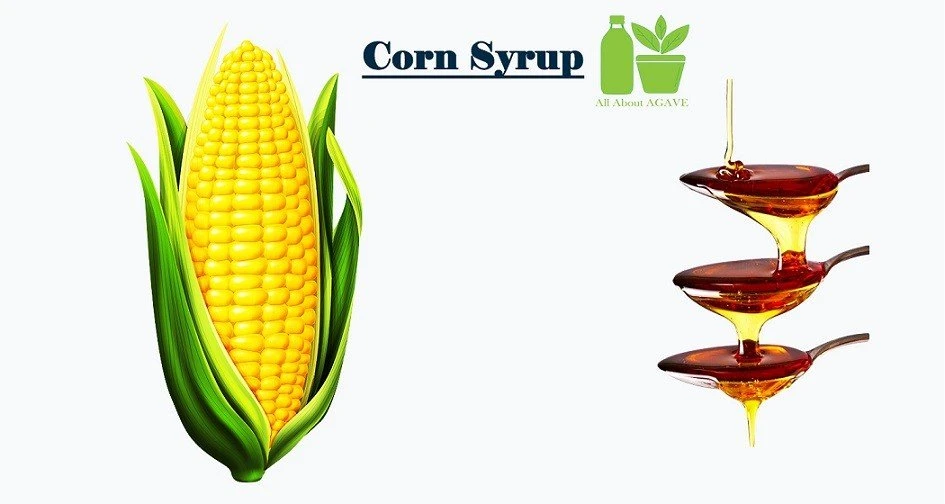
Corn syrup
1 cup
1 cup agave
No reduction needed
Coconut sugar
1 cup
⅔ cup agave
Reduce liquids by ¼ cup
One more critical adjustment: lower your oven temperature by 25°F (about 14°C) when using agave in place of dry sugar in baked goods. Fructose-rich sweeteners brown faster than sucrose — skip this step and you'll pull out something scorched on the outside and undercooked in the center.
When Agave Nectar Shines — and When to Leave It on the Shelf
Agave is a genuinely useful sweetener — but not in every situation. Knowing when to reach for it and when to stick with something else saves you from wasted batches and disappointing results.
Best Uses for Agave
White Sugar
Agave earns its place in these situations:
Cold drinks and herbal teas. Agave dissolves instantly in cold liquids — unlike granulated sugar, which needs heat. It's ideal for iced teas, herbal lemonades, and cocktails.
Raw and no-bake recipes. Energy balls, raw cheesecakes, and no-bake bars all benefit from agave's liquid consistency and clean sweetness.
Herbal syrups and preserves. If you grow herbs at home and make your own infused syrups, agave lets the herb's flavor carry the recipe without a heavy honey note competing with it.
Vegan baking. Agave is 100% plant-based. It's the standard substitute in vegan recipes that call for honey.
Salad dressings and marinades. Light agave adds sweetness without fighting vinegar, citrus, or fresh herbs from your garden.
When Another Sweetener Is the Better Choice
Brown Sugar
Skip agave in these scenarios:
Caramel and candy-making. Agave doesn't crystallize predictably. Stick to white sugar for any recipe that relies on precise crystallization behavior.
Recipes requiring bulk and structure. Cookies and cakes that depend on sugar for structure — creaming butter and sugar, for example — often turn out flat or dense when you substitute agave 1:1 without the proper adjustments.
Medicinal honey preparations. Honey has specific antimicrobial and enzymatic properties. If the honey itself is the functional ingredient in a preparation, agave won't replicate those effects.
High-heat applications above 375°F. Agave burns faster than sucrose under intense heat. Use white sugar when you want controlled caramelization, not an unintentional char.
Pro tip: If a recipe uses sugar primarily for surface browning — like a crumble topping or muffin crust — keep white or brown sugar for that layer and use agave only in the batter itself where browning isn't the goal.
Mistakes That Ruin Your Sweet Substitution
Most failed agave swaps come down to the same predictable errors. Avoid these and your substitutions will work the first time, every time.
Ratio and Baking Errors
Corn Syrup
Substituting 1:1 for granulated sugar. This is the most common mistake. You end up with a wet batter and an overwhelmingly sweet result. Always use ⅔ cup agave per 1 cup of dry sugar — and reduce your other liquids accordingly.
Forgetting to lower oven temperature. Fructose browns at lower temperatures than sucrose. Skip this step and your baked goods come out burned on the outside, raw in the middle.
Using dark agave in delicate recipes. Dark agave's robust flavor overwhelms light items like vanilla sponge cake, delicate custards, or herb-forward vinaigrettes. Use light agave in those.
Ignoring the added liquid volume. Agave is a liquid. Every tablespoon you add contributes moisture to your recipe. Ignore that and your dough or batter loses its structure entirely.
Not adjusting for acidity. Agave is mildly acidic. In baked goods, add ¼ teaspoon of baking soda per cup of agave used to maintain the correct rise and texture.
Storage and Handling Mistakes
Storing agave near heat sources. Keep it in a cool, dry spot away from the stove or direct sunlight. Heat accelerates breakdown, even though agave has a long shelf life.
Leaving the lid loose. Agave absorbs moisture from the air, which changes its consistency and can eventually promote spoilage. Seal it tightly every time.
Measuring cold, thick agave without warming first. If your agave has thickened in cold storage, sit the bottle in warm water for a few minutes. It pours accurately and measures cleanly at room temperature.
Simple Swaps for New Cooks vs. Precise Techniques for Experienced Ones
Where you are in your cooking journey changes how you should approach sweetener substitutions. Whether you're just starting out or you've been baking for years, these strategies match your skill level to the task.
Starter Substitutions Anyone Can Do
If you're new to swapping sweeteners, start here. These are low-risk, forgiving, and easy to correct before anything is locked in by heat:
Swap agave for honey in herbal tea. Use the exact same amount. Stir, taste, and add more if you want it sweeter. No chemistry to worry about.
Use agave in salad dressings. Start with ½ teaspoon where the recipe calls for 1 teaspoon of sugar. Taste before serving and adjust up if needed.
Try agave in smoothies. Begin with half the amount of honey or maple syrup the recipe calls for. Agave blends instantly in cold liquids and you can add more to taste.
Sweeten oatmeal or yogurt. Drizzle agave directly in place of sugar or honey — similar visual amount, slightly sweeter finish.
Fine-Tuning for the Experienced Cook
Important: When baking with agave in large batches, always run a test batch first — even experienced bakers find that agave behaves differently across flour types, fat ratios, and altitudes.
If you bake regularly and want precise results, these techniques give you full control:
Layer sweeteners for complex flavor. Use a 50/50 blend of agave and maple syrup in your next carrot cake or banana bread. You get agave's binding properties combined with maple's depth — a consistently better result than either sweetener alone.
Match agave type to recipe profile. Pair light agave with citrus, dairy, and herb-forward recipes where clean sweetness is the goal. Reserve dark agave for chocolate, coffee, and spiced applications where that extra depth earns its place.
Control surface browning independently. Use white or brown sugar in crumb toppings and glazes where you want that golden crust. Use agave in the interior batter where sweetness — not browning — is what you're after.
Calibrate baking soda for acidity. Add ¼ teaspoon baking soda per cup of agave in baked goods to counteract its mild acidity and maintain proper rise.
Frequently Asked Questions
Can you substitute agave for sugar in all baking recipes?
Not without adjustment. Agave adds liquid, so you must reduce other liquids by ¼ cup per cup of sugar replaced, and lower your oven temperature by 25°F to prevent overbrowning. Recipes relying on sugar for structure — like meringues, caramel, or creamed-fat batters — require extra attention when adapting to agave.
What is the best agave nectar sugar substitute when you're out of agave?
Honey is the most direct substitute — use a 1:1 ratio. It has a similar consistency and comparable sweetness (slightly less sweet than agave). Maple syrup also works at a 1:1 ratio, especially in baked goods. For a completely neutral flavor, light corn syrup is a reliable 1:1 swap with no flavor interference.
Is agave nectar healthier than regular sugar?
Agave has a lower glycemic index than white sugar because its primary carbohydrate is fructose, which is metabolized differently. However, high fructose intake carries its own health considerations. Agave is a different sweetener — not automatically a healthier one. Use it for its functional cooking properties, not as a health replacement for sugar.
Can I substitute agave nectar for maple syrup?
Yes. Use ¾ cup agave for every 1 cup of maple syrup called for. Light agave works best because its neutral flavor doesn't compete with other ingredients — but you won't get that characteristic maple taste, so factor that into your recipe decision. Dark agave adds more depth if you need something closer to maple's richness.
Does agave nectar dissolve in cold water or drinks?
Yes — and this is one of agave's biggest practical advantages over granulated sugar. Agave dissolves instantly in cold liquids, making it the ideal sweetener for iced herbal teas, cold-brew coffee, cocktails, and lemonades. Use about ¾ of the amount you'd use with simple syrup, since agave is notably sweeter.
Next Steps
Pick one recipe you make regularly — a salad dressing, a smoothie, or a simple baked good — and try the substitution using the exact ratios from the table above. Note the difference in texture, color, and sweetness so you have a real reference point going forward.
Stock both light and dark agave in your pantry. Light for delicate recipes where you want clean, neutral sweetness; dark for richer baked goods and sauces where depth works in your favor.
The next time you bake with agave in place of dry sugar, set your oven 25°F lower than the recipe states and check for doneness 5 minutes early — this one adjustment prevents the most common agave baking failure.
If you grow herbs at home, try using light agave as the base for a simple herbal syrup — it lets the herb's flavor carry without competing honey notes. Our guide on making herbal extracts and tinctures walks you through the process.
Try a 50/50 blend of agave and maple syrup in your next batch of banana bread or carrot cake — it's the single best upgrade for flavor complexity without any additional effort.
Christina Lopez grew up in the scenic city of Mountain View, California. For eighteen ascetic years, she refrained from eating meat until she discovered the exquisite delicacy of chicken thighs. Christina is a city finalist competitive pingpong player, an ocean diver, and an ex-pat in England and Japan. Currently, she is a computer science doctoral student. Christina writes late at night; most of her daytime is spent enchanting her magical herb garden.



 rinjal