What if everything your skin needs is already growing in a garden nearby? The best beauty oils for skin are extracted from seeds, fruits, nuts, and leaves that have been cultivated for centuries — and modern research confirms what traditional herbalists always knew. Whether you're dealing with dryness, hyperpigmentation, or persistent irritation, plant-based oils deliver bioavailable nutrients your skin can absorb and put to work. This guide covers where these oils come from, which ones solve which problems, and how to build them into a routine that actually holds. If you're already familiar with how aloe vera benefits the skin, you're already thinking in the right direction — beauty oils work through the same plant-first principle.

Beauty oils fall into two main categories: carrier oils and essential oils. Carrier oils — jojoba, argan, grapeseed, and others — are cold-pressed or expeller-pressed directly from fatty plant material. They're rich in fatty acids, vitamins, and antioxidants, and you can apply them directly to skin. Essential oils are concentrated aromatic compounds extracted by steam distillation from the aromatic parts of a plant. They're potent and must always be diluted in a carrier oil before use. According to Wikipedia's overview of essential oils, these compounds are produced as secondary metabolites — synthesized by plants for defense, UV protection, and pollinator attraction. Those same biological properties transfer to your skin.
What makes beauty oils worth your attention is that plants produce these compounds for real biological reasons. When you apply the oil, you're borrowing the plant's own protective chemistry. The Trinjal plants and herbs farming section covers many of the source plants in detail if you want to grow your own.

Contents
Beauty oils are lipid-rich extracts derived from plant material — seeds, kernels, fruits, leaves, and roots. Unlike synthetic moisturizers that sit on the skin's surface, plant oils contain fatty acid profiles that mimic the skin's own sebum. This structural similarity is why they absorb so readily and work so effectively at a cellular level.
Carrier oils are non-volatile, fatty oils safe for direct skin application. They make up the base of any oil-based skincare product and can be used alone or as a vehicle for essential oils. Essential oils are volatile aromatic compounds — powerful, concentrated, and always used at low concentrations (1–3%) diluted in a carrier before touching skin.
Carrier oils come from lipid storage cells in seeds and fruits — the plant's energy reserve. Cold pressing preserves heat-sensitive nutrients that refining destroys. Essential oils are synthesized in secretory structures like glands and resin ducts, concentrated in flowers, leaves, bark, or roots. The extraction method matters enormously: cold-pressed and steam-distilled products retain far more biological activity than solvent-extracted alternatives. Always check the label.
You don't need weeks to see results from beauty oils. Some effects are visible within hours. The skin looks plumper, brighter, and more even immediately after application — and that's not a cosmetic trick. Oils replenish the lipid barrier, which is the skin's first defense against moisture loss and environmental damage.
Oils don't add water to skin — they prevent water from leaving it. By reinforcing the lipid barrier, they keep existing hydration locked in. Grapeseed and jojoba are particularly effective here because their fatty acid profiles closely mirror skin sebum. Apply 2–4 drops to slightly damp skin to maximize the locking effect.
Anti-inflammatory oils work quickly on redness and irritation. Hemp seed oil is rich in gamma-linolenic acid (GLA), which directly modulates inflammatory response in skin cells. Neem oil contains nimbidin and nimbin — compounds with documented anti-inflammatory action. For acne-prone skin, tea tree's antimicrobial compounds start reducing active breakouts within 24–48 hours of consistent use at a proper dilution.
Short-term results get your attention. Long-term use is where beauty oils truly separate themselves from conventional skincare. Consistent application of the right oils restructures the lipid barrier, regulates sebum production, and delivers cumulative antioxidant protection that slows visible aging over months of regular use.
Skin cells turn over every 28–40 days. You need at least 6–8 weeks of consistent use to see structural changes in texture, tone, and elasticity. Daily application is non-negotiable — it's how you build up the lipid reserves that protect and repair skin across multiple cell cycles.
The general rule: apply lighter oils first, heavier oils last. Thin, fast-absorbing oils like grapeseed and rosehip go on before thick, occlusive oils like castor and avocado. In a full routine, apply oil after your water-based serum and before any heavy moisturizer — this locks the serum ingredients in while the oil reinforces the barrier above. If you're also working with essential oils in an aromatherapy context, our guide to choosing the right essential oil diffuser covers how to complement topical use with inhalation benefits.
Here's a practical breakdown of the most effective plant-based beauty oils, their source, best use case, and primary benefit.
| Oil | Source Plant | Best Skin Type | Key Benefit |
|---|---|---|---|
| Jojoba | Simmondsia chinensis | All types | Mimics sebum, regulates oil production |
| Argan | Argania spinosa | Dry, mature | High vitamin E, softens and firms |
| Rosehip Seed | Rosa canina | Uneven tone, scars | Vitamin A precursor, brightening |
| Tea Tree | Melaleuca alternifolia | Acne, oily | Antimicrobial, reduces active breakouts |
| Grapeseed | Vitis vinifera | Oily, combination | Lightweight, non-comedogenic, antioxidant |
| Hemp Seed | Cannabis sativa | Sensitive, inflamed | Optimal omega ratio, anti-inflammatory |
| Castor | Ricinus communis | Dry, lash/brow | Thick, occlusive, stimulates follicles |
| Neem | Azadirachta indica | Acne, eczema | Antibacterial, reduces sebum |
| Marula | Sclerocarya birrea | Dry, aging | Fast-absorbing, high oleic acid |
| Avocado | Persea americana | Very dry, mature | Deep nourishment, vitamins D and E |
| Prickly Pear Seed | Opuntia ficus-indica | Mature, dull | Highest vitamin E density of any plant oil |
| Pomegranate Seed | Punica granatum | Aging, sun-damaged | Punicic acid, cell regeneration |
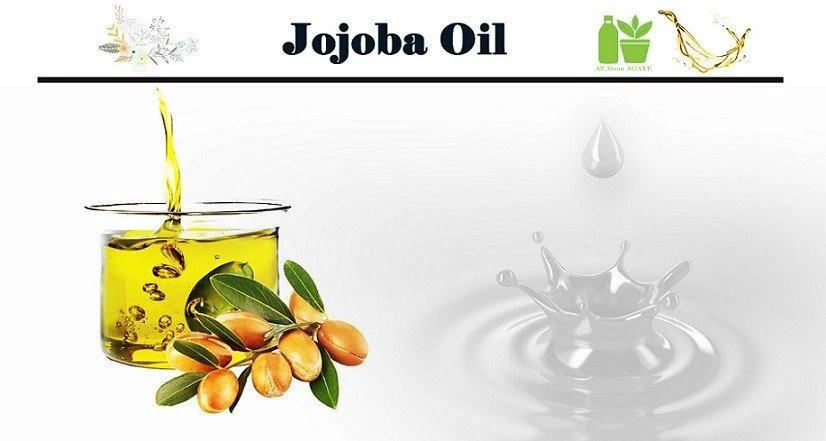
Jojoba oil is technically a liquid wax from the seeds of the Simmondsia chinensis shrub. It's uniquely stable, non-rancid, and safe for all skin types including oily and acne-prone. Its structure is closer to human sebum than any other plant extract.
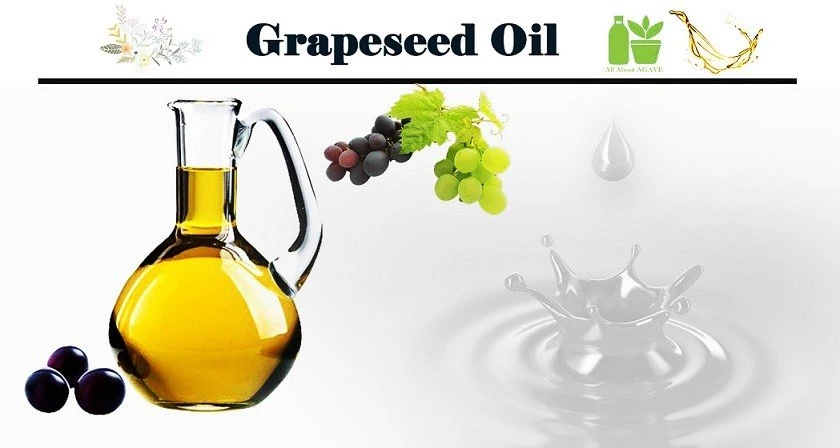
Grapeseed oil is cold-pressed from grape seeds after winemaking. Lightweight, non-comedogenic, and high in linoleic acid — ideal for oily and combination skin that needs moisture without heaviness.
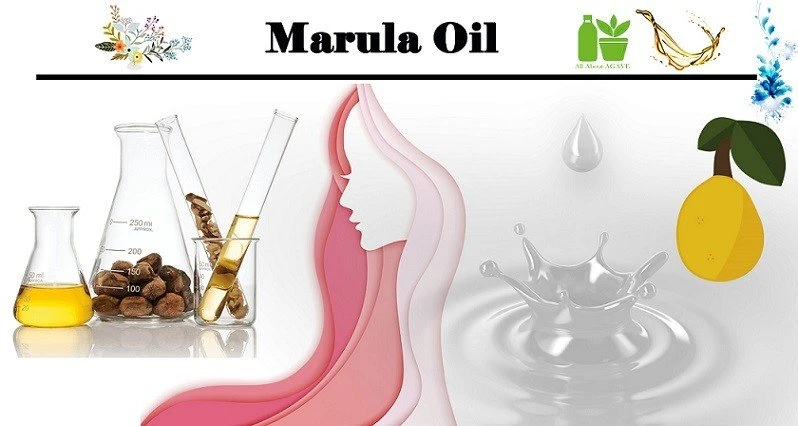
Marula oil comes from the kernels of the marula fruit (Sclerocarya birrea), native to southern Africa. High oleic acid content makes it deeply nourishing yet fast-absorbing — no greasy residue even on dry skin.
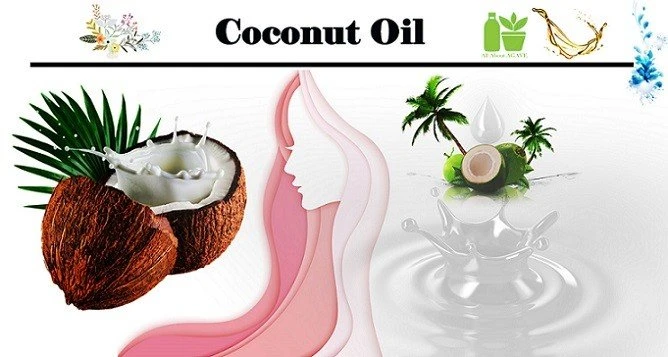
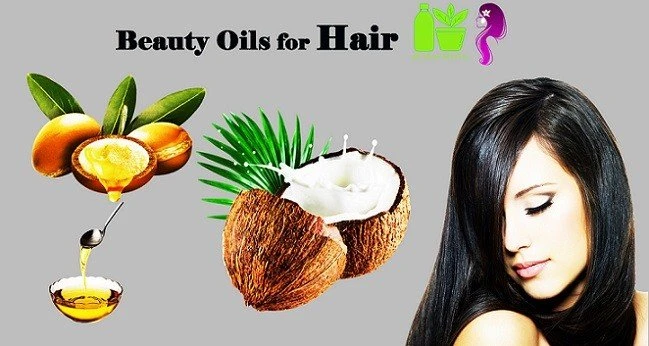
Coconut oil is highly occlusive and works best as a body or hair treatment. For facial use, it's comedogenic for many skin types — patch test before applying to your face.
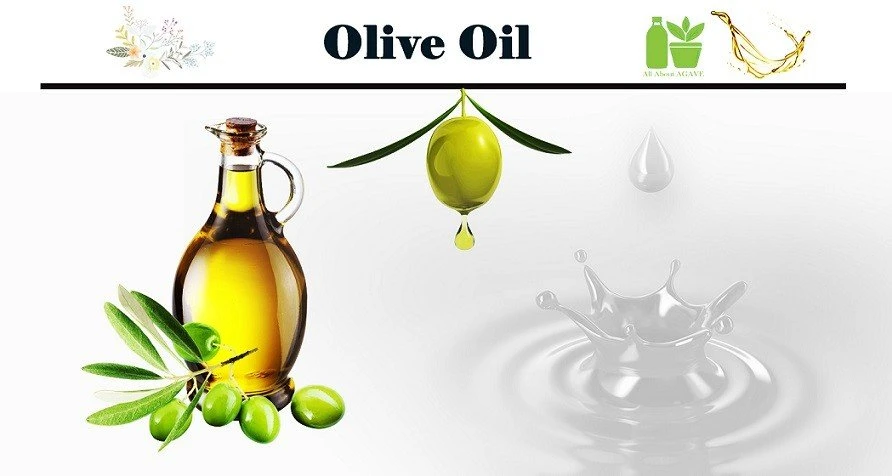
Olive oil is rich in squalene and oleic acid. It's deeply moisturizing for dry and mature skin. Use extra-virgin, cold-pressed — refined olive oil loses most of its beneficial compounds in processing.
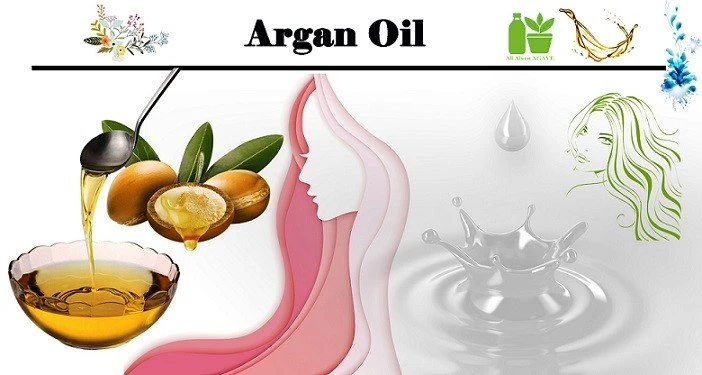
Argan oil — pressed from kernels of the Moroccan argan tree — is one of the most vitamin E-dense carrier oils available. It softens, firms, and protects against UV-induced oxidative stress on a daily basis.
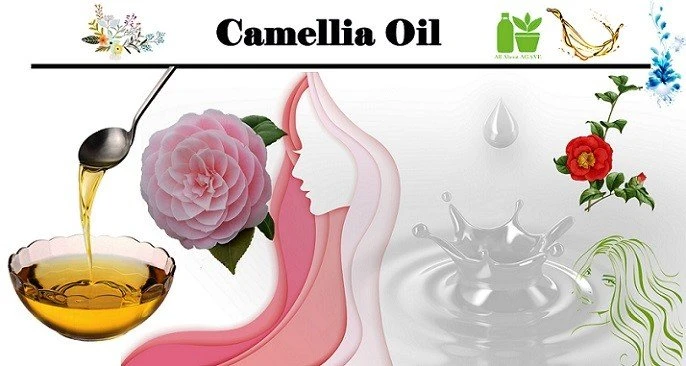
Camellia oil is extracted from the seeds of Camellia sinensis — the same plant that gives us green tea. Exceptionally lightweight, high in oleic acid, and deeply embedded in traditional Japanese skincare.
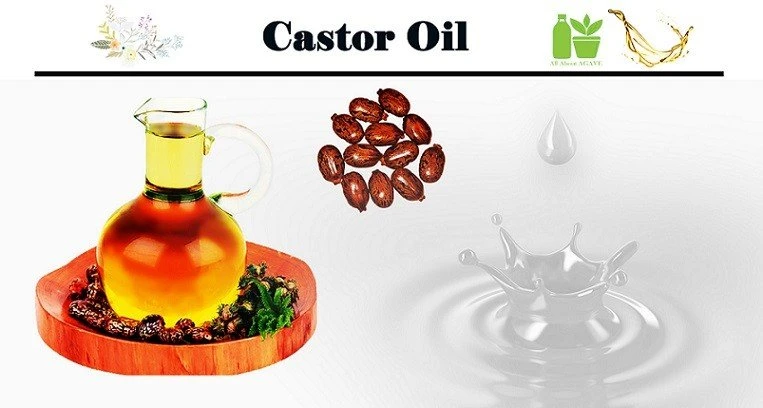
Castor oil from Ricinus communis is thick and high in ricinoleic acid — a unique fatty acid with documented antimicrobial and anti-inflammatory properties. A classic for brow and lash stimulation.
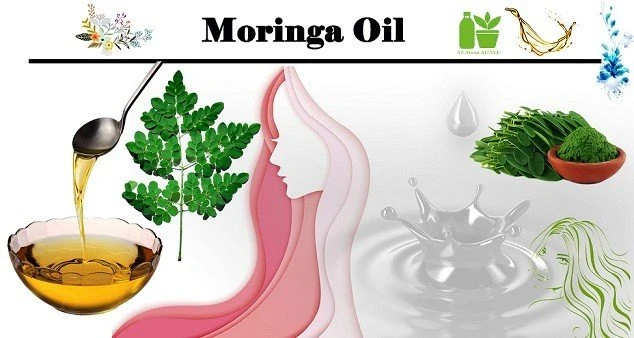
Moringa oil is pressed from Moringa oleifera seeds. Exceptionally stable due to high behenic acid content and rich in antioxidants — ideal for anti-aging and sensitive skin that reacts to less stable oils.
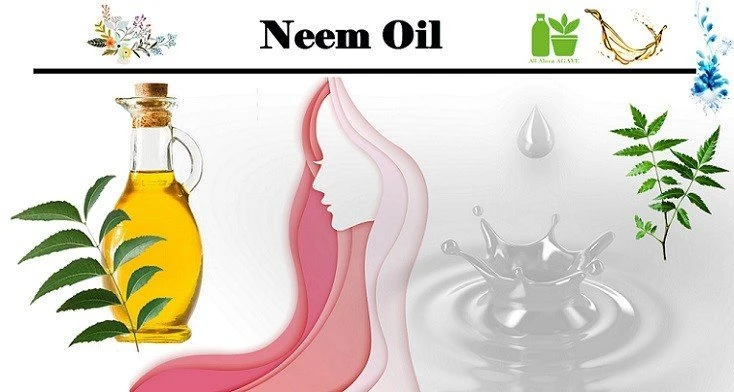
Neem oil (Azadirachta indica) has potent antibacterial and anti-inflammatory properties from its nimbidin and nimbin compounds. Strong-smelling but highly effective for chronic acne, eczema, and inflamed skin. Dilute well before use.
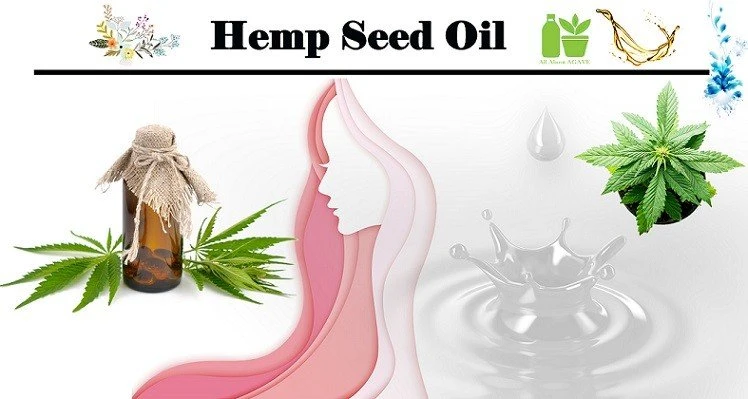
Hemp seed oil from Cannabis sativa seeds has a near-perfect 3:1 ratio of omega-6 to omega-3 fatty acids — ideal for skin barrier function and one of the most nutritionally complete skin oils available.
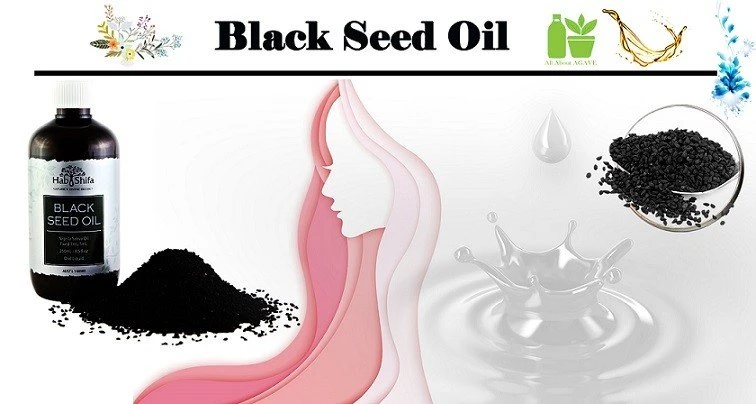
Black seed oil (Nigella sativa) contains thymoquinone — a potent antioxidant and anti-inflammatory. Particularly effective for eczema, psoriasis, and persistent inflammatory skin conditions.
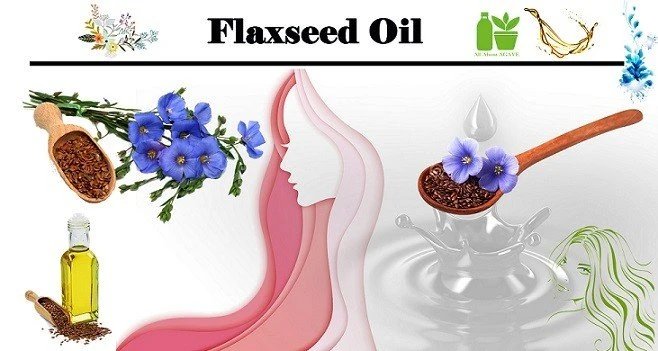
Flaxseed oil carries the highest plant-based omega-3 (ALA) content of any carrier oil. Excellent for dry, flaky skin and reducing redness. Short shelf life — refrigerate after opening.
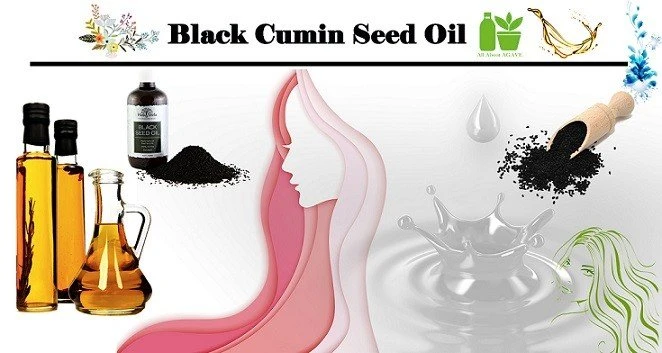
Black cumin seed oil (Bunium persicum) is lighter-textured than Nigella sativa but shares its antioxidant and antibacterial profile. Well-suited for oily skin that still needs anti-inflammatory support.
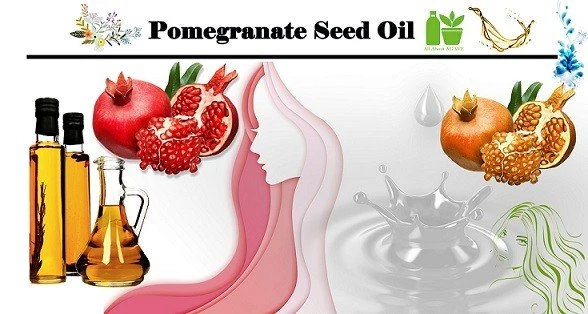
Pomegranate seed oil contains punicic acid — a conjugated linolenic acid found almost nowhere else in nature. It supports skin cell regeneration and protects against UV-induced oxidative damage.
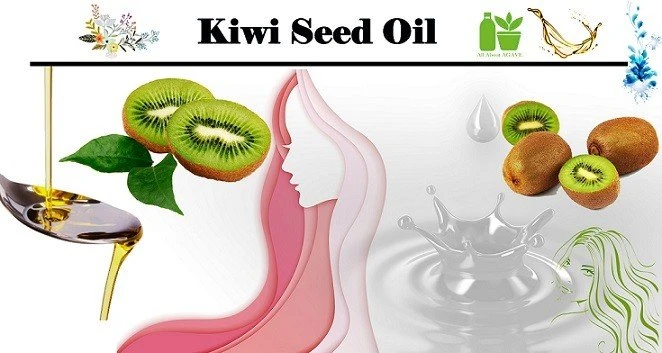
Kiwi seed oil is lightweight and high in alpha-linolenic acid (omega-3). It absorbs quickly and helps maintain a balanced oil-water ratio in the skin — useful for both dry and oily types.
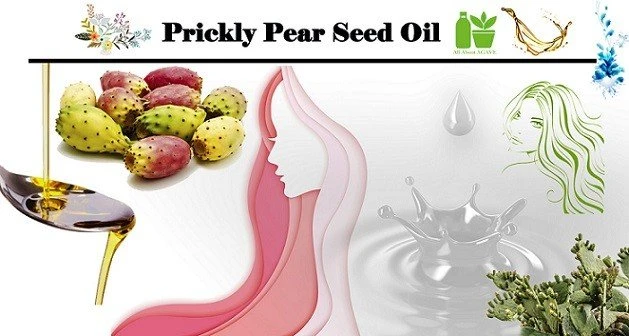
Prickly pear seed oil is among the most nutrient-dense plant oils — exceptionally high in vitamin E tocopherols and betalains. It brightens, firms, and is increasingly recognized as one of the top oils for mature skin.
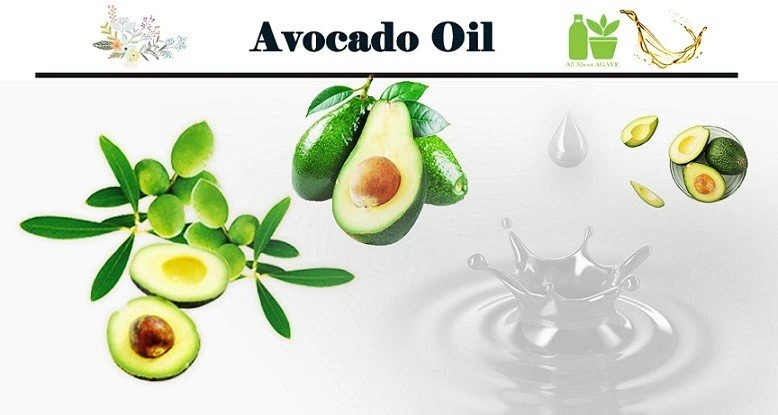
Avocado oil is cold-pressed from the flesh of Persea americana. Rich in oleic acid, plant sterols, and fat-soluble vitamins. Thick and deeply nourishing — ideal for very dry or mature skin that needs serious moisture replenishment.
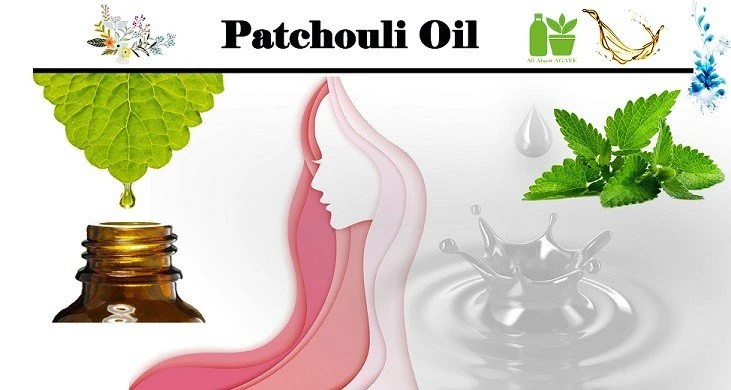
Patchouli oil has notable cell regeneration properties. At a 1–2% dilution in a carrier, it reduces the appearance of scars and stretch marks over consistent use. It also carries mild antibacterial action.
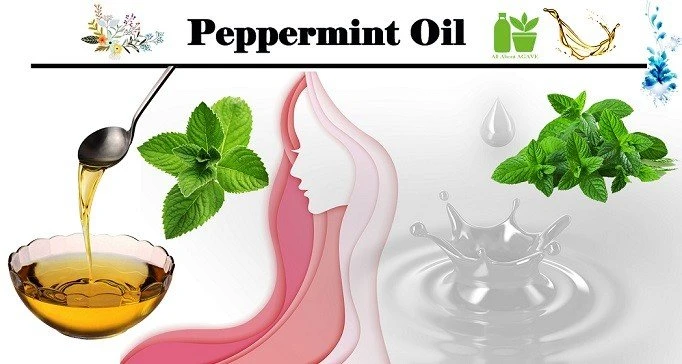
Peppermint oil contains menthol, which stimulates circulation and provides a cooling anti-inflammatory effect. Always dilute to 1% or below for facial use — higher concentrations cause irritation rather than relief.
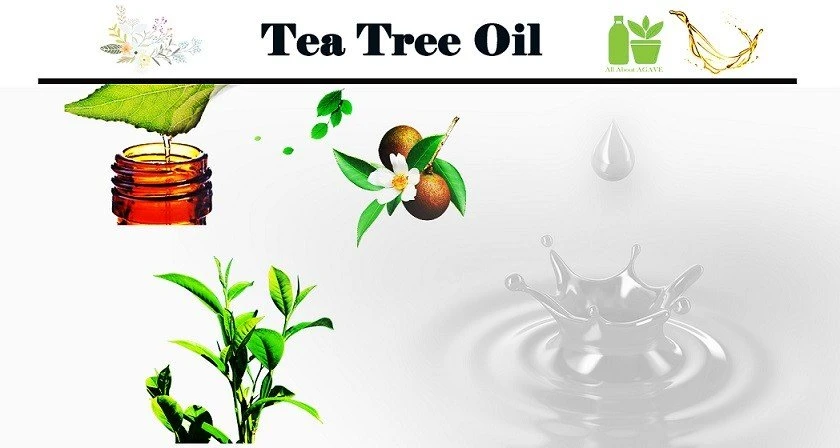
Tea tree oil (Melaleuca alternifolia) is one of the most studied antimicrobial essential oils available. At a 5% dilution it's clinically comparable to benzoyl peroxide for acne treatment — with significantly fewer drying side effects.
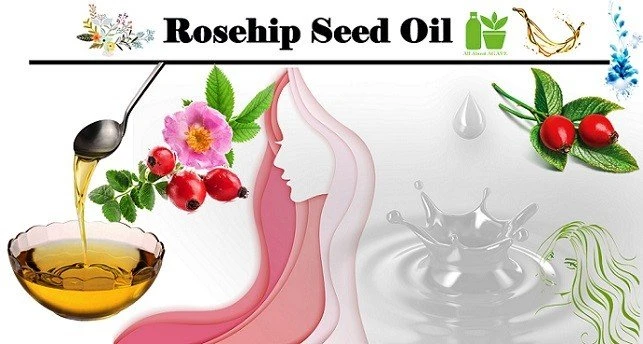
Rosehip seed oil functions like a treatment oil. Rich in trans-retinoic acid (a vitamin A precursor), it drives cellular turnover, fades hyperpigmentation, and improves skin elasticity when applied consistently over weeks.
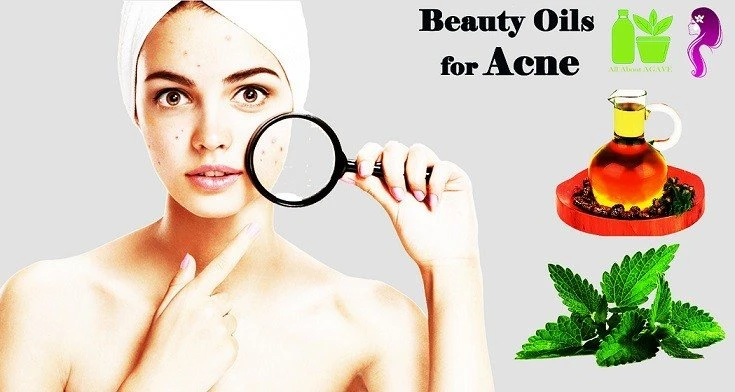
Technique matters. Even the right oil applied the wrong way delivers suboptimal results. A few hard rules apply regardless of which oil you're using.
Not every oil suits every skin type. Oily and acne-prone skin needs lightweight, non-comedogenic options — jojoba, grapeseed, hemp seed, and diluted tea tree are your best choices. Dry and mature skin responds to richer oils: avocado, argan, marula, and olive. Sensitive skin does well with low-fragrance, calming options like camellia, moringa, and hemp seed oil. Combination skin: lighter oils on the T-zone, richer oils on drier cheek and jaw areas.
You can have the best beauty oil available and ruin it through poor storage. Oxidation is the main enemy of plant-based oils. Once oxidized, oils don't just lose their effectiveness — they become irritating and can trigger inflammatory responses in skin.
Shelf life varies significantly across oil types, primarily based on fatty acid composition:
Rancid oils develop a sour, crayon-like, or sharp off-smell. Fresh oils smell clean — nutty, grassy, or mildly fruity depending on the source plant. If the scent has shifted noticeably, discard the bottle immediately. Other signs include color darkening, changes in viscosity, or cloudiness in oils that were previously clear. To extend shelf life: store in dark glass bottles, keep away from heat and direct sunlight, and refrigerate flaxseed and hemp seed oil after opening. Buying smaller bottles more frequently beats buying large ones that sit open for months.
Yes — the right oils actually balance sebum production rather than adding to it. Jojoba is the best starting point for oily skin because its structure closely mirrors human sebum, signaling skin to reduce its own oil output. Grapeseed and hemp seed oil are also excellent non-comedogenic choices that hydrate without clogging pores.
Rosehip seed oil, pomegranate seed oil, and prickly pear seed oil lead the field for brightening. Rosehip's trans-retinoic acid drives cell turnover. Pomegranate's punicic acid supports skin regeneration. Prickly pear's exceptional vitamin E and betalain content reduces oxidative dullness with consistent daily use.
Look for "cold-pressed" or "steam-distilled" on the label, stored in dark glass, with the Latin botanical name and country of origin listed. Avoid products with added fragrance, mineral oil dilutents, or vague "proprietary blend" labels. Transparency about source and extraction is the clearest quality signal.
Oils seal in moisture but don't add it — so they perform best over a water-based hydrator, not as a replacement. If your skin is very dry, layering a hyaluronic acid serum under your oil gives far better results than oil alone. For normal and oily skin types, a lightweight oil can function as a standalone daily moisturizer.
No — undiluted tea tree oil is too concentrated for direct skin contact and causes chemical burns or severe irritation at full strength. Always dilute to 1–5% in a carrier oil. At 5% dilution it's clinically effective for acne without the dryness and peeling associated with prescription-strength treatments.
Both are antimicrobial, but through different mechanisms. Tea tree's terpinen-4-ol directly disrupts bacterial cell membranes. Neem's nimbidin and nimbin compounds reduce inflammation and regulate sebum production. For active breakouts, tea tree works faster. For chronic acne with significant redness and inflammation, neem offers the more comprehensive approach.
For hydration and surface smoothness, results appear within hours to 24 hours. For acne reduction, expect 2–4 weeks of consistent use. For brightening, pigmentation fading, and structural improvements to texture and elasticity, allow 6–8 weeks minimum — that covers one full skin cell turnover cycle, which is when the real changes become visible.
 |
 |
 |
 |

About Christina Lopez
Christina Lopez grew up in the scenic city of Mountain View, California. For eighteen ascetic years, she refrained from eating meat until she discovered the exquisite delicacy of chicken thighs. Christina is a city finalist competitive pingpong player, an ocean diver, and an ex-pat in England and Japan. Currently, she is a computer science doctoral student. Christina writes late at night; most of her daytime is spent enchanting her magical herb garden.


Get new FREE Gifts. Or latest free growing e-books from our latest works.
Disable Ad block to reveal all the links. Once done, hit a button below
|
|
|
|
 rinjal