The best solar fairy lights are one of the easiest upgrades you can make to any garden — no extension cords, no wiring, no electricity costs. They charge in sunlight and glow automatically after dark. Whether you're outlining raised beds, decorating a pergola, or adding warmth to an indoor plant shelf, solar string lights fit the job without any fuss. Head over to our plants, herbs, and farming section for more ideas on making your garden space work harder — lighting is a bigger part of that than most gardeners realize.
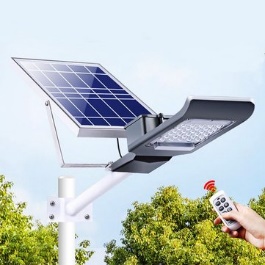
Solar fairy lights rely on a small photovoltaic panel (a device that converts sunlight directly into electricity) to charge a built-in battery during the day. That stored energy then powers tiny LED bulbs along a flexible copper or nylon wire. Most quality sets run 6 to 10 hours per full charge — enough to carry your garden from dusk well past midnight. According to Wikipedia, photovoltaic technology has improved dramatically in efficiency over recent decades, which is why even the compact panels on budget fairy light sets are now genuinely reliable for everyday use.
In this guide you'll find practical use cases, a step-by-step installation walkthrough, a troubleshooting checklist, and a cost comparison table. We've also reviewed two popular options — the Pesca 50-LED warm white set and the Xergy 10M 100-LED string — so you can compare before you commit.
Contents
Solar fairy lights aren't purely decorative — they serve real practical purposes once the sun goes down. Here's where they shine brightest.
Lining a garden path or the perimeter of a raised bed does two things at once: it looks beautiful and it makes navigating your garden after dark much safer. No electrician required. You just stake the panel somewhere sunny and wind the wire along the frame or path edge.
Pro tip: If you're also managing your garden's watering system, pairing solar fairy lights with a smart sprinkler controller makes your whole outdoor setup feel automated and effortless — lights come on at dusk, irrigation runs at dawn, and you don't touch a thing.
Solar fairy lights can work indoors — but only if you can place the panel in a window that gets at least 4–6 hours of direct sun per day. A south-facing sill is ideal. If your light conditions are reliable, this works wonderfully for houseplant shelves, herb windowsills, and trailing plant displays.

A small greenhouse is one of the best spots for solar fairy lights. You get functional visibility during dim evenings and a genuinely cozy workspace for late potting sessions. Note: these LEDs won't replace grow lights — they're for ambiance and navigation, not plant growth. If you're shopping for a new growing space to light up, our guide to the best small greenhouses is a good starting point.
A few minutes of thoughtful planning up front makes a huge difference in how reliably your lights perform. Most setup problems come from a poorly placed solar panel — so start there.
This is the single most important step. The panel needs direct sunlight for at least 6 hours to fully charge the battery. Even partial shade from a fence or tree branch will significantly cut your run time.
Warning: Avoid placing the panel in a spot that only gets morning sun — afternoon sun is stronger and charges the battery far more efficiently. Morning-only placement can cut your overnight run time by half.
Once your panel is in position, installation is straightforward. Here's the process that works for most garden setups:

If you're building out a dedicated seed-starting station, check out our guide to the best seed starter kits — adding fairy lights above the tray rack creates a motivating workspace for those early-morning or late-evening gardening sessions when the main lights feel too harsh.
Most solar fairy light issues come down to a handful of root causes. Work through these checklists before assuming you got a defective product — nine times out of ten, there's a simple fix.
This is the most common complaint, especially with new sets. Check these things first:
If your lights fade after just 2–3 hours, the battery isn't reaching a full charge. Here's how to diagnose it:
Tip: Clean your solar panel with a damp cloth every few weeks during growing season — garden dust and pollen accumulate faster than you'd expect and can quietly reduce charging efficiency by 20% or more.
Solar fairy lights range from under $10 to over $50. The price jump usually reflects LED count, wire length, waterproofing quality, and battery capacity. Here's a breakdown so you can match your budget to your actual needs.
| Price Range | Typical Specs | Best For | Example |
|---|---|---|---|
| Under $10 | 20–50 LEDs, 5m wire, basic splash resistance | Small patios, windowsills, first-time buyers | Pesca 50-LED warm white (5m) |
| $10–$25 | 100 LEDs, 10m wire, IP65 rated, multiple modes | Raised beds, garden borders, small greenhouses | Xergy 100-LED (10m) |
| $25–$50 | 200+ LEDs, 20m+ wire, color options, remote control | Large gardens, full pathway lighting | Mid-range multimode sets |
| $50+ | Heavy-duty build, stake-mount panel, 2-year warranty | Permanent installations, entertaining spaces | Premium outdoor-rated brands |
The Pesca 50-LED warm white set is a reliable entry point. It runs on 3AA batteries with a solar charging option, uses flexible copper wire, and covers 5 meters — enough for a small raised bed border or a single windowsill display. It's waterproof, lightweight, and unobtrusive among plants.
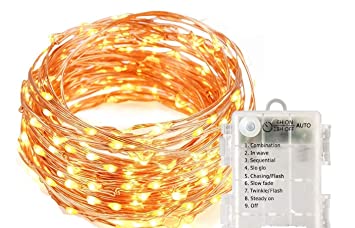
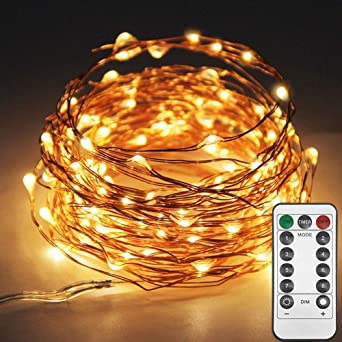
The Xergy 10M 100-LED string doubles both the length and the LED count for a modest step up in price. At 10 meters, you can line both sides of a garden path or wrap an entire raised bed frame. The build quality feels noticeably more robust, and the extra coverage makes a real visual difference after dark.
Yes, they still charge on overcast days — but at roughly 30–50% of full sun efficiency. That means shorter run times: expect 3–5 hours instead of 6–10. If you live somewhere with consistently gray skies, look for a set with a dual solar/battery option so you can top up the battery manually when needed.
The LED bulbs are rated for tens of thousands of hours and rarely fail first. The battery is the weak link — most degrade noticeably after 1–3 years of daily cycling. The wire and panel housing can also break down from UV exposure after a couple of outdoor seasons, especially on budget sets. Buying a mid-range brand with a warranty gives you better longevity.
Most sets are rated IP44 (splash-proof) or IP65 (jet-water resistant). For year-round outdoor use, you want IP65 or higher. Even fully waterproofed sets benefit from bringing the battery pack indoors during hard freezes — cold temps reduce battery capacity and repeated freeze-thaw cycles accelerate degradation.
Individual fairy light LEDs typically emit 0.5–2 lumens each. A 100-LED string produces roughly 50–200 total lumens — enough for ambiance, path visibility, and finding your way around the garden after dark. It's not enough for reading, task work, or supplemental plant growth lighting. Think of them as decorative and navigational, not functional grow lights.
For large spaces, look for 200+ LED sets on 20+ meter wires, or buy two separate 10-meter sets with independent panels. Run them from two different sunny locations to double your coverage. The Xergy 10M is a solid mid-range starting point — doubling up handles most standard large garden borders without straining a single battery pack.
Not if your set has an automatic light sensor — most modern ones do. In dusk-to-dawn mode, the sensor detects daylight and keeps the lights off while the panel charges the battery all day. They switch back on automatically at dusk. You only need to intervene if you want to override the schedule or use a manual mode.
Yes. Solar fairy lights operate at very low voltage — typically 1.2 to 3.7 volts — which is safe around children, pets, and garden plants. Copper wire versions are flexible and gentle enough to drape around plant stems and trellises without damage. Just make sure your set stays cool to the touch during use; quality LEDs generate minimal heat even after hours of operation.
The best solar fairy lights are a low-cost, zero-wiring way to enjoy your garden after dark — and once you find a good placement for the solar panel, they genuinely run themselves. Pick up a 10-meter, 100-LED set like the Xergy for outdoor raised beds and paths, or start smaller with the Pesca 50-LED set for an indoor windowsill or balcony planter. Give your panel a full sunny day to charge, set it to dusk-to-dawn mode, and step outside tonight to see the difference a little light makes in a space you've already put so much work into.
 |
 |
 |
 |

About Truman Perkins
Truman Perkins is a Detroit-based SEO consultant who's been in the business for over a decade. He got his start helping friends and clients get their websites off the ground, and he continues to do so today. In his free time, Truman enjoys learning and writing about gardening - something he believes is a natural stress reliever. He lives with his wife, Jenny, and their twins in Detroit.


Get new FREE Gifts. Or latest free growing e-books from our latest works.
Disable Ad block to reveal all the links. Once done, hit a button below
|
|
|
|
 rinjal