Gruyere cheese commands a retail price of roughly $20 to $30 per pound at specialty grocery stores, making the search for the best Gruyere cheese substitutes one of the most practical kitchen decisions you can make. Whether you're crafting a classic Swiss fondue, layering a French onion soup, or finishing a savory quiche, the right alternative delivers nearly identical flavor depth and melt quality at a fraction of the cost. At Trinjal, where we cover everything from plants, herbs, and farming to kitchen-ready ingredients grown in your own garden, understanding cheese science helps you cook with more confidence and less expense.

Gruyere originates from the Fribourg region of Switzerland, where its production follows strict AOC regulations governing everything from milk sourcing to minimum aging time. The result is a cheese with a dense, slightly grainy texture, a nutty-sweet aroma, and exceptional melt quality — properties that any viable substitute must approximate closely. The good news is that several widely available cheeses share enough of these characteristics to perform beautifully in nearly every application.
If you grow herbs at home — whether in containers, raised beds, or alongside a broader food-growing project like the ones covered in Trinjal's guide to profitable food crops and kitchen garden produce — you're already one step ahead, because fresh thyme, tarragon, and chives transform even a budget cheese substitute into something genuinely memorable.
Contents
Gruyere earns its reputation through a remarkable combination of sweet, nutty, and slightly earthy notes that intensify with age. A young Gruyere aged five months is mild and creamy, while a reserve wheel aged fourteen months or more delivers sharp, almost caramel-like complexity that deepens every dish it touches. This flavor range is precisely what makes a direct one-to-one swap feel challenging — you're trying to match a moving target depending on whether your recipe calls for a mild or an intensely aged profile. Most cooks reach for aged Gruyere when deep, savory flavor is the priority and young Gruyere when smooth, elastic melting takes the lead.
Gruyere appears across a wide range of preparations, and each use case calls for a slightly different approach when you're substituting:
Every viable Gruyere substitute shares one fundamental process with the original: it develops its character through controlled aging in temperature-stable, humid environments where microbial activity transforms raw milk proteins into layered complexity. Emmentaler, for example, undergoes a two-phase fermentation that creates its signature holes and builds a mild, nutty sweetness directly comparable to young Gruyere. Raclette spends at least three months aging on pine boards, absorbing microbial depth that makes it one of the most authentic-tasting alternatives available. If you appreciate how controlled fermentation transforms ordinary inputs into something exceptional, Trinjal's guide on preparing organic fertilizers through composting explores similar principles at work in a garden context.
A cheese melts smoothly when its fat, protein, and moisture content align within the right ratios under gentle, even heat. Gruyere achieves this through a full-fat cow's milk base, a minimum 45% fat-in-dry-matter content, and moderate aging that softens the protein matrix without drying it completely. Raclette and Fontina are the two substitutes that most closely match Gruyere's melting physics, producing silky, elastic results under the broiler or in a double boiler. Maasdam and Edam melt acceptably but can turn grainy if you push them above 180°F, so temperature control matters even more when you're working with these alternatives.
Pro tip: Always grate your substitute cheese finely before melting — finely grated cheese melts at lower temperatures, which prevents protein separation and gives you the silky, lump-free texture every recipe demands.
If you cook regularly or feed a large household, cost-per-pound shapes every purchasing decision. Maasdam and Edam consistently land at the lowest price points among all viable Gruyere alternatives, typically costing 60 to 70 percent less than authentic Gruyere at the same store. Jarlsberg — a Norwegian semi-firm cheese with a mild, nutty flavor profile — sits in the mid-price range and offers strong everyday value for quiche, casseroles, and toasted sandwiches. Just as growing your own herbs and vegetables cuts grocery spending without sacrificing quality (see Trinjal's guide to seeds for containers and grow bags for practical starting points), choosing the right cheese substitute trims your food budget without compromising the final dish.
For special occasions or recipes where flavor complexity genuinely carries the dish, Comté and Beaufort sit at the premium end of the substitute spectrum and are arguably closer to authentic Gruyere than anything else on this list. Comté in particular — produced in France's Jura region under strict AOC guidelines — shares Gruyere's alpine milk heritage and achieves comparable depth of flavor when aged over twelve months. The following comparison covers all major substitutes by flavor character, melt quality, ideal use, and approximate retail pricing:
| Cheese | Flavor Profile | Melt Quality | Best Use | Price per lb (approx.) |
|---|---|---|---|---|
| Emmentaler | Mild, nutty, slightly sweet | Excellent | Fondue, gratins, soups | $10–$16 |
| Raclette | Buttery, tangy, earthy | Excellent | Fondue, melted dishes | $15–$22 |
| Maasdam | Sweet, nutty, mild | Good | Sandwiches, casseroles | $8–$13 |
| Fontina | Earthy, buttery, mild | Excellent | Pasta, pizza, gratins | $12–$18 |
| Edam | Mild, slightly salty | Moderate | Cold dishes, snacking | $7–$11 |
| Jarlsberg | Mild, nutty, sweet | Good | Quiche, sandwiches | $9–$14 |
| Comté | Rich, complex, fruity | Excellent | Soups, gratins, boards | $18–$28 |
For any recipe that calls on high heat — fondue, French onion soup, gratins, baked pasta — you want Raclette, Emmentaler, or Fontina as your first-choice substitutes, because all three share Gruyere's superior melt behavior, producing smooth, elastic results under the broiler or in a saucepan. Emmentaler is particularly faithful in fondue: its fat content and protein structure behave nearly identically to Gruyere in the pot, meaning the difference disappears entirely once the cheese is blended with dry white wine and a stabilizing touch of cornstarch. For cooks interested in building a more self-sufficient, farm-connected kitchen, Trinjal's resource on starting a farm from scratch explores how to source dairy and produce directly from producers who make these alpine-style cheeses available year-round.
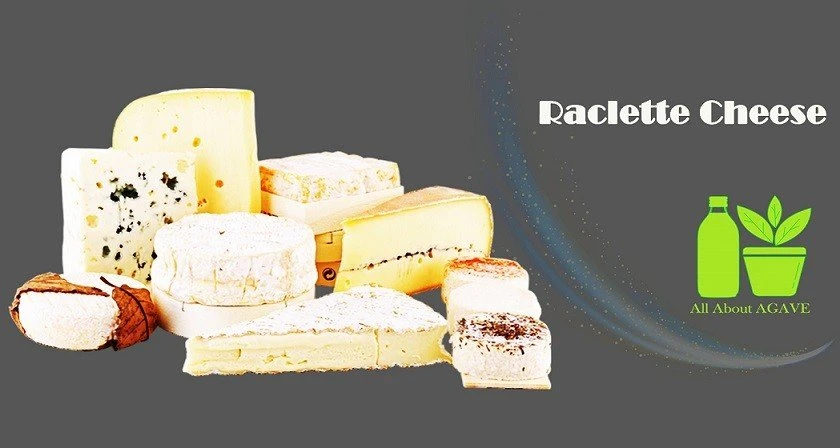
When melt quality is irrelevant — on a cheeseboard, sliced into a sandwich, or crumbled over a salad — your options broaden considerably, and budget-friendly picks like Edam and Maasdam perform just as well as their pricier counterparts. Both cheeses slice cleanly at refrigerator temperature, hold their structure on a board, and deliver a mild, pleasant flavor that pairs well with fruits, crackers, and cured meats. Avoid reaching for Raclette in cold applications: its high fat content turns waxy at room temperature, and its flavor reads flat and greasy without the warmth that activates its complexity.

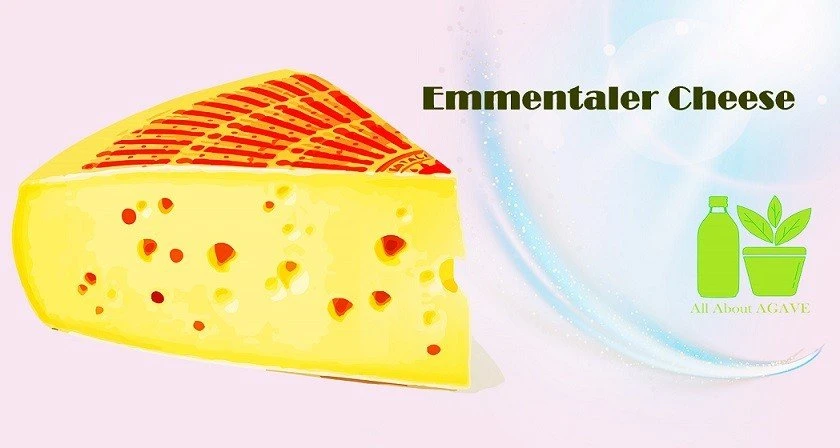
Emmentaler is the single most faithful substitute for Gruyere across the widest range of applications. Its advantages include an almost identical melt profile, wide availability in major supermarkets, and a price consistently lower than authentic Gruyere. Its primary limitation is a milder, less complex flavor — if your recipe depends on Gruyere's sharp, aged intensity, Emmentaler falls short without blending it with a sharper cheese. Raclette brings a richer, slightly more pungent character that many cooks actually prefer in hot applications; its drawback is availability, as you're more likely to find it in specialty cheese counters and European delis than in a standard grocery store.
Here is a direct breakdown of the remaining top picks so you can compare them at a glance:
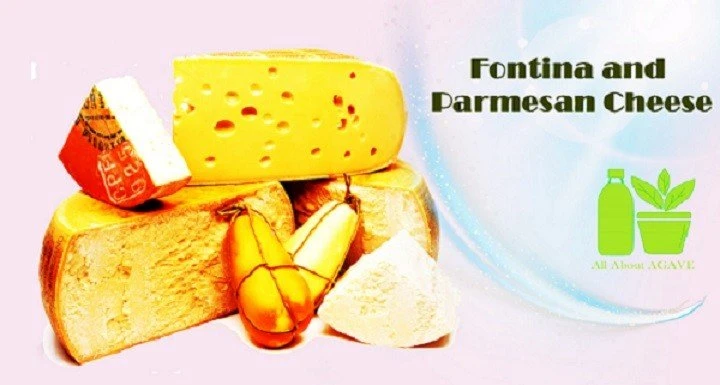
Warning: Never use aged Parmesan as a sole Gruyere replacement in fondue — its low moisture and high salt content prevent proper emulsification, and the result turns grainy and broken regardless of technique.
The most persistent misconception is that using a substitute guarantees a noticeably inferior dish every time. In properly constructed recipes — fondue blended with wine, soup finished under the broiler, quiche baked to a golden top — most tasters cannot reliably distinguish between Gruyere and a well-chosen alternative like Emmentaler or Comté. Blind taste tests conducted at culinary schools consistently confirm that cooking technique matters more than the specific cheese variety, particularly when strong supporting flavors like caramelized onions, Dijon mustard, or fresh herbs carry the dish forward. This mirrors a principle that gardeners know well: the right preparation method transforms an ordinary ingredient into something exceptional, just as Trinjal's guide on wood ash amendments demonstrates how simple inputs, applied correctly, produce remarkable results.
This myth persists partly because Gruyere's melt quality is genuinely outstanding — but it is not unique. Fontina d'Aosta, Raclette, and Emmentaler all achieve near-identical smooth, elastic melts because they share the same fat-to-protein ratio range and similar aging protocols that soften the protein matrix at moderate temperatures. The real variable is heat control: any of these cheeses turns grainy or oily if you rush the melt over high, impatient heat, and Gruyere behaves exactly the same way under the same conditions. Slow, gentle warmth with constant stirring produces perfect results regardless of which alpine-style cheese you've chosen — a patience-over-speed principle that feels familiar to anyone who has followed the careful soil-building process in Trinjal's guide to preparing potting soil from scratch.
Follow these steps to produce a fondue that performs exactly like the Gruyere original, using Emmentaler as your primary swap:
For French onion soup, Emmentaler or Comté work best because their melt behavior under the broiler produces the characteristic bubbly, browned crust without becoming stringy or turning tough on the edges. Lay your slices generously over toasted baguette rounds, float them over the hot soup in oven-safe crocks, and broil four to five inches from the heating element for three to four minutes until deeply golden and blistered. If you grow fresh thyme in a container or vertical setup — Trinjal's article on vertical gardening techniques is an excellent starting point for growing cooking herbs in small spaces — stirring a few fresh sprigs into the caramelized onion base before topping completely transforms the final flavor.

Emmentaler is the best single substitute for Gruyere in fondue because it shares nearly identical fat content, melt behavior, and mild nutty sweetness, and it is widely available at most grocery stores at a consistently lower price point than authentic Gruyere.
Mozzarella works in a pinch for melting applications like pizza or baked pasta, but it lacks Gruyere's nutty complexity and produces a far stretchier, milder result that fundamentally changes the flavor profile of dishes like fondue or French onion soup, where depth of flavor is the entire point.
Comté and Gruyere are closely related alpine-style cheeses sharing similar milk sources and aging traditions, but they are distinct AOC-protected products — Comté originates from France's Jura region and carries a slightly fruitier, more complex flavor that many cooks actually prefer over Gruyere in baked and broiled applications.
Use a straight one-to-one weight substitution for every cheese on this list, since their moisture and fat content are comparable to Gruyere — the one exception is aged Parmesan or Pecorino, which are significantly drier and saltier and should only ever be blended at half the quantity alongside a milder substitute.
Yes — for baking applications where a golden crust and flavor complexity matter most, Comté or Fontina are your strongest options, while for stovetop applications demanding smooth, fluid melt like fondue or béchamel sauce, Emmentaler and Raclette outperform every other alternative on this list.
 |
 |
 |
 |

About Christina Lopez
Christina Lopez grew up in the scenic city of Mountain View, California. For eighteen ascetic years, she refrained from eating meat until she discovered the exquisite delicacy of chicken thighs. Christina is a city finalist competitive pingpong player, an ocean diver, and an ex-pat in England and Japan. Currently, she is a computer science doctoral student. Christina writes late at night; most of her daytime is spent enchanting her magical herb garden.


Get new FREE Gifts. Or latest free growing e-books from our latest works.
Disable Ad block to reveal all the links. Once done, hit a button below
|
|
|
|
 rinjal