Making honey simple syrup is easy: combine equal parts honey and warm water, stir until dissolved, and cool before using. That's the complete recipe. But if you want a syrup that stores well, tastes balanced, and works for everything from herb-infused drinks to natural skincare, the details make a real difference. Knowing how to make honey simple syrup properly gives you a flexible pantry staple you'll reach for constantly. If you grow herbs at home, our plants and herbs farming guides are a great place to find plants that pair naturally with honey.
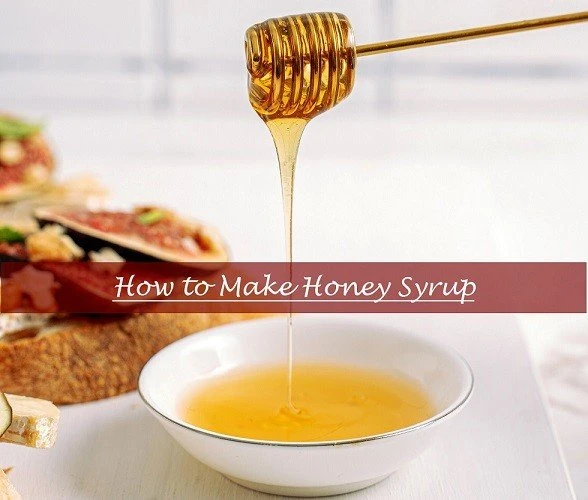
Honey syrup has something regular simple syrup doesn't: character. Depending on which honey you use — wildflower, clover, buckwheat, or manuka — your syrup carries different floral, earthy, or fruity undertones. That makes it more interesting as an ingredient and naturally complementary to garden herbs like basil, lavender, thyme, and mint. If you already experiment with homemade ingredients, you'll find it pairs well alongside homemade extracts like vanilla, mint, and lemon for a well-stocked kitchen.
This guide covers what honey syrup actually is, clears up common myths, walks through what you need, troubleshoots the most frequent problems, and gives you practical ways to get more from every batch.
Contents
Honey simple syrup is a liquid sweetener made by dissolving honey in water. The result is a thinner, pourable form of honey that mixes effortlessly into cold liquids — something raw honey won't do because it's too thick and viscous. You keep all the flavor of honey with none of the clumping.
The word "simple" refers to the process, not the flavor. The method is quick, but the final product can be surprisingly nuanced depending on your honey choice and any herbs or spices you add. It's one of those small-effort, high-return kitchen projects.
Standard simple syrup uses white granulated sugar dissolved in water. It sweetens well, but adds no flavor of its own. Honey syrup changes that. Here's a direct side-by-side so you can see exactly what you're working with:
| Feature | Honey Simple Syrup | Regular Simple Syrup |
|---|---|---|
| Base ingredient | Raw or filtered honey | White granulated sugar |
| Flavor profile | Floral, earthy, complex | Neutral sweetness only |
| Heat required | Warm water only (120–140°F / 49–60°C) | Can boil; lower temps also work |
| Standard ratio | 1:1 honey to water | 1:1 sugar to water |
| Shelf life (refrigerated) | 2–4 weeks | 3–4 weeks |
| Best pairings | Herbs, citrus, spices, tea | Cocktails, baking, general use |
The main trade-off is shelf life. Because honey syrup contains water, it's more susceptible to fermentation than undiluted honey. Refrigerate it always and aim to use it within three to four weeks.
If you tend a herb garden, honey syrup becomes a natural extension of what you're already growing. Fresh herbs release their oils quickly in warm liquid, and honey's natural compounds help bind and preserve those flavors. The result is more interesting than either ingredient on its own.
Basil makes a stunning infused honey syrup — almost floral, with a subtle peppery warmth. If you're growing it indoors, our guide on growing basil indoors will help you keep a steady supply through any season. Turmeric is another strong candidate — it adds warm color and an earthy bite. More on that in the infusions section.
Tip: Never boil honey syrup — temperatures above 160°F (71°C) destroy beneficial enzymes and can cause a bitter, flat taste. Warm water is genuinely all you need.
A surprising amount of misinformation exists about how to make honey simple syrup. Most of it comes from applying sugar syrup rules to honey, which doesn't behave the same way. Here are the most common myths worth clearing up.
No — and this is the most common mistake people make when switching from regular simple syrup. Sugar syrup is sometimes boiled to dissolve crystals fully and sterilize the liquid. Honey dissolves readily in warm water without any boiling at all. According to Wikipedia, honey is primarily composed of fructose and glucose, both of which dissolve easily in warm liquid well below the boiling point.
High heat also breaks down honey's natural enzymes, antioxidants, and many of the aromatic compounds that give different varieties their distinct character. Keep water temperature between 120–140°F (49–60°C) — warm to the touch, not steaming.
Not necessarily. The 1:1 ratio (one part honey to one part water by volume) is the standard starting point and works well for most purposes. But there are legitimate reasons to adjust:
Start with 1:1 until you understand how your particular honey behaves, then adjust from there. Stronger-flavored honeys often benefit from a slightly higher water ratio.
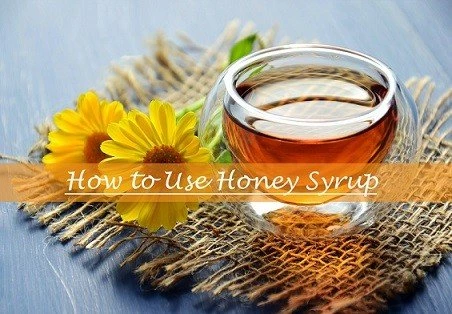
You don't need anything special or hard to find. Most of what's on the list is probably already in your kitchen. Pull these together before you start and the process takes under five minutes.
No special equipment is required. A standard mason jar works perfectly for storage. If you use a glass jar, make sure it's fully dry before adding the syrup — any water residue left inside can encourage early mold growth and shorten shelf life.
The honey you choose changes the flavor of your syrup noticeably. Here's a quick guide to common varieties and what they bring to the table:
Raw, unpasteurized honey retains more natural enzymes and antioxidants. If you have access to a local beekeeper or farmers' market, raw wildflower honey is worth trying — especially for infused syrups where you want the most flavor complexity possible.
Warning: If your syrup develops a fermented smell or visible mold, discard the entire jar — don't just skim the surface. Contaminated syrup is not safe to salvage.
Most problems with honey simple syrup have a clear cause and a simple fix. Here are the issues you're most likely to run into, and what to do about each one.
Cloudiness is almost always harmless. It typically comes from one of three sources:
If the syrup is cloudy and has an off smell, that's a different problem — see the warning above. Haze alone, though? Not an issue worth worrying about.
Crystallization happens when the honey's natural glucose solids form visible crystals at cooler temperatures. It doesn't mean the syrup has gone bad. To fix it, set the jar in a bowl of warm (not boiling) water and stir gently until the crystals dissolve back into solution. To prevent recurrence, store the syrup at the back of the fridge where the temperature is most consistent, and consider using a slightly higher water ratio — closer to 1:1.5 — to give the sugars more room in solution.
Once you've nailed the basic recipe, the real creativity starts. Honey syrup is a versatile base for infusions, cooking uses, and applications well beyond the kitchen counter.
Add fresh or dried herbs to your warm honey-water mixture and let them steep for 15–30 minutes before straining. The warm liquid extracts flavor gently without cooking the herbs. Some garden-friendly combinations worth trying:
Microgreens are another underrated option. Pea shoots and sunflower microgreens have a mild, grassy sweetness that works in honey syrups intended for salad dressings or grain bowls. If you'd like to grow your own, our guide on growing microgreens at home covers everything from trays to harvest timing.

Honey syrup has more applications than most people realize. Here's where it shows up outside of sweetening drinks:
The versatility is real. Once you keep a jar in the fridge, you'll find yourself reaching for it far more often than you expected — for cooking, gardening-adjacent projects, and everyday wellness uses alike.
Stored in a clean, airtight glass jar in the refrigerator, honey simple syrup typically lasts two to four weeks. A richer 2:1 ratio — more honey, less water — keeps slightly longer because less water means fewer conditions for bacterial growth. Always check for off smells or visible mold before using a stored batch.
Yes, though it takes longer. Room-temperature water will eventually dissolve honey with enough stirring — sometimes 10 to 15 minutes of steady effort. Warm water between 120–140°F speeds the process to under two minutes with much less effort. Both methods work equally well; warm water is simply more practical for everyday use.
Absolutely. Flavored honeys — like cinnamon-infused or chili honey — translate well into syrup and can save you a steeping step. Just keep in mind that pre-flavored honeys vary widely in intensity, so start with a smaller amount, taste, and adjust the ratio before making a full batch.
The best pantry staples do more than one job — and honey simple syrup, made right, earns its place in your kitchen, your garden routine, and just about everywhere in between.
 |
 |
 |
 |

About Christina Lopez
Christina Lopez grew up in the scenic city of Mountain View, California. For eighteen ascetic years, she refrained from eating meat until she discovered the exquisite delicacy of chicken thighs. Christina is a city finalist competitive pingpong player, an ocean diver, and an ex-pat in England and Japan. Currently, she is a computer science doctoral student. Christina writes late at night; most of her daytime is spent enchanting her magical herb garden.


Get new FREE Gifts. Or latest free growing e-books from our latest works.
Disable Ad block to reveal all the links. Once done, hit a button below
|
|
|
|
 rinjal