Last winter, I found myself craving fresh shiso leaves for a homemade sushi night — only to realize the nearest Asian grocery was sold out. That frustration led me to a windowsill experiment that changed my kitchen garden forever. Learning how to grow shiso indoors is one of the most rewarding projects for any herb enthusiast, and it's far simpler than you'd expect. Whether you know it as perilla or beefsteak plant, this aromatic herb thrives inside your home with the right setup. If you've successfully grown other windowsill herbs like basil, you already have most of the skills you need.
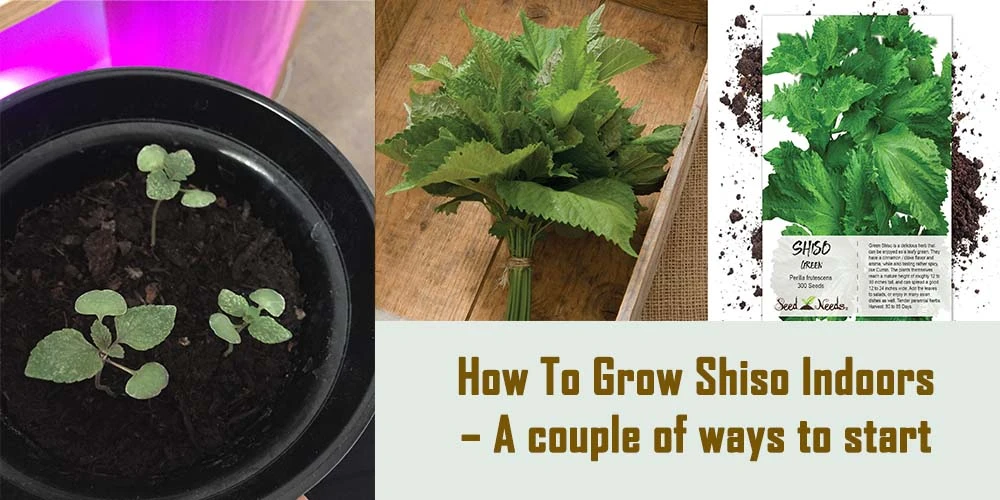
Shiso (Perilla frutescens) is a staple in Japanese, Korean, and Vietnamese cooking, prized for its complex flavor — somewhere between basil, mint, and cinnamon. Both the green and purple varieties grow well indoors, and a single plant can supply leaves for months when properly maintained. The key is understanding what this plant needs and providing consistent conditions.
Below, you'll find everything from seed-starting techniques to harvest strategies, all tailored for indoor growing. Let's turn that empty windowsill into a shiso production line.
Contents
One of the biggest advantages of learning how to grow shiso indoors is that you aren't locked into outdoor planting calendars. Still, timing matters more than most people think.
Shiso germinates best when temperatures stay between 68–75°F (20–24°C). Most homes hit this range naturally, which means you can start seeds almost any time. That said, late winter through early spring gives you the longest productive season because increasing daylight supports faster growth during the critical seedling stage.
If you're using a grow light, seasonality becomes less important. A consistent 12–14 hours of light lets you start shiso in any month. This flexibility is similar to what you'd do when growing microgreens at home — controlled light overrides natural cycles.
Avoid starting seeds during periods when your home environment is unstable:
Patience at the start prevents frustration later. A failed germination attempt wastes 2–3 weeks you won't get back.
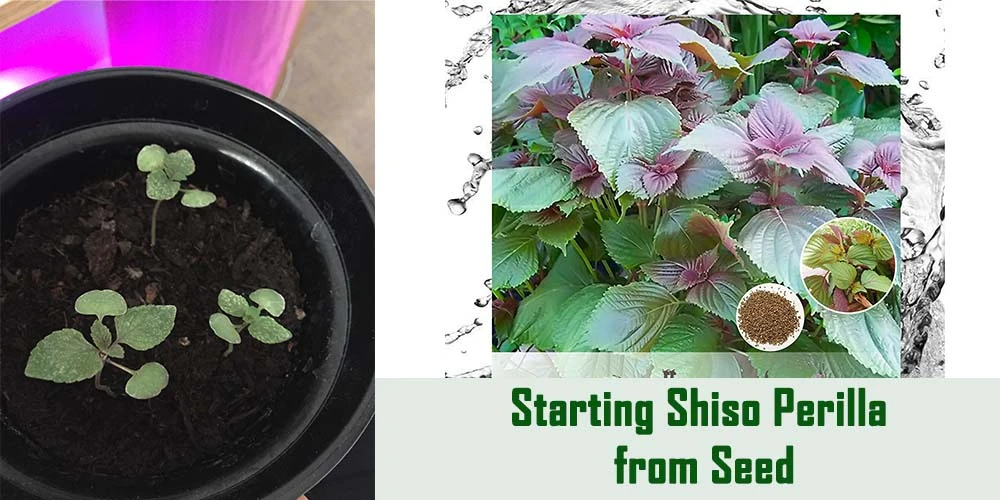
You have two reliable paths to indoor shiso plants. Seeds are the most common route, but cuttings offer a faster shortcut if you have access to a mature plant.
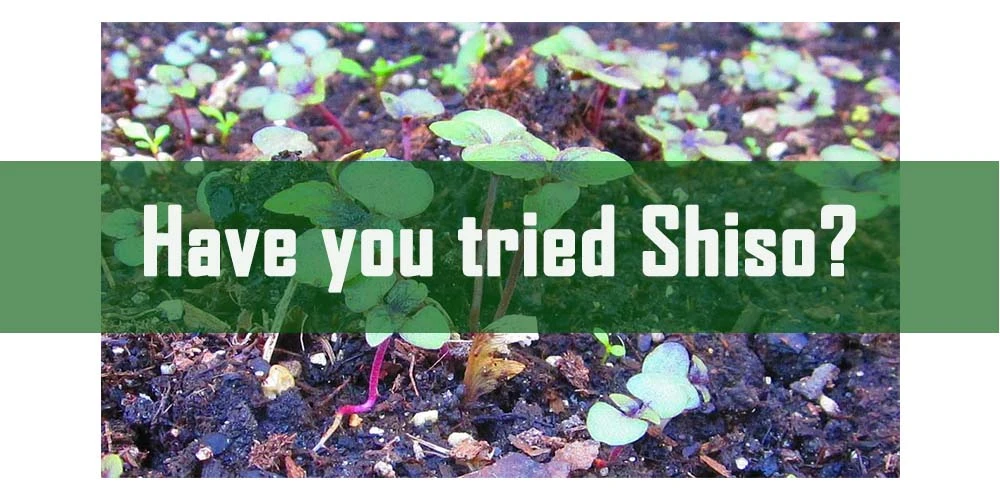
Shiso seeds need light to germinate — this is the single most important thing to remember. Do not bury them. Press seeds gently onto the surface of moist seed-starting mix and keep them uncovered.

Here's the step-by-step process:
Germination is notoriously uneven with shiso. Don't panic if nothing happens in the first week. Some seeds take the full three weeks. According to the Wikipedia entry on Perilla frutescens, the plant has been cultivated in East Asia for centuries — it's hardy, just slow to start.
If you already have an outdoor shiso plant or know someone who does, cuttings root easily in water:
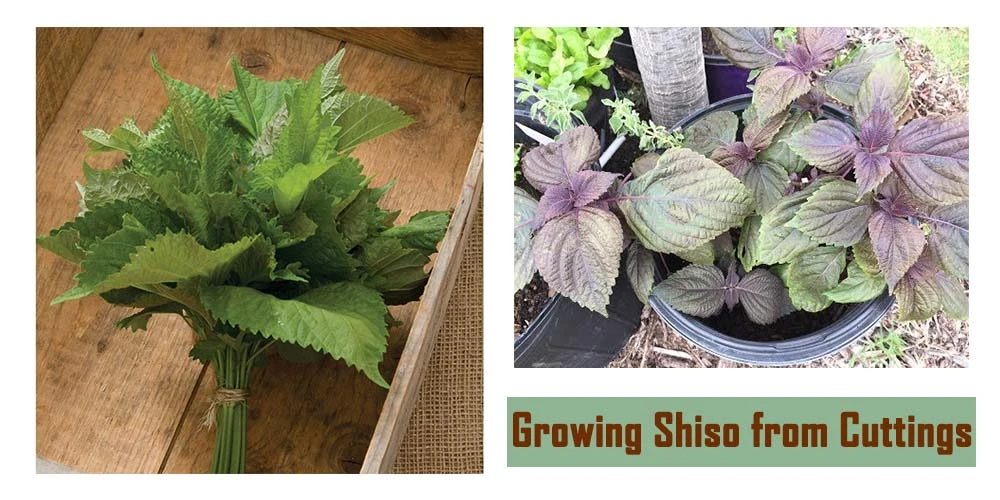
Cuttings give you a head start of about 3–4 weeks compared to seeds. They also guarantee you'll get the exact variety (green or purple) of the parent plant.
Indoor shiso demands at least 6 hours of direct sunlight. A south- or west-facing window works best. If your light is marginal, supplement with a full-spectrum LED grow light set 6–8 inches above the plant.
Watering follows a simple rule: keep the soil consistently moist but never waterlogged. Check the top inch of soil daily. If it's dry, water thoroughly until it drains from the bottom. This is the same principle you'd follow when growing leafy vegetables in pots — consistent moisture without standing water.
Use a well-draining potting mix amended with perlite (roughly 70/30 ratio). Shiso isn't a heavy feeder, but a balanced liquid fertilizer every 2–3 weeks during active growth keeps leaves large and flavorful.
| Care Factor | Requirement | Frequency |
|---|---|---|
| Light | 6–8 hours direct or 12–14 hours grow light | Daily |
| Water | Moist soil, top inch dry before watering | Every 1–2 days |
| Fertilizer | Balanced liquid (10-10-10), half-strength | Every 2–3 weeks |
| Humidity | 50–70% relative humidity | Constant — mist if below 40% |
| Temperature | 65–75°F (18–24°C) | Constant — avoid drafts |
| Pot Size | 8–12 inch diameter, with drainage holes | Repot when root-bound |
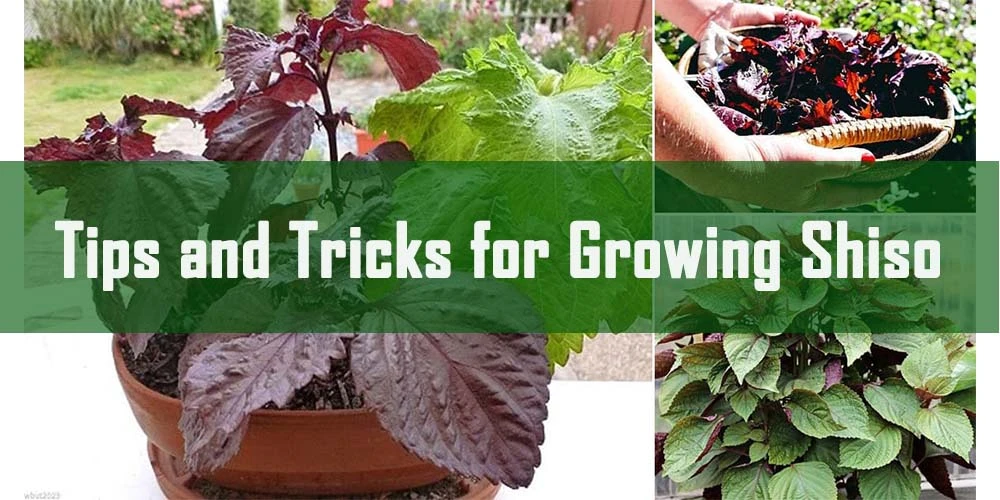
This is where most indoor shiso growers leave results on the table. Regular pinching is the single biggest factor in plant productivity. Once your plant has 4–6 sets of leaves, pinch off the top growth just above a leaf pair. This forces two new branches from each pinch point.
Repeat this every time a branch develops 3–4 new leaf pairs. Within a month, you'll have a bushy, compact plant instead of a leggy single stalk. If you've grown catnip indoors, the pinching technique is identical.
Also critical: remove flower buds the moment they appear. Once shiso flowers, the leaves turn bitter and the plant's energy shifts to seed production. Pinch those buds without hesitation.
Fresh shiso leaves elevate dishes in ways dried herbs simply cannot. Here are the most popular uses:
Purple shiso is especially popular for pickling. It gives umeboshi (Japanese pickled plums) their signature deep red color and adds a distinctive aromatic note you can't replicate with any other herb.
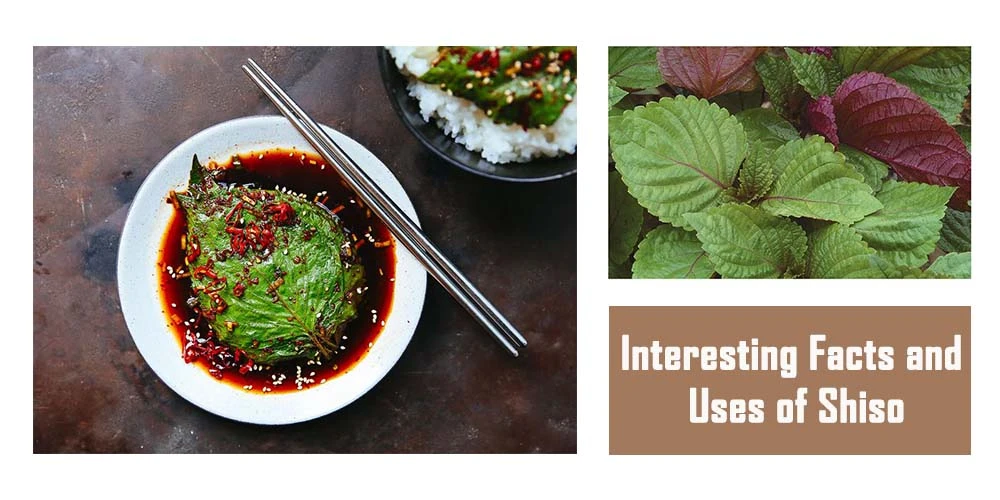
Shiso has traditional medicinal uses across East Asia. The leaves contain rosmarinic acid, an antioxidant studied for its anti-inflammatory properties. Some growers dry leaves to brew into tea. The plant also makes an attractive ornamental — purple shiso in particular adds dramatic color to an indoor herb display.
Growing shiso indoors through all four seasons taught me that this plant communicates clearly. In winter, growth slows dramatically — sometimes to a near standstill. That's normal, not a failure. Reduce watering, pause fertilizing, and let the plant rest.
Come spring, you'll see an explosion of new growth. That's your signal to resume regular feeding and increase watering frequency. If you're growing near a window, rotate the pot a quarter turn every few days to prevent lopsided growth toward the light.
Summer brings the biggest challenge: bolting. Long days trigger flowering instincts. Stay vigilant with bud removal, and consider reducing light exposure to 10–12 hours if bolting becomes persistent.
After growing multiple shiso plants indoors over several cycles, these are the issues that actually come up — not theoretical ones:
Most problems trace back to light or water. Get those two right and shiso is remarkably forgiving. It's one of those herbs that rewards basic consistency over fussy intervention — much like growing avocado indoors, where patience and steady care matter more than any single technique.
 |
 |
 |
 |

About Truman Perkins
Truman Perkins is a Detroit-based SEO consultant who's been in the business for over a decade. He got his start helping friends and clients get their websites off the ground, and he continues to do so today. In his free time, Truman enjoys learning and writing about gardening - something he believes is a natural stress reliever. He lives with his wife, Jenny, and their twins in Detroit.


Get new FREE Gifts. Or latest free growing e-books from our latest works.
Disable Ad block to reveal all the links. Once done, hit a button below
|
|
|
|
 rinjal