Agave stricta can survive for over 100 years in the wild, yet most home gardeners struggle to keep one alive past its first winter indoors. Learning how to grow agave stricta correctly from the start eliminates the guesswork and sets you up for decades of low-maintenance beauty. This striking succulent, commonly called the hedgehog agave, produces dense rosettes of narrow, stiff leaves that add architectural drama to any garden or container setup. Whether you're growing it on a sunny patio or tucking it into a rock garden, the principles remain the same once you understand what this desert native actually needs.
Native to the Puebla region of Mexico, agave stricta thrives in USDA hardiness zones 9 through 11, tolerating temperatures down to about 25°F before sustaining damage. It grows slowly, reaching roughly 20 inches tall and wide at maturity, which makes it an ideal candidate for containers and small-space gardens alike. The species belongs to the Agave genus, a group of over 200 succulent species prized for their resilience and sculptural forms.
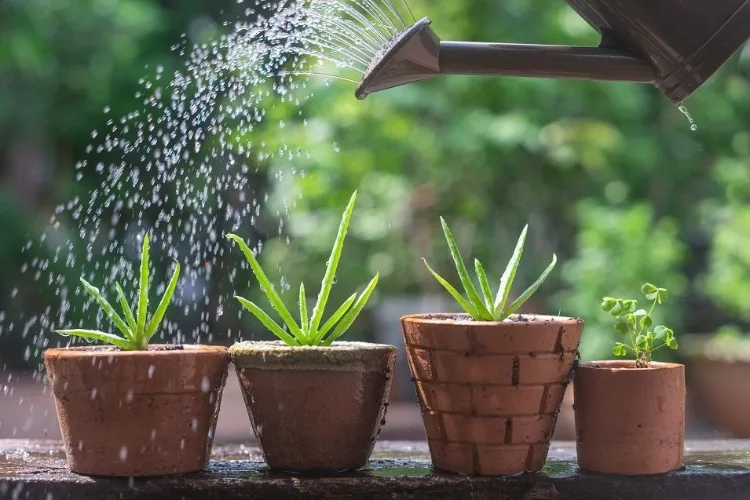
If you've had success with growing aloe vera, you already have a solid foundation for caring for agave stricta, since both plants share a preference for bright light and infrequent watering. The key differences lie in soil composition, cold tolerance, and fertilization timing, all of which you'll master in the sections below.
Contents
Getting the fundamentals right from day one prevents nearly every problem you'll encounter later, so treat this section as your planting blueprint for how to grow agave stricta with confidence.
Agave stricta demands fast-draining soil above all else, because its roots rot within days if they sit in moisture. A quality cactus and succulent mix works well as a base, but you should amend it further for optimal results:
Soil pH between 6.0 and 7.5 supports healthy nutrient uptake, and you can test this inexpensively with a probe meter from any garden center. If your native soil runs acidic, a light dusting of agricultural lime during planting corrects it effectively.
Full sun exposure of at least six hours daily produces the tightest, most compact rosettes with the deepest coloring. In regions with intense afternoon heat above 100°F, filtered light during the hottest two to three hours prevents leaf tip scorching. Indoor growers should position their agave stricta within two feet of a south-facing window, rotating the pot a quarter turn weekly to promote even growth across all sides of the rosette.
Pro tip: If your agave stricta's leaves start stretching apart and losing their tight rosette shape, it's getting insufficient light — move it to a brighter location immediately before the etiolation becomes permanent.
Even experienced gardeners run into issues with agave stricta when environmental conditions shift unexpectedly, so diagnosing problems early keeps small setbacks from becoming fatal ones.
Overwatering is the single most common killer of agave stricta in cultivation, and the symptoms mimic other issues enough to confuse newer growers. Watch for these warning signs:
If you catch rot early, unpot the plant immediately, trim away all affected roots with sterile shears, and let the root ball air-dry for 48 hours before repotting in completely fresh, dry mix. Prevention beats treatment every time — use the "soak and dry" method exclusively, watering deeply only when the soil is bone dry at least two inches below the surface.
Agave stricta's tough leaves deter most chewing insects, but sap-sucking pests like agave snout weevils and mealybugs can establish colonies in the dense leaf axils. Inspect the base of the rosette monthly, looking for cottony white deposits or tiny orange-brown beetles. A strong blast of water dislodges mealybugs, while systemic insecticides containing imidacloprid provide longer-term protection against weevils that bore into the crown. If you're managing a broader pest problem in your garden beds, you might also want to review strategies for eliminating ants, since ants often farm and protect mealybug colonies on succulents.
Understanding what agave stricta does well and where it falls short helps you decide whether it fits your specific growing conditions and design goals. Here's an honest comparison:
| Attribute | Strength | Limitation |
|---|---|---|
| Drought tolerance | Survives weeks without water once established | Cannot tolerate standing water or soggy roots |
| Cold hardiness | Handles brief dips to 25°F | Sustained freezes below 20°F cause irreversible damage |
| Growth rate | Slow growth = minimal pruning needed | Takes 10+ years to reach full mature size |
| Maintenance | Almost no fertilizing or grooming required | Sharp leaf tips pose a hazard near walkways and play areas |
| Propagation | Produces offsets (pups) for free new plants | Pups appear infrequently, often only at maturity |
| Container growing | Compact size suits pots and planters perfectly | Requires well-draining pots; decorative glazed pots need extra drainage |
For gardeners in zones 9–11, the strengths overwhelmingly outweigh the limitations, particularly if you're building a xeriscape or low-water landscape design. In colder climates, container growing with winter protection keeps agave stricta viable as a seasonal outdoor accent.
Beyond the basics of soil and sunlight, a few nuanced techniques separate thriving agave stricta specimens from those that merely survive year after year.
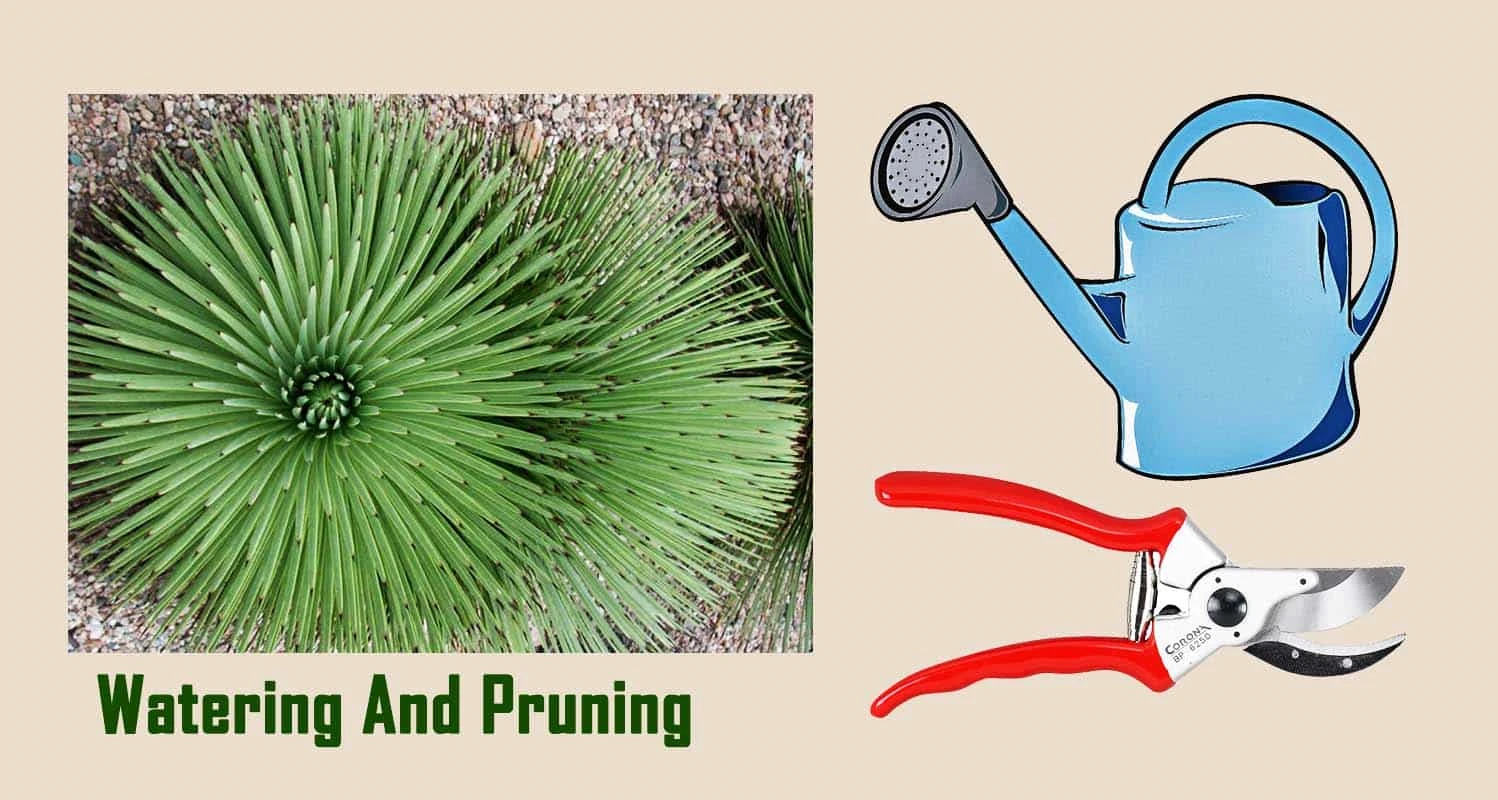
During the active growing season from spring through early fall, water your agave stricta every 10 to 14 days, adjusting based on temperature and humidity. In winter, reduce watering to once every four to six weeks, since the plant enters a semi-dormant state and processes moisture far more slowly. Always check the soil two inches down before watering, because surface dryness alone doesn't reflect the moisture level at the root zone where it matters most.
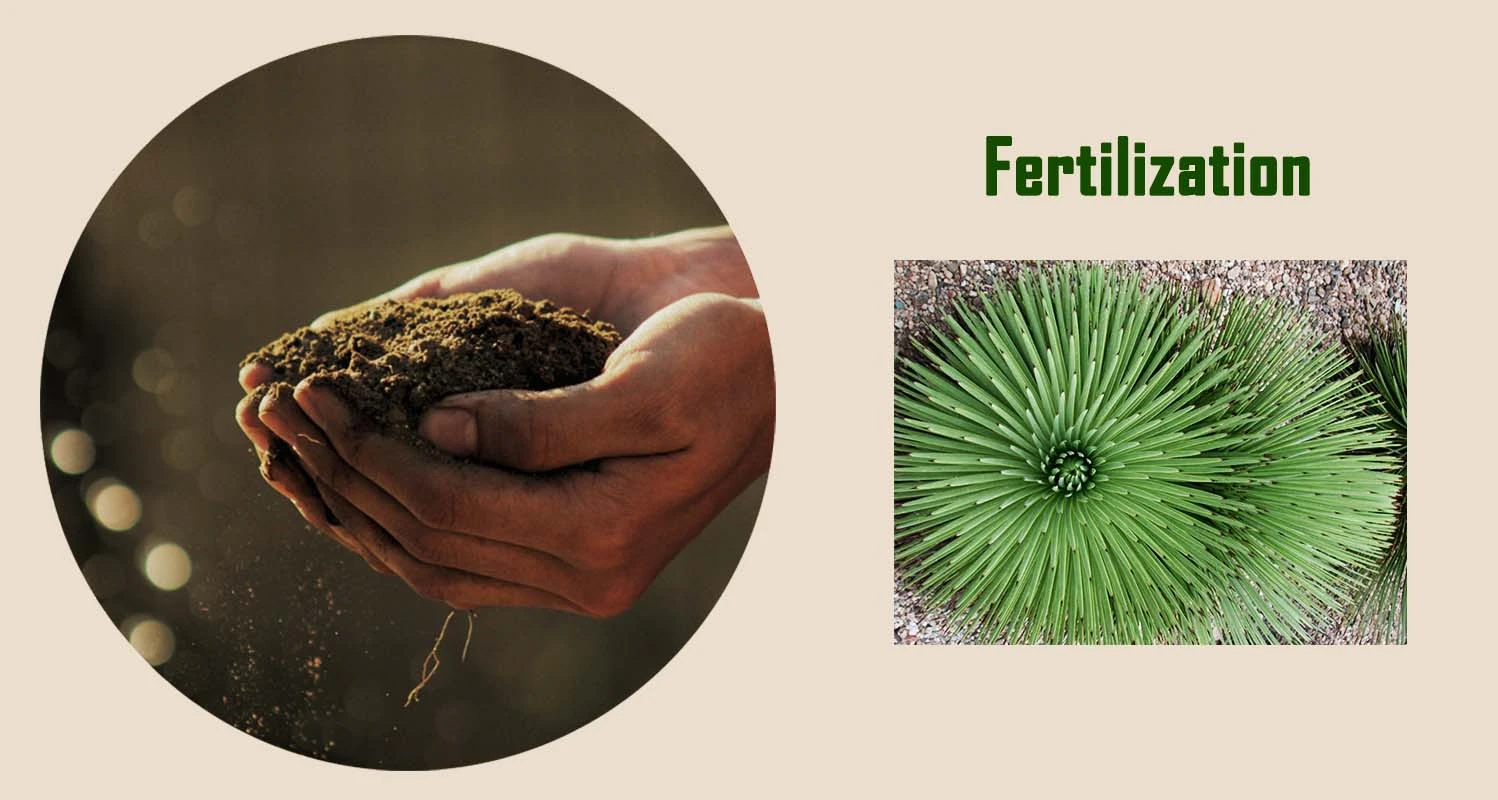
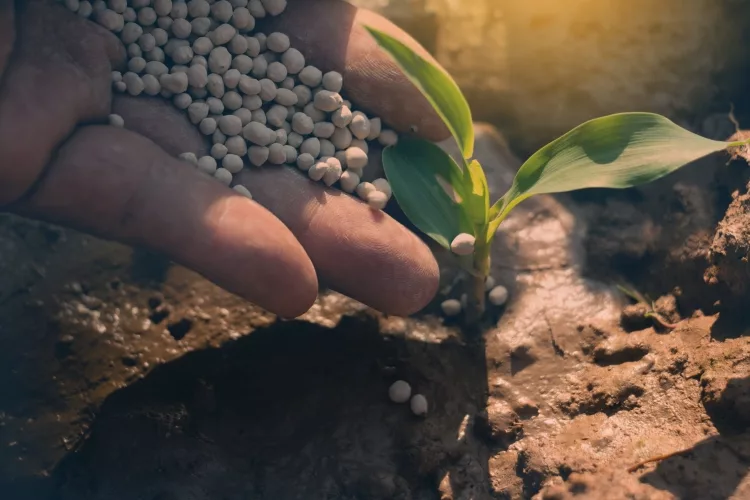
Less is genuinely more when fertilizing agave stricta. A single application of balanced, diluted liquid fertilizer (10-10-10 at half strength) in early spring provides everything the plant needs for the entire season. Over-fertilizing pushes soft, leggy growth that weakens the plant's natural structure and increases vulnerability to pests. If you're curious about proper dosing for succulents and other garden plants, this guide on liquid fertilizer amounts covers the specifics thoroughly.
Agave stricta tolerates transplanting well when you follow a few critical steps to minimize root disturbance and stress on the plant:

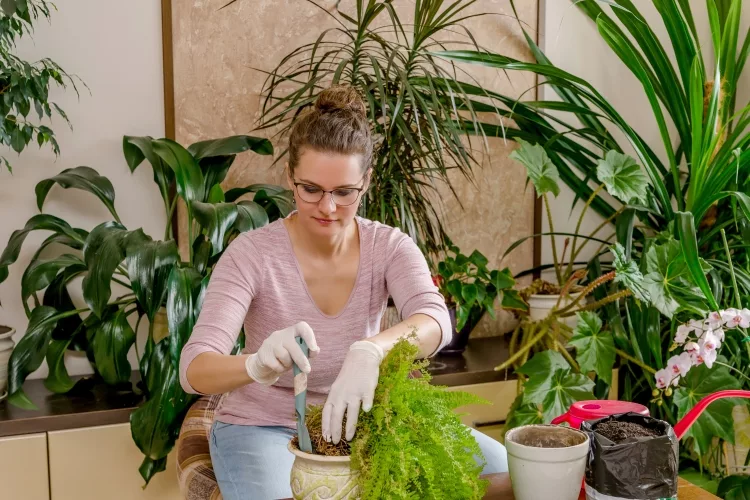
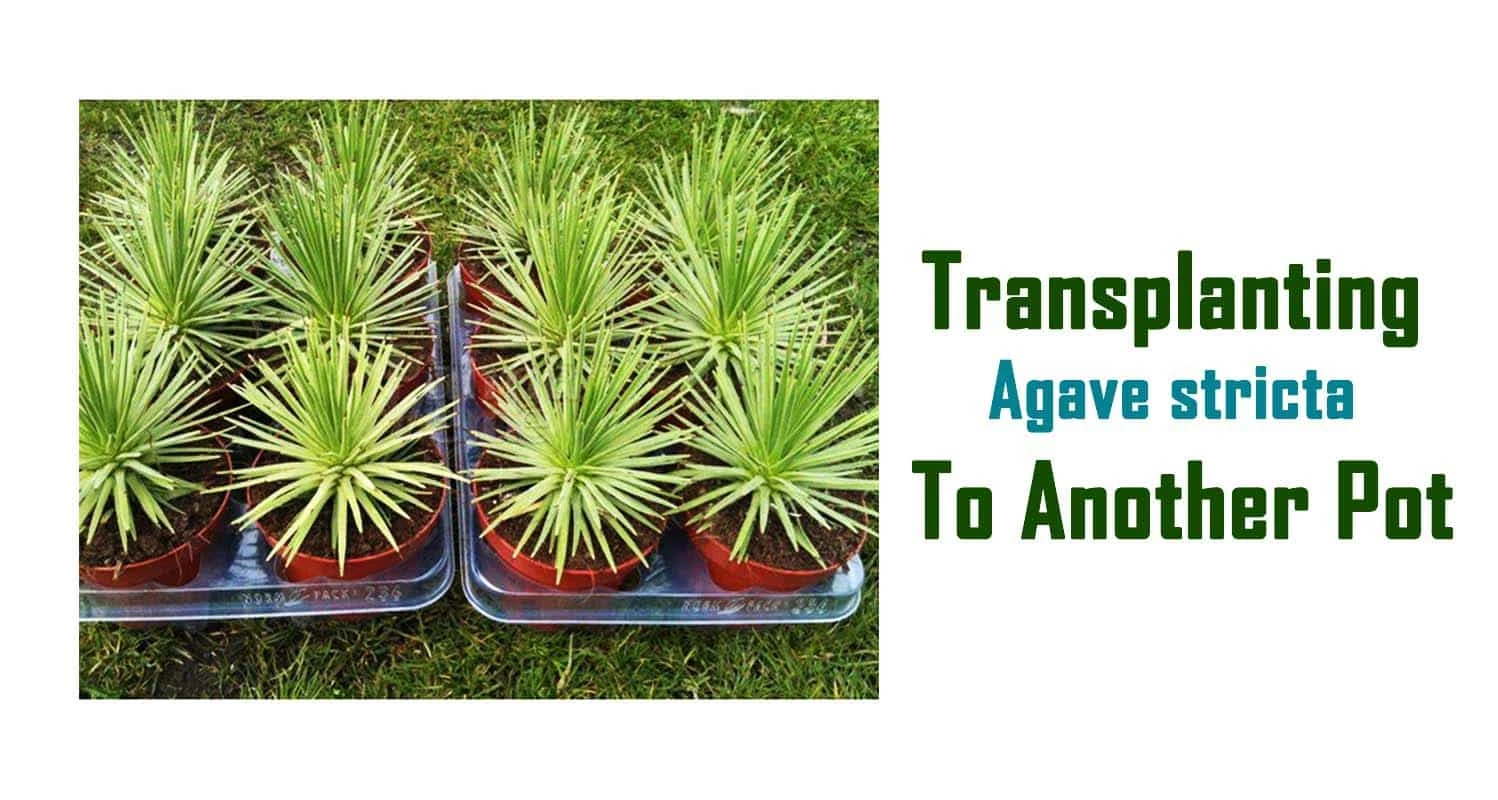
When moving your agave stricta to a new container, choose a pot only one to two inches wider in diameter than the previous one, because excess soil volume holds moisture that the roots cannot absorb quickly enough. If you need guidance on layering drainage materials in your new container, check out this walkthrough on how to fill an outdoor planter for the step-by-step method.
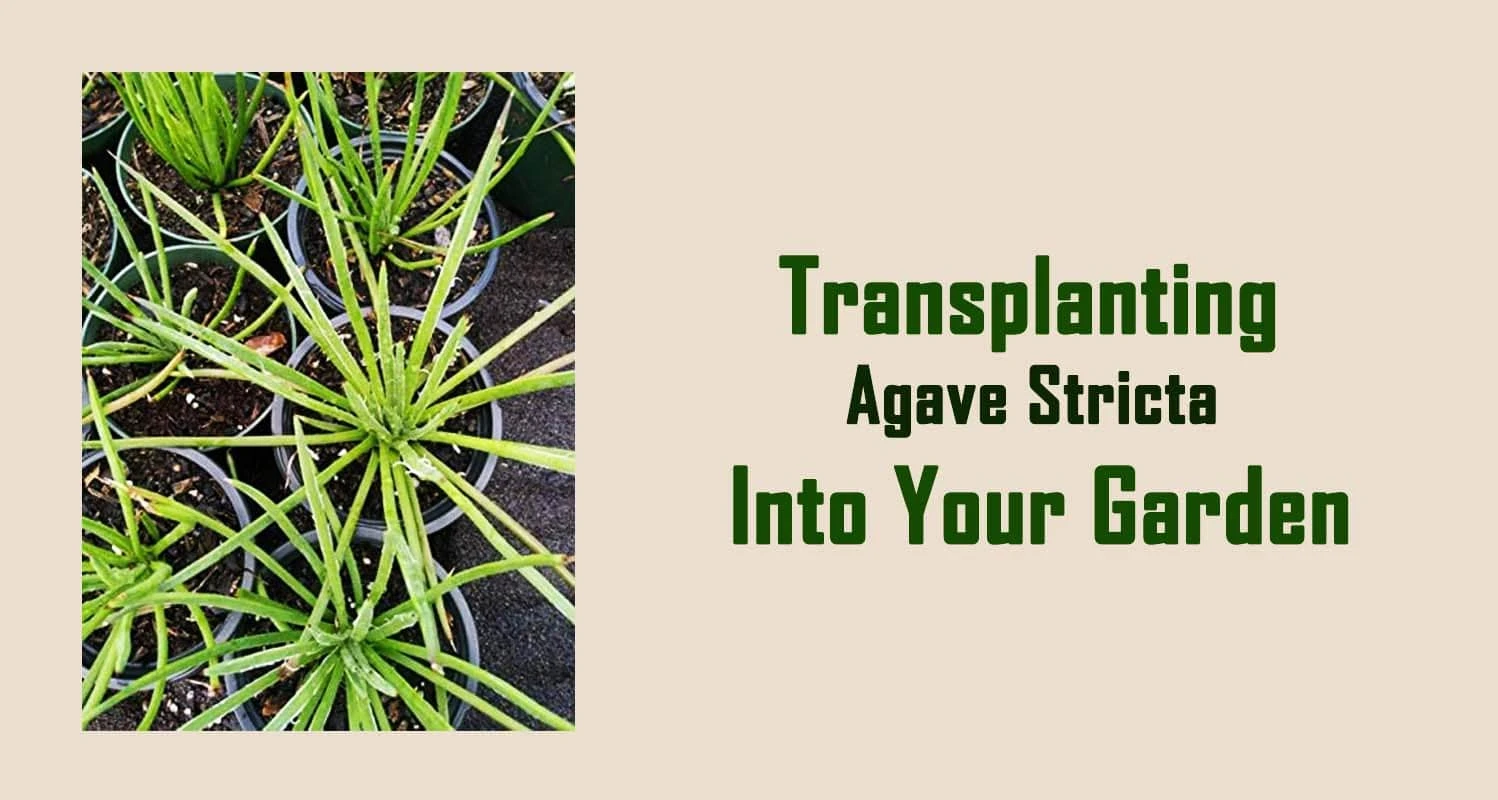
Warning: Never transplant agave stricta during its winter dormancy period — the roots heal too slowly in cool conditions, making root rot almost inevitable.
Misinformation about agave care circulates widely online, and blindly following bad advice leads to preventable plant loss. Here are the biggest myths you need to stop believing.
"Agave stricta never needs water." While drought-tolerant, it absolutely requires supplemental watering during prolonged dry spells, especially in containers where roots cannot seek deeper moisture reserves. Neglecting water entirely leads to shriveled, stunted rosettes that lose their ornamental appeal over several months.
"You should mist your agave regularly." Misting does nothing beneficial for agave stricta and actively invites fungal infections by keeping moisture trapped between the tightly packed leaves, exactly where airflow is poorest. Water the soil directly at the base and keep the foliage completely dry during every watering session.
"All succulents need the same care." Agave stricta has specific cold tolerance, growth habits, and lifespan characteristics that differ substantially from echeveria, sempervivum, or even other agave species. Treating it like a generic succulent ignores its unique requirements and leads to suboptimal results in both health and appearance.
"Sandy soil alone is sufficient." Pure sand drains too fast and provides zero nutrient retention, which starves the plant over time even though agave stricta is a light feeder. The ideal mix blends sand with organic material and mineral amendments for balanced drainage and modest fertility.
"Agave stricta dies after flowering." This is true for many agave species, but agave stricta is polycarpic, meaning it can flower and continue living afterward — a significant distinction that makes it more rewarding as a long-term garden investment than its monocarpic relatives.
Agave stricta is a slow grower, typically adding only one to two inches of height per year under ideal conditions. Most specimens take a full decade to reach their mature size of roughly 20 inches in diameter, so patience is essential when cultivating this species.
You can grow it indoors successfully if you provide at least six hours of bright, direct sunlight daily through a south-facing window. Supplement with a full-spectrum grow light during winter months when natural daylight drops below that threshold to prevent etiolation.
Wait until offsets are at least three inches tall, then carefully separate them from the mother plant using a clean, sharp knife, cutting through the connecting root. Let the cut surface dry for two to three days before planting the pup in its own pot with fresh cactus mix.
Agave stricta contains oxalate crystals that cause mouth irritation and gastrointestinal discomfort in cats and dogs if ingested. Position the plant out of reach of curious pets, and the sharp leaf tips pose an additional physical hazard to animals that investigate too closely.
You now have everything you need to grow agave stricta with confidence, from soil preparation through transplanting and long-term maintenance. Pick up a healthy specimen from your local nursery this weekend, pot it in a well-draining mix, and give it the sunniest spot you have — you'll be rewarded with a striking, nearly indestructible plant that only gets more impressive with each passing year.
 |
 |
 |
 |

About Christina Lopez
Christina Lopez grew up in the scenic city of Mountain View, California. For eighteen ascetic years, she refrained from eating meat until she discovered the exquisite delicacy of chicken thighs. Christina is a city finalist competitive pingpong player, an ocean diver, and an ex-pat in England and Japan. Currently, she is a computer science doctoral student. Christina writes late at night; most of her daytime is spent enchanting her magical herb garden.


Get new FREE Gifts. Or latest free growing e-books from our latest works.
Disable Ad block to reveal all the links. Once done, hit a button below
|
|
|
|
 rinjal