Plants & Farming

Aloe Vera: How Long Does It Take to Grow?

reviewed by Christina Lopez

How long does it actually take for an aloe vera plant to reach maturity — and what separates a thriving specimen from one that barely survives? The answer depends on a handful of controllable factors that most growers overlook. This aloe vera growth time guide breaks down every stage of development, from offshoot to full-sized plant, and provides actionable strategies to speed up the process. Whether growing aloe for its medicinal gel or as a low-maintenance houseplant, understanding the growth timeline is essential. For more on cultivating plants and herbs at home, explore the plants, herbs, and farming section.
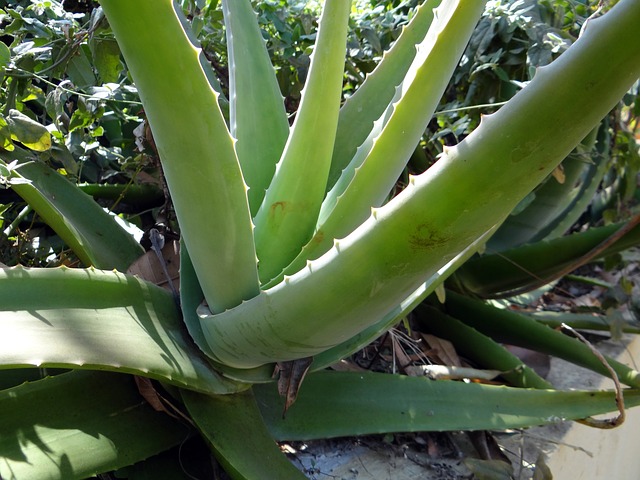
Aloe Vera
Aloe Vera

Aloe vera (Aloe barbadensis miller) is a succulent that originates from the Arabian Peninsula but thrives in warm, arid climates worldwide. Under ideal conditions, a pup reaches harvestable size in roughly 3–4 years, though noticeable growth occurs within the first few months. The key variables — light, soil, container size, and watering frequency — determine whether that timeline compresses or stretches significantly.

This guide covers the complete growth cycle, the gear needed, proven acceleration techniques, and long-term propagation strategies that keep aloe plants productive for decades.

Aloe Vera Growth Timeline: What to Expect

A reliable aloe vera growth time guide starts with understanding the three distinct developmental phases. Each phase has visible markers that indicate whether the plant is on track or falling behind.

Seedling and Pup Stage (Months 0–6)

  • Seeds germinate in 2–4 weeks under warm, moist conditions (70–80°F).
  • Pups separated from a mother plant establish roots within 3–4 weeks.
  • Expect 2–3 new leaves during this stage, each under 3 inches long.
  • Root systems remain shallow — overwatering at this stage is the top killer.

Pups have a significant head start over seeds. Most experienced growers skip seed propagation entirely because pups carry established genetic material and reach maturity roughly 12 months faster.

Juvenile Growth Phase (Months 6–18)

  • Leaves thicken and develop the characteristic gel interior.
  • Growth rate accelerates with proper light — up to 1 new leaf per month.
  • The plant typically reaches 6–10 inches tall.
  • First offsets (pups) may appear around month 12.

Mature Plant Milestones (Months 18–48)

  • Full maturity occurs between 3–4 years from planting.
  • Mature plants stand 12–24 inches tall with 15–20 leaves.
  • Gel harvesting becomes viable once outer leaves are at least 8 inches long.
  • Flower stalks may emerge in outdoor plants that receive adequate sunlight.

Pro Tip: A mature aloe vera plant produces 3–5 pups per year. Removing them promptly directs energy back into the mother plant's growth and gel production.

Growth StageDurationHeight RangeKey Indicator
Germination (seed)2–4 weeks<1 inchFirst sprout visible
Pup establishment3–4 weeks2–4 inchesNew root growth
Juvenile6–18 months6–10 inchesGel forming in leaves
Sub-adult18–36 months10–16 inchesFirst pups produced
Mature36–48 months12–24 inchesHarvestable gel, potential flowering

How to Plant Aloe Vera for Fastest Results

Proper planting technique directly impacts how quickly aloe vera reaches each growth milestone. Skipping any of these steps adds months to the timeline.

Soil Preparation

Aloe vera demands fast-draining soil with minimal organic matter. Standard potting mix retains too much moisture and invites root rot.

  • Mix 2 parts coarse sand or perlite with 1 part potting soil.
  • Alternatively, use a commercial cactus/succulent mix.
  • Target soil pH between 7.0 and 8.5 — slightly alkaline is ideal.
  • Add a thin layer of gravel at the pot's base for additional drainage.

Step-by-Step Planting Process

  1. Select a terracotta or unglazed ceramic pot with at least one drainage hole. The pot diameter should be 2 inches wider than the root ball.
  2. Fill the pot one-third full with the prepared soil mix.
  3. Position the pup or transplant so the base of the lowest leaf sits just above the soil line.
  4. Fill around the roots, pressing gently to eliminate air pockets.
  5. Wait 5–7 days before the first watering — this allows any damaged roots to callus over.
  6. Place in bright, indirect light for the first 2 weeks, then gradually introduce direct sunlight.
Aloe Vera: How long does it take to grow? {Grow Fast}

Beginner vs. Advanced Aloe Growing Methods

The gap between a beginner's aloe plant and an advanced grower's specimen comes down to environmental control and propagation strategy.

The Beginner Approach

  • Single pot on a windowsill with ambient room temperature.
  • Watering on a fixed schedule (every 2–3 weeks).
  • No fertilization or seasonal adjustments.
  • Pups left attached to the mother plant indefinitely.

This approach works. The plant survives and grows, but the timeline stretches toward the 4–5 year mark for full maturity. Those interested in growing other plants indoors with minimal experience should consider growing aloe plants indoors as a detailed starting point.

Advanced Techniques

  • Bottom watering — encourages deeper root development by placing the pot in a tray of water for 20 minutes.
  • Seasonal fertilization — diluted 10-40-10 fertilizer applied once monthly during spring and summer only.
  • Controlled dormancy — reducing water in winter mimics natural desert cycles and triggers stronger spring growth.
  • Pup rotation — removing and replanting pups every 6 months keeps the mother plant vigorous.
  • Supplemental lighting — grow lights providing 6+ hours of full-spectrum light during short winter days.

Advanced growers routinely achieve harvestable maturity in 2–2.5 years. The difference is deliberate environmental management rather than passive care. Aloe vera's desert origins mean it thrives with intentional neglect cycles — a concept explored further in how plants survive in the desert.

Warning: Over-fertilizing aloe vera causes brown leaf tips and salt buildup in the soil. Always dilute fertilizer to half the manufacturer's recommended strength.

Essential Tools and Supplies

Having the right equipment on hand eliminates delays during critical care windows. Here is the essential toolkit for aloe vera cultivation:

  • Terracotta pots (6–8 inch diameter) — porous material wicks away excess moisture.
  • Moisture meter — removes guesswork from watering; water only when the lower third of soil reads "dry."
  • Cactus/succulent soil mix or perlite + sand for custom blending.
  • Pruning shears (sterilized) — clean cuts when harvesting leaves prevent infection.
  • Liquid succulent fertilizer (10-40-10 ratio) — phosphorus-heavy formula promotes root growth.
  • Spray bottle — for misting pups during the rooting phase only.
  • Grow light (optional) — full-spectrum LED, 2000+ lumens, for indoor setups with limited natural light.

Terracotta is non-negotiable for beginners. Plastic and glazed ceramic pots trap moisture and dramatically increase the risk of root rot — the single most common cause of aloe vera failure.

Proven Tips to Accelerate Aloe Vera Growth

This section of the aloe vera growth time guide focuses on the variables that deliver the biggest returns on growth speed.

  1. Maximize light exposure. Aloe vera needs 6–8 hours of bright, indirect to direct sunlight daily. South-facing windows are optimal in the Northern Hemisphere.
  2. Water deeply but infrequently. Soak the soil thoroughly, then let it dry completely before the next watering. In summer, this means roughly every 10–14 days; in winter, every 3–4 weeks.
  3. Maintain temperature between 55–80°F. Growth stalls below 50°F and heat stress begins above 90°F.
  4. Repot when roots circle the pot. Root-bound plants slow down significantly. Upsize by 2 inches in diameter each time.
  5. Remove flower stalks immediately. Flowering diverts enormous energy. Unless seed collection is the goal, cut stalks at the base as soon as they appear.
  6. Separate pups at 3–4 inches tall. Leaving them attached creates competition for nutrients and water.
  7. Avoid moving the plant frequently. Aloe vera acclimates to its light conditions; relocation causes temporary growth pauses.

Insider Observation: Aloe vera plants positioned outdoors during summer months (in USDA zones 9–11) consistently outgrow their indoor counterparts by 30–40%, according to documented growth studies.

Practical Uses for Homegrown Aloe Vera

Growing aloe vera is not purely ornamental. Once the plant reaches maturity, the gel and outer leaf have numerous applications:

  • Skin care — fresh gel soothes minor burns, sunburns, and skin irritation. Applied directly from the leaf, it retains maximum potency.
  • Hair treatment — aloe gel serves as a natural conditioner and scalp moisturizer.
  • Digestive aid — aloe juice (inner gel blended with water) supports gut health when consumed in small quantities.
  • Household air quality — aloe vera removes formaldehyde and benzene from indoor air, making it a functional addition to any room.
  • First aid — keeping a mature plant in the kitchen provides instant access to burn treatment.

Harvesting technique matters. Always cut the outermost, lowest leaves first — these are the oldest and contain the most concentrated gel. Use a sharp, sterilized knife and cut at the base of the leaf where it meets the stem. Allow the yellowish latex (aloin) to drain for 10 minutes before extracting the clear inner gel.

Long-Term Care and Propagation Strategy

A single aloe vera plant, properly managed, produces dozens of offspring over its lifetime. Strategic propagation builds a self-sustaining collection without any additional purchases.

Propagation Through Pups

  1. Wait until pups develop their own root system (visible when gently brushing away topsoil).
  2. Remove the mother plant from the pot.
  3. Separate pups by hand or with a clean knife, preserving as many roots as possible.
  4. Let cut surfaces dry for 24–48 hours before planting.
  5. Plant each pup in its own pot using the soil mix described above.

Seasonal Care Calendar

  • Spring — repot if needed, begin monthly fertilization, increase watering frequency.
  • Summer — move outdoors if possible, monitor for sunburn during the first week of exposure, water every 10–14 days.
  • Fall — reduce fertilization, bring outdoor plants inside before temperatures drop below 50°F.
  • Winter — enter dormancy mode. Water every 3–4 weeks. No fertilizer. Keep away from cold drafts and heating vents.

Long-term health depends on preventing pest infestations. Mealybugs and scale insects are the primary threats to indoor aloe vera. Inspect leaf bases monthly and treat with rubbing alcohol on a cotton swab at the first sign of infestation. For broader pest management strategies across the garden, review this guide on getting rid of harmful garden pests.

Frequently Asked Questions

How long does aloe vera take to grow from a pup?

A pup separated from a mother plant typically reaches harvestable maturity in 2.5–4 years depending on care conditions. With optimized light, soil, and watering, advanced growers compress this to roughly 2 years.

Can aloe vera grow faster indoors or outdoors?

Outdoor growth is consistently faster in suitable climates (USDA zones 9–11). Indoor plants grow well but require supplemental lighting during winter months to maintain growth momentum. Outdoor plants benefit from natural UV exposure and air circulation.

How often should aloe vera be watered?

Water deeply every 10–14 days during the active growing season (spring/summer) and every 3–4 weeks during winter dormancy. The soil must dry completely between waterings — consistent moisture leads to root rot.

Why is an aloe vera plant not growing?

The most common causes are insufficient light, overwatering, root-bound conditions, or temperatures below 50°F. Check the roots for rot (brown, mushy texture), verify at least 6 hours of bright light daily, and repot if roots are circling the container.

When can aloe vera gel be harvested?

Gel harvesting is viable once the plant has at least 10 mature leaves and the outer leaves measure 8 inches or longer. Harvesting from immature plants weakens growth and reduces the plant's ability to photosynthesize effectively.

Does pot size affect aloe vera growth rate?

Pot size has a direct impact. A pot that is too large retains excess moisture and causes root rot; one that is too small restricts root expansion and stunts growth. The ideal pot is 2 inches wider in diameter than the plant's root ball, upgraded as the plant grows.

Is it better to grow aloe vera from seeds or pups?

Pups are strongly preferred. Seeds require 2–4 weeks to germinate and add approximately 12 months to the overall maturity timeline. Pups arrive with established root systems and genetic consistency, making them faster and more reliable.

Next Steps

  1. Source a healthy pup — purchase or separate a 3–4 inch aloe pup from an established plant, prepare a terracotta pot with cactus mix, and plant it using the step-by-step process outlined above. Skip seeds entirely for faster results.
  2. Set up a watering schedule and tracking system — mark watering dates on a calendar or use a plant care app. Invest in a moisture meter to eliminate guesswork. Consistent, data-driven watering is the single biggest factor in hitting the 2.5-year maturity target.
  3. Optimize the growing environment — position the plant near a south-facing window, verify it receives 6–8 hours of light daily, and plan to move it outdoors during summer months if local temperatures stay between 55–80°F.
  4. Plan the first propagation cycle — once the mother plant produces its first pups (around month 12), separate them and start new pots. Within two propagation cycles, a single plant investment yields 6–10 independent aloe vera plants at zero cost.
Christina Lopez

About Christina Lopez

Christina Lopez grew up in the scenic city of Mountain View, California. For eighteen ascetic years, she refrained from eating meat until she discovered the exquisite delicacy of chicken thighs. Christina is a city finalist competitive pingpong player, an ocean diver, and an ex-pat in England and Japan. Currently, she is a computer science doctoral student. Christina writes late at night; most of her daytime is spent enchanting her magical herb garden.


Follow Christina:

Get new FREE Gifts. Or latest free growing e-books from our latest works.

Disable Ad block to reveal all the links. Once done, hit a button below