Last summer, you might have stared at a narrow balcony or a tiny patio corner and wondered whether growing anything meaningful was even possible in such a cramped area. You're not alone — millions of urban dwellers face the same challenge, and the good news is that gardening ideas for tight spaces have evolved dramatically in recent years. Whether you're working with a small apartment balcony, a narrow side yard, or just a few square feet of concrete, you can cultivate herbs, vegetables, flowers, and even fruit with the right approach and a bit of creative planning. If you're exploring what to grow in containers, check out our guide to the easiest fruits to grow in pots for some excellent starting points.
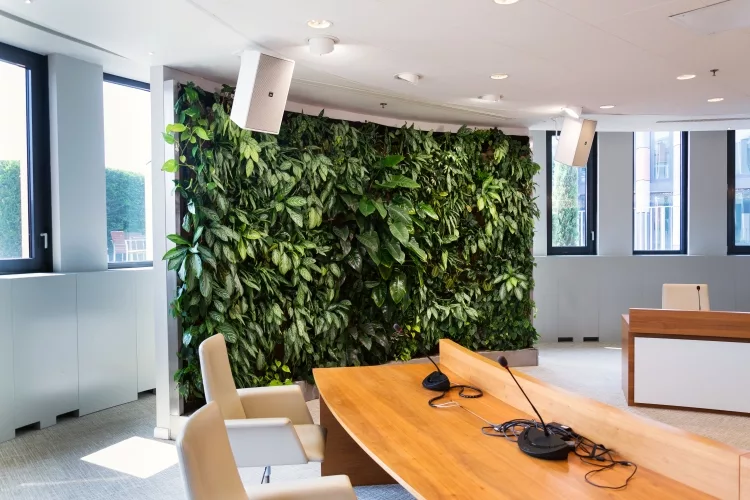
The reality is that space limitations often push gardeners toward more intentional, productive growing methods than sprawling backyard plots ever do. Constraints breed creativity, and small-space gardeners tend to get higher yields per square foot because they plan every inch carefully. In this guide, you'll learn proven techniques, avoid the most common pitfalls, and build a long-term strategy that turns even the smallest nook into a thriving garden.
From vertical wall systems to single-pot herb gardens, the methods covered here work whether you're renting an apartment or owning a home with a modest yard. Let's dig in and transform whatever space you have into something genuinely productive.
Contents
Theory is useful, but seeing what actual gardeners accomplish in limited areas is far more convincing. These approaches have been tested in real balconies, patios, and indoor spaces across a variety of climates.
A standard apartment balcony offers roughly 20 to 40 square feet of usable area, which is enough to grow a surprising amount of food and ornamental plants when you think vertically. Successful balcony gardeners typically combine these elements:
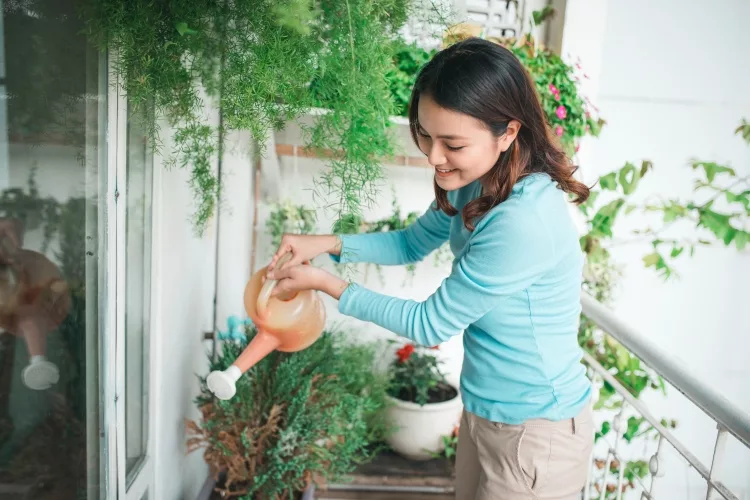
One gardener in a 30-square-foot balcony reported harvesting over 60 pounds of tomatoes, peppers, and herbs in a single growing season using tiered shelving and strategic container placement. The key was choosing determinate tomato varieties that stay compact rather than sprawling indeterminate types.
If you're curious about how light direction affects plant growth, our article on direct vs. indirect sunlight covers the essentials. East-facing windows provide gentle morning light that's ideal for herbs and leafy greens, while south-facing windows deliver the intensity needed for fruiting plants. You can also explore specific picks in our flowers for east-facing window boxes guide.
Pro tip: Group your windowsill plants by water needs rather than aesthetics — succulents and herbs with different moisture requirements in the same tray will lead to root rot or drought stress for one of them.
The square foot gardening method, developed by Mel Bartholomew, demonstrated that intensive planting in small raised beds produces yields comparable to traditional row gardens using a fraction of the space. The principle is straightforward: instead of spacing plants for tractor access, you space them based on their actual growing footprint and provide rich, amended soil to support that density.
Small-space gardening also reduces water waste, makes pest monitoring easier since you can inspect every plant in minutes, and encourages companion planting that naturally deters harmful insects. You'll find that gardening ideas for tight spaces often overlap with the most water-efficient and sustainable methods available.
| Growing Method | Space Required | Yield per Sq Ft | Best For |
|---|---|---|---|
| Traditional Row Garden | 100+ sq ft | Low | Large yards |
| Square Foot Garden | 16–64 sq ft | High | Small yards, patios |
| Vertical Wall Planter | 4–8 sq ft (wall) | Medium-High | Balconies, fences |
| Container Garden | 2–20 sq ft | Medium | Balconies, doorsteps |
| Window Box | 1–3 sq ft | Low-Medium | Herbs, small flowers |
| Hanging Planters | 0 sq ft (floor) | Low-Medium | Trailing herbs, strawberries |
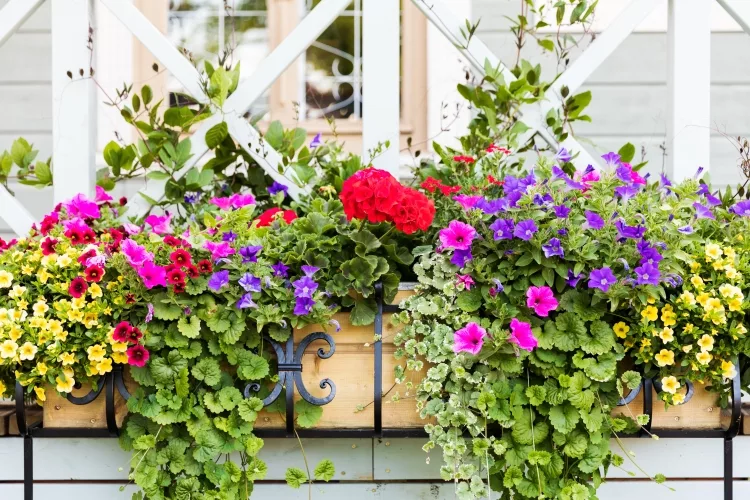
When you're working with limited area, every mistake is amplified because there's no buffer zone to absorb problems. Here are the errors that derail small-space gardeners most often.
The most common mistake is planting too densely without upgrading your soil and drainage to match. Intensive planting works only when you provide:
If you're interested in getting your soil mix right from the start, understanding the different types will save you considerable frustration down the line.
Planting a full-size zucchini in a 5-gallon pot or attempting corn on a balcony will end in disappointment every time. Stick with compact or dwarf varieties bred specifically for container growing, and prioritize plants that deliver continuous harvests over single-harvest crops. Cherry tomatoes, cut-and-come-again lettuce, and perennial herbs give you the best return on your limited space investment.
Going vertical is the single most effective gardening idea for tight spaces because it multiplies your growing area without expanding your footprint. If you need climbing support, garden nets for climbing plants work exceptionally well for beans, peas, cucumbers, and small melons trained upward. Effective vertical approaches include:
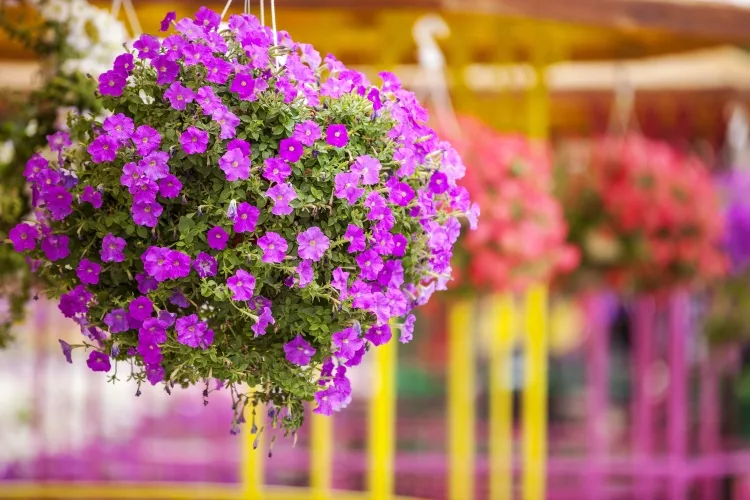
For containers, self-watering pots are a game-changer in small spaces because they maintain consistent moisture levels and reduce your daily maintenance burden significantly. Choose the largest containers your space allows — a single 20-gallon fabric pot supports a tomato plant far better than three small pots crammed together. Raised beds as shallow as 6 inches work well for lettuce and herbs, while root vegetables need at least 12 inches of depth.
Warning: Dark-colored containers in direct sunlight can overheat roots and kill plants in summer — wrap them in reflective material or choose light-colored pots if your space gets intense afternoon sun.
Many aspiring gardeners believe that without six or more hours of direct sunlight, growing food is impossible. This is simply untrue for a wide range of crops. Lettuce, spinach, kale, arugula, cilantro, parsley, mint, and chives all thrive with as little as three to four hours of direct light daily. Even mushroom kits require zero direct sunlight and produce generous harvests in dark corners or closets.
Another persistent myth holds that plants need massive root space to produce well, but research in container growing and intensive farming consistently shows that nutrient-rich, well-aerated soil in modest volumes outperforms large volumes of poor-quality garden soil. A compact herb garden in quality potting mix will produce more flavorful, abundant harvests than the same herbs planted in a huge bed of clay-heavy dirt.
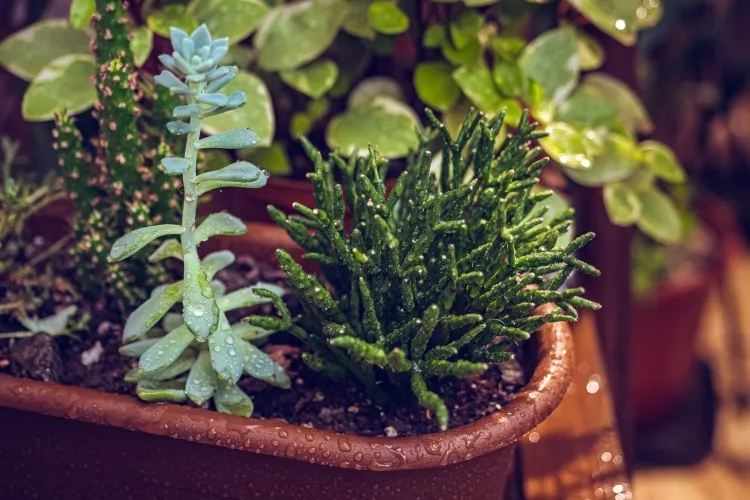
The best gardening ideas for tight spaces aren't just about quick wins — they're about creating a system that improves and sustains itself season after season.
Even in containers, rotating your crops matters for soil health and pest prevention. A practical seasonal rotation for a small-space gardener looks like this:
Replacing your potting mix annually or refreshing the top third with fresh compost prevents nutrient depletion and soilborne disease buildup that plagues reused container soil.
Cheap plastic pots crack after one season, flimsy trellises collapse under the weight of mature vines, and bargain-bin soil dries out within hours. Invest in durable fabric grow bags, powder-coated metal trellises, and quality potting mixes with slow-release fertilizer built in. These upfront costs pay for themselves within two growing seasons through better harvests and fewer replacements.
Cherry tomatoes, lettuce, radishes, peppers, bush beans, and herbs like basil and cilantro are your best choices for tight-space gardening because they produce well in containers and don't require extensive root systems or spreading room.
Fruiting vegetables like tomatoes and peppers need six to eight hours of direct sunlight daily, but leafy greens, herbs, and root vegetables perform well with just three to four hours, making them ideal for shaded balconies and north-facing spaces.
Absolutely — a standard balcony of 20 to 40 square feet can yield 50 or more pounds of produce per season when you combine vertical planters, railing-mounted containers, and hanging baskets with compact plant varieties.
Small containers dry out faster than garden beds, so you should check soil moisture daily during warm months by inserting your finger an inch deep — if it feels dry, water thoroughly until liquid drains from the bottom holes.
Raised beds as small as two feet by four feet provide excellent drainage, warm up faster in spring, and make intensive planting much easier than in-ground gardening, so they're well worth the investment even in the smallest yards.
 |
 |
 |
 |

About Truman Perkins
Truman Perkins is a Detroit-based SEO consultant who's been in the business for over a decade. He got his start helping friends and clients get their websites off the ground, and he continues to do so today. In his free time, Truman enjoys learning and writing about gardening - something he believes is a natural stress reliever. He lives with his wife, Jenny, and their twins in Detroit.


Get new FREE Gifts. Or latest free growing e-books from our latest works.
Disable Ad block to reveal all the links. Once done, hit a button below
|
|
|
|
 rinjal