Over 27 million players have explored the world of Final Fantasy XIV, and a surprising number of them spend hours tending virtual flower beds instead of slaying dragons. If you've been wondering about FFXIV how to garden, you're tapping into one of the game's most rewarding — and most misunderstood — systems. Gardening in FFXIV lets you grow rare seeds into valuable items, crossbreed plants for exclusive materials, and turn your housing plot into a productive homestead. Whether you're a seasoned adventurer or someone who simply loves watching things grow (much like picking the right types of soil for real-world gardening), this guide walks you through everything you need to know.

The gardening system lives inside FFXIV's housing districts. You'll need access to a plot — either your own private house, a Free Company estate, or an apartment with a flower pot. The mechanics blend patience with strategy, and the payoff can be enormous. Some crossbred seeds produce items worth hundreds of thousands of gil on the market board.
Think of it like planning a real garden. You wouldn't throw random seeds into the ground without checking sunlight requirements first. The same logic applies here. Soil type, seed placement, and timing all matter. Let's break it down step by step.
Contents
Before you plant a single seed, you need the right setup. FFXIV how to garden questions almost always start here — and for good reason. The system has a few prerequisites that trip up newcomers.
You need housing access. That means owning a private plot, belonging to a Free Company with an estate, or using indoor flower pots in an apartment or FC room. Outdoor garden beds are the only way to crossbreed plants, which is where the real money lives. Small houses get one garden patch (with eight planting beds), medium houses get two patches, and large houses get three. Apartments only allow flower pots — no crossbreeding, but still useful for growing basic crops.
Each garden patch holds eight beds arranged in a specific pattern. The layout matters because adjacent beds interact during crossbreeding. Think of it like a grid — what you plant next to what determines your harvest. You can buy garden patches from the housing merchant in any residential district. If you're into real-world gardening too, the concept is similar to planning a community garden where plot placement affects everyone's results.
Here's your basic workflow from empty bed to harvested crop. Follow these steps and you'll have your first successful garden within a few real-world days.
Soil determines two things: crop yield and crossbreeding chance. There are three grades worth knowing. Thanalan Topsoil 3 boosts your yield (more items per harvest). Shroud Topsoil 3 increases crossbreeding success rate. La Noscean Topsoil 3 does a bit of both. For pure profit farming, use Thanalan. For crossbreeding experiments, go Shroud every time. You can gather these soils yourself through mining or buy them on the market board. It's similar to how real gardeners debate between coco peat and traditional potting mix — each serves a different purpose.
Select your garden bed, add soil first, then plant the seed. Once planted, you need to tend your crops regularly. Plants in FFXIV wilt if left unwatered for roughly 24 hours (Earth time). You don't need to water constantly — once every 12 to 18 hours is safe. Tending someone else's garden also works, which is why many Free Companies assign gardening rotations. Crops take anywhere from one to eleven real-world days to mature, depending on the seed type.
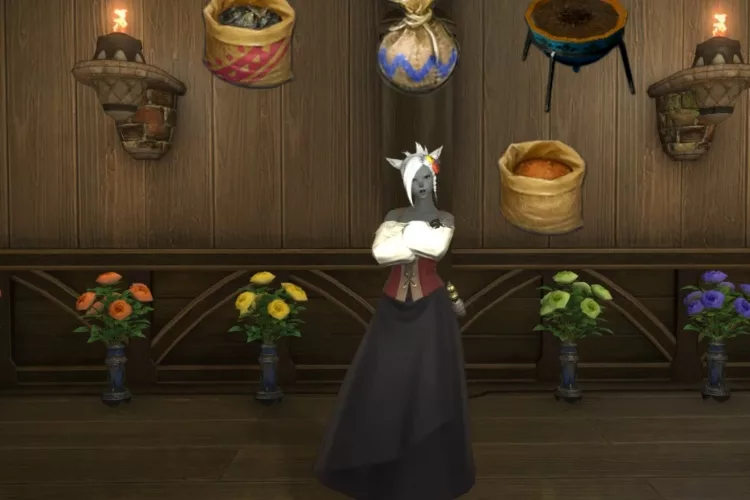
Crossbreeding is where FFXIV gardening gets genuinely exciting. By planting specific seeds next to each other, you can produce entirely different seeds at harvest time — including some that can't be obtained any other way.
Each bed in a garden patch has neighbors. When you harvest a plant, the game checks what was growing in adjacent beds. If a valid crossbreeding pair exists, you get bonus seeds of a new type along with your normal harvest. Both plants must be fully grown at the time of harvest for the cross to work. This means you need to stagger your planting times carefully so that crops with different grow durations finish around the same time. It takes planning, much like coordinating bloom times when you're growing colorful flowers in shade.
Some crosses are famous in the FFXIV community for their value. Thavnairian Onion seeds (used to level chocobos past rank 10) consistently sell well. You get them by crossing Curiel Root with Sylkis Bud. Glazenut and Jute are also high-demand crossbreeds used in crafting recipes. The FFXIV Gardening Database tracks every known combination and is the go-to reference for serious gardeners.
Pro tip: Always plant your crossbreeding pairs in the same patch. Seeds only interact with neighbors within the same garden bed — not across different patches.
You don't need rare seeds or perfect soil to start making gil. Several basic crops offer solid returns with minimal effort, which is perfect while you're learning the system.
Jute seeds are cheap and produce Jute, a crafting material that sells steadily. Krakka Root is always in demand because chocobo owners burn through it. Glazenut sells well on most servers. Start with these, reinvest your gil into better soil and rarer seeds, and scale up from there. It's the same principle behind growing expensive vegetables at home — start simple, learn the process, then go after the premium stuff.
| Crop | Grow Time (Days) | Avg. Gil per Harvest | Difficulty |
|---|---|---|---|
| Krakka Root | 2 | 5,000–10,000 | Beginner |
| Jute | 5 | 15,000–30,000 | Beginner |
| Glazenut | 7 | 20,000–50,000 | Intermediate |
| Thavnairian Onion | 10 | 80,000–200,000 | Advanced (crossbreed) |
| Blood Pepper | 5 | 30,000–60,000 | Intermediate (crossbreed) |
Market prices fluctuate by server and patch cycle, so check your local market board before committing to a crop. What sells for 200k on one server might go for 50k on another.
Even experienced FFXIV gardeners run into issues. Here's how to diagnose and fix the most frequent headaches.
Plants wilt when they go too long without tending. Once wilted, they're gone — no recovery. If you're struggling to keep up, recruit FC members to help water. You can also set timers on your phone for 12-hour intervals. The game does not send notifications when plants need water. It's entirely on you to remember. This is the number one reason new gardeners quit the system. Just like real plants need consistent day-night cycles, your FFXIV crops need consistent attention.
If your crossbreed isn't producing the right seeds, check three things. First, confirm you have the correct seed pairing — one wrong seed ruins the chain. Second, verify both plants were fully grown when you harvested. Third, make sure you're using Shroud Topsoil 3 for maximum crossbreeding chance. A failed cross doesn't mean the system is broken. It means one of these three variables was off.
Plenty of players waste time and money on avoidable errors. Here are the ones that hurt the most.
Using Grade 1 or Grade 2 soil when you need Grade 3 is the most common waste. The price difference is small, but the result difference is massive — Grade 3 Shroud Topsoil nearly doubles your crossbreeding odds compared to Grade 1. Another costly mistake is harvesting too early because you miscalculated grow times. Each seed type has a specific duration, and pulling crops before adjacent plants mature kills your crossbreeding window. Keep a spreadsheet or use a gardening tracker tool.
Other mistakes that drain your gil fast:
Knowing what you'll spend helps you plan your FFXIV gardening budget. Here's a realistic look at startup costs and ongoing expenses, similar to how you'd budget for real gardening tools and supplies.
If you already have FC housing access, your startup cost is essentially zero — just buy seeds and soil. For private housing, the plot itself is the big expense (anywhere from 3 million to 50 million gil depending on server and plot size). After that, ongoing costs are modest. A full garden patch of eight beds costs roughly 10,000–40,000 gil per cycle in soil and seeds. Most gardeners break even within their first two harvest cycles and profit from the third onward.
Flower pots for apartment gardening cost about 3,000 gil each from housing vendors. You can place two per apartment. They won't let you crossbreed, but they're perfect for growing basic crops while you save up for a house. The investment is tiny compared to the potential returns — one good Thavnairian Onion harvest can fund months of gardening supplies.
Yes. You can use flower pots in apartments and Free Company rooms. However, flower pots don't support crossbreeding — you'll only be able to grow basic crops. For full gardening access including crossbreeding, you need an outdoor garden patch on a private or FC estate.
You should tend your garden at least once every 24 Earth hours to prevent wilting. Watering every 12 to 18 hours is the safe range most gardeners follow. Any FC member can water your plants, so coordinate with your group if you'll be away.
Thavnairian Onions consistently rank among the most profitable because chocobo trainers need them regularly. Prices vary by server, but they typically sell for 80,000 to 200,000 gil each. They require crossbreeding Curiel Root with Sylkis Bud, so they take more setup than basic crops.
Growth times range from about one real-world day for fast crops like Krakka Root up to ten or eleven days for advanced crossbreed results. Each seed type has a fixed grow duration that you can look up in gardening databases.
Absolutely. Grade 3 Shroud Topsoil significantly increases crossbreeding success rates, while Grade 3 Thanalan Topsoil boosts crop yield. Using the wrong soil — or low-grade soil — can cut your profits and crossbreeding odds dramatically.
Now that you know how FFXIV gardening works — from soil selection and planting basics to crossbreeding strategies and profit planning — it's time to get your hands dirty. Start with a simple crop like Krakka Root or Jute, learn the watering rhythm, and work your way up to crossbreeding Thavnairian Onions. Your first harvest is only a few days away, and once you see that gil rolling in, you'll wonder why you didn't start sooner.
 |
 |
 |
 |

About Truman Perkins
Truman Perkins is a Detroit-based SEO consultant who's been in the business for over a decade. He got his start helping friends and clients get their websites off the ground, and he continues to do so today. In his free time, Truman enjoys learning and writing about gardening - something he believes is a natural stress reliever. He lives with his wife, Jenny, and their twins in Detroit.


Get new FREE Gifts. Or latest free growing e-books from our latest works.
Disable Ad block to reveal all the links. Once done, hit a button below
|
|
|
|
 rinjal