Yes, hibiscus grows indoors — confidently and consistently when you meet its basic needs. If you want to know how to grow hibiscus indoors, the short answer is: bright light, well-draining soil, and steady watering. Get those three right, and you'll have dramatic tropical blooms inside your home nearly year-round. Whether you're new to indoor plants or just landed here with a struggling hibiscus, this guide covers the full picture — from picking the right variety to fixing common problems. Explore the plants, herbs, and farming section for more guides on growing plants you'll actually enjoy.
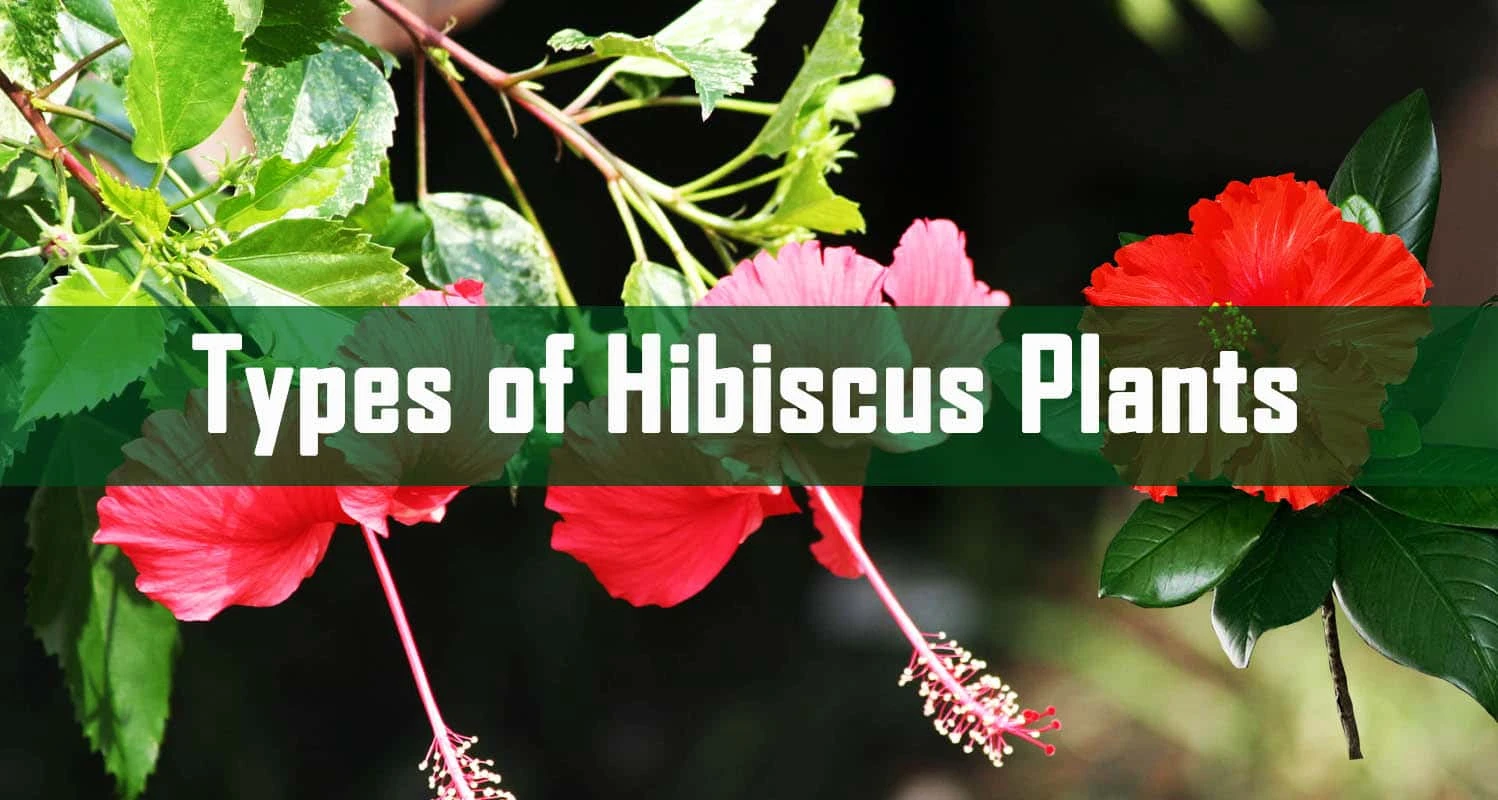
Hibiscus is a tropical plant by nature. It evolved in warm, sun-drenched climates with high humidity. Indoors, you're not replicating those conditions perfectly — you're getting close enough. The plant is surprisingly forgiving once you understand what it's trying to do biologically and stop working against it.
This guide is built around seven core topics: what makes hibiscus viable indoors, how to choose the right variety, where to place it in your home, how to care for it daily, how indoor and outdoor growing compares, how to keep it thriving across seasons, and how to fix what goes wrong. Every section is specific and practical.
Contents
Hibiscus belongs to the Malvaceae family — a group that includes cotton, okra, and hollyhock. According to Wikipedia's overview of the Hibiscus genus, there are several hundred species spread across tropical and subtropical regions worldwide. The one you want indoors is Hibiscus rosa-sinensis — the Chinese hibiscus. It's compact, repeat-blooms, and adapts well to container culture.
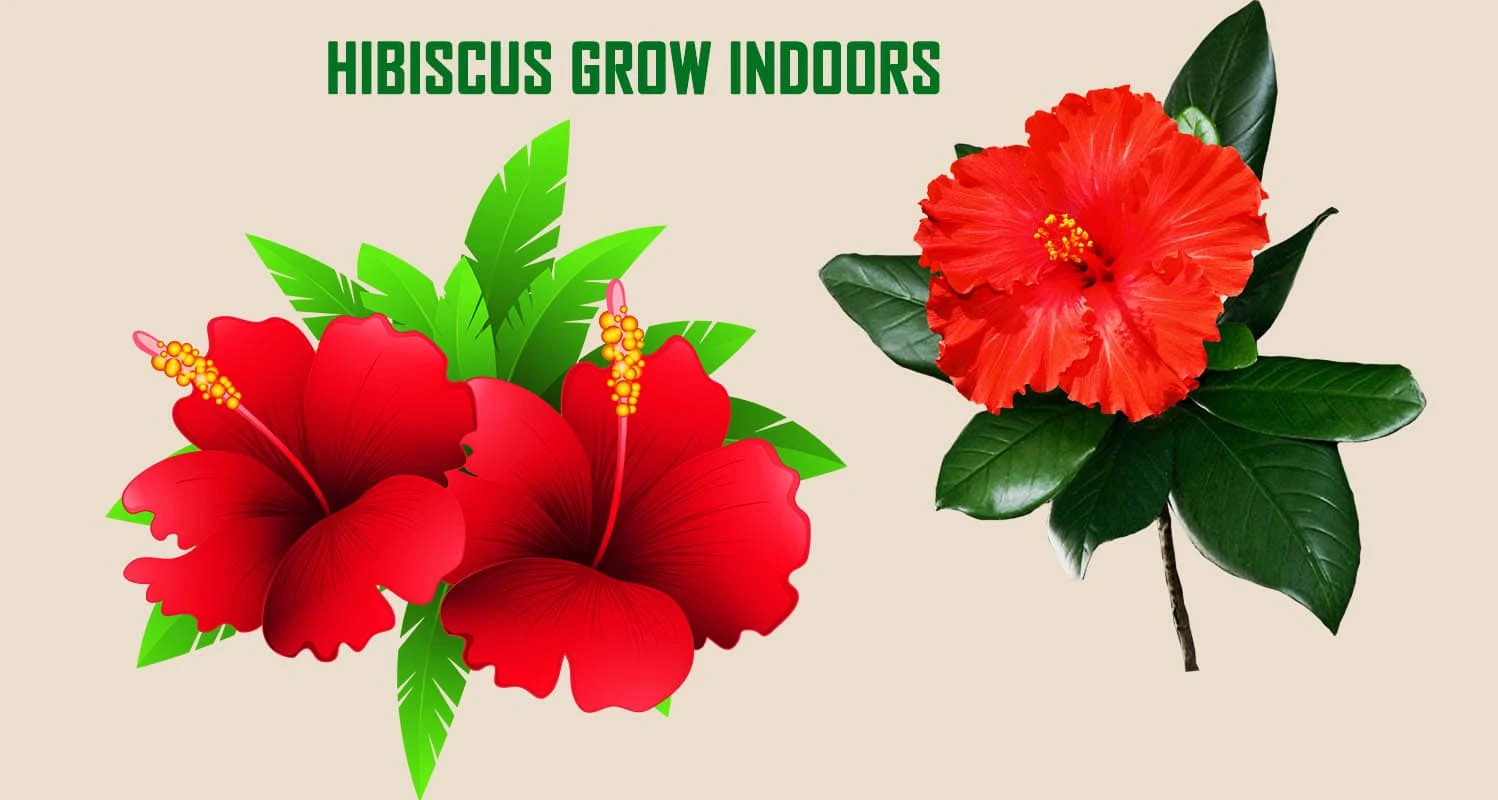
In the wild, hibiscus grows in USDA zones 9–11. That tells you what it expects: warmth, long sunny days, and no frost. Inside your home, you provide the warmth naturally. Light is the variable you have to actively manage. Everything else — soil, water, humidity — you control completely.
Several things actually favor indoor growing over outdoor culture:
The challenge — and it's the only real challenge — is light. Outdoor hibiscus gets 6 to 8 hours of direct sun daily. Inside, you need a south-facing window or a quality grow light setup designed for indoor plants to hit that threshold. That single factor is the most common reason indoor hibiscus fails to bloom.
Tropical hibiscus (H. rosa-sinensis) is your plant. It stays manageable in containers, produces flowers continuously, and handles the consistent indoor climate without going dormant. Hardy hibiscus (H. moscheutos) is bred for outdoor perennial beds — it dies back in winter, grows massive, and performs poorly as a houseplant. The two look similar at the garden center; the difference is in their biology.
If you enjoy growing other dramatic flowering plants indoors, look into how Brahma Kamal is managed — the light scheduling and bloom-cycle principles translate directly to tropical hibiscus care.
Within tropical hibiscus, some cultivars handle containers better than others. Look for these:
When buying, look for "dwarf" or "patio" labeling. Full-size tropical hibiscus can reach 10 feet outdoors but stays manageable in a 10–14 inch pot with regular pruning. Start smaller and size up only when roots are circling the bottom of the pot.
Your placement decision is the most important one you'll make. Hibiscus needs at least 6 hours of bright light daily. A south-facing window is the top choice. East or west-facing windows work if the light is unobstructed by trees or overhangs. North-facing windows don't cut it — the intensity is too low for reliable blooming.
Pro tip: If your hibiscus sits more than three feet from a window, run a full-spectrum grow light for 12–14 hours daily — plants in this setup often outbloom those in average window positions.
In warmer months, move the pot outside to a sunny patio or balcony. The extra natural light triggers heavier blooming and stronger growth. Bring it back inside before nighttime temperatures drop below 55°F (13°C).
Hibiscus does best between 60°F and 90°F (15–32°C). It tolerates dry indoor air but performs noticeably better with moderate humidity — around 50%. Three practical ways to raise humidity around your plant:
Keep hibiscus away from heating vents, air conditioner outputs, and drafty windows. Temperature swings — even brief ones — trigger bud drop faster than almost any other stressor.
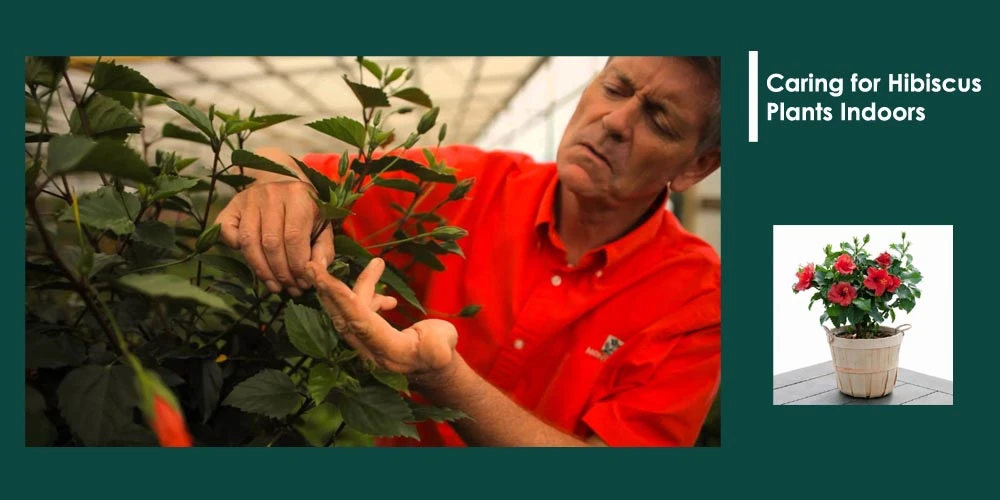
Hibiscus is thirsty but hates standing water. The target is consistently moist soil — not soggy, not bone dry. During active growth from spring through early fall, water when the top inch of soil feels dry. In winter, cut back to every 10–14 days as growth slows.
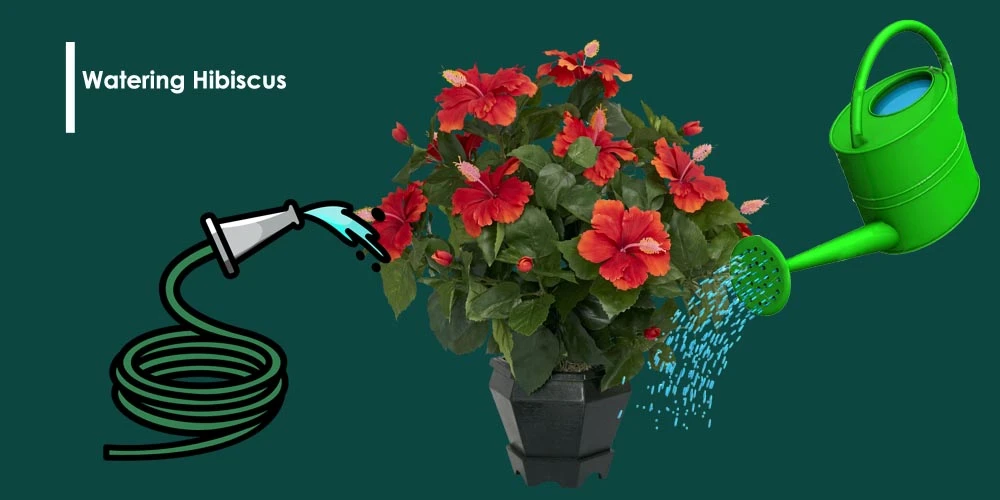
Warning: Overwatering kills more indoor hibiscus than any other mistake — always use a pot with drainage holes and never let the plant sit in water that has pooled in a saucer.
Use room-temperature water. Cold water shocks the root system and triggers a stress response that shows up as yellowing leaves or dropped buds. If your tap water is heavily chlorinated, let it sit in an open container overnight before watering.
Well-draining, slightly acidic soil at pH 6.0–7.0 is what hibiscus needs. A mix of standard potting soil with 20–25% added perlite hits that target reliably. Heavy clay-based mixes cause root rot within a season. If you're unsure about your current soil's pH, a quality soil pH tester removes all the guesswork — hibiscus is sensitive enough that pH errors show up clearly in leaf color and bloom frequency. Hibiscus and roses share similar pH and drainage preferences; the guidance in our best soil for roses breakdown applies directly here.
Fertilizing is what drives blooming. Use a high-potassium fertilizer — a 10-10-20 ratio or a dedicated bloom booster — every two weeks during the growing season. Organic amendments like vermicompost work well mixed into the top layer of soil; they improve drainage, feed slowly, and build soil biology. Reduce fertilizing to once a month in fall. Stop entirely in winter.
Prune in early spring before new growth starts. Cut each stem back by one-third to one-half. This encourages dense branching and, critically, more blooms — hibiscus flowers on new wood, not old. An unpruned plant becomes leggy, produces sparse flowers, and gets increasingly difficult to manage in a small space.
Repot every one to two years when you see roots circling the drainage hole or emerging from the top. Go up only one pot size at a time. Oversized containers hold too much moisture and create root rot conditions even if your watering is correct.
Knowing how indoor and outdoor culture differ helps you manage expectations and make smarter decisions — especially if you're transitioning a plant between the two environments.
| Factor | Indoor Hibiscus | Outdoor Hibiscus |
|---|---|---|
| Light Source | Window + optional grow light | Direct sunlight (6–8 hrs/day) |
| Bloom Season | Year-round with proper care | Spring through fall only |
| Frost Risk | None | High in zones 8 and below |
| Pest Pressure | Low to moderate | Moderate to high |
| Size Control | Easier — container limits growth | Harder — can reach 10+ feet |
| Watering Frequency | Less in winter, moderate in summer | High in summer heat |
| Humidity Needs | Often requires supplementing | Naturally sufficient outdoors |
The indoor setup wins on frost protection, year-round blooming, and size control. The outdoor setup wins on raw light intensity and natural humidity. Many experienced growers do both: move the plant outside for summer, bring it in before the first frost. This hybrid approach consistently produces the heaviest bloomers.
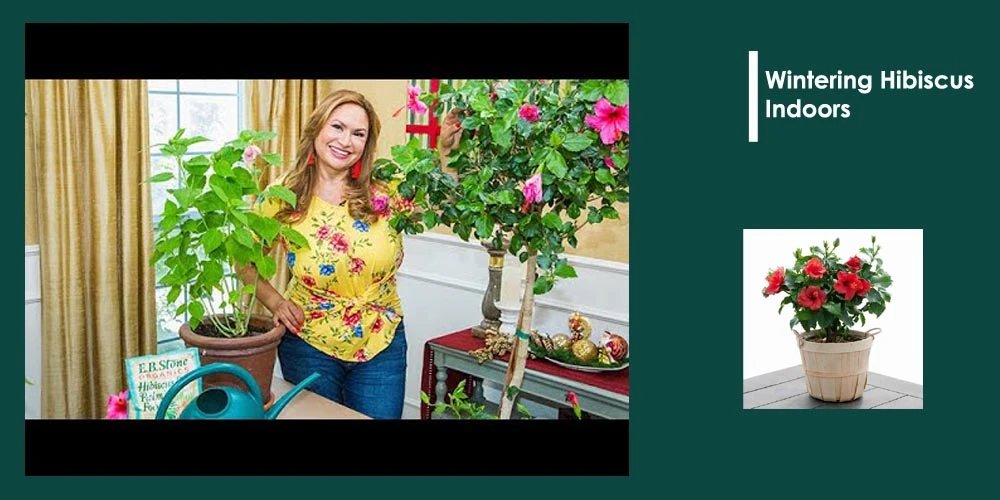
If your hibiscus has been outside for the warm season, bring it in before nighttime temperatures consistently drop below 55°F. Don't go straight from full sun to an indoor window — give it a week in a shaded outdoor spot first to reduce transition shock. Skipping this step causes heavy leaf drop and sets the plant back weeks.
Once inside for winter, reduce watering and stop fertilizing entirely. The plant may shed leaves — this is a normal semi-dormant response, not a sign of death. Keep it positioned near your brightest window. Growth slows significantly; that's expected. Resume normal watering and fertilizing in spring when you see new buds emerging.
Blooming is the whole point of growing hibiscus. Here's what actually drives it:
Individual hibiscus flowers last only one to two days. But a healthy, well-fed plant produces new buds continuously throughout the growing season. Under good conditions, you should see fresh flowers opening almost every week.
Pro insight: Hibiscus blooms exclusively on new growth — the more new stems your plant is actively producing, the more flowers you get; consistent light pruning directly increases your weekly flower count.
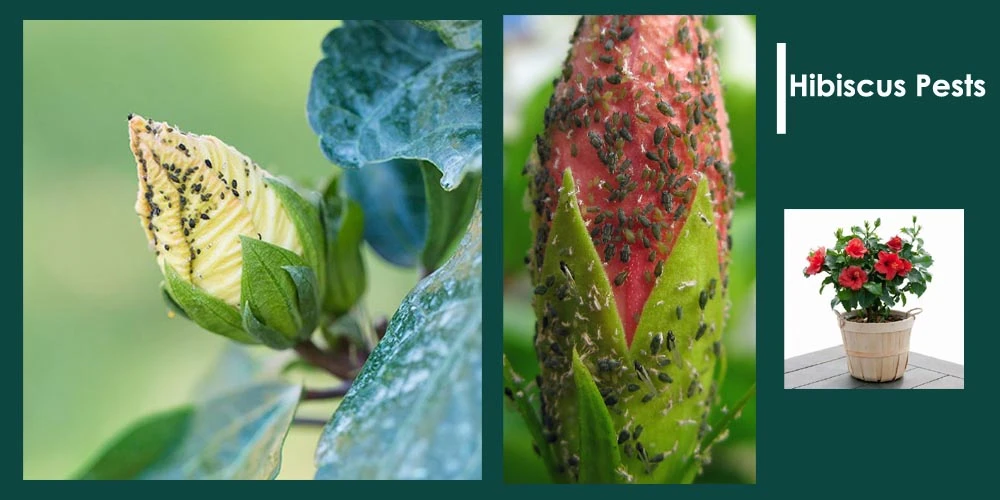
Indoor hibiscus faces a predictable short list of pests. Know these four:
Inspect your plant every week. A small infestation takes 10 minutes to fix. An unchecked infestation can defoliate a hibiscus in weeks. If you're also managing a container garden or raised bed near your indoor growing area, the best weed killers for flower beds can help keep that surrounding space clean without affecting your potted hibiscus.
Root rot is the primary disease threat. It develops from overwatering combined with poor drainage. Symptoms include soft, dark stems at the base, yellowing leaves that drop progressively, and a musty smell from the soil. If caught early, unpot the plant, trim all visibly dark or mushy roots, dust cuts with cinnamon or sulfur powder, and repot into fresh well-draining mix. Advanced root rot is usually fatal — prevention is the only reliable strategy.
Hibiscus drops buds in response to stress. The usual triggers, in order of frequency:
Leaf drop in winter during semi-dormancy is completely normal. Leaf drop during the active growing season means something is wrong — work through the checklist above systematically before concluding the plant is failing. Most cases are recoverable once the stressor is identified and removed.
If you're growing several tropical plants indoors and want consistent light across all of them, reviewing dedicated grow lights for indoor plants is worth your time — a single quality fixture can cover multiple pots. And if you're exploring ways to create humid, controlled microclimates for tropicals, terrarium kits offer compact setups that work well for smaller hibiscus and companion plants together.
Indoor hibiscus needs a minimum of 6 hours of bright light daily. A south-facing window is the best natural option. If your window can't deliver that consistently — especially in winter — supplement with a full-spectrum grow light running 12 to 14 hours per day. Insufficient light is the single most common reason indoor hibiscus refuses to bloom.
Water when the top inch of soil feels dry to the touch — roughly every 2 to 3 days in summer and every 10 to 14 days in winter. Always use a pot with drainage holes. Never let the plant sit in water pooled in the saucer. Room-temperature water is strongly preferred over cold tap water.
Bud drop is a stress response. The most frequent causes are moving the plant's position, exposure to cold drafts, inconsistent watering, low humidity, or pest activity on developing buds. Identify the trigger — usually one of those five — correct it, and new buds will form within a few weeks without further intervention.
Tropical hibiscus handles winter indoors without issue when managed correctly. Reduce watering, stop fertilizing, keep it near your brightest window, and protect it from cold drafts. Expect some leaf drop and dramatically slower growth — both are normal. Resume regular care as soon as you see new growth emerging in spring.
 |
 |
 |
 |

About Truman Perkins
Truman Perkins is a Detroit-based SEO consultant who's been in the business for over a decade. He got his start helping friends and clients get their websites off the ground, and he continues to do so today. In his free time, Truman enjoys learning and writing about gardening - something he believes is a natural stress reliever. He lives with his wife, Jenny, and their twins in Detroit.


Get new FREE Gifts. Or latest free growing e-books from our latest works.
Disable Ad block to reveal all the links. Once done, hit a button below
|
|
|
|
 rinjal