Peace lilies are among the top-selling houseplants in the United States — Spathiphyllum, the genus behind every peace lily on the market, consistently ranks inside the top five most-purchased indoor plants year after year, with an estimated 9 million units sold annually in the U.S. alone. That popularity is well-earned: peace lilies purify indoor air, tolerate low light better than almost any other flowering plant, and forgive the occasional missed watering. But here is the part most buyers overlook — the pot you choose matters just as much as the care routine. Put a peace lily in a pot that holds too much water, and root rot sets in within weeks. Put it in one that is too large or that does not breathe, and you will fight yellowing leaves for months before you figure out why.
In 2026, the market for indoor plant pots has expanded dramatically. You can choose from terracotta classics with hand-thrown texture, sleek self-watering planters with built-in reservoirs, and large-format ceramic pots designed to anchor a room. Each material brings real trade-offs. Terracotta wicks moisture away from roots, which is excellent for preventing overwatering but means you water more often. Plastic and resin pots retain moisture longer, making them better for humid-loving plants — and a peace lily, which prefers consistently moist (not soggy) soil, can actually thrive in either if the drainage situation is handled properly. If you are still figuring out the right container approach for your indoor plants in general, our guide to the best pots for indoor plants covers the fundamentals in depth. This guide, however, focuses specifically on what works for peace lilies — with concrete recommendations you can act on right now.
We tested and evaluated seven leading options across different materials, sizes, and price points to build this list. Whether you want a no-fuss self-watering planter for a busy household, a beautiful ceramic statement piece for your living room, or a breathable terracotta pot that keeps roots healthy long-term, there is a right pick here for you. Below you will find the full reviews, a buying guide, and answers to the most common questions buyers have before making a decision.

Contents








The Lechuza Classico Color 21 is the planter you buy when you are serious about both the health of your plant and the look of your space. Made in Germany from frost- and UV-resistant polypropylene, this 8.3-inch diameter, 7.9-inch tall pot punches well above its price bracket in terms of engineering quality. The headline feature is the sub-irrigation self-watering system — the reservoir at the base holds water and delivers it upward through inorganic granulate compounds directly to the root zone, mimicking the way plants draw moisture from a water table. For peace lilies, which prefer consistently moist soil but are extremely sensitive to waterlogged roots, this is a near-perfect watering mechanism. You fill the reservoir, and the plant takes what it needs, when it needs it.
The polypropylene construction means this pot is durable enough for outdoor patio use — it will not crack in frost or fade in direct sun — while remaining clean and modern-looking enough to sit on a kitchen counter or office desk without looking out of place. The white finish is genuinely crisp and neutral, which pairs well with the deep-green foliage of a peace lily. At 8.3 inches, this size is best for a young or medium peace lily (one that has recently been repotted or is not yet root-bound). If your plant has been growing for more than two years, you may want to size up, but for most tabletop peace lilies this is exactly right. The reservoir indicator shows you at a glance whether it needs a refill, removing the guesswork entirely from your care routine.
The one trade-off is that you are giving up some of the breathability you get from terracotta. Because the PP plastic does not wick moisture away through the walls the way clay does, you need to be a bit more careful not to overfill the reservoir during cooler months when your plant's water uptake slows. That said, the sub-irrigation design is inherently more forgiving than top-watering into a plastic pot — the plant pulls moisture on demand rather than sitting in it. This is one of the best German-engineered planters on the market for indoor use, and the Classico line has earned a loyal following among plant enthusiasts for good reason.
Pros:
Cons:
The T4U Self Watering Pots come as a two-pack and are explicitly designed to protect plant owners from the most common beginner mistake: irregular, inconsistent watering. At 7 inches, the diameter is a solid fit for a medium-sized peace lily — enough room for a healthy root system without the excess soil volume that causes moisture retention problems in oversized pots. The bottom-watering reservoir system works through inner drainage holes that allow water to wick upward into the growing medium, delivering steady, even moisture directly to the roots. One refill lasts approximately 7 to 10 days, which makes this planter genuinely practical for people who travel, work long hours, or simply tend to forget about their plants mid-week.
What sets the T4U apart from many competitors in this price range is the water level indicator positioned at the top of the pot, where it is immediately visible without having to lift, tilt, or inspect the base. You glance at it when you walk past, and you know instantly whether a refill is needed. For a peace lily — which communicates overwatering through yellowing leaves and root rot before you even notice anything is wrong — this kind of visible feedback is genuinely protective. The BPA-free PP plastic is odorless and safe for indoor use, and the pots are lightweight enough to move around easily without disturbing the plant.
The white finish is clean and minimal, and the two-pack gives you flexibility: one for the living room, one for a bedroom or office. The build quality is noticeably solid for the price point — thick walls, no flex in the body, and the reservoir connection feels secure rather than flimsy. If you are new to peace lilies or you have had trouble maintaining consistent moisture levels in the past, this is the most practical entry point on this list. Pair it with a quality moisture meter (check our top plant moisture meters guide for recommendations) if you really want to dial in your care routine.
Pros:
Cons:
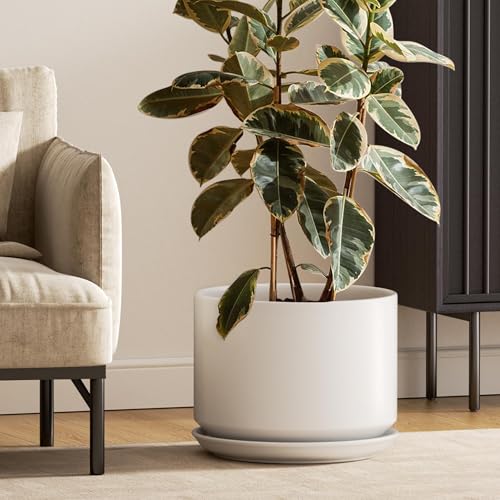
When your peace lily has outgrown its starter pot and you want something that does justice to a mature, full-grown plant, the LE TAUCI 12 Inch Ceramic Pot is the upgrade you are looking for. At 12 inches in diameter and 9.4 inches in height, this pot has enough volume to accommodate a large peace lily with a well-developed root system, and the quality of the ceramic is immediately apparent when you handle it. This is real fired ceramic, not fiber stone or faux-ceramic composite — it is heavier, more durable, and far more resistant to fading, deformation, and the kind of surface degradation that discount planters show within a year or two.
The drainage situation is well thought out. The pot ships with a drainage hole mesh net and a matching saucer, giving you two modes of operation: use the saucer to catch runoff and protect surfaces (seal the drainage hole with the mesh, add soil, water normally), or use the mesh pad alone to keep soil in the pot while allowing free drainage below. That flexibility matters for peace lilies because you want consistent moisture but zero standing water under the root zone. The saucer keeps things tidy on hardwood floors or shelves without trapping excess water against the pot base.
Visually, the white finish is elegant without being sterile — the ceramic has a slight texture and warmth that flat-painted plastic cannot replicate. This pot earns its place as a design object in your space, not just a functional container. The 12-inch size is genuinely large, so measure your intended location before ordering, and keep in mind that once it is filled with soil and plant, it will be heavy and not easily moved. For a statement peace lily in a living room, entryway, or office lobby in 2026, this is the premium ceramic option that delivers on every front. If you enjoy pairing your ceramics with custom colors, take a look at our guide to the best paints for ceramic pots for some creative finishing ideas.
Pros:
Cons:
Terracotta has been the go-to material for indoor plants for centuries, and the INGOFIN 10 Inch Terracotta Pot demonstrates exactly why that tradition persists. The porous clay body wicks moisture away from the soil and out through the walls, creating an environment where roots stay oxygenated and the risk of overwatering is substantially reduced. For peace lily growers who have struggled with yellowing leaves caused by moisture-retentive plastic pots, switching to terracotta often solves the problem within a few weeks. The natural breathability of clay is the single biggest functional advantage you get from this material, and INGOFIN executes it well with a high-temperature one-piece fired construction that resists cracking better than cheaper imported terracotta.
At 10 inches, this pot hits a useful middle ground — large enough for a well-established peace lily, but not so massive that it becomes difficult to manage or repot. The drainage hole at the bottom is generously sized, and the included tray catches runoff cleanly without being so shallow that it overflows with a single thorough watering. The construction quality is genuinely solid: the walls have good thickness, the base is stable, and the matte surface texture has the warm earthy tone that makes terracotta such a natural complement to green foliage. The packaging is thoughtfully multi-layered with shock-absorbing material, which matters for a clay product that can crack in transit if not properly protected.
The one thing you will need to adjust for when using terracotta with a peace lily is watering frequency. Because the clay wicks moisture away from the soil through the pot walls, you will need to water somewhat more often than you would with a plastic or glazed ceramic pot. A moisture meter is a worthwhile companion investment here — you want to catch the soil before it gets fully dry, since peace lilies will begin to droop when they are thirsty. If you value root health over watering convenience, terracotta is the material that delivers, and this INGOFIN pot is one of the most durable and well-built options currently available at this size.
Pros:
Cons:
If you are growing a young peace lily, dividing a root-bound plant, or looking for a handcrafted terracotta option that does not cost a premium, the D'vine Dev 6 Inch set of two pots is a standout choice in 2026. Each pot measures 6.5 inches in both height and exterior diameter, with an interior diameter of 6.1 inches — that slight taper is intentional for both structural integrity and the handcrafted aesthetic. These are genuine hand-thrown terracotta pots, which means each one has the small variations in surface and form that factory-molded pots cannot replicate. The naturally smooth matte finish looks polished and deliberate without losing the warmth of traditional clay.
The round cylinder design is clean and modern — simpler and more geometric than classic bell-shaped terracotta. That makes these pots easier to pair with contemporary interiors where you want a natural material but not a rustic look. The drainage hole is present and appropriately sized, and matching saucers are included, which is not always the case at this price point. Coming as a set of two is a practical advantage: you can pot two small peace lilies, use one as a backup during repotting, or stage them together on a shelf or windowsill for a layered display effect.
At 6 inches, these are clearly sized for smaller or younger plants. A mature peace lily will outgrow this pot, so consider this a starter or transitional container rather than a long-term home for an established plant. For propagation, recovering from a division, or housing a compact variety, though, the size is exactly right. The high-temperature firing gives these pots more crack resistance than cheap imported terracotta — the slightly heavier weight compared to mass-produced alternatives is a direct indicator of the clay density and firing quality. These are a solid, well-designed option at an accessible price. If you grow other plants alongside your peace lily and want cohesive containers, these also pair well with our picks in the gardening reviews section for herbs and compact indoor varieties.
Pros:
Cons:
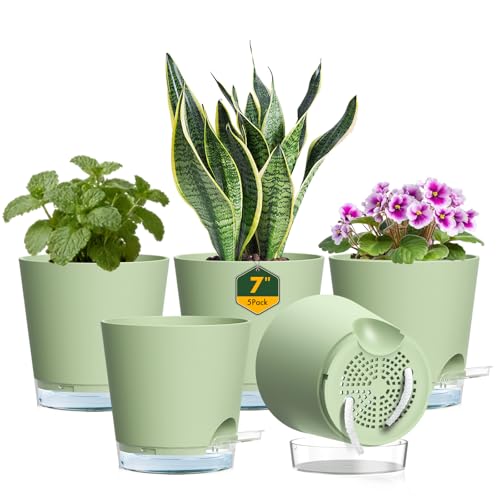
Five self-watering planters in one order at a price that would barely cover two comparable individual pots — the Meowell 5-pack makes serious economic sense if you have multiple peace lilies or a collection of indoor plants that all benefit from consistent moisture delivery. Each pot is 7 inches, which works well for medium-sized peace lilies and a wide range of other common houseplants. The defining design feature is the transparent detachable saucer that doubles as a visible water level indicator. Unlike pots where the reservoir is hidden inside an opaque base, you can see exactly how much water remains at any moment — no lifting, no probing, just a clear visual read from across the room.
The wicking system uses a wick rope to draw water from the reservoir in the base directly to the root zone of the plant, delivering steady, even hydration without the feast-or-famine cycle that comes from manual top-watering. The system maintains moist soil for 7 to 10 days between refills, which aligns well with a peace lily's moisture preferences. The high-quality plastic construction is thick-walled for durability while remaining lightweight enough to move around easily — useful if you rotate your plants to manage light exposure, which peace lily owners commonly do. The green color adds a fresh, garden-feel aesthetic that works especially well in plant-heavy interior setups or on patios and balconies.
If you are buying for a peace lily collection, a classroom, an office, or any situation where you need multiple matching pots without spending a large amount per unit, this five-pack delivers real performance at a per-pot cost that is hard to beat. The UV resistance in the plastic means the green color stays true over time, and the thick walls prevent the cracking and brittleness you often see in cheaper plastic pots after a year or two of use. This is a practical, well-executed product that does exactly what it promises. Peace lilies, with their preference for evenly moist soil, respond particularly well to the steady moisture delivery this wicking system provides. Orchid growers will find similar advantages — our best pots for orchids guide covers self-watering options for that genus in detail.
Pros:
Cons:
The Bloem Ariana sits at an interesting position in this category: it is purpose-built to function equally well indoors and on an outdoor patio or deck, and the charcoal color gives it a distinctly masculine, architectural look that complements a peace lily's white blooms better than you might expect. At 8 inches, it is the right size for a medium-sized peace lily that has been growing for a year or two, and the transitional rolled-rim design reads as deliberate and well-considered rather than generic. The resin construction is weather-resistant, meaning the pot will not crack, fade excessively, or lose structural integrity in outdoor temperature swings the way some cheaper plastics do.
The self-watering functionality comes from a built-in grid at the base that collects excess water and allows plant roots to absorb moisture as needed — a passive wicking mechanism that prevents the pot from becoming a stagnant water trap while still maintaining the reservoir benefit of reduced watering frequency. The optional knockout drainage holes give you genuine flexibility: keep them intact for the self-watering reservoir mode, or punch them out for conventional free-drainage watering if you prefer that approach. This kind of dual-mode capability is unusual at this price point and makes the pot significantly more versatile than single-mode alternatives.
The charcoal finish is rich and even — no cheap sheen or obvious plastic look. Bloem has been making planters long enough to understand the aesthetic pitfalls of resin construction, and the Ariana avoids most of them. If you keep your peace lily near a patio door, on a covered porch, or in any semi-outdoor position where weather exposure is a real factor, this is the pot that handles those conditions without compromise. It is also a strong choice for those who want a darker, moodier container color as an intentional contrast to light-colored walls or shelving — the charcoal works especially well in that context. For year-round indoor-outdoor flexibility in 2026, this is the most practical single option on this list.
Pros:
Cons:
The material of your pot has a direct impact on how fast the growing medium dries out, and that affects how you care for your peace lily every single week. Terracotta is porous — it pulls moisture through the clay walls and speeds up evaporation, which dramatically reduces the risk of root rot from overwatering. That is its biggest strength. The trade-off is that you need to water more often, and in warm, dry indoor environments a terracotta pot can dry out faster than a peace lily prefers. Plastic and resin pots are non-porous, meaning moisture stays in the soil longer — closer to what a peace lily naturally wants in terms of consistent humidity. The risk with plastic is that any drainage failure immediately becomes a root-rot risk. Glazed or unglazed ceramic lands between the two: more breathable than plastic, less so than raw terracotta, and by far the most visually premium of the three.
The practical answer: if you tend to overwater, go terracotta. If you tend to forget to water or travel frequently, go plastic or ceramic with a self-watering reservoir. If you want the best of both worlds aesthetically and functionally, a glazed ceramic with a drainage hole and saucer is the cleanest solution.
Every pot on this list has at least one drainage hole, and that is not a coincidence — it is a requirement. Peace lilies will tolerate imperfect lighting, irregular feeding, and cool temperatures far better than they tolerate waterlogged soil. A pot with no drainage hole traps water at the root zone and creates the exact anaerobic conditions that cause root rot. If you fall in love with a beautiful decorative pot that has no drainage hole, the standard workaround is to use it as a cachepot: put your peace lily in a slightly smaller functional growing pot with drainage, then drop that pot inside the decorative outer container. This approach gives you the aesthetics you want without compromising root health.
Peace lilies do not need as much pot volume as their above-ground size suggests. The rule of thumb is to pot into a container that is 1 to 2 inches larger in diameter than the current root ball. Going too large — planting a small peace lily in a 12-inch pot, for example — means there is far more soil volume than roots can use. That excess soil stays wet long after the roots have absorbed what they need, which creates the same moisture-retention problem as a pot with no drainage. Young or recently divided plants do well in 6- to 8-inch pots. Established plants that have been growing for two or more years are typically ready for 10- to 12-inch containers. Repotting into the next size up every 18 to 24 months is a reliable schedule for most peace lily growers.
Self-watering pots have improved significantly in design quality over the past few years, and in 2026 they represent a genuinely viable long-term care solution for peace lily owners with busy lifestyles. The sub-irrigation approach — where a reservoir at the base delivers water upward through wicking action — matches the way peace lily roots naturally seek moisture, and the 7- to 10-day refill intervals on the best designs mean you only need to think about watering once or twice a week. The main limitation is seasonal: during winter months when your plant's growth slows and its water uptake drops, the reservoir can remain full longer than usual. Overflowing or perpetually full reservoirs in cooler months can still create moisture issues. Monitor the fill level and give the reservoir a chance to draw down before refilling. For a detailed comparison of how these principles apply across plant types, the best pots for indoor plants breakdown is worth reading before you make a final decision.
For most peace lilies, you want a pot that is 1 to 2 inches larger in diameter than the plant's current root ball. Young plants typically do well in a 6- to 8-inch pot. Established, mature peace lilies are most comfortable in 10- to 12-inch containers. Avoid going dramatically oversized — excess soil volume stays wet long after the roots have absorbed what they need, which increases root rot risk significantly.
Both can work well, but they suit different care habits. Terracotta is more breathable and dries out faster, which helps prevent overwatering — a good choice if you water frequently or live in a humid environment. Plastic retains moisture longer, which suits peace lilies' preference for consistently moist soil and is better if you tend to forget to water or travel often. The key in both cases is ensuring the pot has proper drainage holes.
Yes, without exception. Peace lilies are highly sensitive to waterlogged soil and will develop root rot quickly if water pools at the bottom of a pot with no drainage. Every pot you use for a peace lily should have at least one drainage hole at the base. If you want to use a decorative pot without drainage, place the peace lily in a functional inner pot with drainage and drop that into the outer decorative container, then remove any pooled water after watering.
With a quality self-watering pot, you refill the reservoir approximately every 7 to 10 days under normal indoor conditions. The plant draws moisture upward as it needs it, so the frequency is largely self-regulating. During winter months or in cooler spaces, the plant's water uptake slows, and you may find the reservoir takes 14 or more days to empty. Always let the reservoir draw down before refilling rather than topping it up continuously.
Absolutely. Ceramic pots are an excellent choice for peace lilies, particularly glazed ceramics with a drainage hole. The material retains moisture better than raw terracotta while still allowing some air exchange through the pot walls. A matching saucer catches runoff cleanly. The main consideration is weight — a 12-inch ceramic pot filled with moist soil and a mature peace lily is heavy and not easy to move, so position it somewhere it can stay long-term before filling it.
The clearest signs are roots growing out of the drainage hole, the plant drying out much faster than usual between waterings (indicating the roots have consumed most of the available soil volume), or the plant looking visibly cramped and crowded in its container. Most peace lilies benefit from repotting every 18 to 24 months. When you do repot, move up only one pot size — typically 1 to 2 inches larger in diameter — to avoid the moisture retention problems caused by excess soil volume.

 |
 |
 |
 |

About Truman Perkins
Truman Perkins is a Detroit-based SEO consultant who's been in the business for over a decade. He got his start helping friends and clients get their websites off the ground, and he continues to do so today. In his free time, Truman enjoys learning and writing about gardening - something he believes is a natural stress reliever. He lives with his wife, Jenny, and their twins in Detroit.


Get new FREE Gifts. Or latest free growing e-books from our latest works.
Disable Ad block to reveal all the links. Once done, hit a button below
|
|
|
|
 rinjal