Finding the best neem oil in India comes down to one factor above all others: cold-pressed, unrefined oil with a minimum 300 ppm azadirachtin content. Everything else — brand, packaging, price — is secondary. Neem oil has been a cornerstone of Indian plant care and traditional wellness for centuries, and today the domestic market offers both premium cold-pressed options and budget-friendly refined variants suited to everyday gardening. For anyone exploring the full range of plants, herbs, and farming inputs, neem oil ranks among the most versatile organic products available.

The active compound azadirachtin disrupts the life cycle of over 200 insect species without leaving toxic residues in soil. That makes it a preferred choice over synthetic pesticides for home gardeners and small-scale farmers alike. Combined with antifungal and antibacterial properties, a single bottle of quality neem oil addresses pest control, fungal disease, hair care, and skin treatment simultaneously.
This guide covers the top brands available in India, honest trade-offs between extraction types, correct dilution and application methods, and the situations where neem oil excels — or falls short. For a broader comparison of global products, the complete guide to the 15 best neem oils provides additional context worth reviewing before purchasing.
Contents
The extraction method determines the oil's potency. Cold-pressed neem oil retains the full azadirachtin spectrum and characteristic sulfurous odor — a reliable sign of active compounds. Refined or heat-extracted oil is odorless, lighter in color, and significantly lower in azadirachtin. For pest control and plant health, cold-pressed is non-negotiable. For cosmetic use in hair and skin products where odor is a concern, a light refined variant may be acceptable when blended with carrier oils.
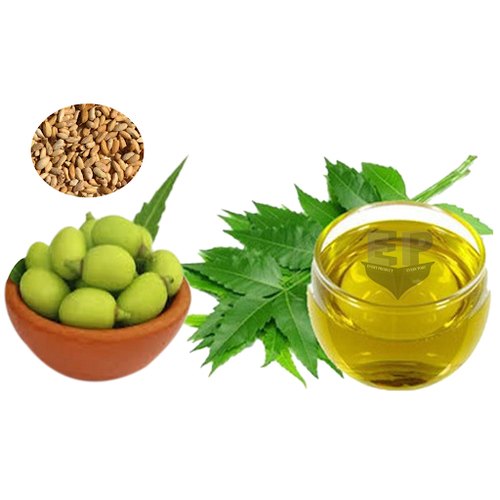
| Brand | Extraction Type | Primary Use | Pack Sizes | Approx. Price (INR) |
|---|---|---|---|---|
| Chipku | Cold-pressed, 100% pure | Plants, pest control | 100 ml, 500 ml, 1 L | ₹180–₹650 |
| B Natural | Cold-pressed | Hair, skin, plants | 100 ml, 250 ml | ₹150–₹400 |
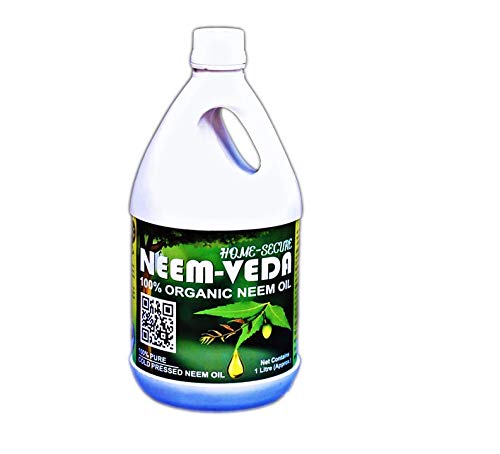
| Neem Veda | Cold-pressed, organic-certified | Organic gardening, skin | 100 ml, 500 ml | ₹200–₹700 |
| Down to Earth | Cold-pressed | Gardens, small farms | 500 ml, 1 L | ₹300–₹800 |
| Himalaya Pure | Refined blend | Hair care only | 200 ml | ₹120–₹200 |
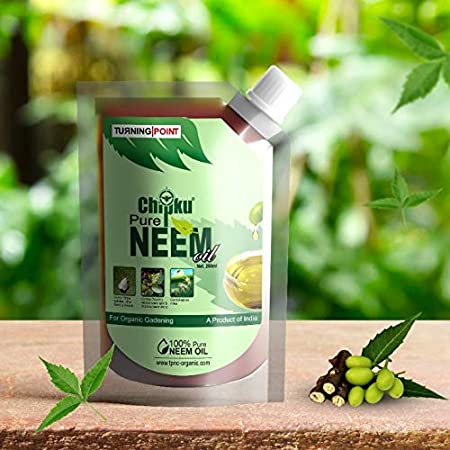
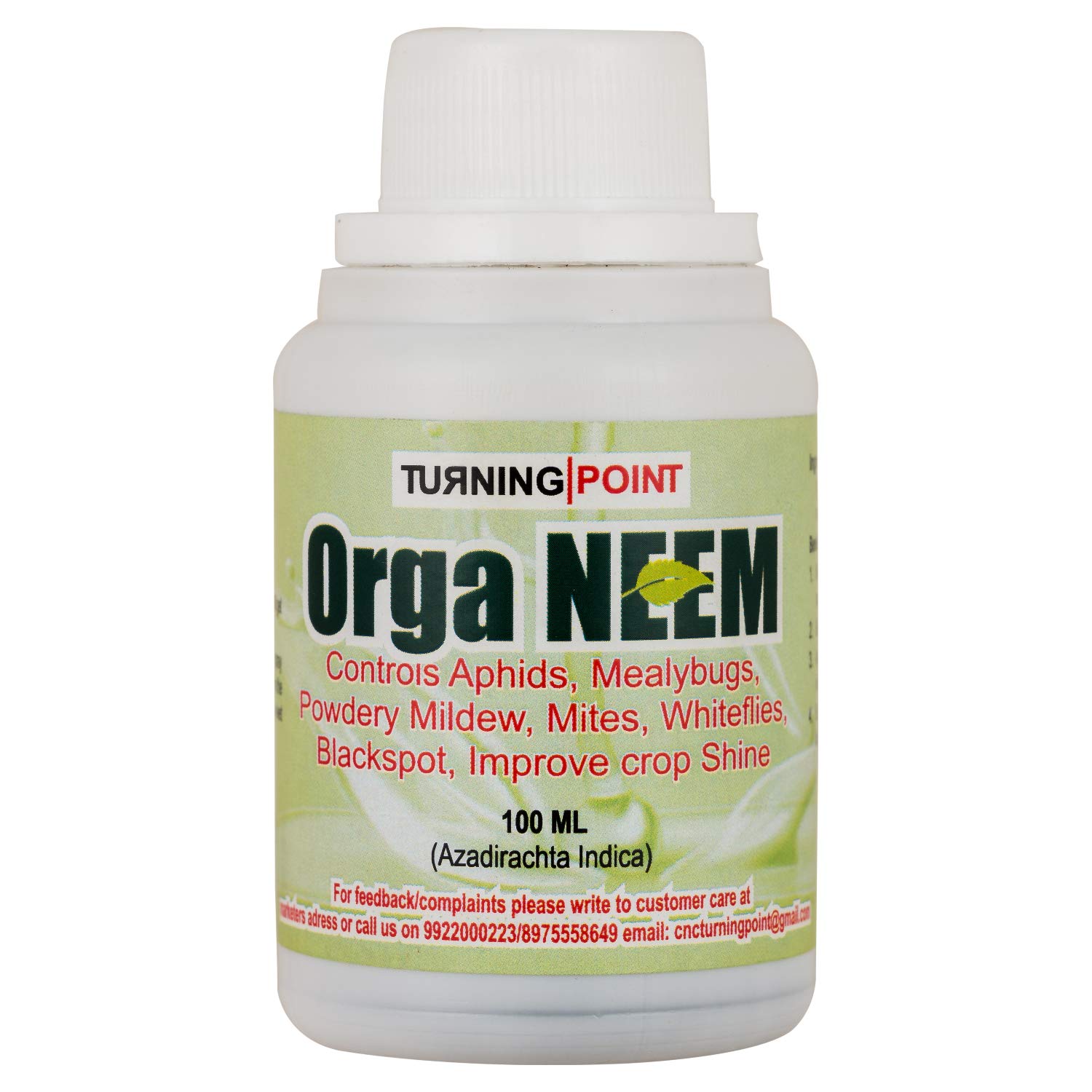
Chipku is widely regarded as the most consistent cold-pressed option for Indian home gardeners — reliable potency, honest labeling, and widely available online. Neem Veda targets organic certification seekers and commands a slight price premium for verified purity. B Natural bridges the gap between cosmetic and horticultural use, making it a practical choice for households using the oil across multiple applications.
Neem oil's multi-action profile is why it remains a first-choice organic input across Indian horticulture. According to Wikipedia, the oil contains at least 35 biologically active compounds, with azadirachtin as the primary insecticidal agent. That compound does not kill pests outright — it disrupts molting, feeding behavior, and reproduction, making resistance development extremely unlikely.
Pro tip: Cold-pressed neem oil solidifies below 15°C — warm the bottle in hot water for five minutes before mixing. Skipping this step leads to uneven emulsification and patchy spray coverage.
Correct dilution prevents leaf burn and ensures effective coverage. Most garden applications call for a 1–2% neem oil solution. Hair and skin preparations use much lower concentrations in a carrier oil base.
Consistent dilution is especially critical when using the best neem oil in India on young seedlings or newly propagated cuttings, which are far more sensitive to concentration errors. Pairing neem oil applications with balanced nutrition — covered in depth in the best micronutrient fertilizer guide for Indian plants — significantly improves overall plant resilience and recovery speed after pest pressure.
Safety note: Always wear gloves when handling undiluted neem oil — concentrated oil causes irritation in sensitive individuals with prolonged skin contact. Quality gardening gloves rated for chemical resistance are the correct choice for regular spray applications.
Timing matters as much as technique. Neem oil applied at the wrong time of day or season loses effectiveness and risks crop damage.
Neem oil is not universally safe in all contexts. Recognizing its limits prevents wasted product and unintended damage.
Neem oil is one of India's oldest remedies for scalp conditions. Its antifungal action targets Malassezia — the yeast responsible for dandruff and seborrheic dermatitis. Regular scalp treatments with a diluted neem blend produce visible reductions in flaking within 2–3 weeks of consistent weekly use.
For skin, neem oil delivers broad antibacterial coverage with a well-established track record in Ayurvedic practice for acne, eczema, and minor wound management.
In the garden, the best neem oil in India functions as a broad-spectrum organic pesticide and fungicide. It is approved under Indian organic certification standards and used widely by both small-scale vegetable growers and ornamental plant enthusiasts.
Chipku cold-pressed neem oil is the most consistently recommended option for garden use in India. It maintains high azadirachtin content, is widely available online, and comes in sizes suitable for both home gardeners and small farms. Neem Veda is the preferred choice for growers requiring organic certification documentation.
The standard garden dilution is 5–10 ml of cold-pressed neem oil per 500 ml of water, with 2–3 drops of liquid dish soap added as an emulsifier. The mixture should be shaken vigorously until it turns milky white. It must be used within a few hours — premixed solutions break down and lose effectiveness quickly.
Cold-pressed neem oil is significantly more effective for pest control and plant health applications because it retains the full azadirachtin concentration. Refined neem oil undergoes heat or solvent extraction that degrades these active compounds. For purely cosmetic applications where odor is a concern, refined oil is acceptable but should not be used in the garden.
Undiluted neem oil should not be applied across the full scalp — its concentrated form can cause irritation and is difficult to rinse out thoroughly. The correct method is to mix 3–5 drops into a tablespoon of coconut or jojoba oil before massaging into the scalp. Spot treatment with pure oil is acceptable for small, localized areas only.
During active infestations, applications every 7–10 days are required to interrupt pest life cycles across multiple generations. Since neem oil does not kill eggs, the interval is timed to catch newly hatched nymphs before they mature. As a preventive measure during low-pressure seasons, a 14-day application schedule is sufficient.
Neem oil poses minimal risk to bees and beneficial insects when applied correctly — specifically during early morning or late evening when pollinators are not actively foraging. Direct spray contact with beneficial insects can cause harm, so application timing is critical. Soil drenches do not affect above-ground beneficial insect populations at all.
Cold-pressed neem oil stored in a cool, dark location in an airtight container lasts approximately 1–2 years. Exposure to heat, light, or repeated air contact accelerates oxidation and degrades azadirachtin content. A rancid smell distinct from the normal sulfurous odor, or a darkened color with separation, indicates the oil has degraded and should be replaced.
Ferns, mosses, and most cacti show phytotoxicity reactions to neem oil even at standard concentrations — yellowing, spotting, and leaf drop are common outcomes. Seedlings in their first two weeks after germination are also vulnerable and should be treated only at 0.5% concentration or avoided entirely. Always perform a spot test on one leaf and wait 24 hours before full-plant application.
The best neem oil in India is the one that is cold-pressed, used at the right dilution, and applied at the right time — get those three variables correct, and a single bottle handles pests, fungi, hair, and skin with no synthetic chemistry required.
 |
 |
 |
 |

About Truman Perkins
Truman Perkins is a Detroit-based SEO consultant who's been in the business for over a decade. He got his start helping friends and clients get their websites off the ground, and he continues to do so today. In his free time, Truman enjoys learning and writing about gardening - something he believes is a natural stress reliever. He lives with his wife, Jenny, and their twins in Detroit.


Get new FREE Gifts. Or latest free growing e-books from our latest works.
Disable Ad block to reveal all the links. Once done, hit a button below
|
|
|
|
 rinjal