reviewed by Christina Lopez
The basil plant benefits and uses extend far beyond seasoning pasta — this ancient herb delivers antioxidant compounds, anti-inflammatory action, and natural pest-repelling properties that make it one of the most productive plants any gardener can grow. Serious herb growers treat basil not as a garnish crop but as a multi-purpose workhorse. For a broader look at companion herbs worth growing alongside it, the 6 Best Herbs to Grow Indoors guide serves as an excellent companion resource.
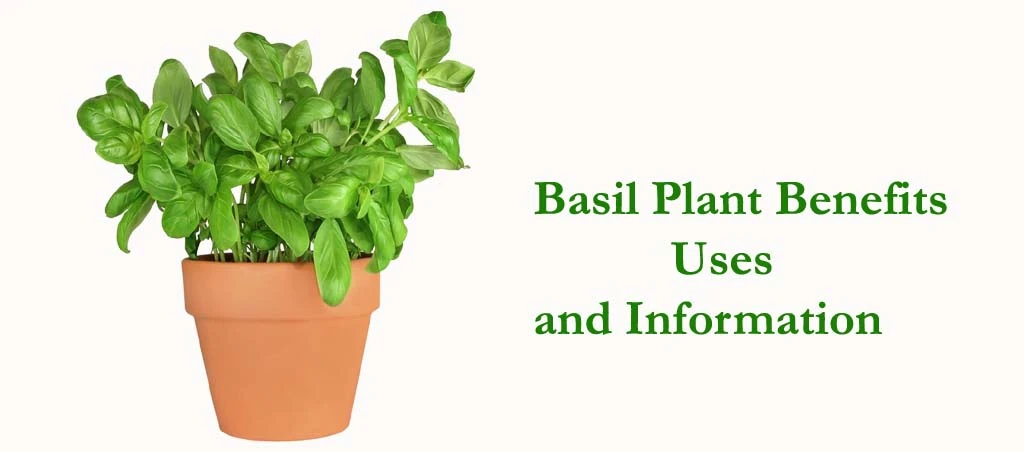
Basil (Ocimum basilicum) originates from tropical Asia and central Africa, where it has been cultivated for over 5,000 years. Its essential oil profile — dominated by linalool, eugenol, and methyl chavicol — gives basil its recognizable fragrance and underpins most of its therapeutic activity. According to the Wikipedia entry on basil, more than 60 recognized varieties exist, ranging from classic Genovese to Thai, lemon, and holy basil (tulsi), each with a distinct flavor and use profile.
Most gardeners in temperate climates grow basil as an annual, sowing fresh each season. In frost-free zones, the plant behaves as a short-lived perennial. Either way, its needs are consistent: full sun, well-draining soil, and steady moisture without waterlogging. Mastering those three variables is, fundamentally, the entire game.
Contents
Basil's most celebrated role is culinary, and Genovese basil forms the backbone of classic preparations like pesto — a sauce explored in depth in the Simple and Versatile Basil Pesto Recipes collection. But the plant's culinary range extends well past that single dish.
The volatile oils responsible for basil's flavor degrade rapidly with heat. Adding leaves at the very end of cooking — or raw — preserves both their fragrance and nutritional content. This is a consistent principle across nearly every cuisine that uses the herb.
The medicinal record of basil spans Ayurvedic, Traditional Chinese, and Western herbal traditions. Evidence-backed properties include antioxidant activity from flavonoids orientin and vicenin, anti-inflammatory effects driven by eugenol, and documented antimicrobial action against E. coli, Staphylococcus, and several mold species in laboratory settings.
Holy basil (tulsi) is classified as an adaptogen in Ayurvedic medicine, used specifically to moderate cortisol response under stress. Those interested in concentrating and extracting these properties at home should consult the Tincture Making Supplies and Kits for Liquid Herbal Extracts at Home guide for appropriate methods and equipment.
Basil demands full sun — a minimum of six hours of direct light daily, with eight hours producing the most aromatic, oil-dense leaves. Below 50°F (10°C), visible stress appears. A hard frost kills the plant outright. Soil pH between 6.0 and 7.0 is optimal, with well-draining loam or a quality potting mix delivering the strongest results in containers.
Basil prefers consistent moisture but resents wet feet. Soggy soil encourages fusarium wilt and root rot — two problems that end a plant quickly. Water at the base, not overhead, to minimize foliar disease pressure.
Pinch flower heads weekly rather than waiting for full bloom. Bolting happens faster than most gardeners expect, and a plant that has fully bolted turns bitter almost overnight — the flavor window closes quickly.
Pinching flower buds the moment they appear redirects the plant's energy into leaf production and delays bolting by three to five weeks. Feed every two to three weeks with a balanced liquid fertilizer. Excess nitrogen produces lush but bland leaves — keep feeding moderate.
Start seeds indoors six to eight weeks before the last expected frost date. Basil germinates best at soil temperatures between 70–85°F (21–29°C). The process is straightforward:
Transplant only after nighttime temperatures consistently exceed 55°F (13°C). Cold-shocked seedlings stall and rarely recover to full productivity. Space plants 12 to 18 inches apart in ground beds; in containers, one plant per 8-inch pot or three per 12-inch pot works reliably.
Direct sowing outdoors after the last frost is an option in warmer climates. Thin to appropriate spacing once seedlings establish. Either method works — the indoor start delivers an earlier harvest and more control over germination conditions.
Many growers overwater basil assuming more moisture means faster growth. In practice, basil prefers to dry out slightly between waterings. Chronically wet soil starves roots of oxygen and creates conditions that fusarium wilt thrives in. Water deeply but infrequently — when the top inch of soil feels dry to the touch, it is time to water again.
The claim that "bright indirect light" satisfies basil is incorrect. Plants grown without direct sun produce sparse, pale leaves with significantly reduced essential oil concentration. Windows delivering direct sun for fewer than five hours daily will disappoint consistently. South-facing outdoor placement or supplemental grow lighting indoors resolves the issue.
The companion planting claim that basil universally improves tomato flavor lacks rigorous scientific support. Basil does repel thrips and certain aphid species in proximity to tomatoes. The benefit is pest control — not flavor transfer through the soil or air. Plant them together for the pest management advantage, and separate the culinary mythology from the practical gain.
Growing basil successfully requires a short, deliberate list of reliable tools. Improvising with inadequate equipment leads to inconsistent results — proper gear pays for itself in harvest quality within one growing season.
| Tool | Purpose | Best For |
|---|---|---|
| Full-spectrum grow light | Supplements insufficient indoor sunlight | Indoor growers, northern climates |
| Self-watering container | Maintains consistent soil moisture automatically | Container growers, busy schedules |
| Row cover fabric | Protects transplants from late-season frost | Early-season outdoor growers |
| Drip irrigation kit | Delivers water at the base, reduces foliar disease | Garden bed growers with multiple plants |
| Compost tea brewer | Delivers soluble nutrients without synthetic over-feeding | Organic growers |
Those evaluating tools more broadly will find detailed comparisons and reviews in the Gardening Reviews section of this site.
The startup investment for basil is genuinely accessible. A seed packet containing 300–500 Genovese basil seeds costs $2–$4 at most garden retailers. A six-pack of nursery starts runs $3–$6. For container growing, a quality 12-inch pot costs $8–$20, and a bag of premium potting mix runs $15–$25.
A complete indoor setup — grow light, seed tray, and potting supplies — typically lands between $60 and $120 for a functional, productive system. That same infrastructure lasts multiple growing seasons, amortizing the cost further each year.
Once established, ongoing costs are minimal:
Fresh basil at retail prices ranges from $3–$6 per small bunch, meaning a single productive plant recoups its startup cost within two or three harvests. A four-plant container setup harvested weekly over a full growing season delivers the equivalent of well over $200 in fresh herb value — a return no grocery run can match.
A single sowing produces a single productive window. Succession sowing every three to four weeks from late spring through midsummer extends the harvest season without interruption. As older plants bolt and turn bitter, fresh transplants carry production forward.
Allowing one or two plants to fully flower and set seed at season's end provides free, acclimatized seed stock for the following year. Collect dried seed heads into a paper bag, thresh gently, and store seeds in a cool, dark, dry location. Germination rates from properly stored basil seed remain strong for three to five years.
In frost-free climates, cutting plants back hard after bolting — removing all flower stems to within six inches of the base — often triggers a productive second flush of leaf growth. This extends the productive window by six to ten weeks without a fresh sowing, effectively delivering two harvests from one planting.
Basil delivers culinary, medicinal, and garden benefits simultaneously. Culinarily, it anchors sauces, salads, and infused oils. Medicinally, its eugenol and flavonoid content provides antioxidant and anti-inflammatory activity. In the garden, it repels thrips and certain aphid species, making it a functional companion plant as well as a productive herb crop.
Basil requires a minimum of six hours of direct sunlight daily. Eight hours produces the most flavorful, oil-dense leaves. Indoor growers who cannot achieve this with window placement should supplement with a full-spectrum grow light positioned six to twelve inches above the plant canopy.
Once basil bolts and produces flowers, the plant's energy shifts from leaf production to seed development. This triggers a change in essential oil composition — the volatile compounds that create basil's characteristic sweetness diminish while bitter compounds increase. Pinching flower buds consistently delays this transition and extends the quality harvest window significantly.
Yes, with adequate light. A south-facing window delivering five or more hours of direct sun, or a full-spectrum grow light on a 14–16 hour daily cycle, supports productive indoor basil year-round. Maintain temperatures above 60°F (15°C) and water when the top inch of soil dries out. Indoor plants tend to grow more slowly but remain productive through winter months.
Genovese basil is the standard culinary variety — sweet, clove-forward, and ideal for pesto and Italian dishes. Holy basil (tulsi, Ocimum tenuiflorum) carries a spicier, more peppery flavor with clove and anise notes. Holy basil holds greater significance in Ayurvedic medicine as an adaptogen and is the preferred type for herbal teas and medicinal preparations.
Basil produces most abundantly when harvested every one to two weeks throughout the growing season. Remove stems just above a leaf node or pair of leaves — the plant branches from that point, doubling the number of productive growing tips. Never remove more than one-third of the plant at a single harvest, as over-harvesting stresses the root system and slows recovery.
Basil rewards growers who approach it with intention. Start with a reliable variety, give it genuine full sun, pinch consistently, and build a succession-sowing rhythm that keeps fresh plants always coming in behind the old ones. Pick up the right tools, track costs against the grocery store equivalent, and the case for growing basil at home makes itself — visit the Gardening Reviews section to find gear that matches the scale of the operation, then get seeds in soil and let the plant do the rest.
 |
 |
 |
 |

About Christina Lopez
Christina Lopez grew up in the scenic city of Mountain View, California. For eighteen ascetic years, she refrained from eating meat until she discovered the exquisite delicacy of chicken thighs. Christina is a city finalist competitive pingpong player, an ocean diver, and an ex-pat in England and Japan. Currently, she is a computer science doctoral student. Christina writes late at night; most of her daytime is spent enchanting her magical herb garden.


Get new FREE Gifts. Or latest free growing e-books from our latest works.
Disable Ad block to reveal all the links. Once done, hit a button below
|
|
|
|
 rinjal