The global aloe vera market is valued at over $500 million and growing steadily — which tells you something important: knowing where to buy aloe vera juice to drink has become a genuine decision with dozens of options and real quality differences. Whether you're a gardener who already grows aloe on your patio or someone who just heard about its benefits for the first time, this guide lays out every place you can find it, what you'll pay, and how to avoid wasting money on a diluted or mislabeled product. For a broader look at how aloe fits into the world of edible and medicinal herbs, our Herbs A–Z: Medicinal & Garden Herb Directory is a great companion resource.
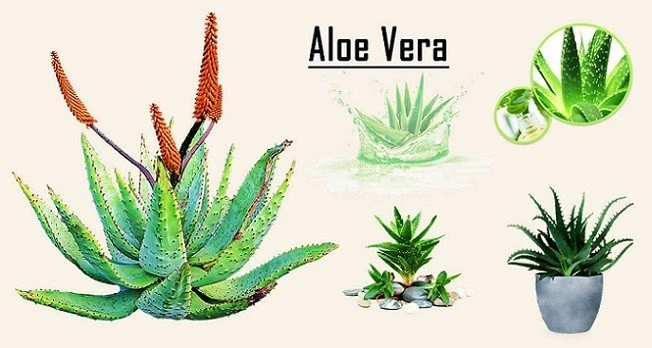
Aloe vera has been used medicinally for more than 6,000 years. According to Wikipedia, ancient Egyptians referred to it as the "plant of immortality," and it's been documented in traditional medicine systems across Asia, the Middle East, and the Americas. Today it's most commonly consumed as a juice or gel drink — and the marketplace is flooded with options that vary wildly in quality, concentration, and price.
This guide cuts through the noise. You'll learn exactly where to find aloe vera juice to drink — from your local pharmacy shelf to bulk online retailers — what price ranges to expect, and which red flags to catch before you buy. By the end, you'll have a clear path forward without overpaying or guessing.
Contents
Your starting point depends entirely on what you already know and how much effort you're willing to invest. If this is your first bottle, a local store is your safest move — you can read the label in person and walk out with it the same day. If you've been around the block and want better quality at a lower per-ounce price, you'll need to look further than the nearest pharmacy.
Most people encounter aloe vera juice for the first time at a grocery store or pharmacy. Here's where you can reliably find it:
The benefits here are tangible: you inspect the product before buying, you get it immediately, and you can ask staff for recommendations. The trade-off is that selection is limited and unit prices tend to run higher than online. You're paying for immediacy.
Once you know what you like, buying online gives you access to a much wider product range at meaningfully better prices. These are your primary online channels:

Buying online also lets you access third-party lab testing results, detailed ingredient breakdowns, and customer reviews from thousands of verified buyers — context you simply can't get from a shelf sticker in a store aisle.
Prices for aloe vera juice span a wide range — from under $10 for a basic 32 oz bottle to over $50 for a large supply of cold-processed organic juice. Understanding where that price gap comes from helps you decide how much is worth spending.
You don't need to spend a lot to get a decent, functional product. These are the most reliable budget options:
These budget products work well for first-timers. They're not always certified organic, but the most popular ones are widely tested and consumed by millions of people annually. Start here if you're unsure whether aloe vera juice is something you'll stick with.
If you want cold-pressed, certified organic aloe vera juice with no additives, expect to pay more — and know what you're paying for. These are the top-tier options worth your money:
The jump in price from budget to premium reflects real differences in sourcing, processing, and certification. If you plan to use aloe vera juice daily as part of a health protocol, spending a little more on a certified product is the right call.
Every channel for purchasing aloe vera juice comes with trade-offs. Knowing them upfront saves you from buyer's remorse after the first delivery or shopping trip.
Buying in-store:
Buying online:

Walmart stands out as a solid middle ground — wide distribution, multiple brands, competitive pricing, and the option to order online for in-store pickup. Target operates the same way. Both carry the most popular brands at prices that beat most local health food stores without requiring a membership or online account.
If you grow aloe vera at home — which many gardeners do — you can extract fresh juice directly from your plants. Aloe vera is a succulent with growing traits that parallel other desert plants; if you're cultivating similar species, our guide to Planting Agave Havardiana covers key care principles that transfer across the succulent family.
Here's how to extract juice from a homegrown plant safely:
Pros of homegrown aloe vera juice:
Cons to be aware of:
Homegrown juice is a rewarding complement to purchased aloe vera, but it's not a complete replacement — especially if you need a precise, consistent daily dose for health purposes.
Use this table to compare your main buying options side by side before you spend a dollar. It gives you a fast reference across the dimensions that actually matter: price, availability, and fit for different buyer types.
| Source | Price Range (32 oz) | Organic Available? | Convenience | Best For |
|---|---|---|---|---|
| Walmart / Target | $8–$15 | Sometimes | High (in-store + online) | First-time buyers |
| Health Food Stores | $14–$22 | Yes | Medium | Quality-conscious shoppers |
| Amazon | $10–$25 | Yes | High | Bulk buyers, subscription shoppers |
| iHerb | $12–$22 | Yes | Medium (online only) | Supplement-focused shoppers |
| Thrive Market | $10–$18 | Yes | Medium (membership required) | Regular organic buyers |
| Brand Direct | $15–$30 | Yes | Low | Loyal repeat customers |
| Homegrown / DIY | $0 (after plant cost) | Fully | Low | Gardeners with mature plants |
| Asian Supermarkets | $1–$4 per can | Rarely | Medium | Casual drinkers |
| Pharmacies (CVS, Walgreens) | $10–$18 | Rarely | High | Emergency or impulse purchase |
| eBay | $8–$20 | Sometimes | Medium | Deal hunters (verify seller reputation) |
The price difference between budget and premium isn't always a quality gap — sometimes you're paying for packaging, marketing, or brand prestige. Focus on these metrics instead:
Label literacy is the single most valuable skill when buying aloe vera juice. Here's what to look for — and what to avoid:
Aloe vera is one of the most commonly adulterated ingredients in the supplement industry. Third-party certification isn't optional — it's essential protection against products that contain little to no actual aloe.
Finding the right place to buy aloe vera juice is only the first step. How you use and store it determines whether you actually get the benefits you're paying for. These best practices make a measurable difference.
Improper storage is the most common reason aloe vera juice loses potency or spoils before the bottle is finished. Follow these rules without exception:
Most people who see real results from aloe vera juice are using it consistently — not sporadically. Here's how to build the habit without making it feel like a chore:
As any experienced gardener knows, aloe vera's value extends well beyond the glass. Just as rice water delivers natural nutrients directly to plant roots, fresh aloe gel can be used as a mild rooting hormone and natural foliar spray — making the aloe plant genuinely one of the most dual-purpose species you can grow. If you're adding aloe to your garden specifically for home juice production, plan for a 3–4 year runway before the plant is mature enough for regular harvesting.
For gardeners interested in other tools and products that support a healthy growing hobby, our gardening reviews section covers honest, experience-backed takes on everything from soil amendments to garden equipment.
The best place depends on your priorities. For same-day convenience, Walmart and Target are excellent starting points — both carry trusted brands at fair prices. For organic and certified options with better per-ounce value, Amazon and iHerb offer the widest selection. Health food stores like Whole Foods let you read labels in person before committing to a brand, which is useful when you're still learning what to look for.
Not always. Walmart carries reliable, widely used brands like George's and Fruit of the Earth, which are safe and well-reviewed. However, health food stores generally stock a broader range of IASC-certified and USDA organic options. For occasional use, Walmart is perfectly fine. For daily health supplementation, upgrading to a certified organic brand is the smarter long-term investment.
Yes, but you must handle it correctly. The key step is draining the yellow aloin latex from the cut leaf before consuming anything. Stand the cut leaf upright in a container for 10–15 minutes before filleting it — the aloin drains out naturally. Consume only the clear inner gel blended with water. Skipping this step can cause cramping and digestive upset because aloin acts as a powerful laxative.
Start with 1–2 oz daily for the first week to assess your tolerance. Gradually increase to the standard serving range of 4–8 oz per day. Consistently consuming more than 8 oz daily without medical guidance is not recommended — high doses of certain compounds in aloe vera can irritate the gastrointestinal system over time, particularly in sensitive individuals.
Focus on four things: first, confirm "inner leaf gel" or "inner fillet" is listed as the source — not whole leaf unless the product is decolorized. Second, look for an IASC Certification seal, which guarantees purity. Third, check that there are no added sugars or artificial flavors. Fourth, verify a clear expiration date. Aloe vera is one of the most frequently adulterated supplement ingredients, so third-party verification is non-negotiable.
Almost always, especially when you buy in bulk or use subscription programs. Amazon's Subscribe & Save program alone cuts costs by 5–15% per order, and a 128 oz bottle purchased online typically costs less per ounce than a 32 oz bottle bought at a pharmacy. The main trade-off is that you can't inspect the product before it arrives, so sticking to well-reviewed brands from reputable sellers matters more when buying online.
You now have everything you need to make a confident decision about where to buy aloe vera juice to drink — pick one source from the comparison table that matches your budget and convenience needs, choose a brand with IASC certification, and commit to a consistent daily dose for at least three weeks before judging the results. Start simple, stay consistent, and let your experience guide the next purchase.
 |
 |
 |
 |

About Christina Lopez
Christina Lopez grew up in the scenic city of Mountain View, California. For eighteen ascetic years, she refrained from eating meat until she discovered the exquisite delicacy of chicken thighs. Christina is a city finalist competitive pingpong player, an ocean diver, and an ex-pat in England and Japan. Currently, she is a computer science doctoral student. Christina writes late at night; most of her daytime is spent enchanting her magical herb garden.


Get new FREE Gifts. Or latest free growing e-books from our latest works.
Disable Ad block to reveal all the links. Once done, hit a button below
|
|
|
|
 rinjal