Have you ever pulled a weed clean out of the ground, roots and all, only to find it growing back in the exact same spot three weeks later? There's a reason that keeps happening — and once you understand it, the best ways to kill weeds permanently stop being a mystery. Most gardeners deal with the symptom (the visible plant) while ignoring the cause (the root system and seed bank underground). This guide gives you every proven method, matched to every situation, so you can actually stop the cycle. For product and tool recommendations to back up these strategies, browse our gardening reviews.
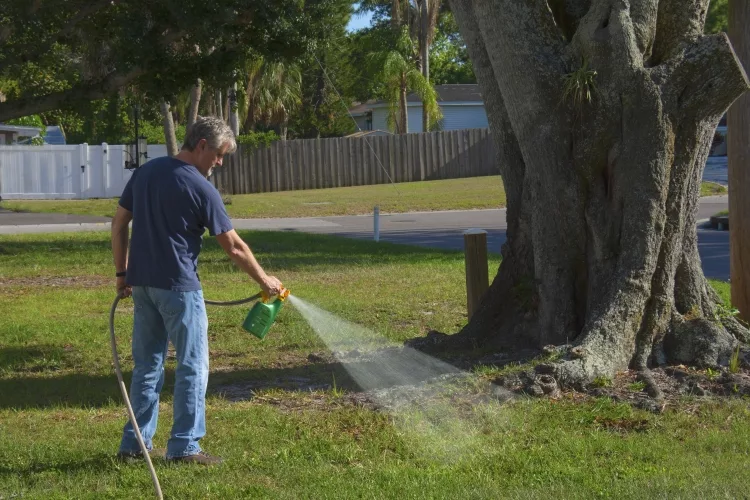
A weed is simply any plant growing where you don't want it. That sounds obvious, but it matters — because dandelions, bindweed, crabgrass, and nutsedge each need a different approach. Using a one-size-fits-all strategy is the main reason most gardeners stay stuck in the same pull-and-regrow loop. Permanent weed control means targeting both the living plant and the seed bank sitting dormant in your soil.
You don't need a chemistry degree or expensive equipment. You need the right method matched to the right weed in the right setting. Some situations call for a targeted herbicide. Others call for physical barriers, soil amendments, or plant competition. Walk through each approach below — practically, clearly, and without the filler.
Contents
Hand-pulling works — but only under one condition: you remove the entire root system. For shallow-rooted annuals like chickweed or annual bluegrass, pulling before they seed is genuinely effective. For perennials like dandelions and bindweed, it's a trap. Leave even a small root fragment in the soil, and the plant regenerates. Field bindweed can regrow from a root piece as small as two inches.
The rule is simple: pull annuals early, before they flower and seed. For deep-rooted perennials, pulling alone won't finish the job. Follow up with solarization, smothering, or herbicide to address what's still underground.
Household vinegar (5% acetic acid) burns foliage. It does not kill the root. You'll see dramatic wilting within hours — which looks like a win — but the root survives and pushes out new growth within days. Horticultural vinegar (20–30% acetic acid) is more aggressive and can work on young annual weeds, but it still struggles against established perennials with deep taproots.
If you use vinegar-based sprays, apply them to young weeds before root systems establish, and repeat every few days until the plant exhausts its energy reserves. Never assume one application finishes the job. It won't.
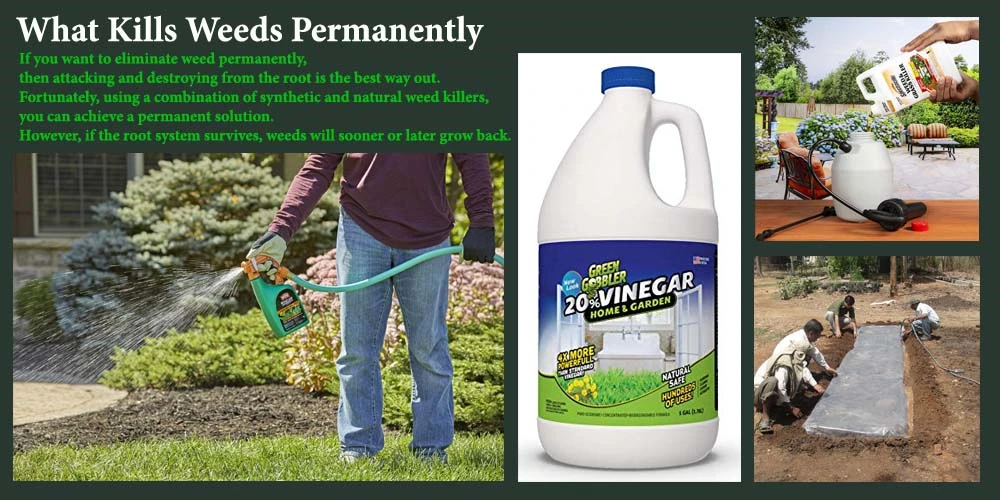
Herbicides get a bad reputation, but used correctly, they're among the most reliable tools for eliminating weeds for good — especially for large infestations or persistent perennials. There are two main categories:
According to the U.S. Environmental Protection Agency, herbicide effectiveness depends heavily on proper application timing, weather conditions, and correct identification of the target species. Always read the label — the wrong product applied at the wrong growth stage wastes money and can damage surrounding plants.
If you prefer to avoid synthetic chemicals, you have real options. They require more consistency, but work well when layered together:
Dense planting that crowds weeds also supports beneficial insect habitat. Our guide on chilli and garlic as natural insecticides covers organic plant management that pairs naturally with these weed control techniques.
| Method | Target Weed Type | Permanence | Best Location | Organic? |
|---|---|---|---|---|
| Pre-emergent herbicide | Annuals (seed stage) | High (seasonal) | Lawns, garden beds | No |
| Systemic post-emergent | Established perennials | High | Any infested area | No |
| Solarization | All types | High (area-wide) | Bare soil, bed prep | Yes |
| Boiling water | Shallow-rooted annuals | Medium | Cracks, paths, pavers | Yes |
| Corn gluten meal | Annuals (seed stage) | Medium | Lawns, vegetable beds | Yes |
| Flame weeding | Young annuals | Low–Medium | Gravel, pavement | Yes |
| Mulching (4 inches) | All types | High (ongoing) | Beds, borders | Yes |
For weeds pushing through driveway cracks or between pavers, a targeted salt solution is one of the fastest tools available. Mix one part salt with eight parts boiling water, add a few drops of dish soap as a surfactant to improve absorption, and pour it directly onto the weed. The heat ruptures foliage immediately; the salt raises soil sodium to levels that prevent regrowth in that spot.
Use this carefully. Salt persists in the soil and will prevent anything from growing where you apply it — which is exactly what you want in a driveway. It's the wrong choice for a garden bed where you plan to plant nearby. Keep it well away from tree roots and lawn edges.
Most gardeners underestimate pre-emergent herbicides because they produce no visible results. That's the point — the weeds simply never appear. Apply a granular pre-emergent in early spring before weed seeds activate, and again in early fall to stop winter annuals. Pair the application with proper garden tilling to incorporate the product into the top inch of soil without burying it too deep, where it loses effectiveness.
A light watering activates the barrier. Once set, a pre-emergent blocks germination for 8–12 weeks depending on the product and rainfall. In heavily weeded areas, this single step can reduce your weeding workload by more than half in the first season.
Field bindweed is the nightmare weed. Its roots can extend 15 feet down and spread horizontally through the soil. No single application of anything eliminates it. Here's the proven multi-season approach:
If you're rebuilding a bed that had bindweed, solarize for a full summer before replanting. It won't destroy every deep root, but it kills the upper root system and forces the plant to exhaust reserves recovering — making follow-up herbicide treatment far more effective.
Raised beds are among the easiest spaces to reclaim. Remove all large weeds by hand — roots and all. Lay cardboard directly on the soil surface, overlapping edges by six inches to eliminate gaps. Top it with four inches of compost or quality topsoil. The cardboard blocks existing weed seeds from receiving light while it slowly breaks down and improves soil structure beneath.
Soil chemistry matters here. Checking your soil pH lets you choose amendments that give your planted crops a real competitive advantage over weeds. Once replanted, setting up efficient garden irrigation helps your desired plants establish quickly without drought stress — a stressed plant is a plant losing the competition to weeds.
Mulch is the closest thing gardening has to a permanent weed solution. A three to four inch layer of organic mulch — wood chips, straw, or shredded leaves — blocks 85–90% of weed germination by cutting off light at the soil surface. The weeds that do break through are shallow-rooted and pull out without effort.
Combine thick mulching with low-maintenance shrubs and spreading ground covers to shade the soil through every season. Less open ground means fewer opportunities for weeds to establish.
Empty soil is an open invitation. The most effective long-term weed prevention is simply not leaving bare ground. Plant ground covers, use tight spacing in vegetable beds, and fill gaps with mulch immediately after harvesting any crop. Weeds colonize disturbed, bare soil fastest — your job is to make sure your plants claim the space first.
Healthy, dense plants in healthy soil are your best competition against weeds. Compacted, nutrient-poor soil favors weeds that thrive in harsh conditions. Improving your soil with organic matter tips the advantage toward your cultivated plants. Once your beds are established, our guide on watering plants and herbs correctly ensures they build strong root systems fast enough to close ground before weeds move in. Adding mosquito-repellent plants along borders serves double duty — many spread densely and naturally crowd out weeds while keeping pests away.
Systemic herbicides like glyphosate are among the most effective options for established perennial weeds because they travel through the plant to the root system. For preventive control, pre-emergent herbicides stop seeds before they sprout. The most lasting results come from combining both approaches with consistent mulching and dense planting.
Salt kills weeds effectively and does prevent regrowth, but it also remains in the soil and stops anything else from growing in that area. It's a reliable solution for driveways, pavers, and walkways — never for garden beds or anywhere near plants you want to keep.
Use targeted application methods — hand-pulling, spot-spraying with a shielded nozzle, or pouring boiling water directly at the weed's base. Laying cardboard or thick mulch around garden plants prevents most weeds from establishing without any chemical risk to your cultivated plants.
Most pre-emergent products remain active for 8–12 weeks. Apply once in early spring before soil temperatures reach 55°F, and again in early fall to block winter annual weeds. Always check your specific product label — reapplication windows vary by formulation and climate.
Weeds don't win because they're strong — they win because you stop before they do; match the right method to the right weed, stay consistent, and the garden is yours.
 |
 |
 |
 |

About Truman Perkins
Truman Perkins is a Detroit-based SEO consultant who's been in the business for over a decade. He got his start helping friends and clients get their websites off the ground, and he continues to do so today. In his free time, Truman enjoys learning and writing about gardening - something he believes is a natural stress reliever. He lives with his wife, Jenny, and their twins in Detroit.


Get new FREE Gifts. Or latest free growing e-books from our latest works.
Disable Ad block to reveal all the links. Once done, hit a button below
|
|
|
|
 rinjal