Roughly 30 percent of residential gardens receive fewer than four hours of direct sunlight each day — yet the vast majority of mainstream gardening advice assumes you have a bright, open yard. If you're working with a north-facing bed, a canopy of mature trees, or a shaded side passage, that advice misses you entirely. The good news is that shade loving plants for gardens offer far more variety, color, and seasonal interest than most people ever discover. With the right selections, your shadiest corners can become some of the most striking features on your property. For more growing guidance, browse the plants & herbs farming category alongside this guide.
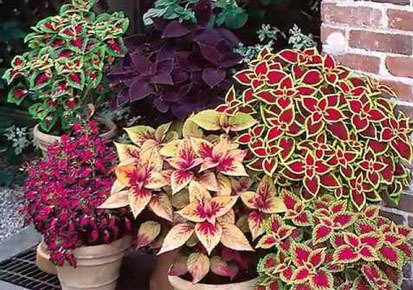
Shade gardening has its own logic — and its own rewards. Think of the cool palette of deep greens and silvers, the surprising pop of a foxglove bloom in a dim corner, or the way overlapping textures of ferns and hostas create a sense of depth. These are pleasures that sun-drenched borders rarely offer. You don't need blazing light to grow something worth looking at.
This guide covers the full picture: what different types of shade actually mean for plant selection, which specific plants consistently deliver results, the mistakes most beginners make, practical setup tips, and a few persistent myths worth putting to rest for good.
Contents
Before you buy a single plant, you need to know what kind of shade you're actually dealing with. A plant labeled "shade tolerant" at the nursery might thrive under dappled tree canopy and fail completely in the dense shadow of a north-facing wall. These are very different environments, and conflating them is where a lot of shade gardening goes wrong.
There are three main categories that most horticulturalists and experienced gardeners use:
The shade garden overview on Wikipedia offers a useful breakdown of light intensity by canopy type if you want the technical detail. In practical terms, your best tool is direct observation: watch where sun actually falls in your garden at different times of day and different points in the season.

Once you know your shade type, matching plants becomes much more reliable. Partial shade gives you the most flexibility — hostas, astilbes, bleeding hearts, and heucheras all do well. Full shade is trickier, but ferns, epimediums, and some ivies handle it. Dappled shade opens the door to foxgloves, trilliums, and woodland natives that mimic their forest-floor origins.
If you're also thinking about edibles, vegetables that grow in partial shade or low sunlight covers which food crops can hold their own without a full-sun plot — a useful companion read if your shaded space doubles as a kitchen garden.
Knowing which specific plants reliably perform is the fastest shortcut past trial and error. The selections below are consistent performers across a wide range of climates and shade conditions. You'll find most of them at any decent garden center, and none of them demand specialist-level care.
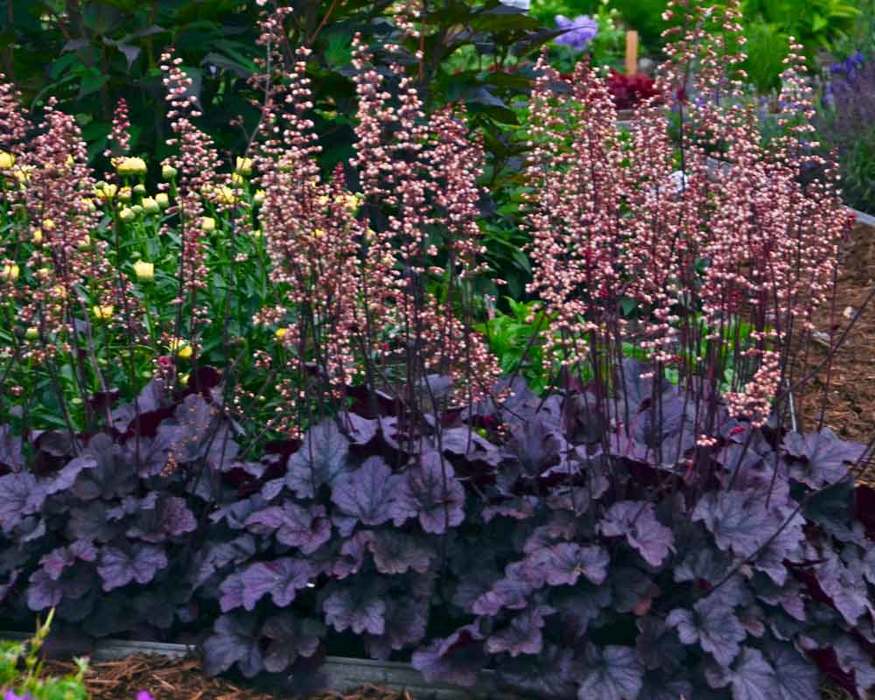
Heuchera (Coral Bells) is one of the most versatile shade perennials you can grow. Its foliage ranges from lime green to deep burgundy to near-black, providing color even when it isn't blooming. It handles partial to full shade and returns reliably each year with minimal fuss.
Astilbe produces feathery plumes in pink, red, or white during summer and performs best in moist, partial shade. It's particularly useful near water features or in spots where the soil stays consistently damp. Hostas remain the default recommendation for good reason — they're durable, come in hundreds of varieties, and their bold textured leaves add real structure to shaded beds. Pair them with fine-textured plants for contrast. Ferns — including Japanese painted ferns and ostrich ferns — are among the best choices for deep shade. They thrive in humus-rich soil and spread gradually to fill bare ground.
| Plant | Shade Tolerance | Mature Height | Bloom Season | Key Feature |
|---|---|---|---|---|
| Hosta | Partial to Full | 6 in – 4 ft | Summer | Bold foliage structure |
| Heuchera | Partial to Full | 8 – 18 in | Late spring | Colorful foliage year-round |
| Astilbe | Partial | 1 – 4 ft | Summer | Feathery flower plumes |
| Japanese Fern | Partial to Full | 12 – 18 in | No blooms | Fine-textured foliage |
| Foxglove | Partial | 2 – 5 ft | Early summer | Tall dramatic flower spikes |
| Bleeding Heart | Partial to Full | 1 – 3 ft | Spring | Delicate heart-shaped flowers |
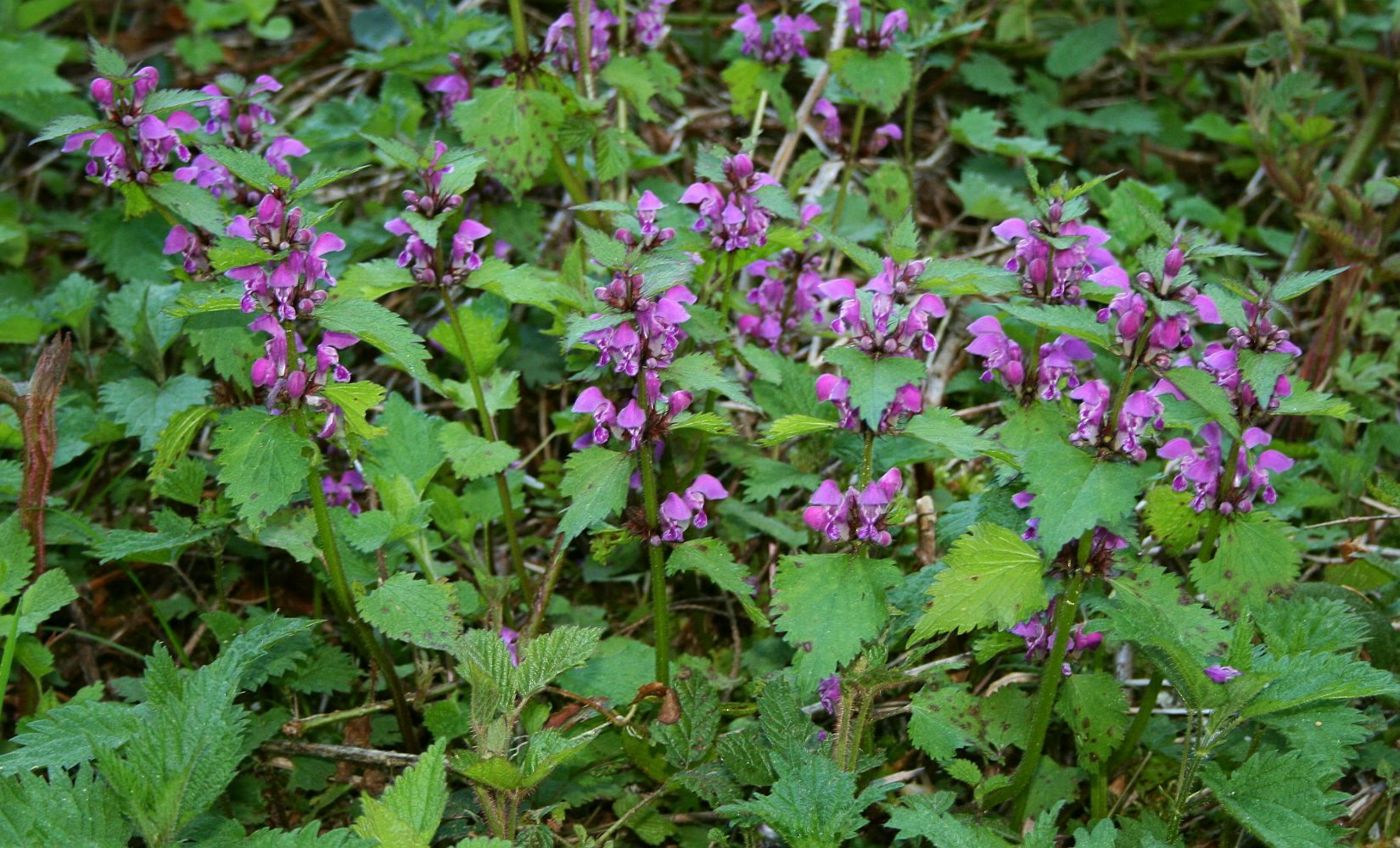
Lamium maculatum (spotted deadnettle) is a fast-spreading ground cover that suppresses weeds while offering silver-variegated foliage and small pink or white flowers. It tolerates dry shade better than most alternatives, making it a practical choice under trees.
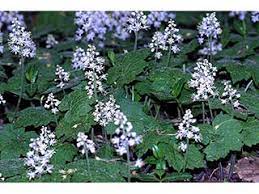
Tiarella cordifolia (foamflower) is a native woodland perennial with distinctive lobed leaves and frothy white spring blooms. It spreads by runners and fills gaps between larger hostas or alongside ferns beautifully without becoming aggressive.
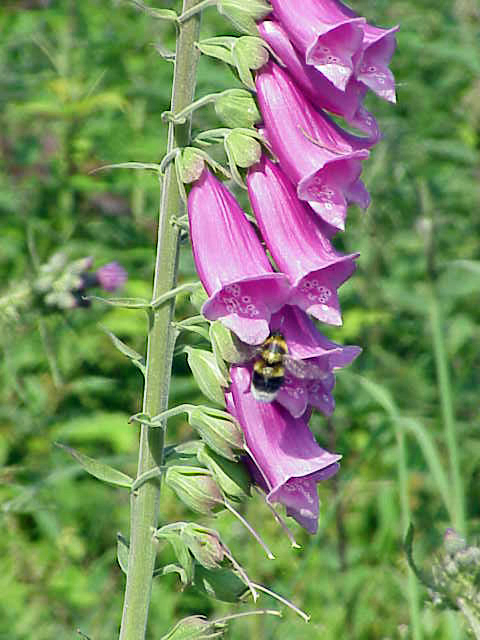
Foxglove (Digitalis) is technically a biennial but self-seeds freely enough to behave like a perennial in most gardens. Its tall flower spikes create strong vertical interest in partial shade, and pollinators — particularly bumblebees — visit them constantly.
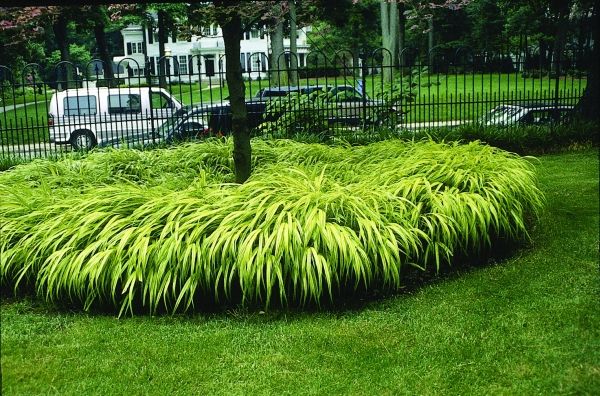
Hakonechloa macra (Japanese forest grass) is a graceful ornamental grass that tolerates partial shade exceptionally well. Its cascading golden or green foliage adds movement and softness to areas where most ornamental grasses simply wouldn't survive. It's a strong choice for edging shaded paths or borders.
Even experienced gardeners make predictable errors when setting up shade beds. Recognizing these ahead of time saves you money, frustration, and the time it takes to start over from scratch.
Never plant directly under a shallow-rooted tree like a beech or Norway maple without amending the soil deeply first — surface roots will out-compete almost anything you put there within a single growing season.
Shade often arrives alongside compacted, nutrient-poor soil — especially under established trees where leaf litter has been cleared for years. Adding organic matter before planting makes a measurable difference. If you're uncertain about your soil's pH, testing soil pH at home is easier than most people expect and helps you choose plants that match your existing conditions rather than fighting them.
Watering mistakes in shade gardens usually run in one direction: underwatering. Gardeners assume shade means the soil stays consistently moist, but dry shade under a tree canopy is one of the most demanding conditions in any garden. Feel the soil before you water — don't rely on the appearance of the surface alone.
Getting the fundamentals right from the beginning gives your plants the best possible chance. These practices apply whether you're starting a new bed from scratch or improving an existing one that isn't performing.
Start by working two to three inches of compost into the soil before planting. This improves drainage in heavy clay, boosts moisture retention in sandy soil, and feeds the soil biology that supports long-term plant health. In areas with heavy tree root competition, dig carefully to avoid severing large structural roots — work around them rather than through them.
Mulching is non-negotiable in shade gardens. A 2–3 inch layer of organic mulch accomplishes several things at once:
The guide on mulching for plants: benefits, types, and how to apply goes deep on material choices and application technique — worth reading before you commit to a specific product.
Water deeply and infrequently rather than shallowly and often. This encourages roots to push downward rather than clustering near the surface where they're vulnerable to heat and drought. In genuine full shade, you may only need to water once or twice per week during dry spells. In dry shade under a tree canopy, though, you might need to water almost as frequently as you would in full sun.
At the end of the growing season, resist cutting everything back immediately. Many shade plants offer genuine winter structure. Fern fronds and hosta seed heads add texture to otherwise bare winter borders. Wait until early spring, when new growth begins emerging, and you'll avoid damaging tender new shoots with late frosts.
A few stubborn misconceptions make shade gardening seem harder than it is — or give people unrealistic expectations from the other direction. Here's an honest look at both sides.
This is probably the most common objection raised about shaded planting spaces. The mental image is usually bare dirt and struggling grass — and it's understandable. But a well-planted shade garden can be as visually rich as any sun border, just in a different way.
The palette is simply different from a sun garden. Not lesser — just different. Shade loving plants for gardens reward the gardeners who learn to appreciate what they offer rather than measuring them against a sun-garden standard they were never meant to meet.
The flip side of "shade is easy" becomes a trap when gardeners plant and walk away. Shade plants do tend to be lower-input than sun plants in many respects, but they still need consistent attention:
"Low maintenance" is always relative. You'll spend less time deadheading and staking in a shade garden than in a typical sun border, but the garden still needs you to show up and pay attention through the season.
Partial shade means a spot receives 2–4 hours of direct sunlight per day, usually in the morning or late afternoon. Full shade means fewer than 2 hours of direct sun daily. Most plants sold as "shade tolerant" at garden centers are suited to partial shade, not true full shade — so check the label carefully before buying.
Most shade-tolerant plants still benefit from at least some indirect or filtered light. Even true full-shade plants like ferns and epimediums perform better with ambient light rather than complete darkness. A fully enclosed space with no natural light at all is a different challenge — one that would require grow lights to address effectively.
Some vegetables tolerate partial shade reasonably well, including lettuce, spinach, kale, and certain herbs like parsley and cilantro. Fruiting vegetables like tomatoes, peppers, and squash need 6 or more hours of sun and won't produce well in shade. If you're working with a partially shaded plot, focus on leafy crops and root vegetables rather than fruiting ones.
It depends heavily on the type of shade. Plants in dappled shade under deciduous trees often need regular watering because the tree canopy intercepts rainfall before it reaches the soil. Plants in shade cast by structures like walls or fences may actually retain moisture longer. Check the soil with your finger 2 inches down before watering rather than following a fixed schedule.
Hostas, ferns, and astilbes are widely considered the most forgiving starting points. They tolerate a range of soil conditions, are hard to overwater in typical garden situations, and don't require specialist knowledge to keep healthy. Heuchera is another strong beginner option — it offers striking foliage color and handles both partial and full shade without much intervention.
Dry shade is one of the most challenging garden conditions. Start by improving soil with generous amounts of compost and apply a thick mulch layer to conserve moisture. Choose plants specifically documented as dry-shade tolerant, such as epimedium, lamium, and established ferns. Water more frequently than you think you need to, particularly during the first growing season while plants establish their root systems.
Yes — many shade plants adapt well to containers, which can actually give you more control over soil moisture and fertility. Hostas, ferns, heucheras, and impatiens all perform well in pots in shaded positions. Use a quality potting mix with good moisture retention, and be prepared to water container plants more often than their in-ground counterparts, since pots dry out faster even in shade.
Spring and early autumn are ideal planting times for most shade perennials. Spring planting gives plants a full growing season to establish before winter. Autumn planting works well in most climates because cooler temperatures reduce transplant stress, and the plants have time to settle their roots before the ground freezes. Avoid planting in the heat of summer, when the combination of stress and limited light recovery can be particularly hard on new plants.
Your shaded garden space isn't a problem to solve — it's a different kind of opportunity. Start with one or two reliable performers like hostas or heucheras, get your soil amended and mulched well, and observe how things grow through your first season before adding more. Visit the plants & herbs farming section for more guides on specific plants, soil prep, and growing techniques that will help you build on what you've started here.
 |
 |
 |
 |

About Christina Lopez
Christina Lopez grew up in the scenic city of Mountain View, California. For eighteen ascetic years, she refrained from eating meat until she discovered the exquisite delicacy of chicken thighs. Christina is a city finalist competitive pingpong player, an ocean diver, and an ex-pat in England and Japan. Currently, she is a computer science doctoral student. Christina writes late at night; most of her daytime is spent enchanting her magical herb garden.


Get new FREE Gifts. Or latest free growing e-books from our latest works.
Disable Ad block to reveal all the links. Once done, hit a button below
|
|
|
|
 rinjal