Have you ever wondered why your potted bougainvillea refuses to bloom while your neighbor's spills over with vibrant color all season long? The secret to learning how to grow bougainvillea pots successfully comes down to a handful of non-negotiable care practices that most gardeners overlook. Bougainvillea thrives on a specific balance of stress and nourishment, and once you master that balance in a container environment, you'll be rewarded with one of the most spectacular flowering displays any plant can offer.
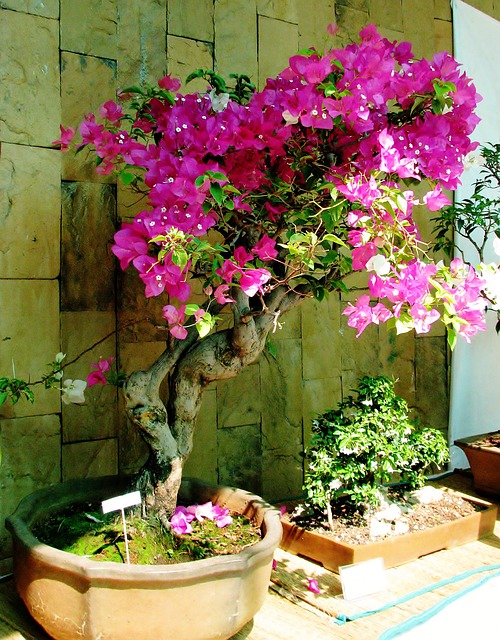
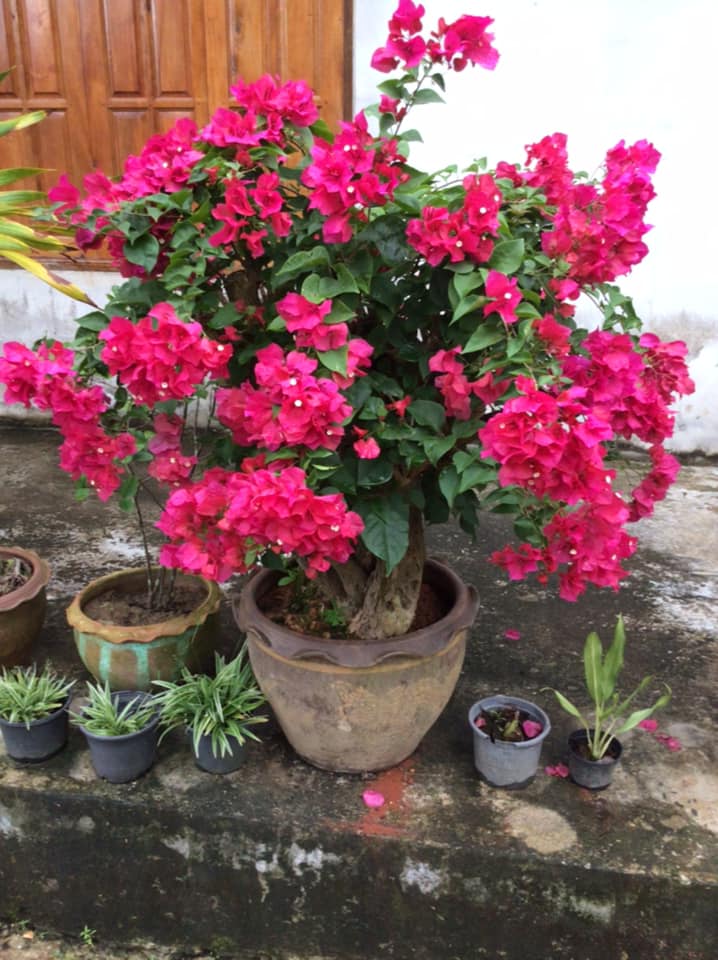
How to Grow Bougainvillea in a Pot?
Bougainvillea is a tropical vine native to South America that produces papery bracts in shades of magenta, purple, orange, white, and red. While it grows aggressively in the ground across USDA zones 9–11, container growing lets gardeners in cooler climates enjoy this showstopper by moving pots indoors before frost. The key is understanding that bougainvillea actually performs better when its roots are slightly confined, which makes pot culture an ideal match for this plant's natural tendencies.
Whether you're growing on a sunny balcony, a south-facing patio, or rotating containers between your outdoor space and a bright indoor spot, this guide walks you through every step from pot selection to troubleshooting common problems. If you've had success with other container-grown specimens like agave stricta, you already have the foundational skills to make bougainvillea thrive.
Step-by-Step Planting Guide for Potted Bougainvillea
Getting your bougainvillea into the right container with the right soil is the single most impactful thing you can do for long-term success. Every decision you make at planting time compounds over the life of the plant, so take this step seriously.
Choosing the Right Pot
Your pot selection directly influences root health, drainage, and bloom production throughout the growing season. Follow these guidelines when choosing your container:
Start with a pot only 1–2 inches larger than the current root ball — bougainvillea blooms more prolifically when slightly root-bound.
Ensure a minimum of 3–4 drainage holes in the bottom, as standing water is the fastest way to kill this plant.
Terra cotta and unglazed ceramic pots are excellent because they allow moisture to evaporate through the walls, reducing root rot risk.
Avoid dark-colored plastic pots in full sun, as they absorb heat and can cook the roots during peak summer temperatures.
For mature plants, a 10–15 gallon container provides adequate root space without encouraging excessive vegetative growth at the expense of flowers.
Preparing the Ideal Soil Mix
Bougainvillea demands fast-draining, slightly acidic soil with a pH between 5.5 and 6.5 to perform at its best. You can blend your own mix using the following recipe:
Combine 2 parts standard potting soil with 1 part perlite and 1 part coarse sand for optimal drainage and aeration.
Add a handful of pine bark fines to maintain slight acidity and improve the overall structure of the growing medium.
Avoid mixes that contain moisture-retaining crystals or heavy peat, as these hold far too much water for bougainvillea's preferences.
If you're filling a large planter, the same layering principles from filling an outdoor planter apply — gravel base, then your soil blend.
How to Plant?
Planting Your Bougainvillea
Bougainvillea roots are notoriously fragile, so handle the transplant with deliberate care to avoid transplant shock and root damage.
Water the plant in its nursery pot an hour before transplanting to help the root ball hold together during the transfer.
Place a layer of gravel or broken pottery over the drainage holes to prevent soil from washing out during watering cycles.
Fill the pot one-third full with your soil mix, then gently slide the plant from its nursery container without pulling on the stems.
Set the root ball so the crown sits at the same depth it was growing previously — never bury the stem deeper than the original soil line.
Backfill around the root ball, tamping lightly to eliminate air pockets, and water thoroughly until liquid flows freely from the drainage holes.
Place the container in full sun immediately — bougainvillea needs a minimum of 6 hours of direct sunlight daily to establish and bloom.
Never disturb or loosen bougainvillea roots during transplanting — their root system is extremely brittle, and even minor damage can stall growth for weeks.
Best Bougainvillea Varieties for Pots Compared
Not every bougainvillea variety performs equally well in containers, and choosing a compact or dwarf cultivar saves you significant pruning effort. The following table compares the most reliable varieties for how to grow bougainvillea pots on patios, balconies, and small outdoor spaces.
Variety
Mature Height
Bract Color
Growth Habit
Best Pot Size
Helen Johnson
3–4 ft
Pink-copper
Dwarf, compact
5–7 gal
Bambino Baby Sophia
3–5 ft
Orange
Dwarf, bushy
5–7 gal
Singapore Pink
4–6 ft
Soft pink
Semi-compact
7–10 gal
Vera Deep Purple
5–8 ft
Deep purple
Vigorous vine
10–15 gal
Barbara Karst
8–12 ft
Bright red
Vigorous vine
15+ gal
White Madonna
4–6 ft
White
Moderate
7–10 gal
Dwarf varieties like Helen Johnson and the Bambino series are the strongest performers for container culture because their compact growth habit naturally suits restricted root space. Vigorous varieties like Barbara Karst will absolutely grow in pots, but they demand aggressive pruning and larger containers to prevent them from becoming unmanageable within a single season.
Facts about Bougainvillea
Common Mistakes That Kill Potted Bougainvillea
Most bougainvillea failures in containers trace back to a small set of repeated mistakes that are entirely preventable once you understand this plant's priorities.
Watering Errors
Overwatering is the number one killer of container bougainvillea, and it shows up far more often than underwatering in gardening forums and troubleshooting threads.
Watering on a fixed schedule rather than checking soil moisture leads to waterlogged roots, especially during cooler or cloudy stretches when evaporation slows dramatically.
Always insert your finger 2 inches into the soil before watering — if it feels moist at that depth, wait another day or two before checking again.
Using saucers under pots without emptying them after watering creates a pool that keeps the bottom of the root ball perpetually saturated.
Bougainvillea actually produces more bracts when subjected to mild drought stress between waterings, so letting the soil dry out slightly is working in your favor.
Light and Feeding Mistakes
Insufficient sunlight and improper fertilization are the next most common reasons your potted bougainvillea produces leaves without any color.
Placing your pot in partial shade because the plant "looks like it's struggling in the heat" is counterproductive — bougainvillea wants and needs intense, direct sunlight.
Using a high-nitrogen fertilizer promotes lush green growth at the expense of bract production, which is the exact opposite of what you want.
Feed with a bloom-boosting fertilizer (high phosphorus, such as 6-8-10) every 2–3 weeks during the active growing season from spring through fall.
Stop fertilizing entirely in winter when the plant enters dormancy, as pushing growth during short-day periods weakens the overall structure of the vine.
If you're curious about general liquid fertilizer dosing for container plants, our guide on how much liquid fertilizer per plant covers the fundamentals across multiple species.
Pros and Cons of Growing Bougainvillea in Containers
Before committing to potted bougainvillea, weigh these advantages and disadvantages so your expectations align with the realities of container culture.
Advantages:
You can grow bougainvillea in any climate by moving pots indoors before the first frost, which extends the viable range well beyond its natural tropical habitat.
Root confinement naturally encourages heavier blooming, which means containers often outperform ground plantings for sheer flower density per square foot.
Pots let you control soil composition precisely, eliminating the challenge of amending heavy clay or alkaline native soil in your yard.
You can reposition containers to follow seasonal sun patterns, ensuring your plant always receives optimal light exposure throughout the year.
Container growing limits the plant's aggressive spreading tendencies, making it manageable in small gardens and urban spaces.
Disadvantages:
Potted bougainvillea requires more frequent watering than ground-planted specimens because containers lose moisture faster through evaporation and drainage.
You need to repot every 2–3 years as the root system fills the container, which is stressful for both you and the plant's fragile roots.
Large mature specimens in 15-gallon pots become extremely heavy and difficult to move, especially when the soil is saturated after a thorough watering.
Container plants are more vulnerable to temperature extremes because the roots lack the insulating mass of surrounding ground soil.
Thorns make handling during repotting and pruning painful without heavy-duty gloves, so keep your garden tools clean and protective gear accessible.
Tips to grow it on a Pot
Troubleshooting Bloom and Growth Problems
Even experienced gardeners run into issues with bougainvillea in pots, and diagnosing the root cause quickly is the difference between a minor setback and a dead plant.
Why Your Bougainvillea Won't Bloom
If your plant produces vigorous green growth but refuses to flower, one or more of these factors is almost certainly responsible:
Too much shade — bougainvillea needs at least 6 hours of unfiltered, direct sunlight daily, and 8+ hours is even better for maximum bract production.
Excess nitrogen from an all-purpose fertilizer is directing the plant's energy into leaf production rather than flowering, so switch to a high-phosphorus bloom formula immediately.
The pot is excessively large, which encourages root expansion over bloom initiation — consider downsizing to a snugger container at the next repotting window.
Consistent, generous watering removes the mild drought stress that signals the plant to shift from vegetative growth into its reproductive blooming phase.
According to Wikipedia's entry on Bougainvillea, these plants are photoperiodic and bloom more heavily when they receive long, uninterrupted dark periods overnight.
Dealing with Leaf Drop and Pests
Sudden leaf drop is alarming but usually not fatal for bougainvillea, which is deciduous or semi-deciduous depending on climate and growing conditions.
Leaf drop after moving the plant to a new location is a normal adjustment response that typically resolves within 2–3 weeks as the plant acclimates.
Overwatering causes yellowing leaves that fall while still soft and pliable — cut back on water immediately and ensure drainage is functioning properly.
Aphids and mealybugs are the most common pests on potted bougainvillea, and you can treat both with insecticidal soap or a strong blast of water from the hose.
Bougainvillea looper caterpillars chew distinctive scalloped edges into leaves and hide on the undersides — hand-pick them or apply Bt (Bacillus thuringiensis) for effective control.
If pests persist and you're dealing with broader garden pest issues, our guide on keeping unwanted garden visitors away covers integrated approaches that complement container plant care.
Frequently Asked Questions
How often should you water bougainvillea in a pot?
Water your potted bougainvillea only when the top 2 inches of soil feel completely dry, which typically works out to once every 5–7 days in summer and once every 2–3 weeks in winter. Always check the soil moisture with your finger rather than following a fixed calendar schedule, because watering frequency depends heavily on pot size, temperature, humidity, and whether the container is in full sun or receives afternoon shade.
Can bougainvillea survive winter indoors in a pot?
Bougainvillea can absolutely overwinter indoors as long as you provide a bright location with at least 4–6 hours of direct sunlight, ideally near a large south-facing window. Reduce watering significantly during the dormant period, stop fertilizing entirely, and expect some leaf drop — this is normal and the plant will push new growth once temperatures warm and daylight hours increase in spring.
What size pot is best for bougainvillea?
Start with a container that is 1–2 inches larger in diameter than the nursery pot, then gradually move up in size every 2–3 years as the root system fills the available space. Most mature bougainvillea perform best in 7–15 gallon pots depending on the variety, and keeping the roots slightly confined in a snug pot actively promotes heavier bract production over pure vegetative growth.
Give your bougainvillea a tight pot, relentless sunshine, and the courage to let it go thirsty — and it will repay you with the most extravagant color show in your entire garden.
Christina Lopez grew up in the scenic city of Mountain View, California. For eighteen ascetic years, she refrained from eating meat until she discovered the exquisite delicacy of chicken thighs. Christina is a city finalist competitive pingpong player, an ocean diver, and an ex-pat in England and Japan. Currently, she is a computer science doctoral student. Christina writes late at night; most of her daytime is spent enchanting her magical herb garden.




 rinjal