Plants & Farming

Artificial Grass for Balcony Garden in India

reviewed by Truman Perkins

Artificial grass for balcony India installations is one of the most practical outdoor upgrades available — you get a consistently green, lush surface with zero watering, no soil mess, and minimal upkeep. If you want to combine it with real plants and growing projects, the plants, herbs, and farming guides on this blog pair well with a turf base.
Artificial Grass for Balcony Garden in India

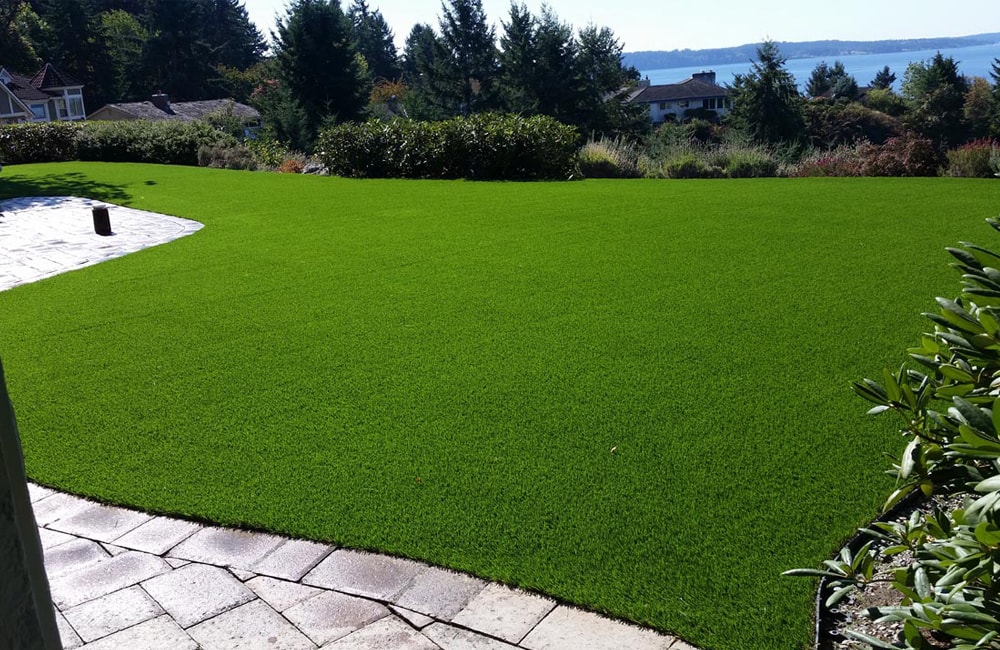
Modern polyethylene and polypropylene turf handles India's climate surprisingly well. UV-resistant fibers maintain their color through peak summer heat, and water-permeable backings drain monsoon rain without pooling. Compared to natural grass, there's no daily irrigation, no soil-borne pest pressure, and no browning during dry spells — just a consistently green surface that stays presentable through the entire year.

That said, the details matter more than most buyers expect. Pile height, backing type, infill material, and structural load capacity all affect how your install performs. Make the wrong call on any of these, and you'll end up with a hot, matted, or waterlogged surface within a season. This guide covers every decision — from deciding if turf is right for your balcony in the first place, to troubleshooting problems and planning long-term maintenance.

When Artificial Grass for Balcony India Makes Sense — and When It Doesn't

Signs Your Balcony Is a Strong Candidate

Most Indian balconies are solid candidates for artificial turf. Here are the conditions that make it an especially good fit:

  • Concrete or tiled floors with a level surface — turf lays directly over them with adhesive or double-sided tape, no excavation needed.
  • High sun exposure with limited natural shade — UV-resistant turf thrives where natural grass would wither or turn yellow.
  • Water scarcity or municipal supply restrictions — many Indian cities face seasonal limits, and artificial turf eliminates irrigation entirely.
  • Renter-occupied homes — quality turf can be rolled up cleanly without permanent damage to the floor underneath.
  • Allergy-prone households — no pollen, no soil mold, no fertilizer chemicals drifting indoors.

If children or pets will be using the space regularly, look for turf with a pile height of 25–35mm and a dense stitch count. Decorative setups with minimal foot traffic can go with a shorter 15–20mm pile — it looks clean and keeps costs down.

Artificial Grass for Balcony Garden in India

Situations Where You Should Skip It

Artificial grass isn't the right answer for every balcony. Consider holding off if:

  • Structural load is already near its limit — turf adds 1–3 kg/m² depending on infill use. Check with your building engineer if you're unsure.
  • You're planning a full kitchen garden with raised beds and soil — drainage systems for raised growing beds and drainage systems for turf can conflict directly.
  • The floor has significant unevenness or slope — this needs professional leveling first, or water will pool in low spots beneath the turf.
  • Your rental has strict no-adhesive policies — some installation methods leave residue on tile grout that's difficult to remove fully.

If you want a genuinely living balcony garden rather than a green aesthetic, pairing potted plants with turf is a better path than choosing one or the other. Air-purifying indoor plants work especially well in pots alongside a turf base — you get the clean green floor and actual growing plants without soil beds competing for drainage space.

Tools and Materials for a Clean Install

Measuring and Cutting Tools

You don't need specialized equipment, but having the right basics makes a significant difference in how clean the finished install looks:

  • Measuring tape — measure the balcony at least twice in both directions before ordering or cutting
  • Sharp utility knife with fresh blades — dull blades tear fibers rather than cutting cleanly through the backing
  • Long metal straight edge for guided cuts along seams and edges
  • Chalk line or chalk marker for alignment before committing to adhesive
  • Knee pads — helpful if you're working extended time on concrete

Adhesives, Infill, and Joining Tape

Your choice of securing method depends on how permanent you want the install to be:

  • Double-sided carpet tape — easiest option for renters; no permanent bond; works well on smooth tile or sealed concrete
  • Turf adhesive with joining tape — stronger bond, significantly better for seams between two rolls
  • Silica sand infill — brushed into the pile fibers, adds weight and stability while making the surface feel more natural underfoot
  • Turf nails or galvanized staples — only appropriate for wooden deck sub-frames, not bare concrete

Here's a comparison of common artificial grass types available in India to help you narrow down the right product:

Type Pile Height Material UV Resistant Best For Approx. Price (per sq ft)
Standard PE Grass 25–30mm Polyethylene Yes General balcony use ₹35–₹60
High-Density PP Grass 15–20mm Polypropylene Partial Decorative, light traffic ₹20–₹40
Boxwood / Ball Grass N/A (spherical) Polyethylene Yes Topiary panels, wall art ₹50–₹90
Yellow Weave Grass 20–25mm PE blend Yes Accent and decorative zones ₹30–₹55
Luxury PE Blend 35–40mm PE + nylon blend Yes Heavy traffic, pets, children ₹70–₹120
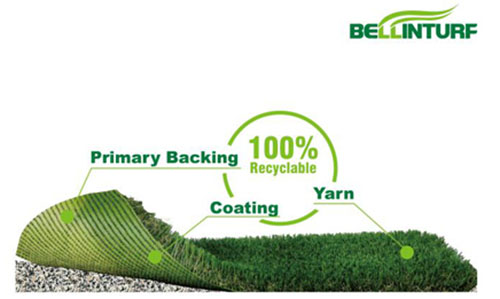
Bellin- gre:
Bellin- gre:

How to Lay Artificial Grass on Your Balcony Step by Step

Preparing the Surface

Surface preparation is the step most people skip, and it's the most common reason installs fail early. A clean, dry, and level base is non-negotiable before anything else:

  1. Sweep and mop the balcony floor thoroughly. Let it dry completely — even a slightly damp surface will prevent adhesive from bonding correctly.
  2. After rain or a wet mop, give it at least 4–6 hours before proceeding. Check for standing water zones that indicate drainage problems.
  3. Fill cracks and uneven patches with tile filler or floor leveling compound. Let it cure fully.
  4. Scrape off any peeling paint, old adhesive residue, or loose grout — turf won't bond or lie flat over loose surface material.
  5. If the floor has a significant slope toward drainage outlets, note which direction water flows. You'll want the turf backing's drainage holes to align with that direction.

Laying and Securing the Turf

Once the surface is prepared, the actual laying process is straightforward:
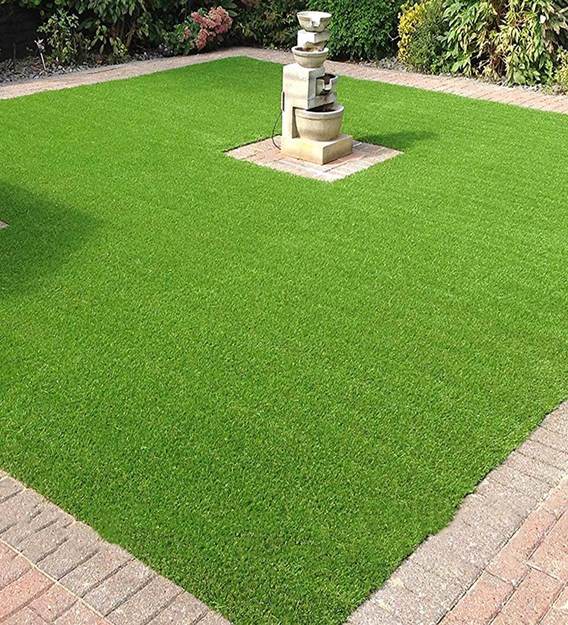
  1. Unroll the turf and let it sit flat for at least an hour to acclimatize — this relaxes the material and makes it far easier to lay without ripples.
  2. Trim to size using a utility knife. Always cut from the back side of the turf along the tufting rows — this produces a clean edge without cutting visible fibers.
  3. Lay the turf dry first to check alignment. All fiber blades should face the same direction for a uniform natural look.
  4. Apply double-sided tape or adhesive around the entire perimeter and along any interior seams.
  5. Press down firmly from the center outward to eliminate air pockets, then walk over the surface to fully seat the backing.
Green polyester uv resistant artificial lawn grass:

Finishing Edges and Seams

Unsecured edges are the fastest way to ruin the look of an otherwise good install. Your options:

  • Aluminum edging strips or turf border tape — clean, professional finish along walls and railings
  • Tucking edges under large planters or fixed furniture — practical and invisible
  • Binder bar transitions at doorways where turf meets indoor flooring

For seams between two rolls, use joining tape on the underside and apply adhesive on both flaps. Press firmly, then allow 24 hours of cure time before placing heavy furniture or foot traffic on the seam.

Keeping Your Balcony Turf in Top Shape

Routine Cleaning Habits

Artificial turf is low maintenance — but not zero maintenance. A light routine keeps it looking fresh and extends its lifespan significantly:

  • Brush pile fibers upright every 2–4 weeks using a stiff-bristle brush or dedicated turf rake — this prevents matting in high-traffic zones
  • Rinse with water monthly or after particularly dusty weather to clear debris from between the fibers
  • Remove fallen leaves, flower petals, and organic material before they decompose — organic buildup causes odors and can stain lighter-colored turf
  • Avoid harsh chemicals, bleach, or oil-based cleaners — plain water handles the vast majority of cleaning situations
  • Before monsoon season, clear the drainage holes in the turf backing so heavy rainfall passes through cleanly

Indian city balconies accumulate a lot of airborne dust, especially through February to June. A quick rinse before monsoon arrives and a thorough brush-through once it ends keeps the surface performing well through both extremes.

Dealing with Stains and Odors

Most stains clear up easily if you respond quickly:
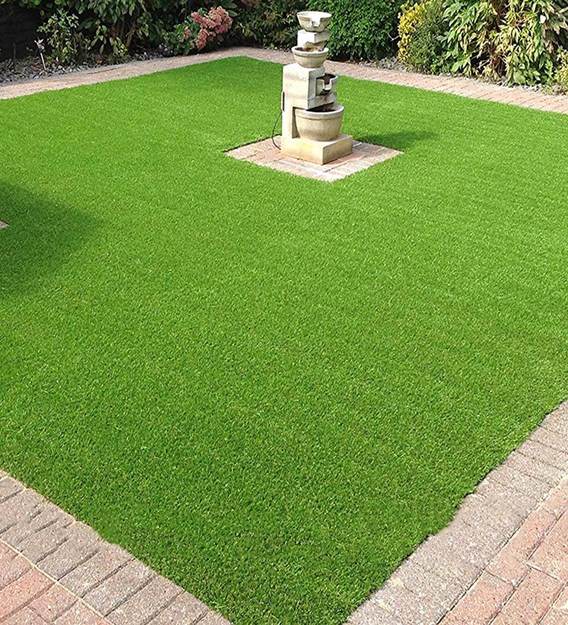
  • Food and drinks: blot immediately with a clean cloth, rinse with water, mild dish soap if residue remains
  • Bird droppings: let dry completely, brush off the solids, then rinse with water
  • Pet urine: rinse thoroughly right away; enzymatic pet cleaners work well for repeat spots without damaging fibers
  • Mold or mildew odor: a diluted white vinegar solution (1:1 with water) applied and rinsed away removes the smell without degrading the backing
Green polyester eucalyptus boxwood artificial ball grass:

Balcony Setups That Work Across India

Small Urban Apartment Balconies

Mumbai, Delhi, and Bengaluru apartment balconies — typically 30–80 sq ft — are the most common use case for artificial grass for balcony India installs. Here's what consistently works in these compact spaces:

  • 25–30mm pile turf covering the full floor area for a seamless, cohesive look
  • Two or three large planters positioned at the railing, filled with year-round flowering plants to bring real color alongside the green base
  • A small bistro table and two chairs placed directly on the turf — the pile acts as cushioning under chair feet
  • Aerial and hanging plants mounted on the wall or railing to add vertical greenery without consuming floor area

For north or east-facing balconies with less direct sun, choose a deeper green shade. Lighter greens can show UV-related color shift more visibly over time in those shadier conditions.

Terraces and Larger Outdoor Areas

Rooftop terraces and ground-floor gardens are increasingly being covered with artificial turf across Indian cities. Larger areas allow for thoughtful zoning — a turf section for seating and lounging, a raised planter zone for edibles or ornamentals, and a gravel or paved path between the two. This mixed approach gives you the low-maintenance green base without surrendering the option to grow real things alongside it.

For terraces specifically, drainage capacity is the critical specification to verify. Confirm with your building manager that the waterproofing layer can handle regular water application. Choose turf with an open-weave backing rated for at least 30 liters per hour per square meter of drainage throughput — standard balcony turf may not meet this for terrace use.
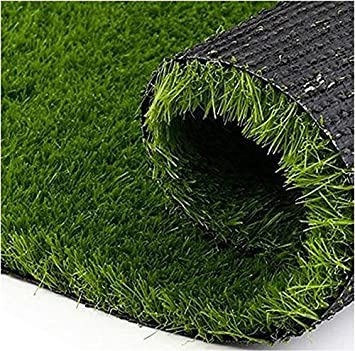
Yellow weave 5 x 10 feet high - density artificial grass:

Making Your Investment Last

Protecting Turf Through Extreme Weather

Quality artificial turf sold in India is typically rated for temperatures between -10°C and 60°C, but practical longevity depends on how you handle the seasonal extremes:

  • In peak summer, turf surface temperature can reach 50–55°C in direct sun. Misting lightly before use makes it comfortable for bare feet and reduces heat stress on the fibers.
  • During heavy monsoon, check that drainage isn't blocked by leaf and debris accumulation. Clear backing drainage holes if you notice water pooling rather than draining.
  • Never place heat sources — grills, portable heaters, or fire pits — directly on synthetic turf. Polyethylene fibers melt at relatively low temperatures.
  • Avoid leaving heavy furniture in a fixed position for extended periods without rotating it. Sustained compression flattens pile permanently in those zones.

According to Wikipedia's overview of artificial turf, modern UV-stabilized fibers and advanced infill systems can extend effective product lifespan to 15–20 years under moderate use conditions — a significant improvement over first-generation synthetic grass products.

Knowing When to Replace

Even well-maintained turf eventually reaches the end of its useful life. Watch for these signs:

  • Fibers no longer spring back after brushing — permanent compression across the whole surface, not just one zone
  • Visible, uniform fading from UV exposure that cleaning cycles don't address
  • Backing material cracking, splitting, or crumbling — a structural and drainage risk
  • Persistent odor that survives multiple deep-cleaning treatments

Good quality PE turf on an Indian balcony with reasonable seasonal maintenance typically lasts 8–12 years. Budget polypropylene products often show noticeable wear within 3–4 years under direct sun, especially in high-UV zones like Rajasthan or Tamil Nadu.
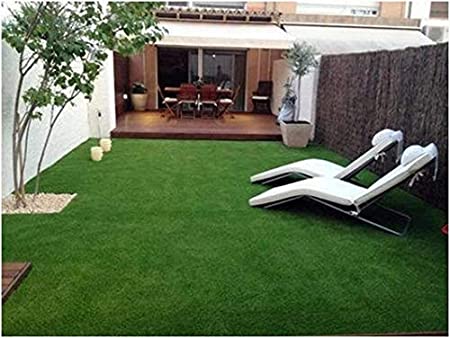
Yazlyn collection 6.5 x 3 feet high - density polyester blend artificial grass:

Fixing Common Artificial Grass Problems

Drainage and Waterlogging

Waterlogging after monsoon rain is the most frequently reported problem with Indian balcony turf installs. It's almost always traceable to one of these causes:

  • Turf backing with insufficient hole density — look for perforated backing with a minimum of 6 drainage holes per square inch when purchasing
  • Debris buildup progressively blocking backing drainage holes — regular rinsing prevents this from becoming a serious problem
  • Installation over an uneven surface that creates hidden low spots where water collects under the turf
  • Too much silica sand infill — over-infilling compresses the fiber base and reduces water flow through the backing layer significantly

If you're already dealing with pooling, lift one corner and inspect the backing directly. Clear blocked holes with a stiff brush or low-pressure hose jet. If the issue is surface slope, you may need to reinstall over a thin leveling compound layer to fully resolve it.

Matting, Fading, and Heat Buildup

These three issues all relate to UV exposure and traffic concentration over time:

  • Matting in concentrated areas comes from heavy foot traffic without regular brushing. A stiff-bristle brush used weekly on high-traffic zones prevents permanent compression. A power broom handles larger terraces efficiently.
  • Fading appears most visibly after several years of direct sun. UV-stabilized PE fibers fade significantly less than standard PP — always confirm the UV stabilization rating before purchasing, especially for south-facing balconies.
  • Heat buildup is real in Rajasthan, Gujarat, and Tamil Nadu peak summers. Surface temperatures on dark synthetic fibers can reach uncomfortable levels. Opt for lighter-colored turf, add a shade net or pergola, or simply mist the surface briefly before you use it.

Frequently Asked Questions

Is artificial grass suitable for all types of Indian balconies?

Most Indian balconies with concrete or tiled floors are suitable candidates. The main factors to verify are structural load capacity, surface levelness, and whether your building or rental agreement permits adhesive use. Floors with significant unevenness need leveling first before a clean install is possible.

How do I choose the right pile height for my balcony?

For decorative setups with minimal foot traffic, a 15–20mm pile height is sufficient and keeps costs lower. For sitting areas, children's play zones, or anywhere people will walk regularly, 25–35mm provides better cushioning and a more realistic appearance. Taller pile above 40mm is more suited to garden lawns than compact balcony installs.

Does artificial grass get uncomfortably hot in Indian summers?

Dark-colored synthetic fibers can reach 50°C or higher during direct afternoon sun in peak summer. Choosing lighter green shades, adding shade structures overhead, or misting the surface briefly before use are all practical ways to manage this. UV-stabilized PE fibers tend to absorb and retain heat less than standard PP variants.

Can I install artificial grass directly over existing tile on my balcony?

Yes — installing over existing tile is actually the most common approach for Indian balconies. Clean the tile surface thoroughly, ensure it's fully dry and level, apply double-sided carpet tape or turf adhesive around the perimeter and seams, then lay the turf. No excavation, sub-base gravel, or compacted sand layer is needed for a balcony install.

The best balcony green is the kind that stays green — choose your turf with care, install it with patience, and it'll outlast every real lawn you've ever tried to keep alive through an Indian summer.
Truman Perkins

About Truman Perkins

Truman Perkins is a Detroit-based SEO consultant who's been in the business for over a decade. He got his start helping friends and clients get their websites off the ground, and he continues to do so today. In his free time, Truman enjoys learning and writing about gardening - something he believes is a natural stress reliever. He lives with his wife, Jenny, and their twins in Detroit.


Follow Christina:

Get new FREE Gifts. Or latest free growing e-books from our latest works.

Disable Ad block to reveal all the links. Once done, hit a button below