The National Gardening Association estimates that a home vegetable garden returns nearly $600 worth of produce for every $70 invested in seeds — a 9-to-1 payback that no retail trip can match. Starting from seed instead of buying transplants pushes that value even further: more plants for less money, access to hundreds of varieties your local nursery never stocks, and total control over what goes into your soil and onto your plate. In 2026, home seed starting is surging, and the quality of seeds available to home growers has never been higher.
Choosing the wrong seeds costs you time, space, and real money. Poor germination, mislabeled varieties, and low seed counts are all common disappointments with budget options. The seeds on this list were chosen for high germination rates, verified non-GMO sourcing, and strong value per packet. We cover seven of the most productive and beginner-friendly vegetables you can grow from seed: tomatoes, lettuce, carrots, spinach, radishes, peas, and kale. To get the best results from these seeds, you'll also want to start with the right growing medium — our guide to the top soil mixes for raised beds covers that thoroughly.
Whether you have a raised bed, a container garden on a balcony, or a full backyard plot, you'll find the right pick here. Browse our complete gardening reviews hub for more trusted picks across every outdoor category. Now let's get into the seeds.
Contents
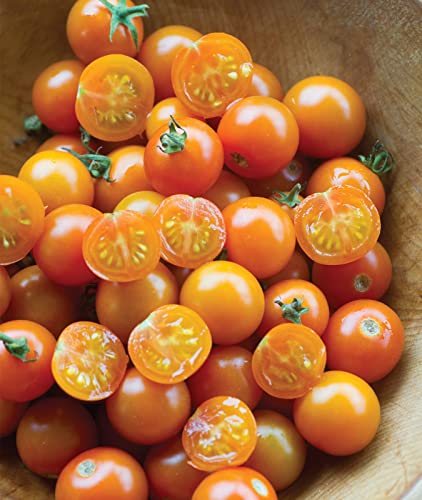





If you want a cherry tomato that actually tastes like something, Sun Gold is the answer. This popular Burpee hybrid produces bright orange cherry tomatoes on indeterminate vines that keep producing all season long — starting about 60 days after transplanting and continuing right through to first frost. Each plant grows to around 38 inches tall with an 18-inch spread. That's manageable in a cage or on a stake, and compact enough for large containers. You're getting a workable plant size without sacrificing yield.
Each packet contains 30 non-GMO seeds, and Burpee claims germination rates 35% higher than industry standards. That claim matters — poor germination is the most common disappointment with tomato seeds. Sun Gold fruits weigh in at about 1 oz each, and the flavor develops early. You can start eating them a week before full maturity, when they're already sweet and complex. By full ripeness, the flavor is exceptional: rich, tropical, and genuinely snackable right off the vine.
One thing worth noting: Sun Gold is a hybrid, not an heirloom. You cannot save seeds from these plants and expect the same results next season. But if maximizing taste and per-plant yield is your priority in 2026, this is the tomato seed you want in your lineup. The flavor difference over generic cherry tomato varieties is significant enough to justify buying fresh packets each year.
Pros:
Cons:
If you want a complete salad garden in a single purchase, this is it. HOME GROWN's five-variety mix includes Black Seeded Simpson, Red Romaine, Bibb, Buttercrunch, and Iceberg — all in one 3,950-seed bulk pack. That's not a typo. Nearly 4,000 seeds gives you the ability to plant successive crops throughout the entire growing season, continuously restocking your harvest as often as you want.
All five varieties are non-GMO heirloom open-pollinated, which means you can save seeds from your strongest plants each season and never buy again. The variety range covers every main lettuce type: loose-leaf (Black Seeded Simpson) for quick harvests, butterhead (Bibb, Buttercrunch) for tender, sweet flavor, and crisphead (Iceberg) for satisfying crunch. These varieties thrive outdoors in spring, summer, and fall, and they're also ideal for indoor growing under grow lights — if you're set up for indoor cultivation, check out our guide to growing plants at home with the right lighting.
For anyone who eats salads regularly or wants to run a cut-and-come-again lettuce bed through the whole season, this pack offers outstanding value. The seed count alone justifies the price — you're buying a season's worth of fresh greens for the cost of a couple of grocery store salads. The only real challenge is storing your excess seeds properly so they remain viable into next season.
Pros:
Cons:
Carrots are one of the most rewarding vegetables to grow from seed — and one of the most frustrating if you get the seeds or soil wrong. The HOME GROWN Tendersweet pack addresses the seed side of that equation with 6,000 high-germination heirloom carrot seeds split across two packets. Tendersweet is an heirloom variety with a long track record: it's known specifically for its exceptional sweetness, clean shape, and consistent root development — the carrot that actually tastes like a carrot should.
These seeds are 100% non-GMO with no chemical treatments or coatings. They perform best in loose, well-draining soil where roots can develop straight and full-sized without forking or stunting. Plant them in raised beds or containers with quality, rock-free soil and you'll get uniform, full-sized roots. Plan on thinning seedlings to about 2–3 inches apart once they're established — crowded carrots stay small and misshapen regardless of seed quality.
The two-pack format is practical for succession planting. Sow the first pack in early spring and hold the second for a fall crop. Tendersweet carrots mature in roughly 75–80 days, so most growing zones can fit two full harvests in a single season. That kind of yield, from 6,000 seeds, at a price well under $10, is exceptional value for root vegetable growers.
Pros:
Cons:
Spinach is one of the few vegetables that actually prefers cool weather — and this three-variety collection from Survival Garden Seeds is built specifically around that advantage. You get Viroflay, Bloomsdale, and Noble Giant in a single pack, each selected for different growing conditions and harvest windows. These three varieties genuinely complement each other rather than overlapping.
Viroflay is a large-leafed, fast-maturing spinach ideal for spring planting when you want quick harvests before summer heat arrives. Bloomsdale is the classic savoy-type (crinkled leaf) spinach that handles cold exceptionally well — it can overwinter in milder climates and extends your harvest deep into fall. Noble Giant, true to its name, produces large, flat leaves that are equally good for fresh salads and cooked dishes. Together, these three varieties put spinach on your table from early spring through late fall. In cold climates where other greens give up in October, Bloomsdale and Noble Giant keep producing.
All three are heirloom, non-GMO, and open-pollinated — save seeds from your best plants and you'll never need to buy spinach seeds again. They work in traditional beds, containers, and hydroponic setups. The compact growth habit makes them easy to fit into small spaces alongside other crops.
Pros:
Cons:
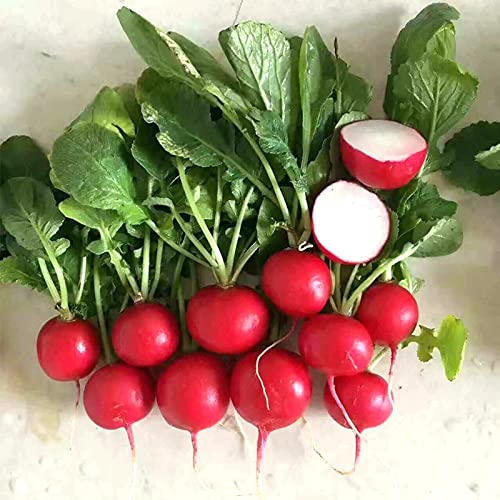
If you want homegrown vegetables fast — and we mean genuinely fast — Cherry Belle radishes are your answer. This variety is harvest-ready in as little as 20 days, making it one of the quickest-maturing vegetables you can grow from seed, period. The Cherry Belle produces round, bright red radishes with a crisp, mild bite that's a significant step up from the woody, overly pungent radishes common in grocery stores. This pack includes 500+ non-GMO heirloom seeds — enough for multiple succession plantings across the full season.
Cherry Belle is a classic heirloom, so you can save seeds from your strongest plants each year and never buy again. The seeds germinate reliably in cool soil and thrive best in spring and fall plantings. They grow in any well-draining spot: in-ground, raised bed, or a container at least 6 inches deep. Because they mature so quickly, you can squeeze in several crops between your slower-growing vegetables — using the same bed space productively the whole season without waiting around.
These radishes are also genuinely versatile in the kitchen. Slice them raw into salads, use them as a crunchy sandwich topping, quick-pickle them in rice vinegar for a sharp condiment, or roast them (roasted radishes develop a surprisingly mellow, slightly sweet flavor). For kids new to vegetable gardening, the 20-day harvest is a major win — fast results keep young growers engaged and proud of their plot.
Pros:
Cons:
Little Marvel is a classic dwarf pea variety that earns its place in small garden spaces. The plants stay compact — typically 18 inches tall — making them a natural fit for raised beds, container gardens, and tight spaces where sprawling vines would be a problem. Despite the modest plant size, Little Marvel produces heavy yields of sweet, well-filled pods, typically with 6–8 full-sized peas per pod. Small plant, big harvest.
This pack contains 120 heirloom, non-GMO seeds — enough to plant a productive row or fill several containers. Peas are a cool-season crop, so direct-sow them outdoors in early spring as soon as the soil can be worked, or in late summer for a fall harvest. Little Marvel matures in about 63 days, giving you a relatively quick turnaround for a shelling pea. The compact bushy growth means you don't necessarily need a trellis, though a short support structure improves air circulation and makes harvesting noticeably easier.
Peas are also one of the few vegetables that fix nitrogen in the soil (meaning the root system actually enriches your beds with this key nutrient as the plants grow). That makes them a smart rotation crop — plant peas this year, and your beds will be measurably more fertile for whatever comes next season. In a small garden where every square foot counts, that kind of soil-building benefit is a real bonus on top of the harvest itself.
Pros:
Cons:
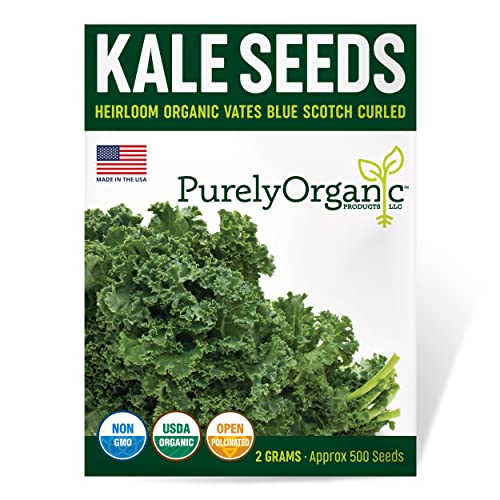
Kale is one of the most nutrient-dense vegetables you can grow, and Vates Blue Scotch Curled is one of the strongest heirloom varieties for home gardens. This pack delivers approximately 500 USDA Certified Organic, non-GMO seeds — a meaningful certification that guarantees these seeds were produced without synthetic pesticides, herbicides, or chemical fertilizers. If organic growing is important to you, start at the seed level, not just the growing medium.
Vates is a compact, cold-hardy variety that produces abundantly finely curled, blue-green leaves with a sweet, nutty flavor. The curled leaf texture holds dressings and sauces well, making it excellent for raw salads, smoothies, and kale chips. Cooked, it becomes tender without losing its deep flavor. Vates handles cold down to around 20°F, which means you can harvest late into fall and through mild winters in many US growing zones. One important growing tip from the label: avoid picking the terminal bud (the growing point at the top center of the plant) — harvest only outer leaves to keep your plant productive for months instead of weeks.
These seeds are freshly packed for the current growing season and maintain strong germination rates into the following year as well. At ~500 seeds, you have plenty for a productive kale bed plus reserves for succession planting or sharing with other gardeners. Pair these with a rich, compost-amended soil for the best organic results — building your own compost is straightforward with the right equipment, and our roundup of top tumbling composters is a great place to start.
Pros:
Cons:
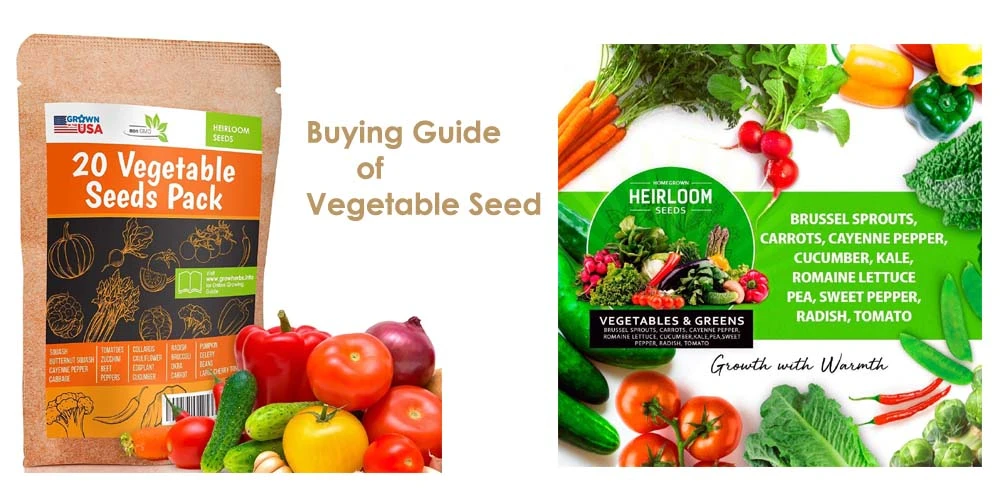
Choosing the right vegetable seeds comes down to a few key factors. Understanding them before you buy saves you from a frustrating season and empty garden beds.
The germination rate is the percentage of seeds you can expect to sprout under ideal conditions. Industry standard for most vegetables sits around 75–80%. The best seed companies target 85–95% or higher — and back that claim with testing data. A low germination rate means you'll need to overseed heavily and thin afterward, wasting seeds and crowding your beds in the process.
These three labels describe fundamentally different things, and confusing them leads to disappointment:
For most home gardeners, heirloom varieties offer the best long-term value because of seed-saving potential. Hybrids are worth the annual purchase cost when the performance or flavor advantage is significant enough — Burpee's Sun Gold tomato is a clear example of that trade-off.
Seed count matters enormously for vegetables you plant densely or in succession. Lettuce, carrots, and radishes benefit from high-count packets because you'll want to plant in waves every 2–3 weeks for a continuous harvest. Tomatoes and kale need far fewer seeds since each plant produces a large amount of food over a long season. When evaluating value:
The best seeds won't perform in the wrong climate. Every vegetable has an ideal temperature range for germination and growth. Cool-season crops — spinach, lettuce, peas, radishes, and kale — thrive between 45–75°F and will bolt (go to seed prematurely) or fail in summer heat. Warm-season crops like tomatoes need consistently warm soil above 60°F and a long growing season to mature properly.
Radishes, lettuce, and spinach are the best starting points. Radishes germinate in just a few days and can be harvested in 20–30 days — the fastest feedback loop in vegetable gardening. Lettuce and spinach are similarly forgiving, grow in most soils, and respond well to cut-and-come-again harvesting where you snip leaves rather than pulling the whole plant. Tomatoes are slightly more demanding (they need an indoor head start and warm soil) but are very manageable once you understand the basics. Carrots require the most attention to soil preparation — loose, deep, rock-free soil is non-negotiable for straight root development.
The standard rule is to start warm-season crops (tomatoes, peppers, eggplant) indoors 6–8 weeks before your average last expected frost date. That gives seedlings enough time to develop before outdoor transplanting. Cool-season crops — lettuce, spinach, and kale — can be direct-sown outdoors several weeks before the last frost, since they tolerate cold soil and light frost. Peas and radishes go directly into the ground as soon as the soil is workable in early spring. Starting seeds too early indoors is a common beginner mistake: leggy, weak seedlings result from too much indoor time without sufficient light.
Heirloom seeds are open-pollinated varieties that have been grown and saved true-to-type for many generations — often 50 years or more. You can save seeds from your harvest and replant them the following season with consistent results. Hybrid seeds (marked "F1") are deliberate crosses between two parent varieties, bred to maximize specific traits like disease resistance, uniformity, or yield. Hybrids often outperform heirlooms in raw productivity, but seeds saved from F1 plants won't reproduce the same characteristics reliably — you need to buy fresh seeds each season. For long-term self-sufficiency, heirlooms win. For maximum yield or specific disease resistance, hybrids can be worth the annual investment.
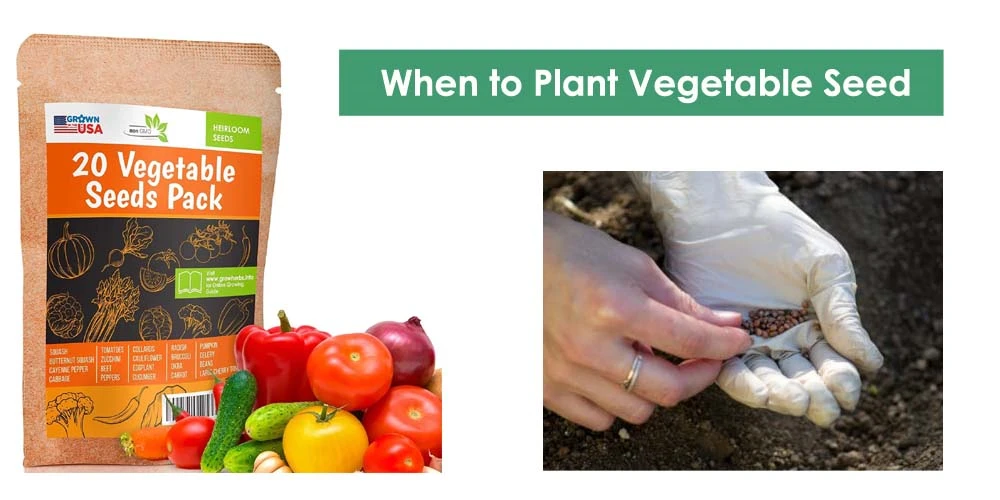
Start with fresh, high-quality seeds from a reputable brand. Soil temperature is the biggest variable most gardeners overlook — most vegetable seeds germinate best between 65–75°F, and cold soil dramatically slows or prevents sprouting. A seedling heat mat under your seed trays makes a significant difference for warm-season crops started indoors. Don't plant seeds too deep: a useful rule is to plant at a depth 2–3 times the seed's diameter. Keep the soil consistently moist but not waterlogged — too much water rots seeds before they can sprout. Soaking large seeds like peas overnight before planting can improve germination speed noticeably.
Yes, with the right setup. Lettuce, spinach, kale, radishes, and most herbs are particularly well-suited to year-round indoor cultivation. You need adequate light — a dedicated grow light providing 14–16 hours of light per day is essential, since window light alone is rarely sufficient. Compact varieties work best in containers, and temperature consistency matters: most greens prefer 60–68°F indoors. The advantage of indoor growing is complete control over the environment — no frost, no heat waves, no pests from the garden. The limitation is light intensity, which is why leafy greens perform better indoors than fruiting crops like tomatoes.
Most vegetable seeds stay viable for 2–5 years when stored correctly. The key conditions are cool, dry, and dark: sealed envelopes or airtight glass jars kept in a cool pantry or refrigerator work well. Avoid temperature swings and humidity, which degrade seeds quickly. Some vegetables have shorter shelf life — onions, parsnips, and sweet corn typically last only 1–2 years even in ideal conditions. Tomatoes, cucumbers, and lettuce can last 4–5 years with proper storage. Before planting old seeds, test germination on a damp paper towel: place 10 seeds, keep them moist for the expected germination period, and count how many sprout. If fewer than 7 of 10 germinate, overseed generously when you plant.
The right seeds are the cheapest investment in your garden — and the one that pays back every single season you choose well.
 |
 |
 |
 |

About Christina Lopez
Christina Lopez grew up in the scenic city of Mountain View, California. For eighteen ascetic years, she refrained from eating meat until she discovered the exquisite delicacy of chicken thighs. Christina is a city finalist competitive pingpong player, an ocean diver, and an ex-pat in England and Japan. Currently, she is a computer science doctoral student. Christina writes late at night; most of her daytime is spent enchanting her magical herb garden.


Get new FREE Gifts. Or latest free growing e-books from our latest works.
Disable Ad block to reveal all the links. Once done, hit a button below
|
|
|
|
 rinjal