You're standing in the wellness aisle, scanning dozens of amber bottles with nearly identical labels. The price gap between them is wild — some are under $10, others push past $40 — and the marketing copy all says the same thing. Sound familiar? Choosing the best lavender essential oil shouldn't feel like a guessing game, but without the right information, it easily becomes one.

Lavender essential oil is one of the most researched and widely used oils in aromatherapy. Whether you're diffusing it at night for better sleep, blending it into a DIY skin serum, or adding a few drops to your shampoo for scalp health, the quality of the oil makes a real difference. In 2026, the market is flooded with options — some genuinely therapeutic-grade, others little more than fragrance oils dressed up in botanical packaging. This guide cuts through the noise.
We've put together honest, detailed reviews of the top lavender oils available today, along with a buying guide that tells you exactly what separates a premium bottle from a cheap impostor. Whether you're after an organic certified option, a budget-friendly everyday oil, or a bulk buy for candle-making and DIY projects, there's a pick for you here. Browse the full gardening and natural wellness reviews section for more recommendations like this one.
Contents






Plant Therapy has built a loyal following for good reason. This 10 mL bottle of 100% pure, undiluted lavender oil is sourced from Lavandula angustifolia and goes through rigorous third-party GC/MS testing — every batch. You're not taking anyone's word for purity here. The scent is authentically floral with just enough herbaceous depth, and it diffuses beautifully without turning sharp or synthetic after prolonged heat exposure.
For skin care, diluting this oil at 2–5% in a carrier like fractionated coconut oil gives you a lightweight, effective blend for targeting fine lines, dry patches, or chapped lips. Hair care application is equally straightforward — a few drops in your scalp massage routine can help address itchy dandruff and stimulate circulation. At 10 mL, this isn't a bulk buy, but the quality-to-price ratio is hard to beat at this tier.
This is the go-to recommendation for beginners and experienced users alike. It's versatile, consistently pure, and backed by a brand that actually publishes its test results online. If you own exactly one lavender oil, make it this one.
Pros:
Cons:
If USDA organic certification matters to you — and it should if you're applying this oil topically — Cliganic delivers without charging a premium that puts it out of reach. This is a single-ingredient product. No synthetic additives, no carrier oil blended in, no fragrance boosters. What's in the bottle is exactly what the label says: pure organic lavender oil.
The aroma is softer and slightly more floral than some competing oils, which makes it ideal for relaxation blending and nighttime diffusing. Cliganic has Non-GMO Project verification in addition to its USDA organic status, which speaks to the sourcing integrity behind the product. For parents who want to use lavender oil around children or those with chemical sensitivities, this certification stack offers real peace of mind.
The bottle packaging has been updated recently (though the formula hasn't changed), and the quality remains consistent batch to batch. It pairs exceptionally well with a quality carrier oil — check out the guide to best jojoba oils for a lightweight, skin-compatible pairing option. A solid everyday organic option.
Pros:
Cons:
NOW Foods has been in the supplements and wellness business for decades, and their essential oil line carries the same no-nonsense philosophy. This 4-ounce bottle is steam-distilled from the flowering tops of the lavender plant, extracted in state-of-the-art labs, and subject to in-house purity testing. It's vegan, never tested on animals, and free of synthetic ingredients.
What really sells this product is the value. Four ounces at NOW's price point gives you a substantial supply for household use — think linen sprays, cleaning solution boosts, candle-making, or filling a quality essential oil diffuser regularly. The scent is balanced and normalizing, with the classic lavender floral profile that stays true through diffusion without going acrid or flat.
NOW's lavender is described as "soothing, normalizing and balancing" — that's accurate. It won't blow you away with complexity like some premium Provençal-sourced oils, but for everyday aromatherapy and household use, this is the most cost-effective choice on the list. The child-resistant cap is a practical touch for households with kids.
Pros:
Cons:
doTERRA is one of the most recognized names in the essential oil industry, and their lavender oil has earned that reputation through consistent sourcing and quality control. The 15 mL bottle gives you slightly more volume than the standard 10 mL options, and the oil is sourced through doTERRA's CPTG (Certified Pure Tested Grade) standard — third-party tested for identity, purity, and potency.
Where doTERRA lavender genuinely stands out is in topical skin applications. The oil is known for soothing occasional skin irritations quickly and effectively. Minor burns, bug bites, dry patches — this oil handles them with noticeable speed. The calming and relaxing aromatic quality is also top-tier, making it equally suited for diffusing in a sleep environment.
doTERRA's sourcing transparency through its Co-Impact Sourcing initiative adds an ethical dimension that matters to many buyers in 2026. The price is higher than most competitors, which is the primary trade-off. If skin soothing is your top priority and budget isn't a concern, this is your oil.
Pros:
Cons:
Bulgarian lavender is widely considered among aromatherapists to be the gold standard of lavender oil, and Edens Garden sources their Lavandula angustifolia from the fertile fields of Bulgaria specifically. The result is a rich, sweet, herbaceous scent profile that's noticeably more complex and rounded than oils grown in other regions. If you've used generic lavender oil and weren't wowed, try Bulgarian and you'll immediately understand the difference.
This oil is labeled as Kid Safe by Edens Garden's certified aromatherapists — a meaningful designation for parents. It's undiluted, premium-grade, and exceptionally versatile. Diluted in a carrier and massaged onto pulse points before bed, it genuinely promotes relaxation and improved sleep. When diffused, the scent fills a room with a balanced, calming atmosphere that doesn't become overpowering.
Edens Garden also provides detailed blending guidance: this Bulgarian lavender pairs beautifully with rose, geranium, chamomile, and a range of citrus and woodsy oils. For blenders and aromatherapy enthusiasts, the scent complexity makes this the most enjoyable oil to work with on the list. The 10 mL size is standard, and the brand offers larger sizes if you use it frequently.
Pros:
Cons:
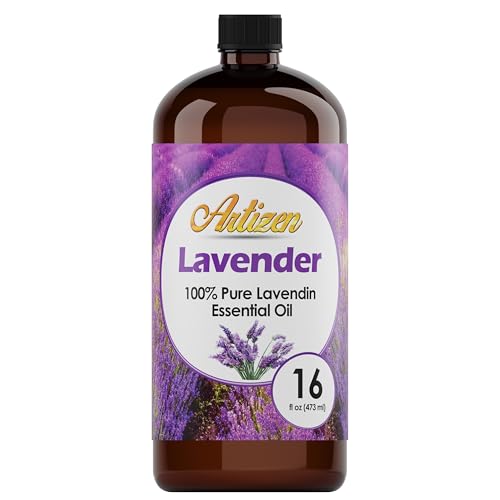
If you make candles, soaps, cleaning products, or use lavender oil throughout your home on a large scale, buying 10 mL at a time gets expensive and wasteful fast. Artizen solves that problem with a generous 16-ounce bottle of pure lavender oil sourced from Lavandula Hybrida Grosso — a hybrid variety commonly used in commercial perfumery and personal care products, known for its robust, consistent scent profile.
This is the most economical option per ounce on the list by a significant margin. The oil is extracted through steam distillation of flowering tops and carries that characteristic calming, soothing lavender aroma. It's well-suited for diffusers, linen sprays, DIY cleaning solutions, and adding to laundry. The large format also makes it practical for filling room diffusers in multiple rooms or stocking a studio or wellness practice.
The trade-off here is that Artizen uses the hybrid Grosso variety rather than the true Lavandula angustifolia preferred for therapeutic-grade applications. The chemical profile differs slightly, with higher camphor content typical in lavandin hybrids. For aromatherapy, home use, and DIY crafts, this distinction is minor. For strict therapeutic or clinical applications, you may prefer a pure angustifolia oil.
Pros:
Cons:
PURA D'OR bridges the gap between organic certification and practical bottle size. Their 4-ounce organic lavender oil comes with a glass dropper for precision dispensing — a thoughtful inclusion that most competitors skip. The oil is 100% pure, natural, and therapeutic grade, sourced organically and suited for an impressive range of uses: hair care, skin care, body massage, aromatherapy diffusing, relaxation practices, meditation, and even DIY soap-making.
The calming and tension-releasing properties are genuine and well-documented. Applied to pulse points before a massage or stressful meeting, the lavender scent delivers a measurable calming effect. For dry or irritated skin, the soothing properties provide real relief. The glass dropper design makes this particularly practical for precision topical application without wasting oil or contaminating the bottle.
At 4 ounces with organic certification, PURA D'OR hits a sweet spot that most brands miss. You're getting volume equivalent to NOW's bottle, but with the organic sourcing credentials of Cliganic — at a competitive price. If organic matters and you want more than a small bottle, this is where you land. According to Wikipedia's overview of lavender oil, the primary therapeutic constituents are linalool and linalyl acetate — both well-preserved in properly steam-distilled organic oils like this one.
Pros:
Cons:
Not all lavender oils are created equal. The differences between a premium therapeutic-grade oil and a cheap fragrance oil can be dramatic — in scent quality, therapeutic value, and safety for topical use. Here's what actually matters when you're making your decision in 2026.
The species of lavender matters. Lavandula angustifolia (true lavender) is the most therapeutic variety, grown primarily in France, Bulgaria, and the UK. It has the highest linalool and linalyl acetate content — the compounds responsible for its calming, anti-inflammatory, and skin-soothing properties.
The term "pure" on a label means nothing without independent verification. Any brand can print "100% pure" — only third-party GC/MS (gas chromatography/mass spectrometry) testing actually confirms it. This testing identifies the chemical constituents of the oil and reveals whether it's been adulterated with synthetic compounds, carrier oils, or cheaper botanical extracts.
Your primary use case should drive your buying decision as much as quality does.
Essential oils degrade with exposure to light, heat, and oxygen. Proper packaging isn't cosmetic — it directly affects the potency and shelf life of your oil.
Lavender is one of the few essential oils sometimes considered safe for limited neat (undiluted) application — particularly doTERRA lavender on minor skin irritations. However, best practice is always to dilute at 2–5% in a carrier oil before applying to larger skin areas. Undiluted application increases the risk of sensitization over time. If you're looking for a compatible carrier, check out our guide to the best fractionated coconut oils for a lightweight, skin-friendly option.
Lavender oil comes from Lavandula angustifolia, a true lavender species with high linalool and linalyl acetate content. Lavandin (like Artizen's Grosso variety) is a hybrid of angustifolia and spike lavender, with a sharper, more camphor-heavy scent and slightly different therapeutic properties. Lavandin is excellent for home use, cleaning, and crafts but is generally not recommended for therapeutic applications or direct skin use in the same way true lavender is.
For a standard 100 mL ultrasonic diffuser, 3–5 drops is the recommended starting point. Larger 200–500 mL tanks can handle 6–10 drops. More is not better — overly concentrated diffusion can cause headaches or irritation, especially in small enclosed spaces. Run your diffuser for 30–60 minute intervals with breaks in between rather than continuously throughout the day.
Yes, and this is one of the better-supported claims in aromatherapy research. Multiple clinical studies have found that inhaling lavender essential oil before sleep reduces sleep disturbance, improves sleep quality, and decreases nighttime waking in both healthy adults and clinical populations. The primary mechanism is linalool's effect on the central nervous system — it modulates GABA receptors similarly to anti-anxiety compounds, but through inhalation rather than ingestion.
Dilute 3–5 drops of lavender essential oil in 1 tablespoon of a carrier oil — jojoba or fractionated coconut oil both work well. Massage the blend into your scalp for 2–3 minutes, then leave on for at least 30 minutes (or overnight) before washing out. Use 2–3 times per week for best results. Studies suggest lavender oil can stimulate dermal papilla cells and increase follicle depth, supporting hair growth over consistent use.
A trustworthy lavender oil label includes the Latin botanical name (Lavandula angustifolia or the specific species used), country of origin, extraction method (steam distillation), and a batch or lot number. Third-party GC/MS test results should be accessible — either printed on the label or available via QR code or the brand's website. Certifications like USDA organic or Non-GMO Project verification add credibility. Avoid anything that only says "100% pure" without verifiable testing behind it.

 |
 |
 |
 |

About Truman Perkins
Truman Perkins is a Detroit-based SEO consultant who's been in the business for over a decade. He got his start helping friends and clients get their websites off the ground, and he continues to do so today. In his free time, Truman enjoys learning and writing about gardening - something he believes is a natural stress reliever. He lives with his wife, Jenny, and their twins in Detroit.


Get new FREE Gifts. Or latest free growing e-books from our latest works.
Disable Ad block to reveal all the links. Once done, hit a button below
|
|
|
|
 rinjal