Which jojoba oil is actually worth your money in 2026 — and does the price difference between a $10 bottle and a $30 one really matter for your skin? If you've been scrolling through dozens of listings trying to figure that out, you're in the right place. Jojoba oil has earned its reputation as one of the most versatile beauty oils on the market, and for good reason. It mimics your skin's natural sebum (the oil your skin produces on its own), which means it absorbs without clogging pores and works on virtually every skin type.
From dry, flaky skin to oily T-zones, from brittle hair ends to patchy beards, jojoba handles a surprising range of concerns. It's also one of the most shelf-stable carrier oils (oils used to dilute essential oils or apply directly to skin) you can find — lasting up to five years without going rancid. If you're already exploring other natural oils, you might find our guides to the best fractionated coconut oils and top grapeseed oils helpful for comparison. According to Wikipedia's overview of jojoba oil, it's technically a liquid wax rather than a true oil — which partly explains why it behaves so differently from other plant-based moisturizers.
We've put together this guide to help you find the right bottle for your budget and routine. Below you'll find honest reviews of seven popular jojoba oils, a buying guide covering what actually matters, and a FAQ section for the most common questions buyers ask. Whether you want a certified organic option, a large value size, or something specifically formulated for hair care, there's a pick on this list for you.

Contents





Desert Essence has been around long enough to earn genuine brand loyalty among natural beauty enthusiasts, and this 4 oz bottle is their flagship product. What sets it apart from cheaper alternatives is the single-ingredient purity — nothing added, no fillers, no synthetic preservatives. The oil has a golden color and a light, slightly nutty scent that dissipates quickly after application. If you have reactive or sensitive skin, that "nothing added" guarantee matters more than you might think.
In practice, this oil absorbs well without leaving a heavy residue. You only need 2–3 drops for your entire face. It works as a standalone moisturizer, a makeup remover (it breaks down even waterproof mascara), and a glide oil for facial massage tools like gua sha stones. Desert Essence specifically markets this as cold-pressed and non-GMO, which checks the boxes most informed buyers are looking for in 2026. The 4 oz size is manageable for daily use and easy to store in a bathroom cabinet.
The main limitation is cost per ounce — you're paying a premium for the brand name relative to some equally pure alternatives. Still, for a first-time jojoba buyer or someone with skin that reacts to almost everything, the track record and transparency here make it a very safe choice.
Pros:
Cons:
Cliganic's jojoba oil is one of the most-reviewed options in this category for good reason. It carries USDA organic certification — which is a third-party verified standard, not just a marketing claim — and it delivers on the single-ingredient promise. No synthetic additives, no hexane (a chemical solvent sometimes used in cheaper oil extraction), and no cutting agents. The packaging has updated in recent years but the formula remains the same.
This oil feels slightly lighter than some other brands, which makes it easy to use on your face without the worry of heaviness. It layers well under serums and moisturizers too, so you can integrate it into an existing routine rather than overhauling your whole regimen. Many users also use it on their nails and cuticles — a few drops massaged in at night does real work on brittle nails over a couple of weeks.
One thing to note: the bottle design has changed periodically, so don't be alarmed if what arrives looks slightly different from the listing photo. The formula itself remains consistent. For a 4 oz bottle with organic certification at a competitive price point, Cliganic is one of the most cost-effective quality choices you can make.
Pros:
Cons:
If you use jojoba oil in multiple ways — face, hair, body, and maybe as a carrier for essential oils — you'll burn through a 4 oz bottle faster than you expect. Viva Doria's 16 fl oz option gives you volume without sacrificing quality. It's USDA certified organic, cold-pressed, and unrefined, and it comes in an amber glass bottle with a dropper, which protects the oil from light degradation and reduces plastic waste. The oil is sourced from Israel, a major jojoba-producing region known for quality.
Unrefined jojoba retains more of its natural nutrients — vitamin E, antioxidants, and essential fatty acids — compared to refined versions. You'll notice the golden color and mild scent that indicate minimal processing. For people with all skin types, including sensitive and acne-prone skin, the natural composition is compatible because it closely resembles the skin's own sebum. That means your skin recognizes it, absorbs it efficiently, and doesn't overreact.
At 16 oz, this is better value per ounce than most 4 oz options. The glass bottle and dropper make daily dispensing clean and precise. The only real downside is the size — it's less travel-friendly and takes up more shelf space. But if you're a regular user who goes through oil quickly, this is one of the smartest purchases on this list.
Pros:
Cons:
PURA D'OR has built a strong reputation in the natural beauty space, and their 16.9 oz organic jojoba oil in a glass bottle is designed with the DIY skincare crowd in mind. It's USDA certified organic, hexane-free, cold-pressed, and unrefined — the same quality benchmarks you'd expect at this price level. What makes it particularly useful is how well it performs as a carrier oil when you're blending your own serums, face oils, or massage blends at home. If you're already using an essential oil diffuser or making your own tinctures, jojoba is the gold standard carrier.
The oil is rich in vitamins E and B, and its non-comedogenic profile makes it suitable as a daily facial oil without worrying about breakouts. Apply it to damp skin after cleansing for best absorption, or mix a few drops into your regular moisturizer to boost hydration. It also works on the scalp as a conditioning treatment — massage it in before shampooing and let it sit for 15–20 minutes.
The glass bottle is a premium touch, though it does add weight and fragility. At 16.9 oz, you're getting one of the larger volumes on this list, and the cost per ounce works out to a reasonable value for an organic, glass-bottled option. If DIY beauty projects are a regular part of your routine, this is a logical anchor product.
Pros:
Cons:
Leven Rose keeps it straightforward: one ingredient, made in the USA, certified organic, cold-pressed, and unrefined. No fillers, no parabens, no synthetic fragrances. If you've had reactions to beauty products in the past and want something as clean as it gets, Leven Rose is one of the most pared-down options you'll find. The brand also emphasizes cruelty-free and vegan credentials, which matter to a significant portion of buyers looking for jojoba oil in 2026.
Application is simple: warm a few drops between your palms and press onto skin or run through hair ends. The absorption rate is good — you won't feel greasy five minutes after applying it. It doubles as a beard oil (more on that in the buying guide), a makeup remover, a post-sun treatment for irritated skin, and even a soothing cuticle oil. The versatility is real, not just marketing copy. You really can replace four or five single-purpose products with this one bottle.
The 4 oz size is the main format available, which works well for travel and trial but may feel limiting if you're using it on your entire body daily. That said, a little goes a long way with jojoba — most users find 4 oz lasts several weeks even with daily face and hair use. For the quality level and the made-in-USA sourcing, the price is fair.
Pros:
Cons:
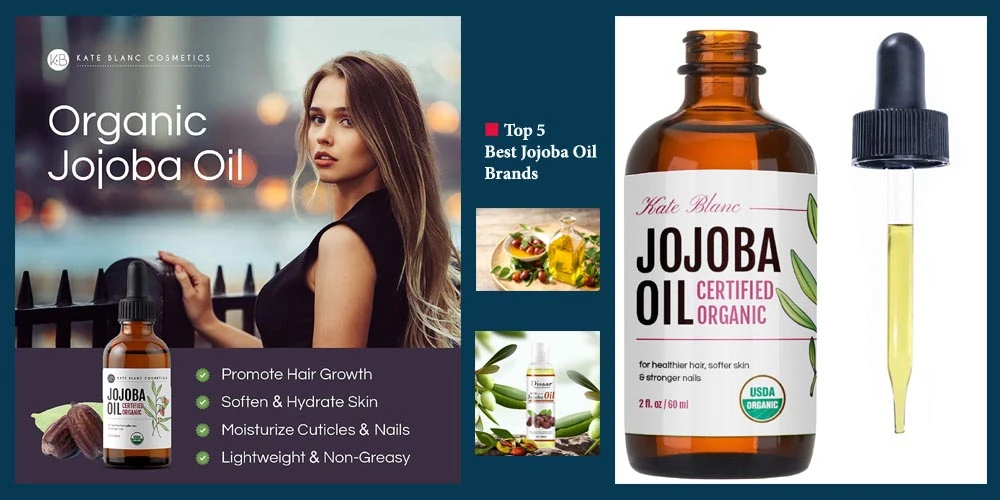
Kate Blanc specifically markets this jojoba oil for facial massage tools and dermaplaning (a skincare technique where a blade gently exfoliates the top layer of skin), and it earns that positioning. The oil provides just the right amount of slip — enough glide for a gua sha stone or facial roller to move smoothly across your skin without dragging, but not so heavy that it leaves a thick residue behind. USDA certified organic, 100% pure, cold-pressed, unrefined, and hexane-free — it checks every quality box.
For hair, it helps smooth dry and brittle strands, adds a subtle healthy-looking shine, and works to tame frizz and flyaways without weighing hair down. This is because jojoba conditions the hair shaft and scalp without the heaviness of thicker oils like castor or argan. You can use it as a pre-shampoo scalp treatment or apply a tiny amount to dry ends as a finishing oil.
Kate Blanc also positions this as a multi-use personal care staple — beard oil, body oil, cuticle treatment, DIY soap or lip balm base. That's not unusual for jojoba, but this brand leans into the skincare ritual angle more than most. If you're building a facial massage practice or just starting to use a gua sha tool, this is one of the better oils to pair it with. The 4 oz size is standard; the price is competitive.
Pros:
Cons:
Hollywood Beauty's 16 oz jojoba oil is the most budget-friendly option on this list when you calculate cost per ounce. It's not positioned as certified organic or single-ingredient pure, but it delivers on the core promise: a lightweight, non-greasy oil that hydrates hair, scalp, and skin without heaviness. If you need a large volume for regular hair treatments or body moisturizing and don't need an organic certification label, this is a practical choice.
One standout feature the brand highlights is its action against hygral fatigue — the stress hair experiences from repeatedly swelling when wet and contracting when dry. Regular use of a lightweight oil like this can reduce that cycle's damaging effects on your hair shaft. For natural hair care, that's a meaningful benefit. The oil spreads easily through hair and doesn't require a huge amount per application.
What you're trading for the lower price is the premium certifications. There's no USDA organic seal, no cold-pressed unrefined designation, and the product description is less detailed about sourcing. For skincare purists who want full ingredient transparency, one of the other options on this list will feel more appropriate. But for everyday hair moisturizing, scalp conditioning, or general body use, Hollywood Beauty gets the job done at a price that's hard to argue with.
Pros:
Cons:
With so many jojoba oils on the market in 2026, the labels can feel overwhelming. Here's what actually matters when you're deciding between options.
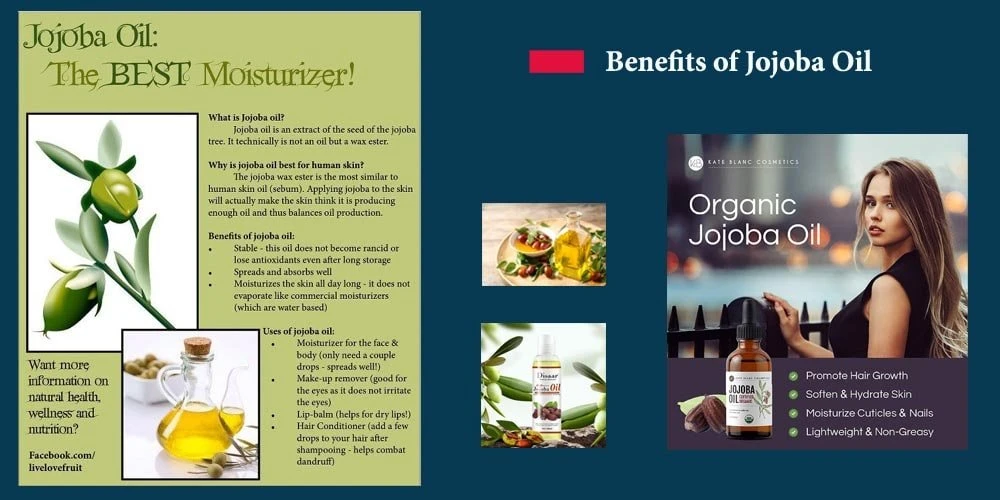
Look for the USDA organic seal if you want third-party verified purity. Cold-pressed and unrefined are two more terms worth understanding. Cold-pressing extracts oil using mechanical pressure without heat, which preserves more of the natural vitamins and antioxidants. Unrefined means the oil hasn't been chemically processed after extraction — it keeps its natural golden color and mild scent. Refined jojoba is often clearer and more neutral, but some beneficial compounds are removed in the process. Hexane-free is also important — hexane is a petroleum-derived solvent sometimes used in cheap oil extraction that you'd rather not have in your skincare products.
Most pure jojoba oils work across all these applications, but your primary use case should guide your choice.

For face and skin use, you want a lightweight, non-comedogenic oil that absorbs quickly without leaving shine. All the oils reviewed here meet that bar, but unrefined, cold-pressed versions are preferable for skincare because they retain more vitamin E and antioxidants. Apply 2–3 drops to clean, slightly damp skin for the best absorption. You can also use it as a nightly treatment for dry patches around your nose, eyes, or chin.
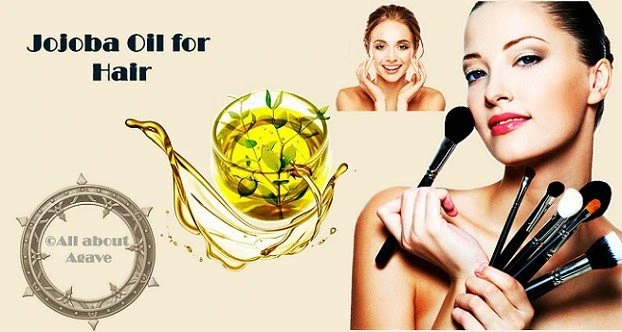
As a makeup remover, jojoba oil is genuinely effective. It dissolves makeup — including stubborn waterproof formulas — without stripping your skin's moisture barrier. Apply a few drops to a cotton pad and gently wipe across your face. Follow with your regular cleanser if you prefer a double-cleanse approach.
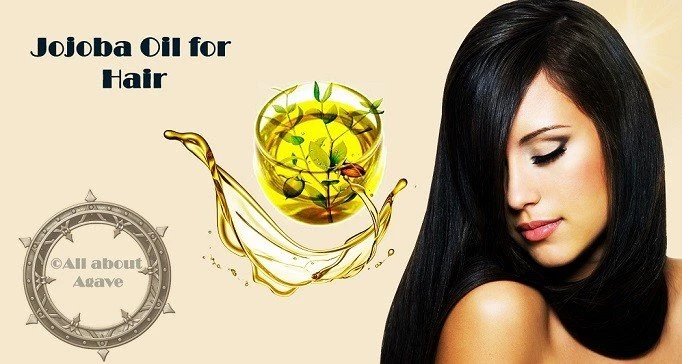
For hair, jojoba is one of the few oils that conditions both the scalp and the hair shaft without causing buildup. It's lighter than coconut or castor oil, which makes it better for fine hair. Use it as a pre-shampoo scalp massage, a leave-in treatment for dry ends, or a finishing touch to tame flyaways. A little goes a long way — start with 3–5 drops and add more if needed.
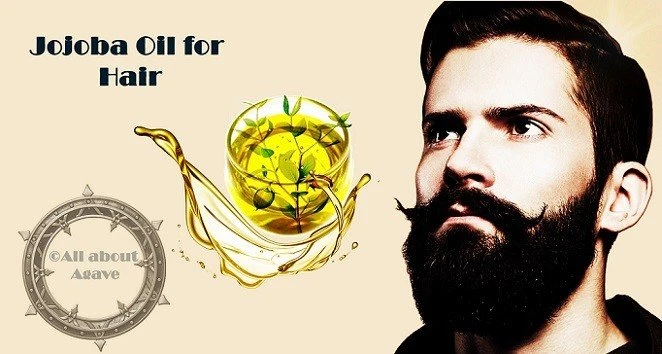
For beard care, jojoba is often the base ingredient in commercial beard oils. It softens coarse beard hair, conditions the skin underneath (preventing beard itch and flakiness), and absorbs without leaving a greasy feeling. You can use it straight or mix it with a few drops of essential oil like cedarwood or sandalwood for scent. If you're interested in how plant-based oils compare across different uses, our guide to the best flaxseed oils covers another versatile plant oil worth knowing about.
The 4 oz size is the standard for facial and targeted use — easy to store, easy to control application. For body moisturizing, hair treatments, or DIY beauty projects, 16 oz gives you significantly better value per ounce and means fewer reorders. Glass bottles are better for long-term storage because they don't leach plastic compounds into the oil over time and protect better against UV degradation. Amber glass is best. That said, plastic is more practical for travel and won't shatter if dropped.
There is a real price difference between USDA certified organic options and uncertified ones. For daily face use, the organic certification gives you more confidence in what's actually in the bottle. For bulk hair use where you're going through oil quickly, a lower-cost option without the certification may be a perfectly reasonable trade-off. Ask yourself: is this going on your face or scalp daily, or is this for occasional body use? That question usually gives you a clear answer on how much the certification premium is worth to you personally. You might also want to browse our broader gardening and natural product reviews for related guides on plant-based oils and natural remedies.
Yes. Jojoba oil is non-comedogenic, which means it won't clog your pores. Because it closely resembles the skin's natural sebum, most people can use it daily without breakouts or irritation. Start with 2–3 drops applied to slightly damp skin after cleansing. If you have very oily skin, use it at night only until you see how your skin responds.
Unrefined jojoba oil is cold-pressed and minimally processed, retaining its natural golden color, mild scent, and full vitamin and antioxidant content. Refined jojoba has been filtered or chemically treated to become clearer and more neutral, but some beneficial compounds are removed in the process. For skincare, unrefined is generally the better choice.
Yes — it's one of the most popular carrier oils for this purpose. Jojoba is shelf-stable for years without going rancid, absorbs well, and doesn't have a strong scent that would compete with your essential oils. A typical dilution is 1–2% essential oil by volume (about 6–12 drops per ounce of carrier oil).
Research suggests jojoba can help balance sebum production because it signals the skin that it's adequately moisturized, potentially reducing excess oil. It's non-comedogenic and has mild anti-inflammatory properties. That said, everyone's skin reacts differently — patch test on your jawline for a week before committing to daily use on your full face if you have acne-prone skin.
Shelf life is one of jojoba's standout qualities. Unopened, it can last up to five years. Once opened and stored properly — in a cool, dark location, away from direct sunlight — it typically stays fresh for one to two years. This makes it a smart investment compared to oils that go rancid in a few months.
Yes, and it works very effectively, including on waterproof mascara and long-wear foundation. Apply a few drops to a cotton pad and gently wipe across your face. It won't strip your skin's moisture barrier the way some commercial makeup removers can. Follow with a gentle cleanser if you prefer to avoid any residue before bed.
 |
 |
 |
 |

About Truman Perkins
Truman Perkins is a Detroit-based SEO consultant who's been in the business for over a decade. He got his start helping friends and clients get their websites off the ground, and he continues to do so today. In his free time, Truman enjoys learning and writing about gardening - something he believes is a natural stress reliever. He lives with his wife, Jenny, and their twins in Detroit.


Get new FREE Gifts. Or latest free growing e-books from our latest works.
Disable Ad block to reveal all the links. Once done, hit a button below
|
|
|
|
 rinjal