A jar of raw honey sits on one shelf, a bottle of agave nectar on another, and a half-empty jug of maple syrup tucked behind both — a familiar scene in many health-conscious kitchens. The question of which to reach for rarely has a simple answer. When comparing agave vs honey vs maple syrup, the differences extend well beyond taste, touching on glycemic impact, culinary performance, and the fascinating plants behind two of these three sweeteners.
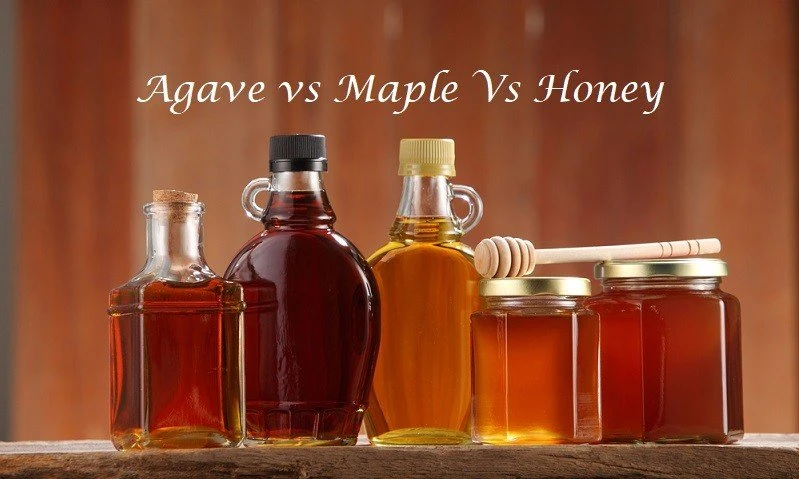
Agave nectar originates from the same succulent genus that gardeners cultivate for striking architectural structure, while maple syrup flows from tapped deciduous trees and honey comes from bees working flowering plants. Each sweetener carries a distinct nutritional fingerprint, behaves differently under heat, and suits particular recipes better than others. For those curious about agave's botanical origins, the Agave Potatorum plant profile offers a detailed look at this remarkable succulent species.
Understanding these distinctions helps home cooks, bakers, and health-focused individuals make informed choices rather than defaulting to marketing claims or passing trends. Truman Perkins has examined these sweeteners across dozens of kitchen applications, drawing on botanical knowledge and practical cooking experience for readers browsing the gardening reviews section.
Contents
Agave nectar is extracted from the piña — the dense, fibrous core — of mature agave plants, primarily Agave tequilana (blue agave) and Agave salmiana. The plant requires five to twelve years to reach harvesting maturity, after which workers remove the central stalk to expose the core, releasing a watery sap called aguamiel. This sap is filtered and heated at relatively low temperatures to convert complex carbohydrates (primarily fructans) into simple sugars, producing the amber or pale syrup sold commercially. The fructose concentration in the final product ranges from 55% to over 90%, depending on processing intensity — a detail with significant health implications.
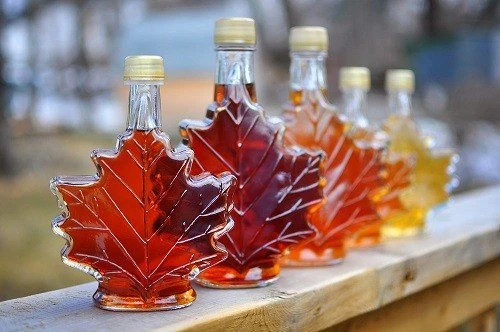
Honey is produced when bees collect floral nectar, process it enzymatically within the hive, and reduce its moisture content through evaporation — a labor-intensive, wholly natural process. Raw honey retains trace enzymes, pollen, and antioxidants that commercial processing often destroys. Maple syrup, by contrast, comes from the xylem sap of sugar maple trees (Acer saccharum), collected during late winter when freeze-thaw cycles drive sap through the trunk. It takes roughly 40 gallons of raw sap to produce a single gallon of finished syrup through sustained evaporation. According to the Wikipedia overview of maple syrup production, modern grading systems now classify syrups by color and flavor intensity rather than the older quality tiers.
In baking, sweetener choice affects moisture content, browning speed, and structural integrity in ways that granulated sugar does not. Agave nectar, with its high fructose concentration, browns faster under heat than either honey or maple syrup, requiring oven temperature reductions of roughly 25°F and slightly decreased liquid elsewhere in the recipe. Honey adds pronounced moisture retention along with a distinctive floral character that intensifies when baked; goods made with honey typically stay moist longer at room temperature than those made with the other two options.
Maple syrup contributes a complex caramel-and-wood flavor profile that pairs exceptionally well with whole grains, oats, and spiced preparations. Its sucrose-dominant composition behaves more predictably in baked goods than fructose-heavy agave, making it a reliable choice for newcomers transitioning away from refined sugar.
For cold drinks, agave nectar dissolves readily at room temperature without warming — a practical advantage over crystallizing honey, and a primary reason bartenders favor it in cocktails and iced beverages. Those interested in cold applications will find the agave nectar drink recipes collection a useful starting point for building a repertoire. Honey, however, brings nuanced floral complexity to hot teas and warm drinks that neither agave nor maple syrup replicates convincingly. Maple syrup integrates cleanly into coffee and smoothies without the sharp sweetness that some associate with concentrated agave.
Not all liquid sweeteners behave the same way in the bloodstream — agave's low glycemic index can mask its high fructose load, which places meaningful stress on the liver when consumed in large or frequent doses.
The glycemic index (GI) measures how quickly a food raises blood glucose. Agave nectar scores remarkably low — typically between 10 and 19 — because its dominant fructose content bypasses the insulin response that glucose triggers. Honey averages a GI of 55–60, while maple syrup falls in the 54–65 range depending on grade and sugar profile. For a thorough breakdown of agave's metabolic behavior, the agave syrup glycemic index guide explains both the benefits and the important caveats of low-GI fructose sweeteners. The central point bears repeating: a low glycemic index does not automatically translate to metabolic neutrality.
| Sweetener | Glycemic Index | Primary Sugar | Calories (per tbsp) | Notable Micronutrients |
|---|---|---|---|---|
| Agave Nectar | 10–19 | Fructose (55–90%) | ~60 | Minimal (heavily processed) |
| Raw Honey | 55–60 | Fructose + Glucose | ~64 | Polyphenols, enzymes, trace minerals |
| Maple Syrup | 54–65 | Sucrose | ~52 | Manganese, zinc, calcium, potassium |
Maple syrup contains the broadest mineral spectrum of the three, delivering meaningful amounts of manganese and zinc alongside small quantities of calcium and potassium. Raw honey provides propolis compounds, hydrogen peroxide, and polyphenols that give it documented antimicrobial properties distinct from any other natural sweetener. Agave nectar, due to its intensive processing, retains virtually no significant micronutrients — it functions essentially as a concentrated fructose solution with little else to offer from a nutrition standpoint.
Accurate substitution requires understanding both sweetness intensity and liquid contribution. Because all three sweeteners are denser and sweeter than granulated sugar, most recipes call for a 3:4 ratio — three parts liquid sweetener for every four parts sugar specified. The adjustments diverge from there based on each sweetener's unique properties:
When substituting agave for honey in baked goods, reduce the quantity by 25% and lower oven temperature — agave's fructose concentration promotes faster browning that crosses into burning before the center sets.
Those exploring related comparisons will find both the agave vs granulated sugar breakdown and the agave vs artificial sweeteners overview useful companions to this analysis, covering the broader landscape of sweetener choices.
For those new to natural sweeteners, honey presents the most forgiving entry point. Its familiar flavor, wide availability, and predictable behavior across most recipes make it accessible without demanding recipe restructuring. Grade A amber maple syrup follows closely as a second recommendation — its flavor is distinctive but not aggressive, it dissolves well in hot and cold preparations alike, and it pairs intuitively with ingredients most home cooks already use regularly.
Serious bakers often gravitate toward agave nectar for its batch-to-batch consistency, since commercial agave varies less between brands than raw honey or small-batch maple syrup. Precision-driven bakers value that light agave behaves nearly identically from bottle to bottle, enabling repeatable results in confections, custards, and caramels where small sugar variations alter texture. Its near-neutral flavor is both a strength and a limitation — it contributes sweetness without character, which can flatten complex flavor profiles in artisanal preparations where depth is the goal.
Honey is the most shelf-stable of the three — properly sealed, it does not expire and has been found edible in archaeological sites thousands of years old. Natural crystallization is reversible through gentle warming in a warm water bath, which restores liquid consistency without destroying heat-sensitive enzymes and polyphenols. Maple syrup requires refrigeration after opening and lasts up to twelve months before flavor degradation becomes noticeable. Agave nectar stores at room temperature before opening and remains stable for up to three years when refrigerated after the seal is broken.
A few dedicated tools prevent waste and improve precision when working with liquid sweeteners daily:
Agave nectar carries a lower glycemic index than honey, but its high fructose concentration (up to 90%) places greater metabolic demand on the liver. Raw honey contains polyphenols, enzymes, and trace minerals that commercially processed agave lacks entirely, making honey the nutritionally richer option for most people when consumed in moderate amounts.
Agave nectar substitutes for honey at a 3:4 ratio — use three-quarters cup of agave for every cup of honey called for, reduce other liquids slightly, and lower oven temperature by 25°F. The flavor profile will be noticeably more neutral, and browning will occur faster due to agave's fructose content.
Agave nectar has the lowest glycemic index of the three, typically scoring between 10 and 19. Honey and maple syrup both fall in the 54–65 range. However, a low GI does not mean agave is the healthiest choice overall, as its high fructose load carries separate metabolic considerations unrelated to blood glucose response.
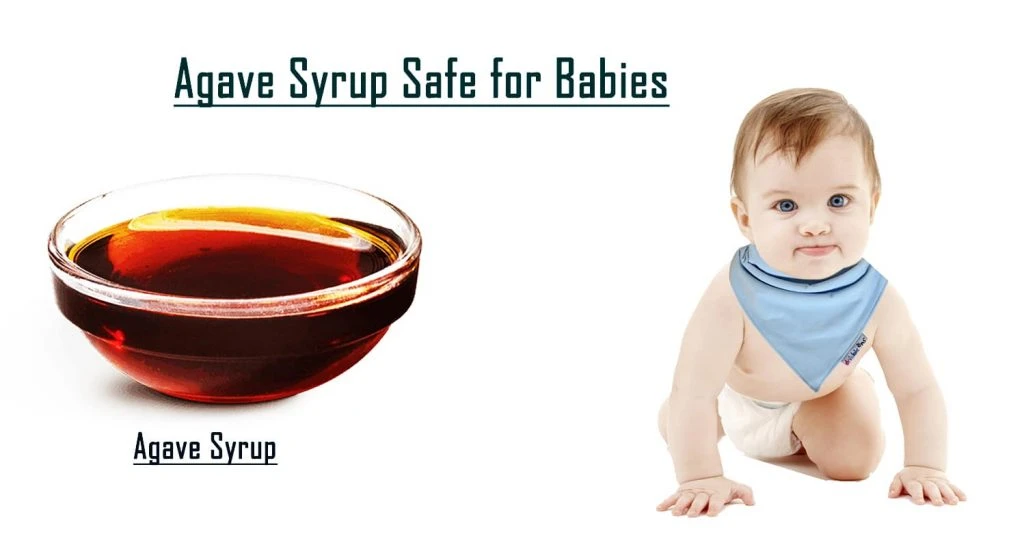
Maple syrup is generally considered safe for children over twelve months old. Raw honey, by contrast, is not recommended for infants under one year due to the risk of Clostridium botulinum spores, which a baby's immature digestive system cannot neutralize. Agave nectar is similarly not recommended for infants given its high fructose content.
Raw honey contains a wider variety of polyphenols and antimicrobial compounds than maple syrup, including flavonoids and phenolic acids that vary with floral source. Maple syrup contains a unique compound called quebecol formed during sap processing, along with manganese and other minerals, but raw honey's antioxidant density generally exceeds that of maple syrup by most measurements.
Agave syrup dissolves cleanly in both hot and cold beverages, making it one of the more versatile liquid sweeteners for drinks. Its neutral flavor profile integrates without competing with tea, coffee, or herbal infusions. Honey is often preferred in hot beverages for its flavor complexity, but agave's cold-dissolving property gives it a practical advantage in iced drinks.
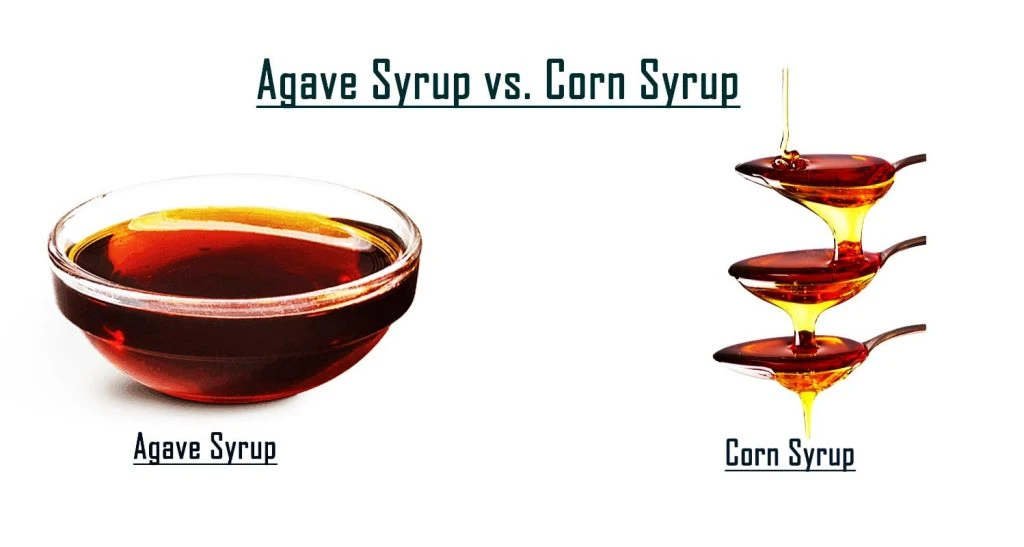
All three natural sweeteners differ from corn syrup primarily in origin, processing level, and nutritional content. Corn syrup is derived from highly processed cornstarch and offers no meaningful micronutrients, while maple syrup and raw honey both contain mineral and antioxidant compounds. Agave nectar, though heavily processed, still originates from a whole plant source with inherent fructan chemistry that corn syrup does not share.
The sweetener that earns a permanent place in the kitchen is not the one with the lowest glycemic number or the most compelling label — it is the one whose origin, flavor, and behavior a cook understands well enough to use with intention.
 |
 |
 |
 |

About Christina Lopez
Christina Lopez grew up in the scenic city of Mountain View, California. For eighteen ascetic years, she refrained from eating meat until she discovered the exquisite delicacy of chicken thighs. Christina is a city finalist competitive pingpong player, an ocean diver, and an ex-pat in England and Japan. Currently, she is a computer science doctoral student. Christina writes late at night; most of her daytime is spent enchanting her magical herb garden.


Get new FREE Gifts. Or latest free growing e-books from our latest works.
Disable Ad block to reveal all the links. Once done, hit a button below
|
|
|
|
 rinjal