What separates a plant-derived syrup harvested from a desert succulent and a laboratory-synthesized compound engineered for zero-calorie sweetness — and does that distinction carry meaningful consequences for health and culinary practice? The debate surrounding agave nectar vs artificial sweeteners deserves rigorous analysis, because the answer reveals nuances that marketing language routinely obscures. Gardeners and culinary enthusiasts who follow the plants, herbs, and farming category recognize that what emerges from the soil carries biochemical properties that synthetic alternatives simply cannot replicate.
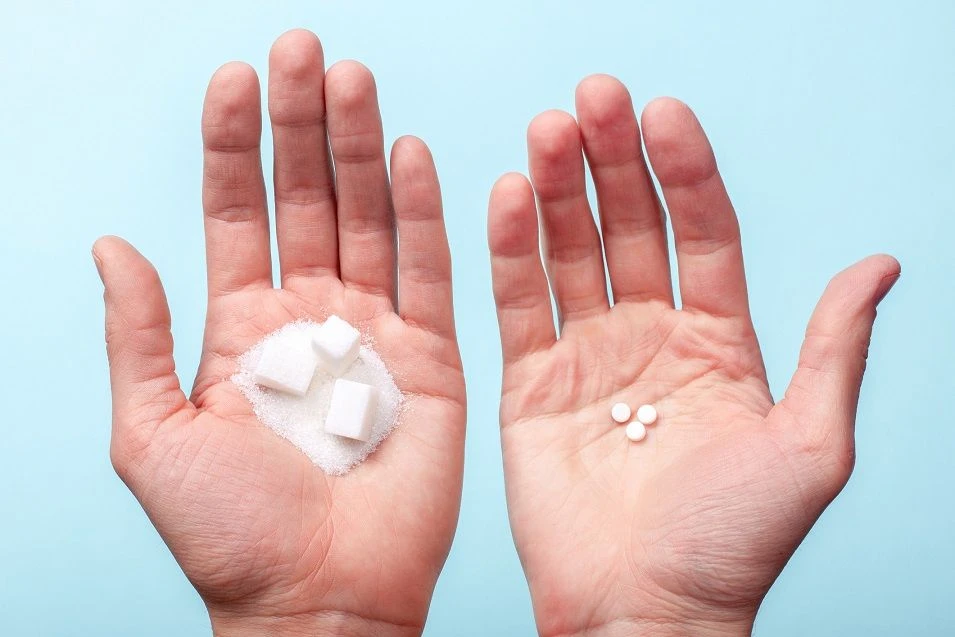
Agave nectar originates from the same remarkable genus of succulents explored in Agave Potatorum: Plant Facts, Appearance, and Care Tips. The nectar undergoes enzymatic processing that converts agave inulin into a fructose-rich syrup, yielding a product with distinctive flavor characteristics and measurable glycemic properties. Artificial sweeteners, by contrast, emerge from chemical synthesis processes designed to deliver intense sweetness without caloric contribution, carrying a separate set of biochemical consequences that researchers continue to study under controlled conditions.
Both categories present legitimate trade-offs, and the choice between them depends on individual health objectives, culinary requirements, and an informed understanding of how each substance interacts with human physiology. This guide examines the evidence methodically, providing a clear framework for making an educated decision.
Contents
Agave nectar is extracted primarily from Agave tequilana (blue agave) and related species, with the piña — the plant's dense central core — harvested at full maturity after seven to ten years of vegetative growth. The extracted aguamiel undergoes enzymatic hydrolysis, converting complex inulin polysaccharides into freely available fructose and glucose molecules. The resulting syrup contains approximately 70 to 90 percent fructose by composition, rendering it considerably sweeter than sucrose by volume. Understanding the plant's full lifecycle informs reasonable expectations about the product's composition, since harvesting practices and thermal processing temperatures directly influence the final fructose-to-glucose ratio in any given batch.
Artificial sweeteners — including aspartame, sucralose, saccharin, and acesulfame potassium — emerged from pharmaceutical and chemical research programs across the twentieth century. These compounds stimulate sweet-taste receptors at concentrations hundreds of times lower than sucrose, yet provide negligible caloric input. According to the U.S. Food and Drug Administration, all currently approved high-intensity sweeteners have undergone extensive safety evaluations, though ongoing research continues examining their effects on gut microbiota composition and peripheral insulin signaling pathways.
Agave nectar delivers approximately 21 calories per teaspoon — slightly higher than table sugar's 16 calories — though its greater sweetness intensity typically means smaller quantities are used in practice. Artificial sweeteners deliver negligible caloric value; sucralose, for instance, contributes near-zero calories while triggering a robust sweet-taste response in the oropharyngeal receptor system. The metabolic distinction is substantial: agave fructose is processed primarily in hepatic tissue, largely bypassing the pancreatic insulin-mediated pathways that sucrose activates, whereas artificial sweeteners interact with neurological reward circuitry in ways that researchers believe may influence appetite regulation over extended periods of regular consumption.
The glycemic index of agave nectar ranges between 10 and 19 — substantially lower than sucrose's index of 65 — as examined comprehensively in the analysis of Agave Syrup Glycemic Index. This attenuated glycemic response occurs because hepatic fructose metabolism bypasses the standard pancreatic insulin cascade. However, excess hepatic fructose conversion raises distinct concerns related to de novo lipogenesis, elevated triglyceride synthesis, and liver stress under sustained high-consumption conditions. Artificial sweeteners produce a glycemic index of effectively zero, yet emerging evidence identifies associations between certain synthetic compounds and altered intestinal microbiome composition that indirectly affects downstream glucose metabolism.
| Property | Agave Nectar | Aspartame | Sucralose | Saccharin |
|---|---|---|---|---|
| Calories per tsp | ~21 | ~0 | ~0 | ~0 |
| Glycemic Index | 10–19 | 0 | 0 | 0 |
| Sweetness vs sucrose | 1.4× | 200× | 600× | 300× |
| Plant-derived | Yes | No | No | No |
| Heat stable in baking | Yes | No | Yes | Yes |
| Gut microbiome impact | Minimal | Under study | Evidence emerging | Evidence emerging |
Agave nectar stores best in a cool, dark environment shielded from direct sunlight, which accelerates oxidative degradation and alters its characteristically mild floral flavor. An unopened bottle maintains peak quality for two to three years under pantry conditions at ambient temperature, while an opened container benefits from refrigeration to extend freshness well beyond the initial six-month window after opening. Amber-grade agave nectar is particularly sensitive to light exposure, as its elevated mineral content accelerates photochemical degradation when subjected to prolonged ultraviolet radiation from natural or artificial light sources.
Unlike artificial sweeteners, which maintain chemical stability across a wide range of temperature and light conditions due to their inert synthetic structure, agave nectar undergoes gradual enzymatic and oxidative changes that affect both flavor complexity and fructose composition over extended storage periods. Crystallization — a natural phenomenon in fructose-rich syrups — does not indicate spoilage; gentle warming in a warm-water bath restores liquid consistency without compromising nutritional integrity. Those who incorporate agave nectar into crafted beverages will find additional preparation and blending techniques in the guide to Agave Nectar Drink Recipes.
The "natural" designation carries significant marketing weight but limited regulatory precision. Agave nectar, despite its botanical origins, undergoes industrial enzymatic processing that substantially elevates fructose content beyond what exists in the raw plant's unprocessed sap. Consumers who equate plant origin with automatic healthfulness may inadvertently consume high-fructose loads that rival those found in high-fructose corn syrup at equivalent serving volumes. The degree of processing is a more meaningful evaluative metric than raw material origin when assessing sweetener suitability within specific dietary frameworks — a principle that holds equally for artificial and plant-derived alternatives.
Numerous practitioners recommend agave nectar for glycemic management on the basis of its low glycemic index, without adequately accounting for the hepatic consequences of sustained high-fructose intake at realistic dietary volumes. Medical nutrition literature consistently links excess dietary fructose — regardless of source — to elevated non-alcoholic fatty liver disease risk, raised uric acid concentrations, and dyslipidemia under chronic high-dose exposure conditions. Artificial sweeteners avoid this specific hepatic concern entirely, though they introduce separate considerations around gut microbiome modulation and appetite signaling that warrant equal scientific scrutiny and individualized assessment.
Agave nectar substitutes for granulated sugar at a volumetric ratio of approximately 0.75:1, with a corresponding reduction of other liquid ingredients by roughly 25 milliliters per cup to maintain correct batter or dough consistency in baked preparations. Its lower water activity and higher fructose hygroscopicity contribute to measurably moister baked goods with extended shelf stability compared to sucrose-sweetened counterparts. Home cultivators who prepare homemade vanilla extract will find that agave nectar pairs exceptionally well with vanilla's aromatic compounds in both beverages and dessert applications, producing layered flavor profiles that synthetic sweeteners fundamentally cannot replicate due to their absence of aromatic complexity.
The mild, slightly floral character of light agave nectar makes it a versatile pairing partner for citrus, stone fruits, and culinary herbs including mint, basil, and lemongrass — plants whose cultivation is explored extensively in the guide to 6 Best Herbs to Grow Indoors for a Chef's Garden. Artificially sweetened preparations, by contrast, frequently carry a metallic or bitter aftertaste — particularly at elevated concentrations — that limits their successful integration into nuanced culinary applications requiring harmonic flavor balance. The interplay between natural sweeteners and botanical aromatics represents one of the most compelling arguments for favoring minimally processed plant-derived options in herb-forward culinary contexts.
A high-quality agave nectar label identifies the specific agave species used, the processing temperature (raw agave is processed below 47°C to preserve enzymatic activity and volatile aromatic compounds), and the fructose-to-glucose percentage. Products labeled generically as "agave syrup" without species identification frequently blend multiple agave varieties or incorporate post-processing additives that dilute quality and consistency. Certified organic agave nectar provides the strongest available assurance of minimal pesticide residue and controlled processing standards — a consideration particularly relevant for consumers prioritizing clean-label dietary choices and verifiable supply chain transparency.
USDA Organic certification, Non-GMO Project verification, and raw food certifications each address distinct dimensions of quality assurance for agave nectar products. Artificial sweetener products carry FDA GRAS (Generally Recognized as Safe) status as their primary quality credential, supplemented by manufacturer-issued purity documentation and pharmacopeial grade specifications where applicable. When evaluating any sweetener for sustained regular dietary use, independent third-party laboratory testing verification provides a meaningful additional layer of assurance that extends beyond self-reported manufacturer specifications and marketing-driven label claims.
A sustainable long-term sweetener philosophy acknowledges that no single product serves all dietary and culinary contexts optimally. Agave nectar excels in cold preparations, light baking, and applications requiring liquid sweeteners with genuine botanical character; artificial sweeteners serve specific medical and caloric-restriction contexts where taste-receptor stimulation without caloric loading is the primary therapeutic objective. Rotating between minimally processed plant-based sweeteners — including agave, raw honey, and maple syrup — distributes fructose load across different biochemical processing pathways and reduces the habituation to any single flavor compound that can diminish culinary satisfaction over time.
Individuals who adopt agave nectar as a primary sweetener benefit from periodic metabolic panels assessing triglyceride levels, fasting glucose, and hepatic enzyme activity, given fructose's exclusive hepatic processing pathway and its documented dose-dependent effects. Those relying primarily on artificial sweeteners gain value from monitoring gut health indicators and satiety pattern regularity, as emerging clinical research identifies associations between chronic synthetic sweetener consumption and disrupted appetite regulation signals. Long-term sweetener strategy must remain adaptive, incorporating evolving nutritional science rather than adhering to positions established at any single fixed point in research history.
Agave nectar's low glycemic index makes it less disruptive to blood glucose levels compared to sucrose, but its high fructose content still poses hepatic metabolic risks under regular high-volume consumption. Artificial sweeteners produce no direct glycemic response, yet their effects on gut microbiota and insulin sensitivity remain subjects of active clinical investigation. Individuals managing diabetes should consult a qualified clinician before substituting either sweetener systematically into their dietary plan.
Agave nectar is thermally stable at normal baking and cooking temperatures, retaining its sweetening capacity and moisture-binding properties without significant degradation. Raw agave — processed below 47°C — does lose some enzymatic activity when subjected to sustained high heat, but its fructose composition and sweetening intensity remain functionally intact throughout standard culinary heating processes up to 180°C.
Direct substitution is not straightforward because agave nectar contributes liquid volume, moisture retention, and browning characteristics that artificial sweeteners — typically supplied in granular or tablet form — cannot replicate structurally. Reformulating a recipe to replace agave nectar with synthetic sweeteners requires adjusting liquid ratios, adding humectants to compensate for moisture loss, and accepting that caramelization and Maillard browning reactions will be absent from the finished product.
Agave cultivation requires minimal irrigation compared to sugar cane or corn, and agave plants actively sequester carbon dioxide during their multi-year growth cycle, contributing positively to soil health in arid regions. Artificial sweetener production involves petrochemical synthesis pathways and industrial solvent use, generating process waste streams that require managed disposal. From an environmental life-cycle perspective, sustainably sourced agave nectar generally carries a lower ecological footprint than most synthetic sweetener manufacturing processes at comparable production scales.
 |
 |
 |
 |

About Truman Perkins
Truman Perkins is a Detroit-based SEO consultant who's been in the business for over a decade. He got his start helping friends and clients get their websites off the ground, and he continues to do so today. In his free time, Truman enjoys learning and writing about gardening - something he believes is a natural stress reliever. He lives with his wife, Jenny, and their twins in Detroit.


Get new FREE Gifts. Or latest free growing e-books from our latest works.
Disable Ad block to reveal all the links. Once done, hit a button below
|
|
|
|
 rinjal