If you're staring down a plot of untouched, compacted soil, the YARDMAX 18-in. 212cc Rear Tine Tiller is the single most capable machine for breaking new ground — its counter-rotating tines chew through clay, roots, and packed earth that would stop a lighter machine cold. But raw power isn't always what you need, and 2026's tiller market offers better purpose-built options at every price point than ever before.
Breaking new ground is a completely different task from routine cultivation. You're not just fluffing loose soil — you're cracking hardpan, severing root networks, and restructuring earth that may not have been touched in decades. A compact cultivator that works beautifully between established rows will bounce off that kind of ground and punish your wrists all afternoon. The right tiller for new ground matches its tine configuration, engine displacement, and tilling depth to the actual soil conditions you're facing. Get that match right and a day's work becomes manageable. Get it wrong and you're renting a machine anyway.
We evaluated seven of the most well-reviewed tillers available right now — gas, electric, front-tine, rear-tine, 2-cycle, and 4-cycle — to give you a direct comparison across every major category. Whether you're converting a lawn into raised beds, reclaiming an overgrown plot, or starting a vegetable garden from scratch, you'll find the right pick in this list. If you're planning a full garden build-out this season, check out our broader gardening reviews section for companion tools and soil prep resources. Understanding how tines and cultivator design affect soil structure can also help you make a smarter buying decision before you commit.
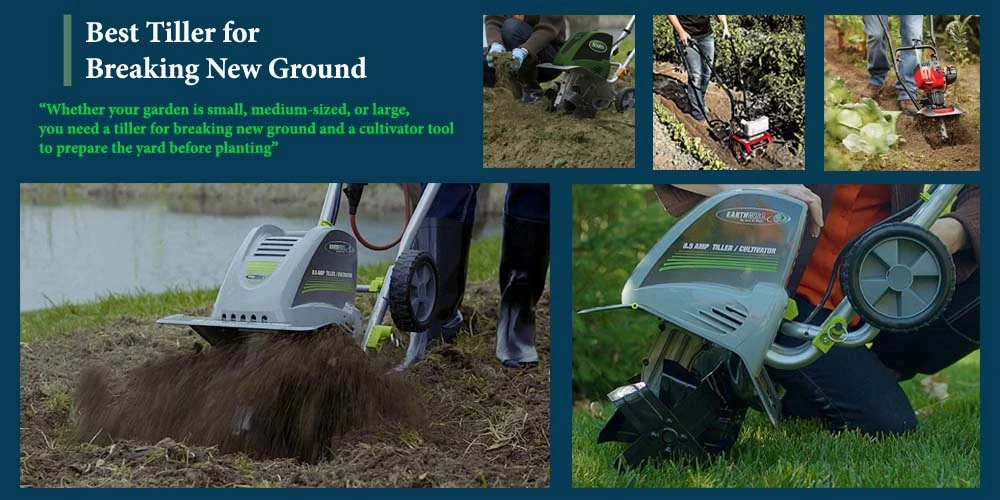
Contents



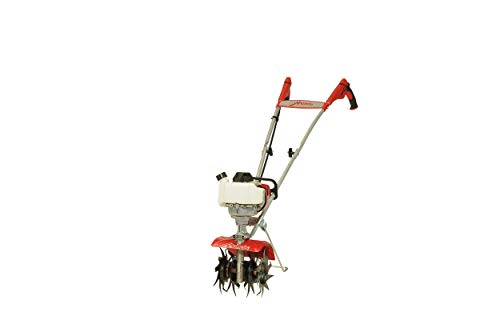


The Earthquake MC43 is the cultivator you reach for when you want gas power without the bulk. Powered by a 43cc 2-cycle Viper engine, it punches well above its weight class — especially in established garden beds where lighter electric models lose momentum. The adjustable tilling width from 6 to 10 inches gives you genuine flexibility: keep the outer tines on for full coverage, or pull them off in two minutes to thread between tight rows without damaging established plants. The overhand handlebar design is the real differentiator here — it dramatically reduces the bouncing and lurching that makes lighter cultivators exhausting to control in rocky or rooted soil.
Transport wheels are a thoughtful addition that most cultivators in this price range skip entirely. You can roll the MC43 from your shed to the garden without lifting it, then flip the wheels out of the way before you start working. It's a small feature that makes a genuine difference over the course of a season. The 2-cycle engine does require oil/fuel mixing, which is a slight inconvenience over 4-cycle alternatives, but the MC43 compensates with a lighter overall machine weight that's easy to maneuver in confined spaces. For anyone maintaining a medium-sized kitchen garden or working around established perennials, this is an exceptionally practical tool.
Earthquake's U.S.-based customer service is a legitimate selling point — replacement tines and engine parts are genuinely accessible, unlike some imported alternatives where parts sourcing becomes its own project. If you're also managing weeds between tilling sessions, pairing this cultivator with the right chemistry makes a big difference; see our guide to the best weed killer for lawns for options that complement mechanical cultivation.
Pros:
Cons:
The Mantis 7940 is one of those rare tools that earns genuine loyalty. At just 24 pounds, it's one of the lightest gas-powered tillers you can buy — and the Honda 25cc 4-cycle engine is what makes the weight acceptable. You're not compromising power for portability here. The Honda engine spins tines at up to 240 RPM, which is roughly double the speed of many comparable machines in this class. That tine speed is the key metric that separates the Mantis from imitators — faster rotation means the tines cut soil rather than push against it, which translates to noticeably less resistance when working through clay-heavy ground.
The 4-cycle engine is a genuine quality-of-life upgrade over 2-cycle alternatives. No fuel mixing, quieter operation, and Honda's legendary reliability — the same engine platform found in Honda lawn equipment that runs for decades with basic maintenance. The Mantis 7940 carries a 2-year limited warranty and is manufactured in the United States, which historically translates to better parts availability and longer service life than imported alternatives. For gardeners who hate tool maintenance, the 4-cycle design is the right choice.
Where the Mantis earns its reputation is in established gardens. The narrow tine assembly threads between rows that would stop a wider machine, and the lightweight build means a single operator can work for hours without fatigue. It's not the choice for breaking truly virgin soil with heavy clay — you want a rear-tine machine for that — but for annual prep of existing beds, working compost into soil, or aerating compacted garden paths, the Mantis 7940 is the benchmark.
Pros:
Cons:
The Sun Joe TJ604E proves that corded electric tillers have a real place in any garden arsenal — provided you understand what they're for. The 13.5-amp motor is the most powerful in Sun Joe's electric lineup, driving six angled steel tines at 370 RPM through a 16-inch tilling path. That 16-inch width is exceptional for an electric machine; most corded competitors top out at 11–13 inches. The combination of width and RPM makes the TJ604E one of the most productive electric tillers per hour of work, covering more square footage per pass than any gas cultivator in its price bracket.
At 8 inches of tilling depth, the TJ604E reaches into soil meaningfully — deep enough for annual vegetable bed prep and amendment incorporation. The six steel tines are angled to optimize bite rather than glide across the surface, which matters when you're working sandy or loamy soil that tends to resist at certain depths. Corded operation means consistent power delivery without engine warm-ups, fuel costs, or carburetor issues after sitting in storage — a significant practical advantage for weekend gardeners who use their tiller twice a season.
The limitation is the cord itself. You're tethered to an outlet, which makes this the wrong tool for large properties or plots far from power. But for backyard raised bed gardens, urban lots, and suburban vegetable patches, that cord is a non-issue. Pairing this tiller with healthy soil amendments like worm castings after each tilling session will pay dividends in plant health and yield throughout the season.
Pros:
Cons:
This is the machine the post title is actually about. The YARDMAX 18-in. rear tine tiller with 212cc OHV engine is built specifically for the job of breaking new ground — not refreshing an existing bed, not cultivating loose soil, but cracking open compacted, root-threaded earth that hasn't been tilled before. Dual counter-rotating tines are the technology that makes this machine work where others fail: unlike forward-rotating tines that push against hard soil, counter-rotating tines drive downward into the earth, pulling the machine forward while fracturing the soil from beneath.
The 18-inch tilling width covers serious acreage in far fewer passes than a compact cultivator. The OHV engine design puts the overhead valve assembly directly above the combustion chamber, which improves efficiency and power output compared to older side-valve designs — you get more usable torque from 212cc than you'd expect. For breaking ground in a large vegetable plot, converting lawn to garden, or preparing soil for a new landscaping project, the YARDMAX rear tine is the tool professionals reach for first.
This is not a lightweight machine and isn't meant to be. The weight works in your favor when tilling — it keeps the tines in the ground rather than bouncing on the surface. But transportation and storage require planning. If your garden is accessible and your soil truly needs breaking, nothing in this roundup competes with the YARDMAX for raw new-ground performance. It's the right answer to the hardest tilling problem.
Pros:
Cons:
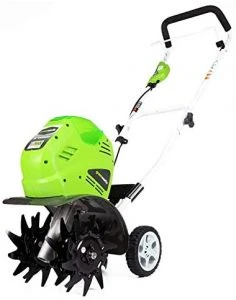
The Earthquake Versa 20015 occupies a smart middle ground between compact cultivators and full-size rear-tine tillers. Its 99cc 4-cycle Viper engine is meaningfully more powerful than the MC43's 43cc motor, and the ability to convert between tiller and cultivator configurations without tools makes it one of the most versatile gas-powered options in its price class. The adjustable tilling width — from 11 inches as a cultivator up to 21 inches as a full tiller — is the headline feature, and it genuinely works. Remove the side shields and outer tines for tight row cultivation; reinstall them for new bed preparation.
At 21 inches wide with all tines installed, the Versa competes meaningfully with larger, heavier tillers on coverage rate. The 99cc 4-cycle engine eliminates fuel mixing and runs quieter than 2-cycle alternatives, which matters if you're working in a suburban yard. Front-tine tillers require slightly more operator effort than rear-tine machines on hard ground — you guide the machine forward rather than letting counter-rotating tines pull it — but most users find the Versa manageable even in moderately compacted soil.
For gardeners who want one machine that can handle both annual bed prep and regular maintenance cultivation, the Versa 20015 is the most logical single purchase. You get genuine tilling capability for breaking new beds and genuine cultivator precision for working around established plants. That flexibility makes it the best value pick for anyone unwilling to own two separate machines.
Pros:
Cons:
The WEN TC1014 is the honest budget option in this roundup — it doesn't pretend to be something it isn't. A 10-amp motor, 14-inch tilling width, and 8.7-inch depth give you a capable small-garden machine at a price point that's genuinely accessible. Four reinforced steel tines with 16 blades total provide more cutting surface than the tine count suggests, and 360 RPM is respectable output for a 10-amp motor. For raised beds, container gardens, and small vegetable patches, the TC1014 handles the job cleanly without the cost of a gas-powered machine.
The 8.7-inch maximum tilling depth actually edges out several more expensive competitors, which is a genuine advantage when incorporating amendments deeply into your beds. If you're adding compost, fertilizer, or other organic matter before planting season, working it into the lower soil profile is important — shallow tilling just mixes it into the top few inches where it benefits early root development but misses the deeper root zone. Understanding your soil structure before you till is worth the time; our guide on how to sterilize soil for planting covers soil preparation fundamentals that pair well with mechanical cultivation.
The cord is both this machine's limitation and its advantage. No battery management, no engine maintenance, consistent power delivery on every pass. If your garden is within reasonable cord reach of an outlet and you're working a relatively small footprint, the WEN TC1014 gives you more tilling capability per dollar than any other option in this list. Buy the gas machine when you genuinely need it.
Pros:
Cons:
The Earthquake MC440 is a refined, purpose-built mini cultivator that improves on its sibling MC43 in one critical way: the 40cc 4-cycle Viper engine requires no fuel mixing. For gardeners who run a cultivator throughout the season — weeding multiple times between plantings, aerating soil, working in side-dressing fertilizer — the 4-cycle convenience adds up to real time saved over a growing season. The engine is also quieter than 2-cycle alternatives, which matters if you're working in a neighborhood setting or early in the morning. Stand-up starting is the ergonomic feature that makes the MC440 genuinely easier to use than most small gas cultivators — you don't bend down and yank a cord, you start it from an upright position behind the handlebars.
The air filter design deserves mention. Engine-damaging dirt ingestion is the most common failure mode for small gas cultivators — fine soil particles get pulled through cheap filter media and accelerate cylinder wear. Earthquake's design keeps dirt out more effectively than standard panel filters, which extends engine life significantly on a machine that's working in dusty, tilled soil by definition. It's the kind of engineering detail that separates tools designed for sustained use from tools designed for the showroom floor.
This is a specialist tool for the maintenance phase of gardening, not the ground-breaking phase. If your beds are already established and you need a reliable, easy-starting cultivator for the work between planting seasons, the MC440 is the most refined option in this size class. Combine it with a heavy rear-tine machine for initial ground breaking, and you have the two tools that cover every tilling task through the year.
Pros:
Cons:
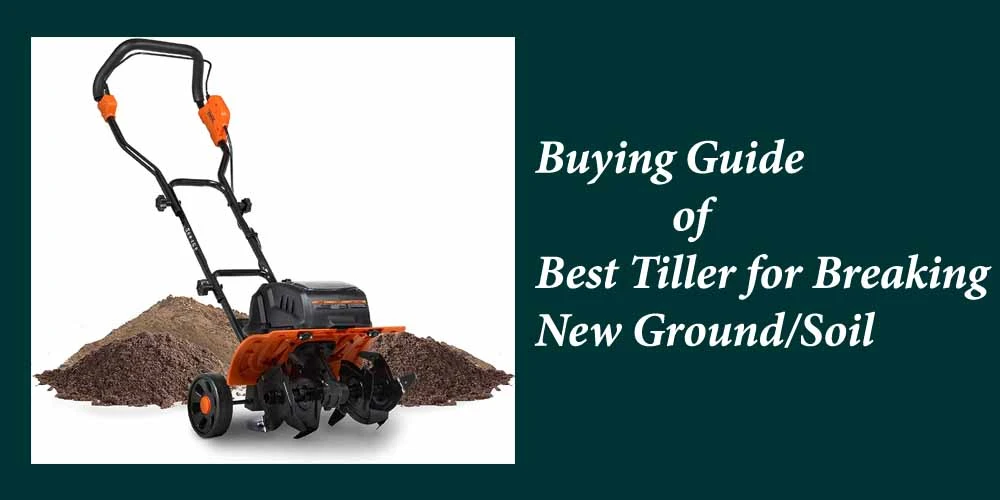
The tiller market in 2026 segments cleanly into distinct categories, and the biggest buying mistake gardeners make is purchasing the wrong category entirely. A mini cultivator on new ground accomplishes nothing. A rear-tine gas tiller on a small raised bed garden is expensive overkill. Match the machine to the actual task before you look at features or price.
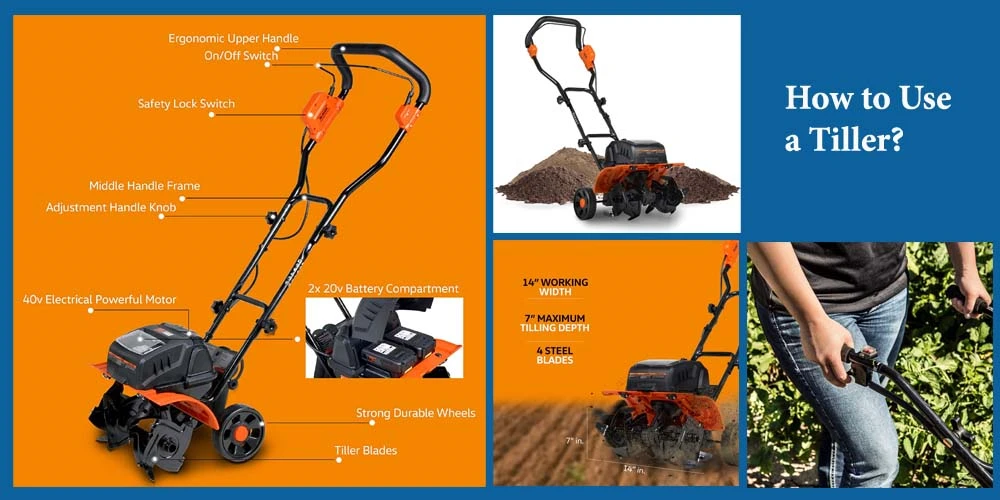
Tine position determines what a tiller is actually capable of. Front-tine tillers place the rotating tines ahead of the engine, with the operator guiding the machine from behind. They work well in loose or previously tilled soil, are lighter and less expensive, and handle established garden beds effectively. The machine tends to bounce or skim on hard compacted ground rather than digging in.
Rear-tine tillers place the tines behind the engine and drive wheels. The engine weight sits over the front of the machine while the tines work behind, which dramatically improves digging depth and traction on hard soil. Counter-rotating rear tines are the specific configuration for breaking new ground — they rotate opposite to the direction of travel, driving downward into the earth rather than pushing against it. If you're breaking untouched soil, counter-rotating rear tines are non-negotiable. Standard forward-rotating rear tines work well in previously tilled ground but lack the downward bite for virgin soil.
Mini cultivators work the top few inches of already-loose soil. They're for maintenance — weeding, aeration, amendment incorporation — not ground breaking. Don't buy a mini cultivator expecting it to break new ground.
Engine displacement directly determines how much resistance a tiller can overcome. As a practical guide for 2026:
2-cycle versus 4-cycle matters operationally. 4-cycle engines (Mantis 7940 Honda, Earthquake Versa, MC440) don't require fuel mixing, run quieter, and generally last longer. 2-cycle engines (MC43) are lighter for a given displacement but need premixed fuel. For occasional users, either works. For regular seasonal users, 4-cycle is the better long-term choice.
Tilling width determines how many passes you make and how long the work takes. Narrow widths (6–12 inches) give you precision between established plants but extend total working time on large plots. Wide widths (16–21 inches) cover ground faster but can't thread into tight rows.
Tilling depth is critical for new ground work. Breaking soil to 6 inches achieves basic loosening. Reaching 8–10 inches allows for serious root zone improvement, proper drainage channel creation, and deep amendment incorporation. For a true new-ground project, prioritize a machine that reaches at least 8 inches of depth — shallower tilling leaves a dense hardpan layer below the tilled zone that restricts root growth regardless of how good your surface amendments are.
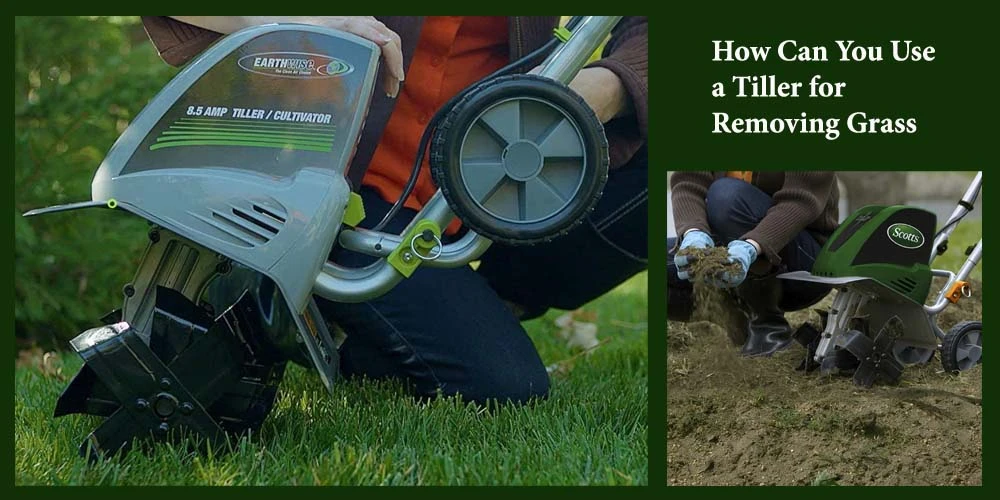
Electric tillers — corded models like the Sun Joe TJ604E and WEN TC1014 — are the right choice for gardens within cord reach of an outlet, areas where noise or fumes are concerns, and gardeners who want zero engine maintenance. They're typically less expensive upfront, start immediately in any weather, and deliver consistent power throughout use. Their limitation is absolute: no cord reach means no tilling.
Gas tillers are the choice for large properties, remote garden plots, heavy soil conditions, and users who need real ground-breaking power. They require more maintenance — annual oil changes, air filter cleaning, carburetor checks before storage — but they deliver power levels that corded electric machines can't approach. The YARDMAX 18-inch rear-tine is a gas-only machine by necessity: no electric motor produces equivalent torque at a practical weight and price.
Battery-powered tillers exist but aren't represented in this roundup for 2026 — current battery technology still struggles to sustain the continuous high-current draw of extended tilling without dramatic performance fade. Check back in a year or two; battery density is improving fast.
The YARDMAX 18-in. 212cc Rear Tine Tiller is the best option for breaking genuinely new, compacted ground. Its counter-rotating rear tines and 212cc OHV engine provide the downward bite and sustained torque needed to fracture soil that hasn't been tilled before. For medium-sized plots with moderately compacted soil, the Earthquake Versa 20015 (99cc front-tine) is a more practical and less expensive alternative. Electric tillers are not the right tool for breaking new ground — reserve those for established garden maintenance.
A tiller is designed to break and turn soil to significant depth — typically 6 to 12 inches — and is used for initial ground preparation, creating new beds, and deep amendment incorporation. A cultivator works shallower (2 to 4 inches typically) and is used for maintenance tasks like weeding between rows, loosening surface crust, and lightly mixing in fertilizer. Many machines market themselves as "tiller/cultivator combos," and the Earthquake Versa 20015 legitimately covers both roles. Dedicated rear-tine tillers do not function well as cultivators, and dedicated mini cultivators cannot break new ground.
Rear-tine tillers are substantially better for hard soil. The tine placement behind the drive wheels means the machine's weight helps keep the tines in the ground rather than being pushed up by soil resistance. Counter-rotating rear tines specifically are engineered for hard ground — they drive downward into the soil rather than skimming the surface. Front-tine tillers work well in already-loose or previously tilled soil but lose effectiveness quickly as soil hardness increases. For hard clay or new ground, a rear-tine machine with counter-rotating tines is the only practical gas-powered option under 250cc displacement.
Electric tillers can break new ground in light-to-moderate soil conditions — specifically, sandy or loamy soil that has decent structure and no heavy clay content. The Sun Joe TJ604E at 13.5 amps and 370 RPM will handle reasonably cooperative soil on a new bed. However, heavy clay soil, compacted soil with established grass root networks, or soil with significant rock content will overload electric motor circuits and damage the machine over time. For those conditions, you need gas power. If you're unsure about your soil, rent a rear-tine gas tiller for initial breaking and switch to electric for all ongoing maintenance cultivation.
Till to a minimum of 8 inches when breaking new ground, and 10–12 inches is better if your machine can reach it. This depth matters for two reasons: it fully breaks the hardpan layer that restricts root penetration, and it allows proper drainage channel formation below the planting zone. Shallow tilling — 4 to 6 inches — creates a false sense of preparation; your plants' roots will grow quickly through the loose tilled layer and hit the undisturbed hardpan below, stunting growth. Double-pass tilling (running the machine over the area twice at 90-degree angles) improves both depth and thoroughness, especially with front-tine machines.
After tilling, rake out large clods, rocks, and root fragments. Work in organic matter — compost, aged manure, or other amendments — to a depth of 6 to 8 inches; newly broken soil benefits enormously from organic content that improves both drainage and nutrient retention. Allow the soil to settle for a few days before planting if time allows; freshly tilled soil is often too loose for good seed-to-soil contact. For established vegetable gardens, incorporating compost before tilling each season builds long-term soil structure. If you're starting fresh, consider testing soil pH before planting — newly broken ground can be significantly acidic or alkaline depending on your region.
 |
 |
 |
 |

About Christina Lopez
Christina Lopez grew up in the scenic city of Mountain View, California. For eighteen ascetic years, she refrained from eating meat until she discovered the exquisite delicacy of chicken thighs. Christina is a city finalist competitive pingpong player, an ocean diver, and an ex-pat in England and Japan. Currently, she is a computer science doctoral student. Christina writes late at night; most of her daytime is spent enchanting her magical herb garden.


Get new FREE Gifts. Or latest free growing e-books from our latest works.
Disable Ad block to reveal all the links. Once done, hit a button below
|
|
|
|
 rinjal