reviewed by Christina Lopez
What if the single most powerful soil amendment available was also the safest one to use? Worm castings for fertilizer answer that question directly — and our team has spent years applying them across everything from kitchen herb pots to full-scale raised bed systems, with results that consistently outpace synthetic alternatives. If anyone wonders why certain gardens produce abundantly year after year without heavy chemical inputs, the answer almost always involves strong soil biology. Worm castings are the fastest, most reliable way to build that biology from the ground up. For more hands-on product comparisons, our gardening reviews section covers tools and amendments we've personally tested.
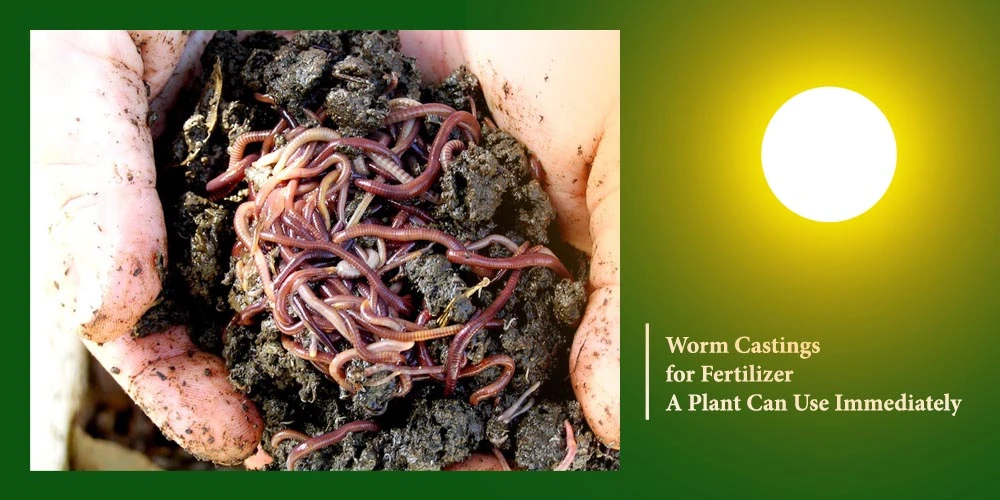
Worm castings are the digested organic material that earthworms excrete after processing soil and decaying matter through their gut. That biological transformation produces something the soil genuinely craves — a slow-release, microbe-rich input packed with plant-available nutrients and humic acids. According to Wikipedia's entry on vermicompost, earthworm castings contain significantly higher concentrations of nitrogen, phosphorus, and calcium than standard topsoil, alongside diverse microbial communities that drive long-term soil health. These aren't marginal improvements. They represent a fundamentally different class of soil amendment.
Our team has tested dozens of organic inputs over the years — compost teas, kelp meal, bone meal, fish emulsion — and worm castings remain our top pick for gardeners who want reliable results without burning roots or disrupting soil pH. They perform equally well in containers, raised beds, and in-ground plots. Anyone looking to combine castings with other natural feeding strategies will find our guide on using rice water as a plant fertilizer a practical companion — the two methods stack well together for a zero-cost feeding program.
Contents
The most direct application method is blending castings into planting beds before sowing or transplanting. Our team recommends incorporating 10–20% worm castings by volume into the top 4–6 inches of soil. In a raised bed, that translates to roughly one to two inches of castings tilled through each layer. This creates an inoculated root zone that nourishes seedlings from the very first day — with none of the chemical shock that most synthetic starters carry.
Side-dressing established plants is equally effective and our preferred mid-season technique. Spreading a half cup of castings around the drip line of each plant, then watering thoroughly, allows nutrients to migrate downward through the soil profile over several weeks. Our team repeats this every four to six weeks during peak growing season for vegetable crops, and we've found that frequency hits the sweet spot between cost efficiency and visible growth response.

Worm casting tea amplifies the fertilizer effect by cultivating the microbial population from a small volume of castings into a large, biologically active liquid solution. The process involves steeping one cup of castings in a gallon of non-chlorinated water for 24 hours, ideally with an aquarium air stone keeping the mix oxygenated throughout. The result is a biologically charged liquid that roots and foliage absorb almost immediately upon application.
Our team applies casting tea as both a soil drench and a foliar spray every two weeks during active growth. As a foliar treatment, leaves absorb nutrients directly through their stomata — bypassing the soil entirely. This approach is particularly useful for container plants or herbs showing early signs of deficiency, where time matters and waiting for soil uptake isn't practical.

Our team has run side-by-side trials in tomato beds — one half amended with worm castings, the other with a conventional synthetic fertilizer at the recommended label rate. The castings side consistently produced earlier fruit set, darker foliage, and measurably better resistance to fungal pressure during humid stretches. We attribute that disease suppression directly to the beneficial bacterial and fungal populations the castings introduce to the root zone — populations that synthetic inputs simply cannot replicate.
In herb gardens, the improvement in aromatic intensity is the most striking result. Basil, thyme, and oregano grown in castings-amended soil produce noticeably more essential oils, which translates directly to stronger flavor and fragrance. Our complete herb directory covers growing conditions for dozens of culinary and medicinal varieties, and worm castings consistently improve outcomes across nearly all of them. This is one amendment our team recommends without hesitation for anyone running a kitchen garden.
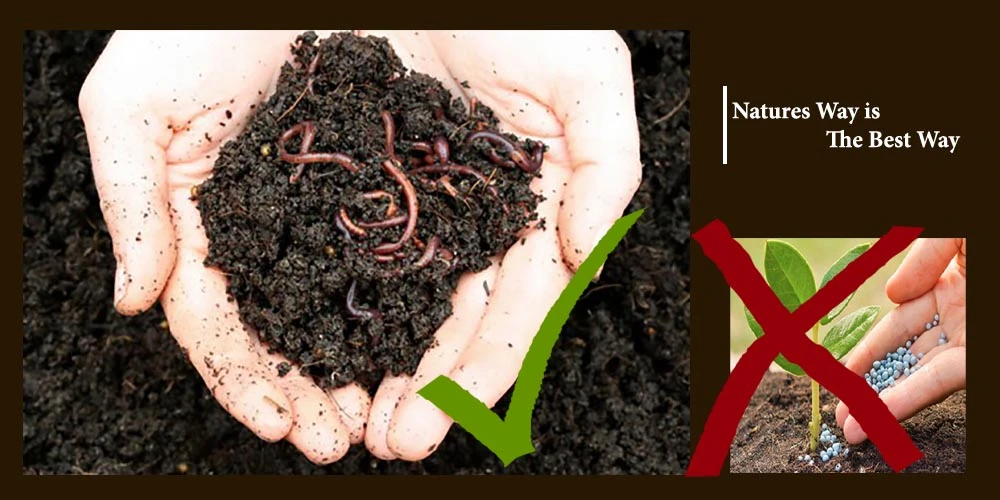
Containers present a distinct set of challenges: nutrients leach with every watering cycle, and synthetic fertilizers leave behind salt accumulation that gradually burns root systems over time. Worm castings address both problems simultaneously. Their slow-release mechanism means nutrients persist between watering events, and their salt index is essentially zero — eliminating the root-burn risk entirely regardless of how heavily they're applied.
Our team adds a quarter cup of castings to the top layer of soil in each container at the start of the growing season, then repeats mid-season. Plants that previously required monthly synthetic feeding maintain vigorous, healthy growth on that schedule alone. For potted specimens struggling with degraded potting mix, worm castings are the single most reliable rehabilitation tool we've encountered in years of testing.

Worm castings store well under the right conditions, but improper storage destroys the microbial populations that make them valuable. Our team keeps castings in breathable fabric bags or loosely sealed containers — never in airtight plastic bins, which suffocate aerobic bacteria within days. The target moisture level resembles a wrung-out sponge: damp but not wet. Too dry and the microbes die off. Too wet and anaerobic conditions develop, producing ammonia odors and eliminating the beneficial organisms that matter most.
Pro insight: Castings that smell like ammonia have gone anaerobic — spread them thinly in a shaded spot and let them air out for 24 hours before applying them to plants.
Temperature control matters equally. Castings stored between 50–75°F maintain biological activity longest. Both freezing temperatures and direct sunlight degrade microbial communities quickly, so a cool garage shelf or basement corner is the ideal storage location for most home operations.
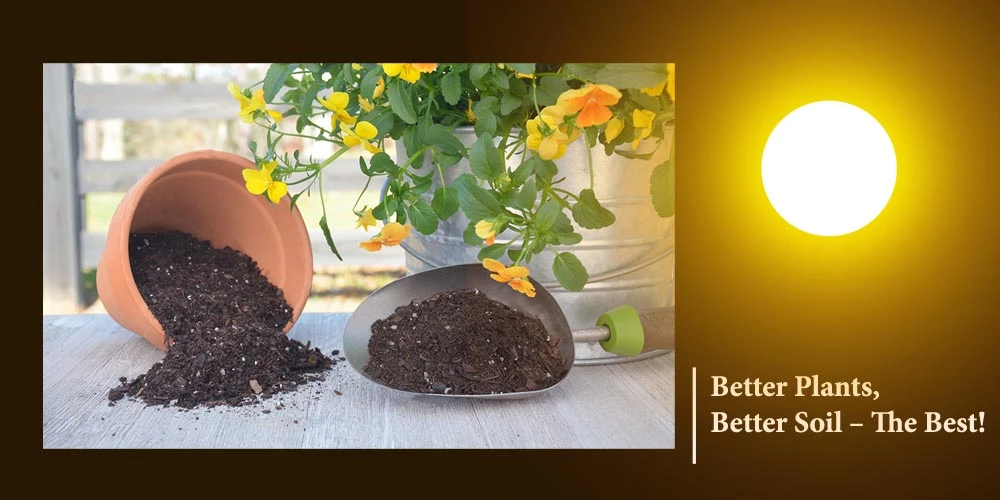
Fresh castings remain biologically active for roughly six months under proper storage conditions. Beyond that window, microbial counts decline significantly, though nutrient content stays largely intact. Our team reactivates older castings by mixing in water with a small amount of unsulfured molasses — the sugar feeds residual bacteria and restores measurable microbial activity within 48 hours. This technique proves particularly useful when sourcing bulk castings that may have spent extended time in warehouse storage before purchase.
For anyone wanting to explore the science of vermicomposting and soil biology in more depth, our curated list of the best composting books includes several titles that cover worm biology and soil ecology in rigorous, practical detail.
Commercial worm castings typically run $15–$40 for a 15-pound bag, depending on brand and organic certification status. That's more expensive per pound than most synthetic fertilizers — but the comparison fundamentally misses the point. Castings don't just feed plants. They inoculate soil with living organisms, improve physical structure, and support long-term biological activity that compounds across multiple growing seasons. The true value sits in that compounding effect, not the nutrient analysis printed on the label.
Home vermicomposting systems require roughly $50–$80 in startup costs — a bin, bedding material, and a starter colony of red wigglers. After that, kitchen scraps do all the heavy lifting. Most home systems produce several pounds of finished castings per month, which is more than sufficient to maintain a modest garden. The return on investment becomes substantial by the second season, and the quality consistently surpasses anything available in a bag.
| Amendment | Cost per lb | Application Rate | Approx. Cost per 4×8 Bed | Burn Risk |
|---|---|---|---|---|
| Worm Castings (commercial) | $1.50–$2.50 | 10–20% by volume | $12–$25 | None |
| Home Vermicastings | Near $0 | 10–20% by volume | Near $0 | None |
| Balanced Synthetic (10-10-10) | $0.30–$0.60 | 1 lb per 100 sq ft | $0.15–$0.30 | Moderate–High |
| Bagged Compost | $0.10–$0.30 | 2–3 inches tilled in | $3–$8 | None |
| Fish Emulsion | $1.00–$2.00 | 1 tbsp per gallon water | $2–$5 | Low |
The most common error our team encounters is under-application. Worm castings are not a trace amendment — they need to constitute a meaningful percentage of soil volume to produce visible results. A small sprinkle on the surface of a large container simply won't accomplish much. Our standard recommendation — a minimum of 10% by volume for new plantings — gives the microbial population enough density to colonize surrounding soil and drive genuine growth responses rather than marginal ones.
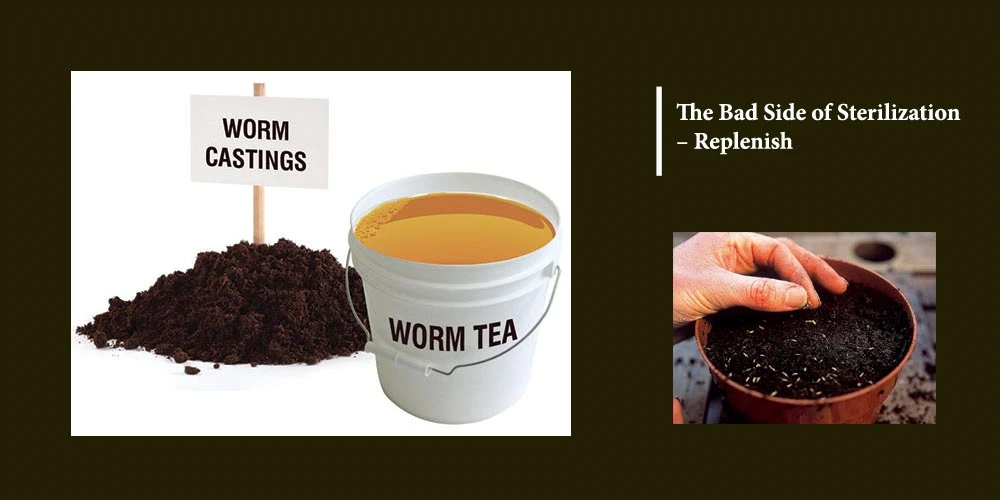
The second major mistake is purchasing sterilized castings. Some manufacturers heat-treat their product to extend shelf life or satisfy import regulations. Sterilized castings retain nutrient content but lose all biological activity — which eliminates the most valuable part of the product entirely. The label matters. Always look for terms like "live," "active," or "unsterilized" before committing to a purchase, and be skeptical of any product that makes no mention of microbial content.
Quality castings smell like fresh forest earth — clean, faintly sweet, with none of the sour or ammonia notes that signal anaerobic degradation. The texture should be slightly granular and aggregated, reflecting the physical passage through a worm's digestive tract. Overly uniform, powdery products have typically been processed in ways that destroy that aggregate structure along with much of the biological value it supports.
Our team also watches for excessive moisture or visible mold on commercial products — both indicate poor handling during packaging or distribution. When quality uncertainty is a persistent concern, producing castings at home through a basic vermicomposting setup eliminates that variable entirely. The output is consistently fresher and more biologically active than anything available through retail channels.
No — worm castings carry a salt index of essentially zero, which means they cannot burn roots or foliage regardless of the application rate. This makes them one of the few soil amendments that can be applied directly to root zones and seed beds without dilution or any protective buffer.
Our team recommends a full soil amendment at planting time, followed by surface top-dressing every four to six weeks throughout the active growing season. For casting tea applications, a biweekly schedule works well for most vegetable and herb crops and keeps microbial populations consistently elevated in the root zone.
In most situations, yes — particularly for the microbial contribution. Worm castings carry a far higher concentration of beneficial microorganisms per gram than typical finished compost, and they release nutrients more slowly and predictably. Using both together produces the strongest results: bulk compost for soil structure and volume, castings for biological inoculation and nutrient availability.
Worm castings typically analyze somewhere between 1-0-0 and 2-2-2 depending on what feedstock the worms processed. Those numbers look modest compared to synthetic fertilizers, but NPK ratios don't capture the humic acids, enzymes, growth hormones, or microbial diversity that make castings genuinely effective. The biological contribution consistently outweighs the raw nutrient profile.
Our team has applied worm castings successfully to vegetables, herbs, fruit trees, container plants, lawns, and houseplants without adverse effects of any kind. The one situation worth monitoring is with plants that strongly prefer acidic, low-nutrient conditions — certain acid-loving species may need soil pH checked periodically when castings are applied heavily over multiple seasons.
Vermicompost is the broader product — it includes worm castings mixed with partially decomposed bedding material and other organic inputs. Pure worm castings are the actual excretions of the worm itself. Pure castings carry higher nutrient density and microbial activity per gram, but vermicompost is easier to produce in meaningful quantities at home and still delivers strong, consistent results in the garden.
 |
 |
 |
 |

About Christina Lopez
Christina Lopez grew up in the scenic city of Mountain View, California. For eighteen ascetic years, she refrained from eating meat until she discovered the exquisite delicacy of chicken thighs. Christina is a city finalist competitive pingpong player, an ocean diver, and an ex-pat in England and Japan. Currently, she is a computer science doctoral student. Christina writes late at night; most of her daytime is spent enchanting her magical herb garden.


Get new FREE Gifts. Or latest free growing e-books from our latest works.
Disable Ad block to reveal all the links. Once done, hit a button below
|
|
|
|
 rinjal