Did you know that the same tropical flower brightening your garden fence could also lower your blood pressure, support your liver, and help you shed stubborn weight? Understanding hibiscus health uses and benefits transforms this ornamental plant from a pretty face into one of the most versatile herbs you can grow at home. Whether you already tend a plants and herbs garden or you're just discovering what hibiscus can do, this guide covers everything from medicinal science to practical DIY recipes — and the real costs involved.

Hibiscus (Hibiscus sabdariffa and Hibiscus rosa-sinensis) belongs to the Malvaceae family and thrives in tropical and subtropical climates. But you don't need a tropical backyard to enjoy it — container growing and indoor setups work perfectly. The real story here goes far beyond the garden bed. Research from multiple peer-reviewed studies confirms hibiscus delivers measurable effects on cardiovascular health, metabolic function, and even bacterial infections.
Below, you'll find a complete breakdown of how to use every part of this plant, what the science actually says, which myths to ignore, and a step-by-step guide to making your own hibiscus preparations at home.
Contents
Hibiscus health uses and benefits span far beyond a simple cup of tea. Every part of the plant — flowers, leaves, calyxes, and roots — serves a different purpose. Here's how people around the world put hibiscus to work.
Hibiscus tea (made from dried calyxes) is the most popular preparation. It delivers a tart, cranberry-like flavor and packs a serious nutritional punch:
You can drink it hot or cold. In Mexico, it's called agua de jamaica. In Egypt, it's karkade. In West Africa, it's bissap. Same plant, same benefits, different names. If you enjoy exploring herbal beverages, you might also appreciate the health benefits of agave nectar as a natural sweetener for your hibiscus tea.
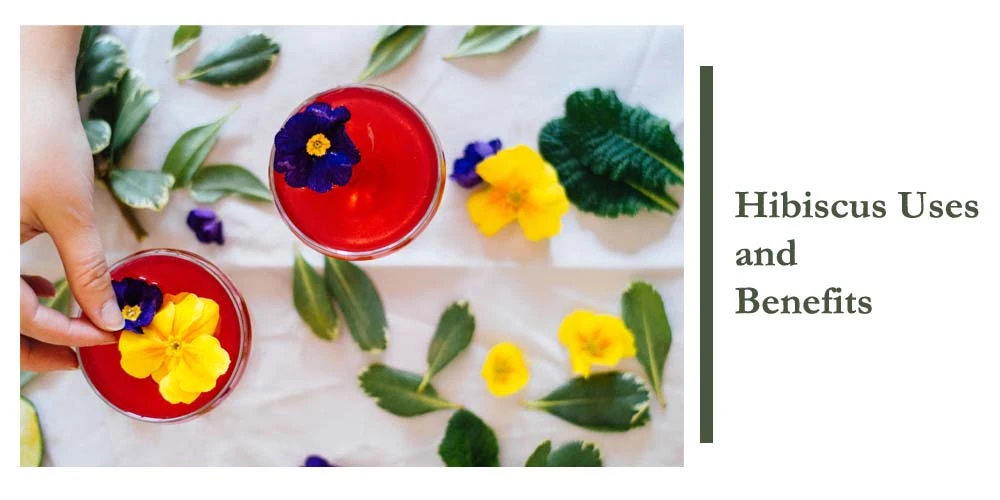
Hibiscus has earned the nickname "botox plant" in some Ayurvedic traditions — and while that's an exaggeration, the topical benefits are real:

Beyond teas, hibiscus calyxes work in jams, syrups, sauces, and salads. The tart flavor pairs well with citrus and ginger. Dried petals can be ground into a powder and added to smoothies, oatmeal, or baked goods. In some Southeast Asian cuisines, hibiscus leaves are cooked as a vegetable, similar to spinach.
Pro tip: When harvesting hibiscus for culinary use, pick the calyxes (the fleshy red parts around the seed pod) — not the petals. The calyxes hold the flavor and the nutrients.
Before you invest in hibiscus — whether growing it or buying products — you should know what you're getting into financially. The price range varies wildly depending on the form.
| Product Type | Average Cost | Servings / Duration | Cost Per Serving |
|---|---|---|---|
| Dried hibiscus flowers (1 lb) | $8–$14 | ~90 cups of tea | $0.09–$0.16 |
| Hibiscus tea bags (20 ct) | $4–$7 | 20 cups | $0.20–$0.35 |
| Hibiscus capsules (120 ct) | $12–$20 | 60–120 days | $0.10–$0.33 |
| Hibiscus powder (8 oz) | $10–$16 | ~45 servings | $0.22–$0.36 |
| Hibiscus hair oil (100 ml) | $8–$15 | 30–50 applications | $0.16–$0.50 |
| Live hibiscus plant | $5–$25 | Years of harvest | Pennies |
A single hibiscus plant costs between $5 and $25 at most nurseries. Once established, it produces flowers for years with minimal input — just sunlight, water, and occasional fertilizer. Compare that to buying dried flowers at $10+ per pound repeatedly.
The math is clear: if you use hibiscus regularly (3+ times per week), growing your own pays for itself within the first season. Container growers can bring plants indoors during cold months, extending the harvest window. If you're new to container gardening, check out this guide on growing mint in containers — many of the same principles apply to hibiscus.
The one exception is capsule supplements. Unless you invest in a capsule-filling machine and standardize your own dosage, buying pre-made capsules makes more sense for consistent therapeutic dosing.
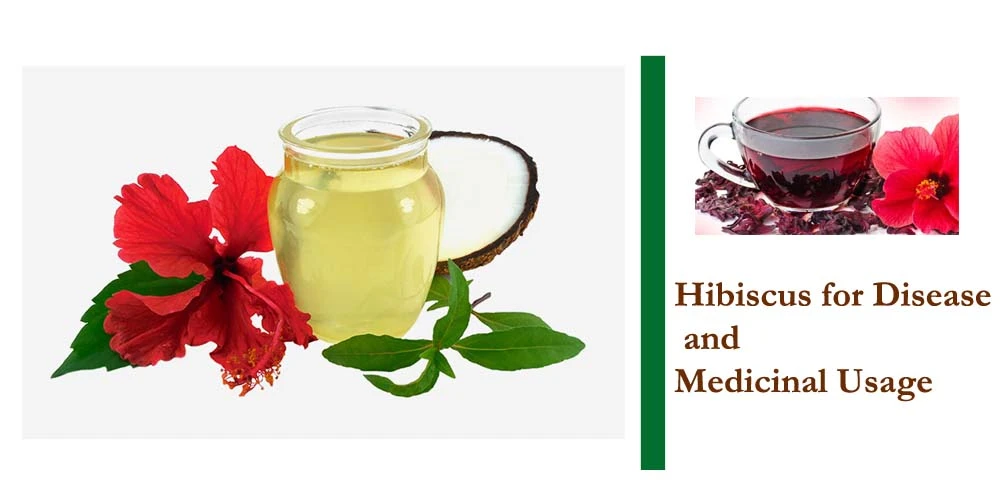
Not every hibiscus preparation requires the same skill level. Here's where to start based on your experience.
Basic Hibiscus Tea:
Simple Hair Rinse:
These recipes require zero specialized equipment. You can start today with nothing more than a pot, a strainer, and some dried flowers.
Once you're comfortable with the basics, try these:
If you're already working with herbal preparations, you'll find hibiscus pairs well with other remedies. The same careful extraction principles apply whether you're working with hibiscus or essential oils for joint pain relief.
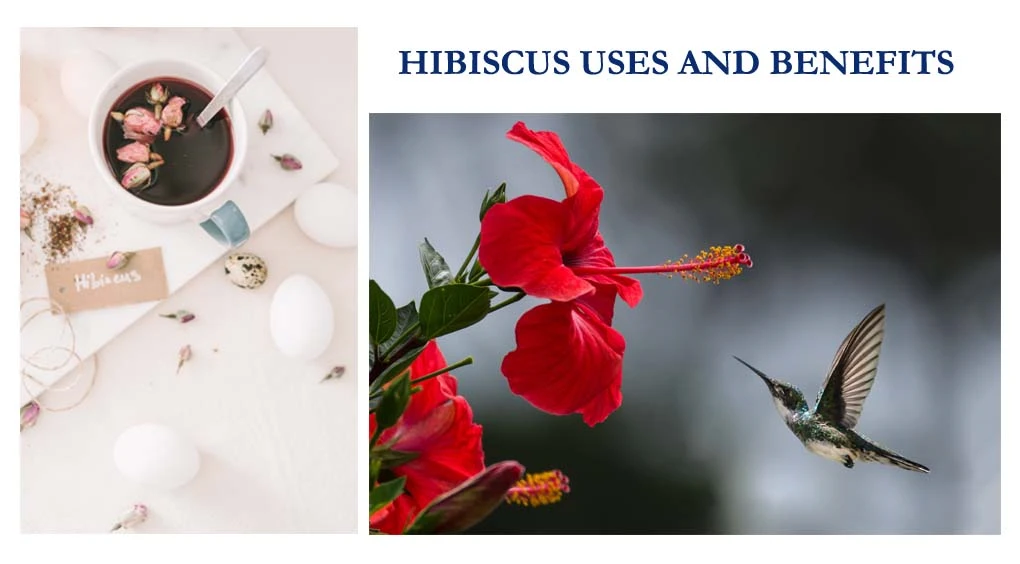
The internet is full of exaggerated claims about hibiscus. Let's separate what's proven from what's not.
Myth #1: Hibiscus cures diabetes.
Reality: Some animal studies show hibiscus extract may improve insulin sensitivity, but no clinical trial has established it as a diabetes treatment. It may support blood sugar management as part of a broader protocol — it does not replace medication.
Myth #2: All hibiscus species are medicinal.
Reality: There are over 300 species of hibiscus. The two with the most research backing are Hibiscus sabdariffa (roselle) for internal use and Hibiscus rosa-sinensis for topical applications. Your ornamental garden hibiscus may not deliver the same compounds.
Myth #3: Hibiscus tea is completely safe for everyone.
Reality: Hibiscus can lower blood pressure and interact with certain medications, including hydrochlorothiazide and acetaminophen. Pregnant women should avoid it entirely — according to the National Center for Complementary and Integrative Health, hibiscus may affect hormone levels and is not recommended during pregnancy.
Myth #4: Drinking more hibiscus tea means faster results.
Reality: Most studies showing benefits used 1–3 cups per day. Excess consumption can cause stomach upset, dizziness, or liver stress. More is not better.
Myth #5: Hibiscus alone causes significant weight loss.
Reality: Research suggests hibiscus extract may inhibit amylase (a starch-digesting enzyme), which could reduce carbohydrate absorption. But the effect is modest. Hibiscus supports weight management — it doesn't replace diet and exercise.
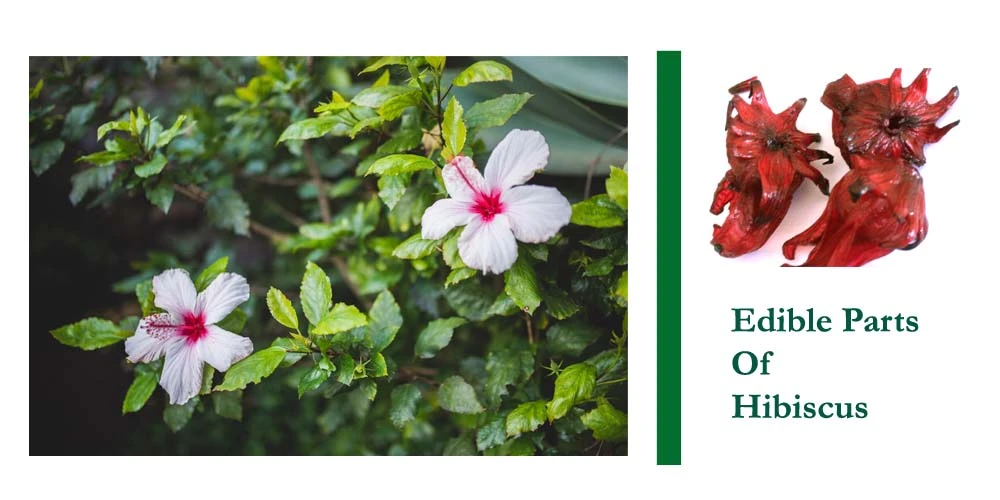
Growing your own hibiscus gives you the freshest, most potent material for teas, tinctures, and topical applications. Here's how to do it right.
For H. sabdariffa, harvest the calyxes when they're plump and deep red — typically 3 weeks after the flower drops. For H. rosa-sinensis, pick flowers and leaves in the morning after the dew dries.
Drying methods:
Store dried hibiscus in airtight glass jars away from direct light. Properly stored, dried calyxes retain potency for up to 12 months.
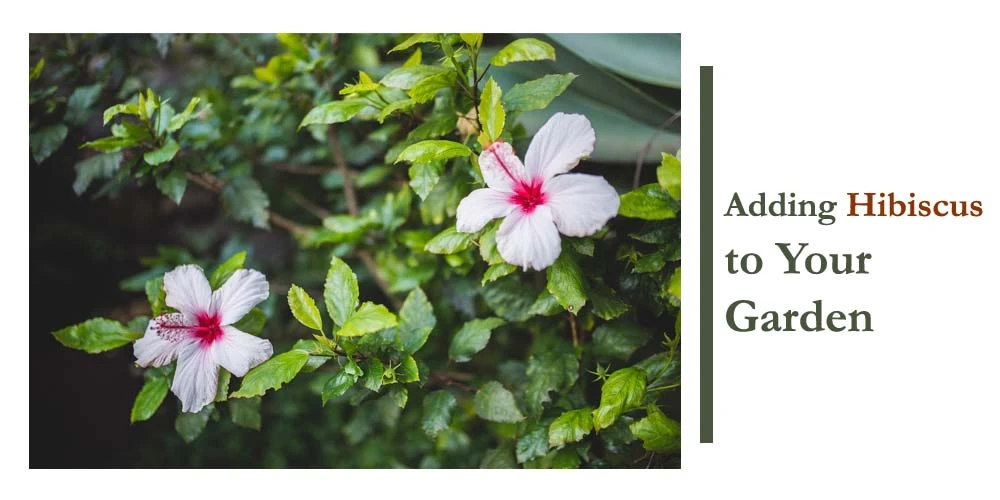
The real hibiscus health uses and benefits show up over time, not overnight. Consistency matters far more than intensity.
Here's a sustainable routine you can maintain long-term:
Track how you feel over 4–8 weeks. Blood pressure changes from hibiscus tea typically become measurable within 2–6 weeks of consistent daily use. Hair and skin improvements take longer — expect 8–12 weeks before visible changes.
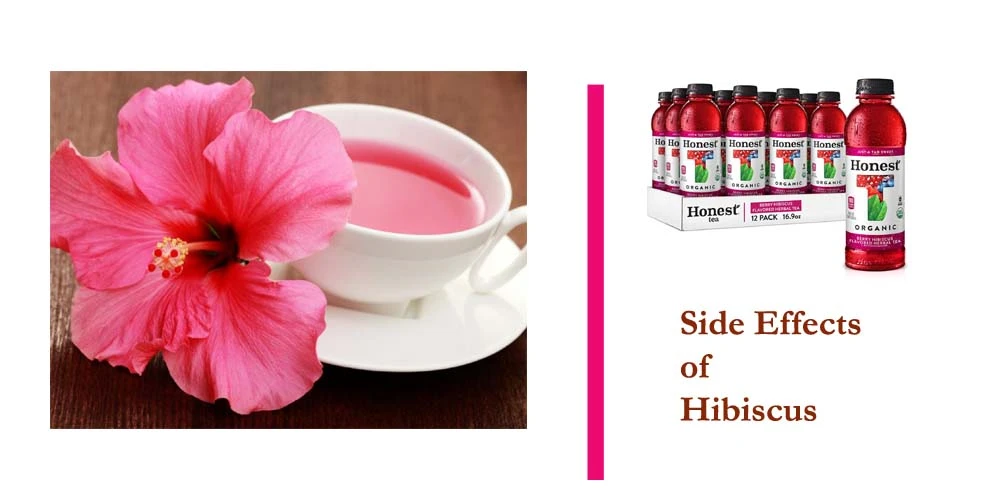
Hibiscus is generally safe for most adults when consumed in food amounts. However, you need to be aware of these considerations:
The bottom line: moderate, consistent use is safe and effective for most people. When in doubt, start with one cup per day and increase gradually.
Stick to 1–3 cups per day. Most clinical studies showing cardiovascular benefits used this range. Drinking more than 3–4 cups daily increases the risk of stomach upset and may interact with medications.
Yes, but make sure you're using Hibiscus sabdariffa (roselle) specifically. Many ornamental garden hibiscus varieties don't have the same flavor or concentration of beneficial compounds. Confirm the species before consuming.
Hibiscus tea may support weight management by inhibiting amylase and reducing carbohydrate absorption. However, the effect is modest. It works best as part of a balanced diet and regular exercise, not as a standalone weight loss solution.
Hibiscus has mild natural pigments that can deposit a reddish tint on very light or bleached hair. If you have color-treated hair, do a strand test first. On dark hair, hibiscus rinses are safe and add shine without altering color.
Properly dried and stored in airtight glass containers away from direct sunlight, dried hibiscus calyxes maintain potency for up to 12 months. After that, the flavor and nutrient content begin to degrade. Freeze for longer storage.
Yes. Hibiscus rosa-sinensis grows well indoors in containers with at least 6 hours of bright light (south-facing window or grow lights). Maintain humidity above 50% and water when the top inch of soil feels dry. Indoor plants flower less prolifically but still produce usable leaves and blooms.
 |
 |
 |
 |

About Christina Lopez
Christina Lopez grew up in the scenic city of Mountain View, California. For eighteen ascetic years, she refrained from eating meat until she discovered the exquisite delicacy of chicken thighs. Christina is a city finalist competitive pingpong player, an ocean diver, and an ex-pat in England and Japan. Currently, she is a computer science doctoral student. Christina writes late at night; most of her daytime is spent enchanting her magical herb garden.


Get new FREE Gifts. Or latest free growing e-books from our latest works.
Disable Ad block to reveal all the links. Once done, hit a button below
|
|
|
|
 rinjal