Agave nectar delivers a low-glycemic sweetening option packed with trace minerals, antioxidants, and prebiotic compounds — making it a standout among plant-derived sweeteners. Understanding agave nectar health benefits starts with recognizing the succulent's deep roots in traditional medicine and modern nutritional science. Harvested from the same plants and herbs family that includes ornamental garden favorites like Agave geminiflora and Agave striata, this nectar bridges the gap between horticulture and holistic wellness.

Derived primarily from Agave tequilana (Blue Weber) and Agave salmiana, the nectar is extracted from the piña — the plant's dense, carbohydrate-rich core — then filtered and heated at low temperatures to produce a syrup roughly 1.5 times sweeter than table sugar. That increased sweetness means less volume per serving, which directly reduces caloric intake when used as a one-to-one replacement.
The composition skews heavily toward fructose (70–90%), with smaller fractions of glucose and trace amounts of inulin-type fructans. Those fructans act as soluble fiber, feeding beneficial gut bacteria and supporting digestive regularity. Combined with a glycemic index between 15 and 30 (depending on processing), agave nectar occupies a unique niche for blood-sugar-conscious consumers who still want natural sweetness in their diet.
Contents
Integrating agave nectar into a daily routine requires more precision than simply swapping it for sugar. The higher fructose concentration means the body metabolizes it differently — primarily through the liver rather than spiking blood glucose directly. This characteristic makes it functional, but portion control remains non-negotiable.
Those who grow their own medicinal plants — such as the insulin plant — often pair agave nectar with herbal teas as part of a broader glycemic management strategy.
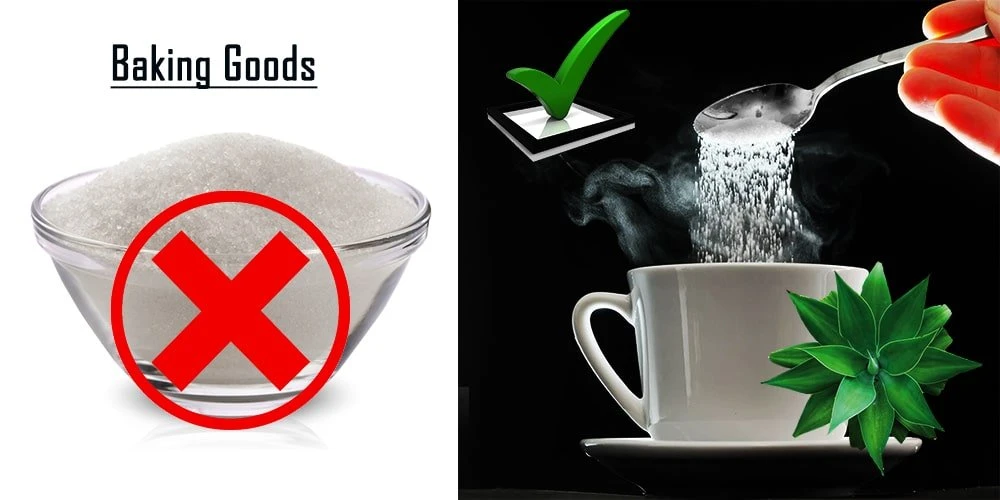
Agave nectar performs well in applications where honey crystallizes or molasses overpowers:
Pro tip: Dark agave nectar contains higher concentrations of calcium, potassium, and magnesium than the light variety. Reserve light agave for delicate flavors and use dark for robust recipes where mineral content matters.
The agave nectar health benefits become clearest when stacked against competing natural sweeteners. Each has a distinct metabolic fingerprint, and no single option dominates every category.
| Sweetener | GI | Cal/tbsp | Fructose % | Key Minerals | Dissolves Cold |
|---|---|---|---|---|---|
| Agave Nectar (light) | 15–19 | 60 | 85–90% | Ca, K, Mg | Yes |
| Agave Nectar (dark) | 25–30 | 60 | 70–75% | Ca, K, Mg, Fe | Yes |
| Raw Honey | 58 | 64 | 40% | B vitamins, Zn | No |
| Maple Syrup (Grade A) | 54 | 52 | 1% | Mn, Zn, Ca | Partial |
| Coconut Sugar | 35 | 45 | 4% | K, Fe, Zn | No |
| Stevia Extract | 0 | 0 | 0% | None | Yes |
| Date Syrup | 47 | 60 | 30% | K, Mg, Cu | No |
Flavor neutrality is agave's competitive advantage. Where honey introduces floral overtones and molasses dominates with bitterness, agave delivers clean sweetness:
Gardeners already familiar with plant-derived compounds — such as those explored in ginger root CO2 essential oil extraction — recognize that processing method directly impacts nutrient retention. The same principle applies to agave: raw, low-temperature processing preserves more fructans and antioxidants than high-heat commercial methods.

Agave nectar is not a universal substitute. Its metabolic pathway — liver-processed fructose — makes it excellent in some contexts and problematic in others.
Those cultivating aloe plants indoors already understand the medicinal value of succulent-family species. Agave extends that paradigm from topical application to internal nutrition.
Warning: Labels reading "agave syrup" instead of "agave nectar" often indicate higher-heat processing with reduced nutrient retention. Always check for raw or low-temperature certifications on packaging.
Misinformation around agave nectar health benefits runs deep. Separating marketing claims from clinical evidence requires looking at the actual research.
The most persistent criticism equates agave fructose with high-fructose corn syrup (HFCS). The comparison is structurally misleading:
The fructose content warrants caution, not avoidance. Moderate intake within recommended daily limits produces no adverse metabolic markers in otherwise healthy adults.
Not all agave products are created equal. The market spans a wide quality spectrum:
The distinction between categories 1–2 and category 3 represents the difference between a functional food and a refined sweetener. Always verify processing temperature on the label or manufacturer's website.
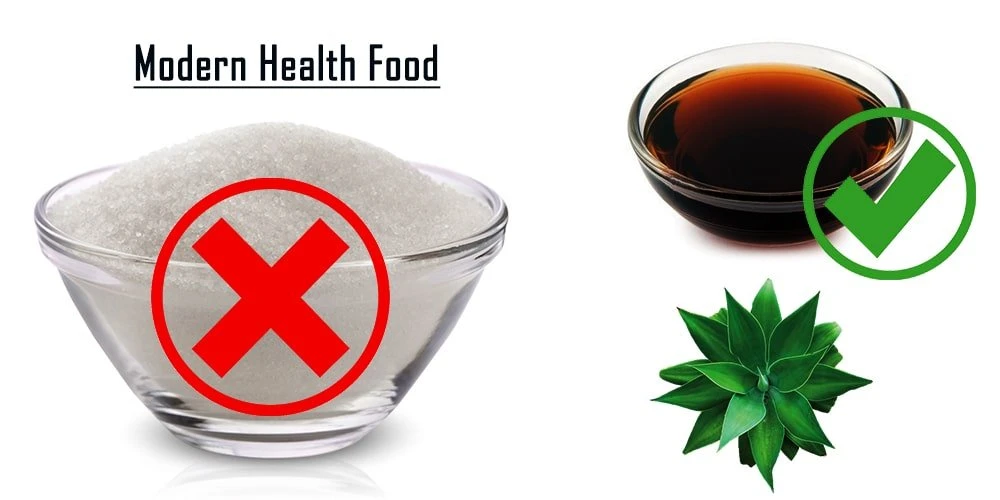
Gardeners who cultivate herbs like mint in containers for herbal infusions often pair fresh leaves with agave-sweetened drinks — a combination that delivers both flavor and digestive benefits from complementary plant compounds.
Proper sourcing and storage directly impact how much nutritional value agave nectar retains over time. Degradation begins the moment the bottle opens.
Agave nectar's high sugar concentration gives it natural antimicrobial properties, but improper storage still degrades quality:
Home growers interested in the broader agave family can explore cultivating species like Agave salmiana — the same species used for traditional aguamiel production in central Mexico.
Agave nectar earns its place in a health-conscious pantry when sourced carefully and used within daily limits — but it demands the same informed approach as any concentrated plant extract. Start by replacing one daily sugar source with raw or low-temperature agave nectar, track the response over two weeks, and adjust from there. For those already cultivating agave species in the garden, exploring the nutritional side of these remarkable succulents adds another dimension to an already rewarding plant family.
 |
 |
 |
 |

About Truman Perkins
Truman Perkins is a Detroit-based SEO consultant who's been in the business for over a decade. He got his start helping friends and clients get their websites off the ground, and he continues to do so today. In his free time, Truman enjoys learning and writing about gardening - something he believes is a natural stress reliever. He lives with his wife, Jenny, and their twins in Detroit.


Get new FREE Gifts. Or latest free growing e-books from our latest works.
Disable Ad block to reveal all the links. Once done, hit a button below
|
|
|
|
 rinjal