Last summer, after weeks of deadheading lavender in the backyard, I noticed something unexpected during a routine checkup — my blood pressure readings had dropped noticeably compared to the previous quarter. My doctor wasn't surprised; she pointed to a growing body of research linking certain plant-derived compounds to cardiovascular benefits. That experience sent me down the rabbit hole of essential oils for high blood pressure, and as someone who already grows many of these herbs and aromatic plants, it felt like a natural extension of what the garden was already providing.
Hypertension affects roughly one in three adults worldwide, and while pharmaceutical interventions remain the frontline treatment, complementary approaches have gained traction among those seeking a more holistic path. Essential oils extracted from plants you can grow in your own garden — lavender, ylang-ylang, clary sage, and others — contain bioactive compounds that influence vascular tone, stress hormones, and autonomic nervous system activity. None of this replaces medical advice, but understanding how these plant extracts interact with your body gives you a powerful supplementary tool.
What follows is a practical, experience-driven guide to selecting, using, and maintaining essential oils for cardiovascular support, written from the perspective of someone who grows the source plants and distills some of these oils at home.
Contents
Several peer-reviewed studies demonstrate that specific essential oils produce measurable reductions in both systolic and diastolic blood pressure when used consistently. Lavender oil, for instance, has been shown to lower cortisol levels and reduce sympathetic nervous system activity, both of which contribute directly to elevated blood pressure readings. A study published by the National Institutes of Health found that inhaling a blend of lavender, ylang-ylang, and bergamot significantly reduced psychological stress responses and serum cortisol levels in hypertensive patients.
Ylang-ylang works through a slightly different mechanism, acting on the parasympathetic nervous system to slow heart rate and promote vasodilation. When you combine these oils with clary sage, which contains linalyl acetate — a compound known to relax smooth muscle tissue in arterial walls — you create a synergistic blend that addresses multiple pathways simultaneously. The key insight is that these oils work best as part of a multi-pronged approach, not as standalone replacements for prescribed medication.
Essential oils cannot reverse advanced arterial stiffness, correct structural heart issues, or replace ACE inhibitors for someone with stage 2 hypertension. They function best as stress-management and mild vasodilatory aids for people whose elevated readings are partially driven by chronic tension, poor sleep, or autonomic imbalance. If you approach them with realistic expectations, they become a genuinely useful component of your cardiovascular toolkit rather than a source of disappointment.
Important: Never discontinue prescribed blood pressure medication in favor of essential oils without consulting your physician. These extracts are complementary tools, not replacements for evidence-based pharmacotherapy.
Not all essential oils carry equal weight when it comes to cardiovascular support, and sorting through dozens of options without guidance wastes both time and money. From years of growing aromatic herbs and testing their extracts, I've narrowed the field to oils with consistent research backing and practical availability for home growers and buyers alike. If you already use a quality ultrasonic diffuser for aromatherapy, you have the primary delivery tool you need to get started with most of these.
| Essential Oil | Primary Mechanism | Best Application | Grow Difficulty | Evidence Strength |
|---|---|---|---|---|
| Lavender | Cortisol reduction, anxiolytic | Diffusion, topical | Easy | Strong |
| Ylang-Ylang | Parasympathetic activation | Diffusion, bath | Moderate (tropical) | Strong |
| Clary Sage | Smooth muscle relaxation | Topical, diffusion | Easy | Moderate |
| Bergamot | Stress hormone modulation | Diffusion | Moderate | Moderate |
| Sweet Marjoram | Vasodilation | Topical massage | Easy | Moderate |
| Neroli | Autonomic balance | Diffusion | Hard (citrus tree) | Emerging |
| Frankincense | Anti-inflammatory, calming | Diffusion, topical | Not home-grown | Emerging |
Lavender and ylang-ylang remain the two most well-studied options, and they happen to blend beautifully together. Sweet marjoram is the underrated workhorse in this list — easy to grow in most garden zones, drought-tolerant once established, and its oil has demonstrated vasodilatory properties that rival more expensive options.
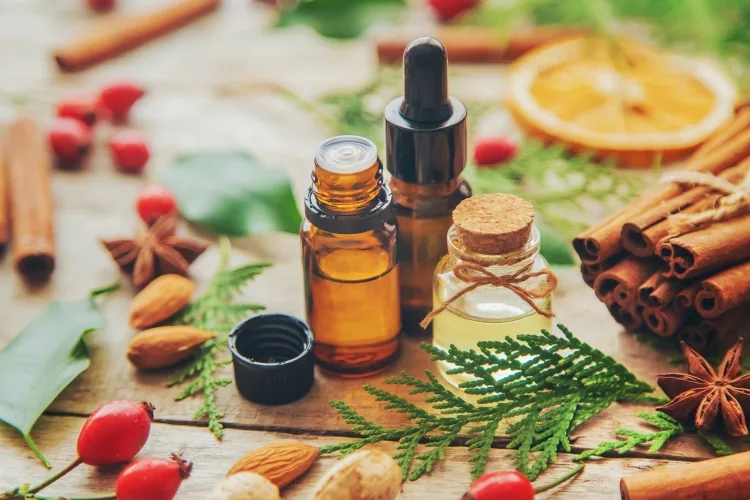
Inhalation through a cold-air diffuser remains the most effective delivery method for blood pressure benefits, because volatile compounds reach the olfactory bulb within seconds and trigger immediate neurological responses. Run your diffuser for 30-minute sessions rather than continuously — your olfactory receptors adapt to constant exposure, which diminishes the therapeutic effect over time. Evening sessions before bed produce the most consistent blood pressure reductions, as they compound with your body's natural nighttime parasympathetic shift.
Topical application works well for oils like sweet marjoram and clary sage, but you must dilute them in a carrier oil at a ratio of roughly 12 drops per ounce of jojoba or fractionated coconut oil. Apply to pulse points on the wrists, behind the ears, and along the neck where blood vessels run close to the surface. This isn't aromatherapy folklore — transdermal absorption of lipophilic compounds through thin skin is well-documented pharmacology.
Heat, light, and oxygen are the three enemies of essential oil potency, and most people store their bottles in exactly the wrong place — a sunlit bathroom shelf or a kitchen counter near the stove. Store all essential oils in dark glass bottles inside a cool, dry cabinet, ideally between 15–25°C. Citrus-derived oils like bergamot oxidize faster than herb-derived oils; expect 12–18 months of peak potency for citrus versus two to three years for lavender and frankincense when stored properly.
The most frequent mistake is assuming that more oil equals better results, which leads people to use undiluted oils on skin or run diffusers at maximum concentration for hours. Concentrated application causes skin sensitization and headaches that actually raise blood pressure through a stress response — the exact opposite of your goal. Stick to the standard dilution ratios and timed diffusion sessions described above, and resist the urge to escalate dosage when you don't see immediate results.
Another common error is blending too many oils together without understanding their interactions. A three-oil blend of lavender, ylang-ylang, and bergamot is well-studied and synergistic; adding five more oils to the mix doesn't multiply the benefit but does increase the risk of adverse reactions. Simplicity and consistency outperform complexity every time in this domain.
Pro tip: Keep a dedicated "blood pressure blend" pre-mixed in a 10ml roller bottle so you maintain the same ratio every application rather than eyeballing drops each time.
The essential oil market is plagued by adulteration — synthetic linalool added to lavender oil, or cheap fractionated oils sold as pure therapeutic-grade extracts. If you grow herbs like lavender and marjoram in your garden, you already know what these plants smell like in their natural state; that sensory familiarity becomes your first line of defense against fake products. For oils you cannot produce at home, purchase only from suppliers who provide GC/MS (gas chromatography–mass spectrometry) test results for each batch, as this is something worth being aware of alongside other plant safety concerns.
The real value of essential oils for high blood pressure emerges over weeks and months of consistent use, not from occasional sessions when you remember. Build your oil routine around existing habits to ensure adherence — a morning topical application during your regular skincare routine and an evening diffusion session while you read or wind down for bed. This habit-stacking approach eliminates the friction that causes most people to abandon complementary therapies within the first month.
Rotate your primary oil every four to six weeks to prevent olfactory habituation and maintain sensitivity to the compounds. A practical rotation schedule looks like this:
Purchase an affordable home blood pressure monitor and take readings at the same time each day — morning readings before coffee or exercise provide the most consistent baseline. Log your oil usage alongside your readings in a simple spreadsheet or notebook so you can identify which blends and application methods produce the most noticeable shifts for your individual physiology. After 90 days of consistent tracking, patterns emerge that no general guide can predict for you personally, because individual responses to volatile organic compounds vary significantly based on genetics, stress load, and overall health status.
Pair your essential oil practice with other evidence-based lifestyle modifications — regular walking, reduced sodium intake, adequate sleep, and stress management techniques — to maximize the cumulative cardiovascular benefit. The oils work best when they're part of a comprehensive approach rather than carrying the entire burden alone.
Start with a single oil — lavender is the safest and most accessible entry point — and commit to 30 days of consistent evening diffusion sessions while tracking your blood pressure readings at home. Once you see your own data confirming what the research suggests, expanding your routine with complementary oils like ylang-ylang and sweet marjoram becomes a confident, informed decision rather than a leap of faith. Your garden already holds many of these plants; now you have the knowledge to put them to work for your heart.
 |
 |
 |
 |

About Christina Lopez
Christina Lopez grew up in the scenic city of Mountain View, California. For eighteen ascetic years, she refrained from eating meat until she discovered the exquisite delicacy of chicken thighs. Christina is a city finalist competitive pingpong player, an ocean diver, and an ex-pat in England and Japan. Currently, she is a computer science doctoral student. Christina writes late at night; most of her daytime is spent enchanting her magical herb garden.


Get new FREE Gifts. Or latest free growing e-books from our latest works.
Disable Ad block to reveal all the links. Once done, hit a button below
|
|
|
|
 rinjal