The health benefits of charcoal ash are well-established in garden practice. Charcoal ash raises soil pH, delivers potassium and calcium, and creates conditions where beneficial microbes flourish. Gardeners working across plants, herbs, and farming have relied on it for generations as a simple, low-cost soil amendment that produces measurable results in struggling beds.
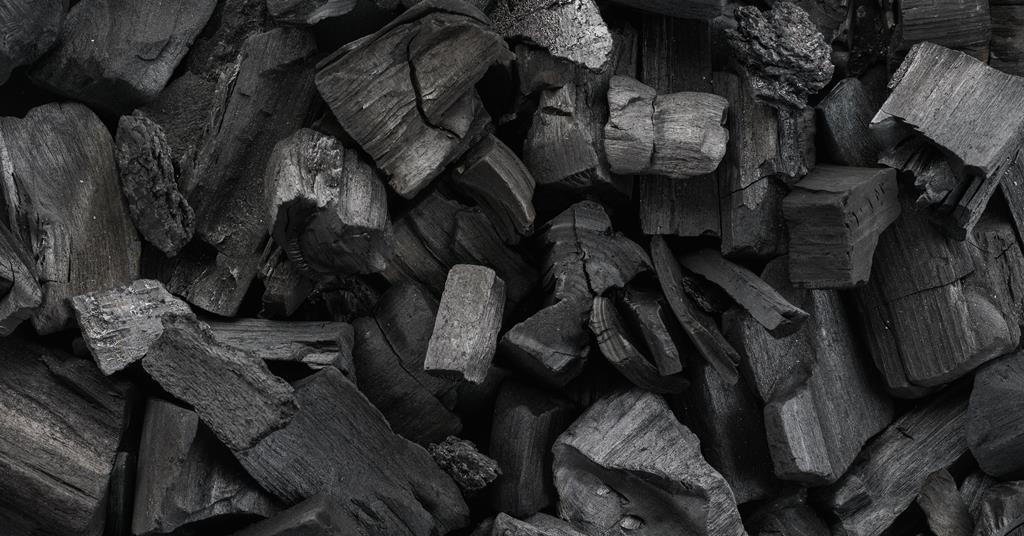
Two related materials often come up together: charcoal and charcoal ash. Charcoal — sometimes called biochar (a term for charcoal produced specifically for soil use) in gardening contexts — is the solid, porous carbon material left after wood burns without full combustion. Charcoal ash is the fine grey powder that remains after charcoal or wood burns further. Both improve soil, but they do it differently and at different rates. Understanding which to use, and when, prevents the most common mistakes.
This guide covers how each material works across real garden settings, how to apply them step by step, which best practices protect the soil, and which tools make the process cleaner and safer.
Contents
Charcoal ash isn't a cure-all. But used in the right setting, it solves real problems fast. Here's where the health benefits of charcoal ash show up most clearly when put to practical use.
Vegetables and herbs grown in acidic soil often struggle — slow growth, yellowing leaves, and poor yields are common signs. Charcoal ash corrects this by gradually raising pH toward the 6.0–7.0 range that most vegetables prefer. The effect isn't immediate, but most gardeners see visible improvement within one full growing season.
Charcoal ash also delivers calcium, which helps prevent blossom-end rot in tomatoes and tip burn in lettuce. Autumn application gives the ash time to integrate before spring planting, which produces more even results than applying right before seeds go in. The mineral content makes it especially appealing to gardeners who want to reduce dependence on synthetic inputs.
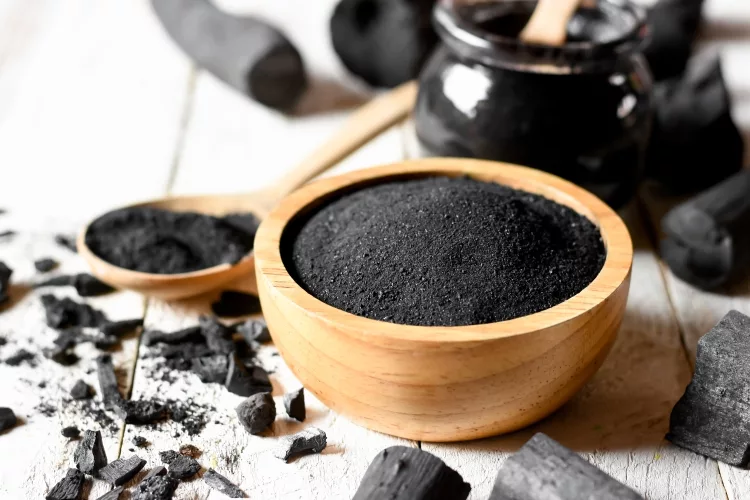
Fruit trees planted in compacted or heavy clay soil benefit from both forms of charcoal. Solid biochar mixed into the planting hole improves aeration and long-term water retention. Charcoal ash spread around the drip line — the outer edge of the tree's canopy, where feeder roots are most active — delivers surface-level nutrients without disrupting deep root systems.
According to Wikipedia's overview of wood ash, ash has been used as a traditional soil amendment in temperate agriculture for centuries, valued for its mineral content and liming effect on acidic soils.
Never apply charcoal ash to soil already above pH 7.5 — it can lock out key nutrients and stress plant roots more than it helps them.
Raised beds offer more precise control over soil composition than in-ground gardens. A small amount of charcoal ash blended into a quality soil mix for raised beds can fine-tune drainage and buffer pH in a contained space. Because the volume is smaller, results are faster and easier to monitor.
In containers, solid charcoal pieces placed at the bottom layer help prevent waterlogging and reduce root rot risk over time. Some growers mix roughly one tablespoon of ash per gallon of potting mix to maintain stable pH across the season. Keeping amounts small in containers avoids the alkalinity spikes that are harder to correct in a confined growing environment.
The process isn't complicated, but a few measured steps make the difference between a helpful amendment and a problem that takes seasons to fix.
Before adding any ash, testing soil pH is not optional — it's the whole foundation. Charcoal ash is strongly alkaline, with a pH typically between 9 and 12. Applied to soil that's already neutral or alkaline, it causes nutrient lockout, stunted growth, and wilting. A reliable soil pH tester removes the guesswork and protects existing plants.
The right dose depends on current soil pH, bed size, and plant type. The table below provides general guidance:
| Current Soil pH | Recommended Ash Rate | Application Method | Frequency |
|---|---|---|---|
| Below 5.5 (very acidic) | Up to 1 lb per 10 sq ft | Dig into top 4–6 inches | Once per season |
| 5.5–6.0 (slightly acidic) | ½ lb per 10 sq ft | Scratch into surface | Once per season |
| 6.0–6.9 (near neutral) | Small amounts only | Mix with compost first | Every other season |
| 7.0 and above | None recommended | Use solid biochar instead | N/A |
Starting with half the recommended amount in the first season is the safest approach. Soil pH can be raised much faster than it can be lowered, and overcorrection is a common beginner mistake that can persist for years.
Choose a calm, still day for application. Charcoal ash is extremely fine and light — wind carries it far and the particles irritate eyes, skin, and lungs. Spread the ash evenly across the soil surface using a slow, sweeping motion, then rake or till it into the top 4–6 inches to prevent it from washing away or blowing off. Water lightly after incorporation to help the minerals begin releasing into the soil profile.
Pre-mixing charcoal ash with finished compost before spreading is one of the smartest techniques — the compost buffers alkalinity and prevents concentrated hot spots that can damage shallow feeder roots.
Getting consistent results from charcoal ash means treating it as one part of a larger soil-care routine — not a shortcut or standalone solution.
Charcoal ash pairs naturally with organic matter. Mixing it into finished compost before application distributes it evenly and moderates its alkalinity. Compost also provides a broad spectrum of nutrients that ash alone cannot deliver, making the two materials genuinely complementary rather than redundant.
Gardeners who regularly compost tea bags and kitchen scraps can add a small amount of ash directly to the pile. It supports microbial activity and speeds up decomposition slightly. The key is keeping amounts modest — a light, consistent hand produces better long-term results than heavy one-time doses.
A few common mistakes undermine the benefits entirely:
Only pure hardwood charcoal ash or natural wood ash is suitable for garden beds. The source material matters as much as the application rate.
No specialized equipment is needed. But the right basic tools make application more consistent, safer, and far less messy.
Most gardeners already own what's needed for small to medium beds. A stiff garden rake or hand cultivator works for incorporating ash into the topsoil. A hand trowel handles targeted application around individual plants. For larger plots, a broadcast spreader can distribute ash more evenly than hand-scattering — though ash's low weight requires the lowest flow setting to avoid over-application in one spot.
Charcoal ash is fine, dry, and alkaline. Prolonged contact irritates skin, and inhaling the dust can cause respiratory irritation. Basic protective gear is strongly recommended any time ash is handled in quantity.
Store ash in a sealed container between applications. Exposed ash absorbs moisture quickly and loses its powdery consistency, making it much harder to spread evenly when it's needed next.
Charcoal ash raises soil pH in acidic conditions, adds potassium and calcium, and supports the microbial communities that help plants absorb nutrients. The result is stronger root development, better nutrient uptake, and reduced incidence of calcium-deficiency disorders like blossom-end rot.
They are closely related but not identical. Wood ash comes from burning raw wood directly. Charcoal ash comes from burning charcoal — wood that has already undergone partial combustion. Both are alkaline and mineral-rich, but charcoal ash tends to be finer and slightly more concentrated in its liming effect.
Acid-loving plants like blueberries, azaleas, rhododendrons, and camellias should never receive charcoal ash. It raises soil pH in a way that directly damages their root systems and blocks the acidic nutrients they depend on. Even small amounts can cause lasting harm over multiple seasons.
Once per growing season is the standard recommendation for most beds with acidic soil. More frequent application risks over-alkalizing the soil, which can take years to correct. Testing pH before each application is the safest and most reliable guide for timing.
No. Charcoal ash provides potassium and calcium but contains no nitrogen or phosphorus, both of which plants need for healthy growth. It works best as a soil conditioner and pH amendment used alongside compost or a balanced organic fertilizer — not as a replacement for either.
Biochar is a specific form of charcoal produced at carefully controlled temperatures in low-oxygen conditions, designed to maximize its porous structure and microbial benefits in soil. Regular charcoal can still improve soil, but biochar offers more consistent performance because the production process is standardized for agricultural use.
Only if the grill used pure hardwood or natural lump charcoal with no additives. Commercial charcoal briquettes contain chemical binders, coal dust, and lighter fluid residues that are harmful to soil biology. When in doubt, it's safer to source ash from a wood-burning fireplace or fire pit using untreated hardwood.
Charcoal ash repays the gardener who tests before applying and adds a little at a time — patience and a light hand will always outperform the heavy-handed approach.
 |
 |
 |
 |

About Christina Lopez
Christina Lopez grew up in the scenic city of Mountain View, California. For eighteen ascetic years, she refrained from eating meat until she discovered the exquisite delicacy of chicken thighs. Christina is a city finalist competitive pingpong player, an ocean diver, and an ex-pat in England and Japan. Currently, she is a computer science doctoral student. Christina writes late at night; most of her daytime is spent enchanting her magical herb garden.


Get new FREE Gifts. Or latest free growing e-books from our latest works.
Disable Ad block to reveal all the links. Once done, hit a button below
|
|
|
|
 rinjal