reviewed by Truman Perkins
If you want our top pick right now, the Palram – Canopia 6x4 Hybrid Greenhouse is the one to beat — it was named Best Overall Greenhouse Kit by Better Homes and Gardens in 2024, and the twin-wall polycarbonate roof does a genuinely impressive job protecting plants without cooking them. But the right small greenhouse for your yard depends on space, budget, and how serious you are about year-round growing — so keep reading.
Small greenhouses have exploded in popularity since 2020, and in 2026 the market is better than ever. Whether you've got a tiny balcony, a narrow side yard, or just want something you can move around, there's a size and style that fits. A good small greenhouse extends your growing season by weeks (sometimes months), protects seedlings from late frosts, and gives you a warm, sheltered space to start seeds even in the coldest months. If you're also putting together a full setup, check out our roundup of the 15 best seed starter kits — they pair perfectly with any of the options below.
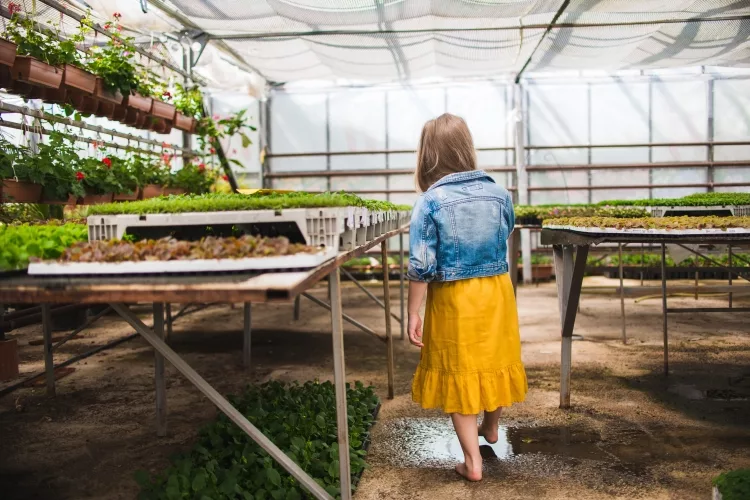
We reviewed seven of the top-selling small greenhouses on Amazon, ranging from compact 4-tier mini shelters to full walk-in polycarbonate structures. Each one was evaluated on build quality, ease of assembly, ventilation, weather resistance, and value. You'll find everything from budget-friendly pop-up options to heavy-duty aluminum-framed structures built to last a decade or more. For more options across different sizes and styles, browse our full gardening reviews section. According to the Wikipedia overview of greenhouses, the core principle — trapping solar radiation to create a warm microclimate — applies equally to a $60 mini shelf and a $600 polycarbonate structure. The difference is in how well each design executes that principle.
Contents





This is the greenhouse that consistently tops "best of" lists, and after looking closely at the design, it's not hard to see why. The Palram – Canopia uses two different polycarbonate panel types in a single structure: twin-wall panels on the roof to diffuse intense sunlight and reduce heat buildup, plus crystal-clear panels on the walls to let in over 90% of available light. That combination does a much better job of mimicking ideal growing conditions than a single-panel design. The powder-coated aluminum frame resists oxidation, and the galvanized steel base adds real structural stability — this isn't something that'll shift and sag after one windy season.
Assembly follows a sliding panel system with pre-drilled holes in the base for anchoring (you'll need to supply your own anchors). The door can be hung left or right depending on your layout, which is a small but genuinely useful touch. Rain gutters are built in, so you won't have water pooling at the base and undermining the foundation over time. This 6x4 footprint is manageable for most backyards — it's small enough to fit in a tight space but large enough to actually walk into and work comfortably.
The only real drawback is price. This is one of the more expensive options on this list. But if you're serious about gardening and want something that holds up year after year without constant maintenance, the Palram – Canopia earns every dollar. Better Homes and Gardens agreed — they named it the Best Overall Greenhouse Kit of 2024.
Pros:
Cons:
If you're working with a narrow side yard, a fence line, or a wall you want to make use of, the Outsunny lean-to design is a smart pick. The lean-to style means one side attaches to or leans against an existing wall or fence, cutting the footprint in half compared to a freestanding structure. You get the same 6x4 walk-in interior but without needing open space on all four sides. That's a significant advantage in urban and suburban gardens where space is genuinely at a premium.
The frame is aluminum alloy with a galvanized steel base, and the transparent polycarbonate panels do a solid job of retaining heat and blocking UV rays. Four ground stakes are included for added stability — important for a lean-to since you'll often have wind pushing against the unsupported side. The sliding door is a nice touch; it doesn't swing out and take up space the way a hinged door does. The adjustable roof vent and built-in rain gutter round out a thoughtful feature set for a mid-range price.
The lean-to design does limit where you can place it. You need a solid wall or fence to lean against, and that wall needs to be in the right spot relative to sunlight. But if your yard allows it, this is one of the most space-efficient walk-in greenhouses available in 2026.
Pros:
Cons:
Not everyone needs — or has room for — a full walk-in greenhouse. The Outsunny 4-Tier Mini is designed for gardeners who want to protect a collection of pots and seed trays without dedicating serious square footage. At roughly 28" wide by 20" deep by 62" tall, it sits neatly in a corner of a patio or against a wall. The four wire shelves give you organized vertical growing space, which is the real selling point here — you can fit a surprising number of seed trays and small pots in a footprint smaller than a refrigerator.
The double-layer roof is an interesting design choice. There's a mesh layer on top for ventilation and to keep small animals out, plus a zip-up PE cover beneath it for warmth and moisture retention. The 140 GSM PE cover is UV-resistant and allows about 85% light penetration — reasonable for seedlings and overwintering plants. The roll-up zipper door with top-fixing straps makes it easy to access your plants without fighting with the cover.
This is clearly a seasonal or starter-level product. The PE cover won't survive brutal winters indefinitely, and the structure isn't as rigid as the aluminum-framed options above. But for the price, it delivers real value — especially if you're just starting out and want to see whether greenhouse growing fits into your routine before investing in something more permanent. Pair it with some quality growing medium from our list of the 13 best potting soils for herbs and you'll have a solid little setup for spring.
Pros:
Cons:
Tunnel greenhouses (also called hoop houses) take a different approach from rigid-frame structures. Instead of panels and aluminum extrusions, you get arched galvanized steel poles covered with a thick PE cover. The result is a structure that's surprisingly spacious and weather-resistant at a relatively affordable price. The VEVOR version here measures nearly 10 feet long by 6.4 feet wide by 6.2 feet tall — that's genuine head room and enough floor space for multiple rows of plants or a couple of raised beds.
VEVOR upgraded the frame on this model with 1-inch diameter reinforced galvanized pipes (0.02" wall thickness), diagonal bars, U-shaped stakes, and tie-down points. That's a meaningful improvement over cheaper tunnel designs that flex and collapse under snow or sustained wind. The 140g/m² PE cover uses double-stitched seams and reinforced window seams — the kind of details that matter when you're relying on the cover to hold up through a harsh winter. Six roll-up windows plus a roll-up door give you good ventilation control.
The tunnel shape does mean you lose some corner space at the edges, and the PE cover will eventually need replacement — that's true of any cover-based greenhouse. But as a high-tunnel solution for serious home gardeners or those who want commercial-scale growing space at home, this is excellent value in 2026. If you use a pump sprayer to manage pests and diseases inside (highly recommended), check out our rundown of the 17 best pump sprayer reviews for compatible options.
Pros:
Cons:
The HOOYEAH 6x4 is a newer entrant in the polycarbonate greenhouse market, and it makes a clear pitch for buyers who've been burned by complicated assembly processes. The brand claims their simplified installation system is 40% faster to assemble than comparable models — a bold claim, but one that holds up based on user feedback. If you've ever spent a full Saturday wrestling with greenhouse poles and unclear instructions, that's a genuinely appealing selling point.
Beyond assembly speed, the core specs are competitive. You get a high-quality aluminum frame engineered to handle year-round outdoor conditions, UV-blocking polycarbonate panels that filter harmful rays while maximizing beneficial sunlight, and a roof air vent for temperature management. The upgraded locking mechanism on the door is more stable than the basic latches you'll find on cheaper models. HOOYEAH is clear that you need to install the reinforcement bar per the manual — that's an important step that some buyers skip and then regret when wind hits.
The 6x4 footprint places this squarely in the same category as the Palram – Canopia, and the comparison is fair. The Palram has the dual-panel advantage and the track record; the HOOYEAH wins on ease of assembly and usually comes in at a lower price. If you want polycarbonate quality without the premium price tag and complicated build, this is a very solid choice for 2026.
Pros:
Cons:
This Outsunny model sits in a useful middle ground between a mini shelf greenhouse and a full-sized walk-in structure. At 56" wide by 29" deep by 76" tall, it's compact enough for small patios but tall enough to stand upright — technically a walk-in design, though it's narrower than a standard doorway. The real value here is the built-in 3-tier shelving system with four wired shelves (two on each side). Most greenhouses of this size make you buy shelving separately; having it built in saves money and makes setup much faster.
The steel frame is rust-resistant and the PE plastic cover does its job protecting plants from wind and light frost. It's not a year-round heavy-duty solution, but for starting seeds in late winter, overwintering tender plants, or extending your autumn growing season by a few weeks, it performs reliably. The zipper door runs the full height of the front panel, making it easy to access all four shelves without contorting yourself.
The PE cover will degrade faster than polycarbonate panels, and this isn't a structure you'd put outside through a brutal northern winter without some extra protection. But for three-season use in moderate climates, it strikes a practical balance between size, storage capacity, and price. It's worth noting that the 29-inch depth means you can't really move around inside — it's more of a tall cabinet you can step into than a true walk-in greenhouse.
Pros:
Cons:
The EAGLE PEAK 8x6 makes a compelling argument for portability as a feature, not a compromise. The patented center-lock technology means the pre-assembled frame sets up in seconds — one person, no tools. If you've ever spent hours threading poles through fabric sleeves on a standard greenhouse, this feels like magic. You can move it to follow the sun, store it when a major storm is coming, or pack it away for winter without dismantling anything. That kind of flexibility is genuinely valuable.
At 8x6 feet, this is the largest footprint on this list, and the heavy-duty powder-coated steel frame is built with more steel than most competitors in the pop-up category. The PE cover is water-resistant, UV-resistant, and plant-safe — designed to maintain humidity and filter sunlight appropriately without leaching anything harmful. Wind ropes and stakes are included for outdoor anchoring. Both the front doors and side windows roll up for ventilation, which is important in summer when temperatures inside a closed greenhouse can spike quickly.
The tradeoff is longevity. Pop-up designs with fabric covers simply don't last as long as polycarbonate-panel structures, and the cover will need replacement eventually. This also isn't the greenhouse you'd buy if you want a permanent fixture in your garden. But for gardeners who value flexibility, have limited storage space for a permanent structure, or want something for seasonal use, the EAGLE PEAK delivers a lot of greenhouse for the money in 2026.
Pros:
Cons:
Before you buy, it helps to be clear on what you actually need. The wrong greenhouse isn't just a waste of money — it's a frustration every time you use it. Here are the four factors that matter most.
The frame is what determines how long your greenhouse lasts. Your main options in the small greenhouse market are:
For a permanent structure you're leaving outdoors year-round, aluminum alloy is the safest long-term investment. For seasonal or portable use, coated steel works fine.
Glazing refers to the transparent covering — panels or fabric — that lets light in and traps heat. Each type has different performance characteristics:
If you're growing year-round in a cold climate, polycarbonate wins easily. If you're using the greenhouse seasonally or want portability, PE covers are fine — just budget for replacement.
Measure your available space before you order. Consider:
A common mistake is buying too small and then wanting to upgrade within a year. If you're on the fence between sizes, go up.
Greenhouses can overheat fast — especially PE-cover designs in direct summer sun. Inadequate ventilation is one of the most common causes of plant loss in greenhouses. Look for:
At minimum, your greenhouse should have one openable vent or window for every few square meters of floor space. If you're growing in summer, you may need to add a small fan or shade cloth regardless of what came with the unit.
For most home gardeners with limited space, a 6x4 ft walk-in greenhouse is a practical sweet spot. It gives you enough room to stand inside and work comfortably, fits most backyard corners, and can accommodate a meaningful number of plants — from seedling trays to full-grown tomato plants. If your space is extremely tight, a 4-tier mini shelf greenhouse (under 3 sq ft footprint) can still protect a useful collection of pots and seedlings without taking over your patio.
For permanent, year-round use — yes, polycarbonate is clearly better. It lasts longer (10+ years vs. 2-5 for PE covers), insulates better in cold weather, and doesn't degrade as quickly under UV exposure. PE fabric greenhouses are lighter, more portable, and more affordable, which makes them a good fit for seasonal use, beginner gardeners, or anyone who needs to move or store the structure. The choice really depends on how you plan to use it.
It depends on the type and your climate. A polycarbonate aluminum-framed greenhouse with a properly anchored base can handle most winter conditions in temperate climates — snow loads, wind, and freezing temperatures. PE-cover designs are more vulnerable and may need additional protection like horticultural fleece inside, or removal and storage during the harshest months. If you're in a very cold climate (USDA zones 3-5), a twin-wall polycarbonate design with supplemental heating will serve you much better than a fabric-cover tunnel.
Most small residential greenhouses don't require a formal foundation, but anchoring is important. Nearly every model on this list includes either pre-drilled base holes for anchor bolts or ground stakes to drive into soil. Proper anchoring prevents the structure from shifting in wind and extends the life of the frame by reducing stress on the joints. For polycarbonate walk-in designs on hard surfaces like concrete or decking, you'll usually bolt the galvanized steel base directly to the surface.
Open every available vent, window, and door during the hottest parts of the day. If your greenhouse has a roof vent, that's your most effective tool — hot air rises and escapes through the top while cooler air enters from below. On really hot days, shade cloth (30-40% shade rating) placed over the outside of the greenhouse can reduce internal temperatures by 10°F or more. A small battery-powered fan inside improves air circulation significantly. In a 6x4 greenhouse, even a basic USB desk fan can make a real difference.
Small greenhouses shine for plants that benefit from a controlled environment: seedlings (starting seeds 6-8 weeks before last frost), herbs like basil, parsley, and cilantro, leafy greens like lettuce and spinach, and tender plants that need frost protection in autumn and winter. Tomatoes, peppers, and cucumbers can also thrive in a walk-in greenhouse if you have the vertical space. In 2026, microgreens have become one of the most popular crops for small greenhouse growers — fast-growing, high-yield, and perfectly suited to shelf-style designs.
 |
 |
 |
 |

About Truman Perkins
Truman Perkins is a Detroit-based SEO consultant who's been in the business for over a decade. He got his start helping friends and clients get their websites off the ground, and he continues to do so today. In his free time, Truman enjoys learning and writing about gardening - something he believes is a natural stress reliever. He lives with his wife, Jenny, and their twins in Detroit.


Get new FREE Gifts. Or latest free growing e-books from our latest works.
Disable Ad block to reveal all the links. Once done, hit a button below
|
|
|
|
 rinjal