The global carrier oil market crossed $3.2 billion in 2025, and olive oil remains the single most searched natural skin ingredient on the planet — ahead of coconut oil, argan oil, and retinol combined. That kind of dominance doesn't happen by accident. Olive oil has been moisturizing skin for over 5,000 years, and modern research backs up every claim ancient Egyptians already knew. Olive oil is loaded with oleic acid, squalene, and vitamins A, D, E, and K — a nutrient stack that outperforms many synthetic moisturizers at a fraction of the price.
Our team spent weeks testing olive oil products across every price point and format — from straight cold-pressed extra virgin bottles to infused cremes and deep conditioners. We paid close attention to how each product absorbed into skin, whether it left residue, how it performed on dry or sensitive skin, and whether it worked equally well on hair. The results were clear: not all olive oils are created equal, and the label "extra virgin" alone doesn't guarantee quality. If olive oil interests anyone searching for a versatile natural beauty oil, our gardening and natural product reviews also cover related carrier oils worth exploring.
In 2026, the options are better than ever — more certifications, cleaner sourcing, and smarter formulations. Whether most buyers are shopping for a basic carrier oil to mix into DIY recipes or a ready-to-use hair treatment, this list covers the full range. We also tested a few standout alternatives like argan oil and avocado oil for buyers who want something slightly lighter or richer depending on their skin type.
Contents





The velona USDA Certified Organic Olive Oil tops our list in 2026 because it delivers exactly what it promises — a 100% pure, unrefined, cold-pressed extra virgin olive oil with zero additives, zero fragrance, and USDA organic certification to back it up. At 4 fl oz, it's sized well for both trial and regular use. The oil has a natural golden-green color and a mild, earthy olive scent that fades quickly on skin. It absorbs reasonably well for an olive oil — not as fast as argan or jojoba, but with none of the heavy grease most buyers worry about.
Our team used it as a makeup remover, massage base, and overnight hand treatment. The results were consistent across all three. It breaks down stubborn eye makeup without tugging, leaves skin noticeably softer the next morning, and blends cleanly into DIY scrubs without clumping. The cold-pressed, unrefined processing means it retains the full vitamin E, polyphenol, and oleic acid content that refined versions lose in heat processing. Anyone comparing it to jojoba or marula oil should read our guide on best jojoba oils for skin and hair — jojoba runs lighter, olive runs richer.
The 4 oz size is a minor limitation for buyers who plan heavy daily use, but for a premium certified organic product, the price-to-quality ratio holds up. No dilution, no GMOs, no alcohol — this is a clean-label pick through and through.
Pros:
Cons:
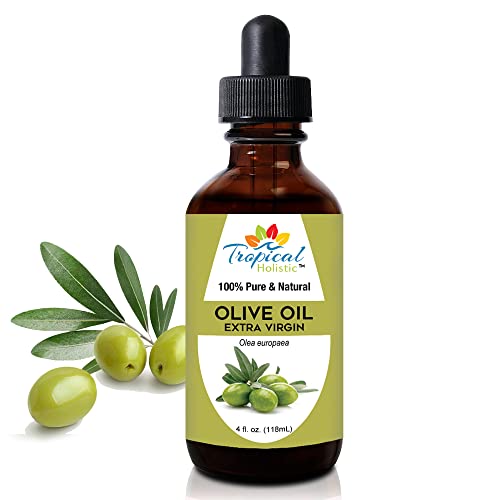
Tropical Holistic sources its extra virgin olive oil from Tunisia, and the origin shows. Tunisian olive oil is consistently rated among the world's best for polyphenol content and freshness — it's not just a marketing claim. This 4 oz bottle has a distinct greenish-yellow color and a genuine earthy olive fragrance. It's unrefined and cold-pressed, preserving everything that makes olive oil valuable for skin: oleic acid for deep moisture, squalene for barrier support, and vitamin E for antioxidant protection.
Our team applied it as a face moisturizer on dry skin types and found it particularly effective as an overnight treatment. It's richer than most buyers expect from a 4 oz bottle — a few drops go a long way. The scent is authentic and noticeable (this is not a deodorized or refined product), which some users will love and others may find strong. For dry scalp treatment, it worked well when massaged in and left for 20 minutes before washing.
The product positions itself strongly for face and skin use, and our testing confirmed that positioning. It's cold-pressed for maximum purity, and the authentic Tunisian sourcing puts it a step above generic olive oil bottles with no stated origin. Most buyers who prioritize sourcing transparency will appreciate the specificity.
Pros:
Cons:
Two 4 fl oz bottles for the price of one. The OKAY brand has built a strong following in the natural hair care market, and this cold-pressed olive oil earns that loyalty. It's designed for universal use — skin, hair, and body — which makes it one of the more versatile picks on this list. The oil absorbs without clogging pores or leaving a greasy film, which is a real differentiator compared to heavier unrefined olive oils.
Our team used it primarily as a post-shower body moisturizer and a pre-wash hair treatment. Applied to damp skin after showering, it locked in moisture effectively without the tacky residue that some olive oils leave behind. On hair, it worked as a deep conditioning treatment for dry or brittle strands — helping with elasticity and reducing breakage over a few weeks of consistent use. It's marketed toward women, men, and baby skin, and based on our testing, the gentle formulation supports that broad claim.
The pack-of-2 value is the standout feature here. Regular daily users will go through a 4 oz bottle fast, and having two bottles stocked removes that friction. The OKAY brand doesn't carry USDA organic certification on this product, so buyers who prioritize certified organic over value pricing may prefer the velona option above.
Pros:
Cons:
We include PURA D'OR's argan oil on this list because argan oil is the most popular olive oil alternative for buyers who find olive oil too heavy. It's USDA Organic, cold-pressed, virgin, and unrefined — the same quality markers that matter in olive oil, applied to argan. At 4 oz, this is a high-concentration product with no dilution and a single ingredient. Rich in vitamin E and essential fatty acids, it absorbs significantly faster than olive oil and leaves zero greasy residue.
Our team tested it on all skin types. On oily or combination skin, it outperformed olive oil by a wide margin — lighter texture, faster dry-down, and no pore-clogging. On dry skin types, it still moisturized effectively, though it doesn't have the deep-penetrating richness of a full olive oil. For hair, it's excellent as a frizz control treatment — a small amount worked through damp hair before drying controlled frizz better than most dedicated frizz serums we tested. Anyone interested in how it compares to other specialty oils should check our rundown of top marula oils — marula runs similarly lightweight with a slightly different fatty acid profile.
PURA D'OR is a well-established clean beauty brand, and the argan oil is one of their strongest products. The single-ingredient, USDA certified formula gives buyers complete confidence in what they're putting on skin. The 4 oz bottle at a premium price point is the only real sticking point for budget-conscious shoppers.
Pros:
Cons:
Avocado oil sits right between olive oil and argan oil on the richness scale — heavier than argan, lighter than unrefined olive. Majestic Pure delivers a cold-pressed, hexane-free (no chemical solvent used in extraction) avocado oil at 16 fl oz, making it the largest bottle on this list and the most cost-effective choice for daily body use. It's 100% pure with no additives or dilution, and it absorbs smoothly without leaving grease on clothing or upholstery.
Our team found it exceptional for sensitive skin types. It soothes irritation without triggering reactions, and the lightweight texture makes it practical for everyday body application. Applied right after showering on damp skin, it locks in moisture effectively. It also works as a carrier oil (base oil used to dilute essential oils) for massage blends — our write-up on the best massage oils covers how to build blends with carrier oils like this one. For DIY projects — homemade lip balm, shaving cream, body scrubs — the 16 oz size makes it highly practical without constant restocking.
The Majestic Pure brand consistently delivers clean-label products at competitive prices, and the avocado oil is no exception. The 16 oz size is a genuine advantage for anyone who uses carrier oils daily — no running out mid-week, no paying premium small-bottle pricing for a staple product.
Pros:
Cons:
Palmer's is one of the most trusted names in olive oil hair care, and this deep conditioner packet earns that reputation. It's not a raw carrier oil — it's a formulated deep conditioning treatment built around extra virgin olive oil and a botanical scalp complex. The super-creamy texture penetrates the hair shaft to restore moisture and shine, and it addresses brittle, dry, or heat-damaged hair more aggressively than plain olive oil can on its own.
Our team applied it as a once-weekly treatment on dry, heat-styled hair. After a single 20-minute session under a warm towel, the difference in softness and manageability was immediate. It reduces breakage noticeably, soothes an itchy or irritated scalp, and adds visible shine without weighing hair down. The antioxidant-rich extra virgin olive oil is the star ingredient, supported by Palmer's signature botanical complex that includes shea butter, cocoa butter, and coconut oil derivatives. The individual packet format is both practical and hygienic — no contamination risk from repeatedly dipping into a jar, and easy to use as a travel product.
For buyers primarily focused on skin care rather than hair, this isn't the right pick — it's a hair treatment first. But for anyone dealing with damaged, over-processed, or chemically treated hair, the Palmer's olive oil deep conditioner is one of the strongest treatments at this price point in 2026.
Pros:
Cons:
ORS (Organic Root Stimulator) has a strong track record in textured and natural hair communities, and this fortifying crème hair dress is a clear example of why. It's formulated for dry, thirsty hair — specifically the kind of hair that needs direct moisture infusion into the shaft, not just surface coating. The olive oil and coconut oil combination delivers essential fatty acids that penetrate quickly and add softness with each application.
Our team tested it on thick, coarse, and natural hair textures where dryness is most common. It performs as a daily hair dress (a light styling and conditioning product applied to styled hair) and as a scalp treatment. The crème consistency means it spreads evenly without clumping or flaking. It adds softness and reduces the wiry, brittle texture common in over-dried or chemically processed natural hair. The bundle format means buyers get multiple products at once, increasing the overall value.
Like the Palmer's product above, this is a formulated hair product — not a raw oil for skin. The olive oil-infused crème format makes it more accessible for daily use than straight oil application, particularly for anyone who finds raw olive oil too messy or slippery for hair styling. For buyers who want both a hair dress and scalp treatment in one product, this bundle is one of the most practical options on the list.
Pros:
Cons:
The grade of olive oil is the single most important factor for skin use. Extra virgin olive oil (EVOO) is the highest grade — it's cold-pressed, unrefined, and retains all of its natural antioxidants, fatty acids, and vitamins. Refined olive oil goes through heat and chemical processing that strips most of those beneficial compounds. For cooking, refined may work fine. For skin, it's a significant downgrade. Always look for "extra virgin" and "cold-pressed" on the label when buying for topical use. If the label just says "olive oil" with no grade specified, assume it's refined.
Certifications aren't just marketing — they represent third-party verification that matters for skin care products. Most buyers don't realize how many "pure" and "natural" claims on bottles are completely unverified. Here's what actually means something in 2026:
Olive oil isn't universally ideal for every skin type. Matching the oil to the skin is the difference between a product that works and one that causes breakouts. Oleic acid (the dominant fat in olive oil) is better suited to dry and normal skin — it's richer and more occlusive (sealing). Oily or acne-prone skin may respond better to lighter oils like argan (linoleic acid dominant) or jojoba.
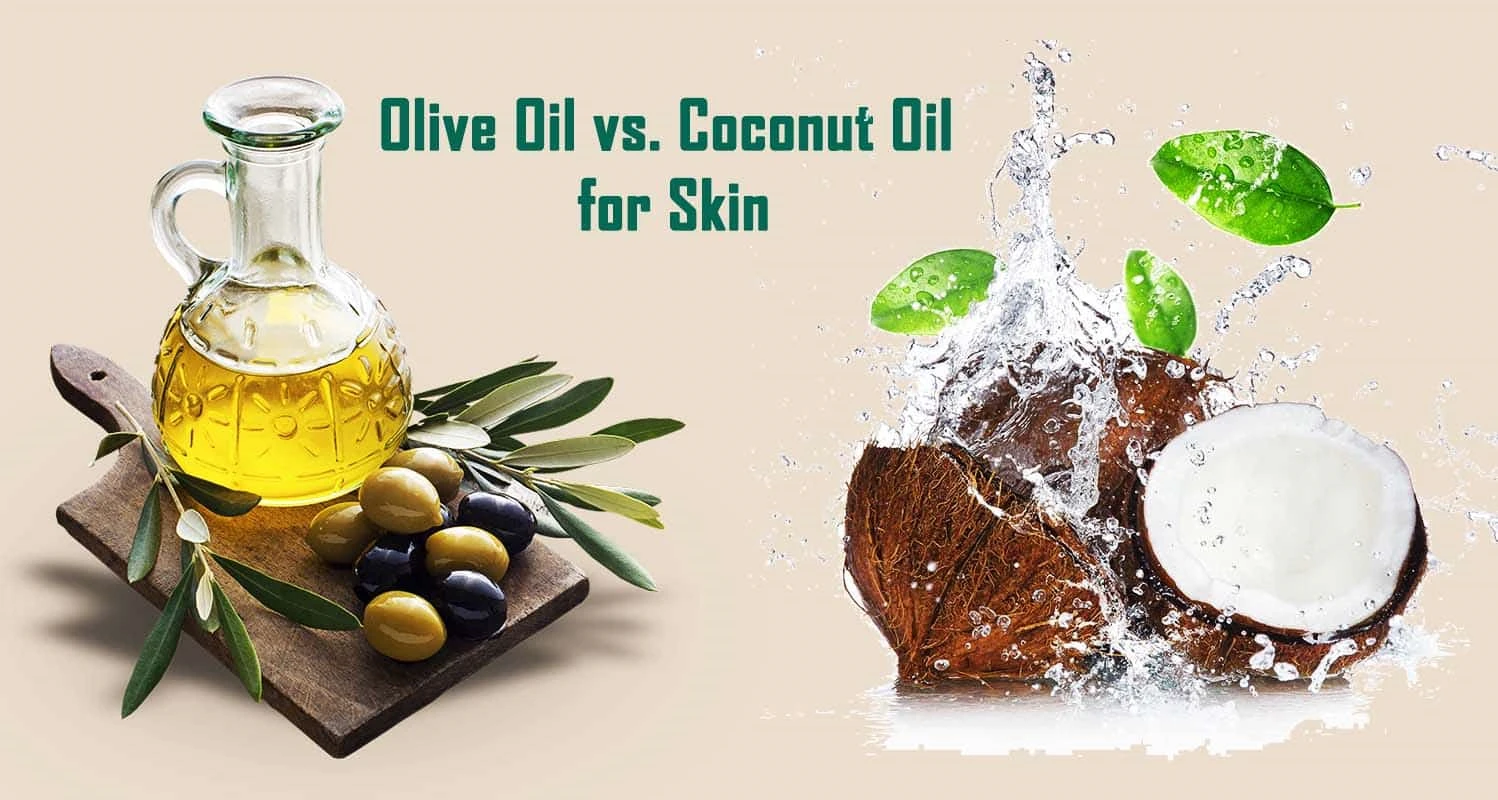
Most buyers are also comparing olive oil to coconut oil, argan oil, or avocado oil. Each has a distinct profile worth understanding before committing to one.
Yes — pure, food-grade extra virgin olive oil is safe for topical use on most skin types. It's been used as a skin moisturizer for thousands of years. The key is using unrefined, cold-pressed extra virgin olive oil. Refined versions offer fewer benefits. Anyone with oily or acne-prone skin should patch test first, as olive oil's high oleic acid content can clog pores for some people.
There's no meaningful difference in quality — food-grade extra virgin olive oil is the same product. The oils sold specifically for skin care often come in smaller bottles with more precise sourcing information and sometimes carry additional certifications like USDA Organic. Buying a quality food-grade EVOO with cold-pressed certification works equally well for skin use.
Olive oil has a comedogenic rating (scale of how likely an ingredient is to block pores) of 2 out of 5 — moderately low. Most users with dry to normal skin experience no clogging. Oily and acne-prone skin types report more issues. Applying a small amount to a patch of skin and monitoring for 48 hours before committing to full facial use is the recommended approach.
Olive oil is generally less comedogenic than coconut oil (which rates 4 out of 5) and is richer in polyphenols and vitamin E. Coconut oil provides stronger antimicrobial properties due to its lauric acid content. For facial use, olive oil is the safer choice for most buyers. For body and hair use, both perform well and the choice often comes down to texture preference.
The most effective method our team found is applying 4–6 drops to damp skin right after showering. The moisture helps the oil spread evenly and absorb more efficiently. For overnight face treatment, apply 2–3 drops to cleansed skin and leave on through the night. For hair, warm a tablespoon between palms, apply from mid-shaft to ends, cover with a warm towel for 20 minutes, then shampoo out.
Yes. Olive oil oxidizes over time, especially when exposed to light and air. Most bottles list a best-before date of 18–24 months from pressing. Rancid (expired or oxidized) olive oil can cause skin irritation and delivers none of the antioxidant benefits of fresh oil. Storing it in a cool, dark place and using it within 6–12 months of opening maximizes potency and minimizes oxidation risk.
 |
 |
 |
 |

About Truman Perkins
Truman Perkins is a Detroit-based SEO consultant who's been in the business for over a decade. He got his start helping friends and clients get their websites off the ground, and he continues to do so today. In his free time, Truman enjoys learning and writing about gardening - something he believes is a natural stress reliever. He lives with his wife, Jenny, and their twins in Detroit.


Get new FREE Gifts. Or latest free growing e-books from our latest works.
Disable Ad block to reveal all the links. Once done, hit a button below
|
|
|
|
 rinjal