reviewed by Truman Perkins
Hydroponics plants grow up to 50% faster than their soil-grown counterparts — and in 2026, you no longer need a greenhouse or a horticulture degree to pull it off. Countertop systems, vertical towers, and deep water culture buckets have made it genuinely possible to harvest fresh herbs, lettuce, and vegetables year-round from your kitchen, apartment, or basement. The global hydroponics market hit over $9 billion in 2025, and home gardeners are driving a massive chunk of that growth.
Whether you're a first-time grower looking for a plug-and-play pod system or an experienced hobbyist ready to scale up with a multi-bucket DWC setup, picking the right system matters. The wrong choice means wasted nutrient solution, dead seedlings, and a countertop eyesore. The right one means you're harvesting basil in three weeks and growing tomatoes in January. This guide covers seven of the best hydroponics systems and kits available right now — reviewed honestly, with real trade-offs.

Before you buy, it helps to know what type of system you're dealing with. Pod systems like AeroGarden use a simple pump-and-light combo — low maintenance, compact, and beginner-friendly. NFT (Nutrient Film Technique) systems run a thin film of nutrient solution over roots in channels. DWC (Deep Water Culture) systems suspend roots directly in oxygenated, nutrient-rich water. Aeroponic towers mist roots in mid-air for maximum oxygen exposure. Each method suits different plants, spaces, and skill levels. Browse more in our gardening reviews section to find the right fit for your setup. You'll also want to pair your system with the right fertilizers for indoor plants to get the most out of every grow cycle.



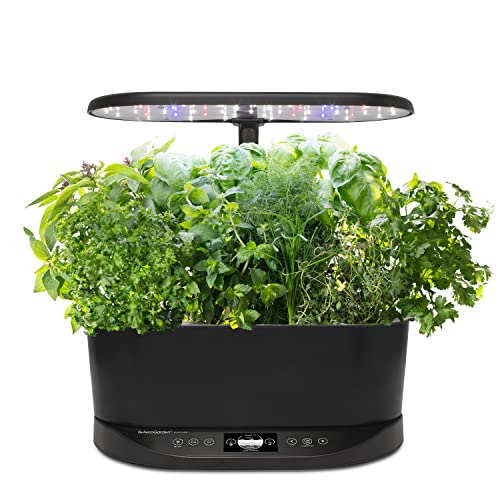



The AeroGarden Harvest Elite 360 is one of the most recognizable names in home hydroponics — and for good reason. This stainless steel countertop system holds six pods in a circular grow deck, giving you room to grow herbs, lettuce, flowers, or small vegetables all at once. The 20W full-spectrum LED grow light operates on an automatic on/off timer, so you're not manually managing light cycles. Plants germinate up to five times faster than they would in soil, which means you're harvesting in weeks rather than months.
The 360 design is the differentiator here. Unlike the standard Harvest model, the round layout means the light hits every pod from multiple angles as it rotates its glow arc, which reduces shadowing between taller and shorter plants. The stainless steel finish is premium and holds up well compared to the standard plastic units. That said, the six-pod capacity is modest — if you're feeding a household regularly, you may outgrow it quickly. Nutrient pods are proprietary and recurring, so factor that ongoing cost in before you buy. If you're interested in pairing this with the right timer for your light cycles, check out our guide to the 10 best grow light timers.
For someone just starting out — or looking for a gift for a home cook — this is one of the least intimidating ways to get into hydroponics in 2026. Setup takes under ten minutes, and the reminder prompts on the unit tell you exactly when to add water and nutrients.
Pros:
Cons:
Step up from the Harvest and you get the AeroGarden Bounty Basic — a nine-pod system with a significantly larger water bowl and grow deck. The redesigned form factor is sleeker than older AeroGarden models, and the digital display screen adds real utility: it shows your garden's stats at a glance and sends reminders for when to add water and plant food. You're not guessing when the system needs attention — it tells you.
Nine pods opens up considerably more versatility. You can grow two or three herb varieties alongside some greens and a flower variety simultaneously without any of them competing too badly for light. The automatic timer handles your light schedule without any manual input. The Bounty Basic strips out the WiFi connectivity of the premium Bounty models, which keeps the price down — and honestly, most growers don't miss the app integration. What you get is a capable, reliable system that works out of the box.
Build quality is solid. The larger water bowl means fewer refill interruptions compared to smaller units. The grow arm extends high enough to accommodate plants that get a bit leggy. If you're serious about herbs and want consistent year-round production with minimal management, the Bounty Basic delivers that.
Pros:
Cons:
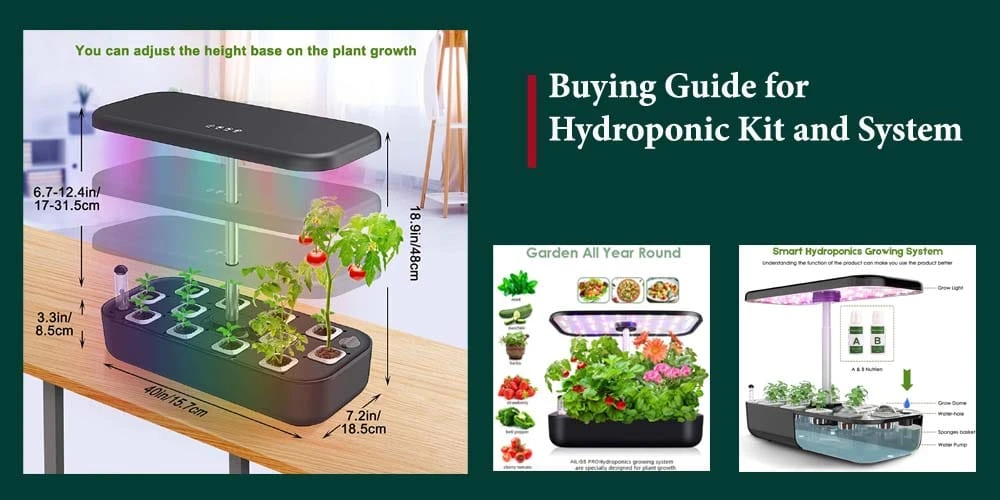
The iDOO 12-pod system stands out in 2026 with its translucent water tank — a feature that sounds minor but makes a real difference. You can actually watch root growth, monitor water quality, and observe whether the pump is circulating properly without pulling anything apart. It's educational, especially if you have kids involved or if you're new to hydroponics and want to understand what's happening beneath the surface. The 5-liter tank is large enough that you're not constantly topping it off.
The food-grade ABS material is an important detail. You're growing produce you're going to eat, so material safety matters. iDOO built this with that in mind — no heavy metals or chemicals leaching into your nutrient solution. The LED grow light covers a wide spectrum suitable for both leafy greens and flowering plants, and the system supports up to 12 pods simultaneously. That's a meaningful capacity jump from six or nine-pod systems, letting you run a more diverse indoor garden.
Research consistently links indoor gardening to improvements in mood, stress reduction, and a sense of accomplishment — and this kit is particularly well-suited for families, students, or anyone using growing as a mindful hobby. Setup is straightforward, and the whole unit looks attractive on a counter or desk. It's also one of the more popular gift choices in this category for good reason.
Pros:
Cons:
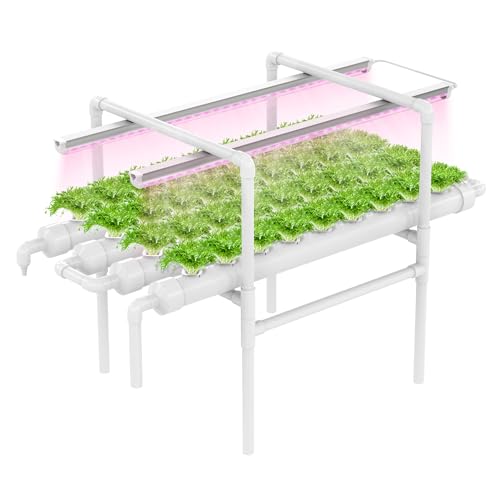
The DPROOTS NFT system takes you into true channel-based hydroponics with 36 plant sites — a serious capacity upgrade from pod systems. NFT (Nutrient Film Technique) works by flowing a thin stream of nutrient solution continuously through angled PVC channels, bathing roots in a shallow film. According to Wikipedia's overview of hydroponics, NFT is one of the most widely used commercial growing methods precisely because it's efficient with both water and nutrients. The DPROOTS kit brings that commercial principle into a home-friendly format.
The food-grade PVC-U pipes are 31.1 inches long with a 2.8-inch diameter — resistant to corrosion and UV degradation. Most users report assembly in under 12 minutes, which is impressively fast for a 36-site system. Two full-spectrum grow lights at 35.4 inches each provide adequate coverage, and the auto timer controls on/off cycles hands-free. Height is adjustable as plants grow, which matters — leafy greens like lettuce and spinach stay compact, while basil can get taller than you expect.
This system excels at high-volume leafy green production. Lettuce, spinach, kale, and basil are all well-suited to NFT. One important note: the system is explicitly not designed for large fruiting plants like tomatoes or peppers. Stick to what it's built for and you'll get impressive yields. If you're managing multiple systems, pairing this with a quality grow light timer helps automate your light schedule — see our roundup of the best grow lights for succulents for insights on spectrum and intensity that apply across plant types.
Pros:
Cons:
VIVOSUN's DWC system with top drip kit is where home hydroponics starts to look like serious cultivation. You get four independent 5-gallon buckets, each with its own planting site, connected to a powerful air pump that delivers 25L/min of airflow. The air stones keep oxygen levels high in the nutrient solution — and root oxygenation is one of the primary drivers of faster growth in DWC systems. Roots that are fully oxygenated absorb nutrients far more efficiently than roots struggling in stagnant solution.
The top drip kit is the upgrade that sets this apart from standard DWC setups. Rather than roots sitting entirely submerged, the drip irrigation adds a recirculating flow that keeps nutrients fresh and prevents stagnation near the root crown. This design reduces the risk of root rot, which is the most common failure mode for beginner DWC growers. The system runs at 120V/60Hz and 15W — efficient power consumption for what it delivers.
Because each bucket is independent, you can grow completely different plants in each one. Want to run tomatoes in two buckets and peppers in another while testing a new herb variety in the fourth? That flexibility is a genuine advantage. The downside: this is a more complex setup than pod systems. You'll need to manage pH, EC levels, and nutrient mixing manually. If you're ready to step up your growing game in 2026, this system rewards the extra effort with dramatically higher yields.
Pros:
Cons:
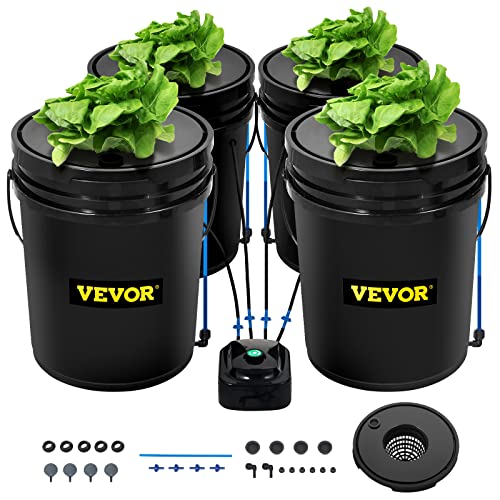
VEVOR has built a strong reputation for affordable, functional equipment across multiple categories — and their DWC hydroponic system is a solid example of what they do well. Four 5-gallon PP buckets with tight seals, inline check valves to prevent backflow, and a side-mounted water level indicator make this one of the more user-friendly DWC systems at this price point. The water level window is a small detail that saves a surprising amount of guesswork.
The air pump runs at 110V/60Hz, 8W, delivering 4x4L/min — one air stone per bucket. That's adequate for the root mass you'd typically have in a 5-gallon bucket. The PP material on the buckets is durable and food-safe. The recirculating design conserves water compared to drain-to-waste systems, which is both cost-efficient and environmentally sensible. The tight seals and check valves help prevent the leaks and backflow that plague cheaper DWC kits.
If you're comparing VEVOR to VIVOSUN in this space, the VEVOR unit skips the top drip feature but comes in at a lower price. For growers who want to run a DWC system without overspending and don't need the drip recirculation upgrade, VEVOR delivers reliable fundamentals. It works indoors or outdoors, handles leafy vegetables well, and the build quality is adequate for continuous use.
Pros:
Cons:
Tower Garden is the original aeroponic vertical tower — not a clone, not an imitation. The Flex model holds up to 20 plants across five standard grow pots in a vertical column. Aeroponics works differently from DWC or NFT: instead of submerging roots in water or running a film across them, the system mists the root zone with nutrient solution in regular intervals, maximizing oxygen exposure. That combination of air, mist, and nutrients produces rapid growth rates that rival even the best DWC setups.
The vertical format is the practical advantage for most home growers. If you're short on floor space, a tower occupies a small footprint while giving you the growing capacity of a much larger horizontal system. Twenty plants in a column that fits in a corner is genuinely useful. The included Seedling Starter Kit gets you growing quickly without sourcing supplies separately, which reduces the barrier to getting started. If you're also managing humidity around your tower, our guide on the best humidifiers for grow rooms covers options that pair well with vertical systems.
Tower Garden has been around long enough to have a well-established community of users, recipes, and support documentation. The brand's longevity in this space gives you confidence that replacement parts and accessories will remain available. It is a premium product — the price reflects that. But if you want the real aeroponic tower experience with a track record behind it, this is the one to buy.
Pros:
Cons:
The biggest decision is which hydroponic method fits your space, skill level, and target plants. Here's a quick breakdown:
Think honestly about how much space you have and how much produce you actually want. A six-pod AeroGarden fits easily on a kitchen counter. A four-bucket DWC system needs a dedicated corner, a grow tent, or a basement space. NFT channels need horizontal run length. Vertical towers need height clearance and a stable base. Don't buy more capacity than you can maintain — an overgrown, under-managed system produces worse results than a simple, well-tended one.
Pod systems include integrated LED lights, which is one of the main conveniences they offer. DWC and NFT systems typically don't include lighting — you'll need to source a grow light separately and set it up on a timer. If you go that route, pay attention to light spectrum (full-spectrum or at minimum blue + red wavelengths), intensity (PPFD for your target plants), and coverage area. Running lights on a consistent schedule is non-negotiable for healthy plant development.
One factor many beginners underestimate is the ongoing chemistry management that hydroponics requires. Plants in soil get buffered nutrient delivery through microbial activity in the ground. In hydroponics, you are the buffer. You'll need to check and adjust pH regularly (target 5.5–6.5 for most crops), replace nutrient solution on a schedule, and clean your system between grow cycles to prevent algae and root disease. Pod systems handle much of this automatically. DWC and NFT systems require hands-on attention. Be realistic about how much time you'll invest each week before choosing a system.
Pod-based systems like the AeroGarden Harvest Elite 360 or iDOO 12-pod kit are the most beginner-friendly. They come with integrated grow lights, automatic timers, and pre-seeded pods. You add water, plug them in, and the system guides you through the rest. No pH meters or nutrient mixing required at the start.
Leafy greens, herbs, and lettuce are the easiest and fastest crops for home systems. Basil, mint, cilantro, lettuce, spinach, and kale all thrive. Tomatoes, peppers, and strawberries are possible in larger DWC or aeroponic systems. Root vegetables like carrots and potatoes are not suitable for most home hydroponic setups.
For most systems, a full nutrient solution change every 1–2 weeks is the standard recommendation. Between changes, you top off with fresh water to replace what plants absorb and what evaporates. In smaller pod systems, the unit reminds you automatically. In DWC or NFT systems, you'll manage this manually based on plant size and ambient temperature.
Yes — and the difference is measurable. Studies consistently show hydroponic plants grow 30–50% faster than soil-grown equivalents under the same light conditions. The primary reason is that roots have direct, uninterrupted access to nutrients and oxygen. They don't need to expend energy searching through soil. That energy goes straight into above-ground growth and yield.
In DWC (Deep Water Culture), plant roots hang directly into a reservoir of oxygenated nutrient solution. In NFT (Nutrient Film Technique), a thin film of nutrient solution flows continuously through channels where roots rest. DWC tends to suit larger plants and gives roots more volume to develop. NFT is more water-efficient and works well for compact leafy crops like lettuce and herbs.
Yes. Plants need specific light wavelengths — primarily blue light for vegetative growth and red light for flowering and fruiting. Full-spectrum LED grow lights cover both and are the most energy-efficient option in 2026. Pod systems include integrated lights. For standalone systems like DWC or NFT, you'll need to purchase a separate grow light sized for your coverage area.
 |
 |
 |
 |

About Truman Perkins
Truman Perkins is a Detroit-based SEO consultant who's been in the business for over a decade. He got his start helping friends and clients get their websites off the ground, and he continues to do so today. In his free time, Truman enjoys learning and writing about gardening - something he believes is a natural stress reliever. He lives with his wife, Jenny, and their twins in Detroit.


Get new FREE Gifts. Or latest free growing e-books from our latest works.
Disable Ad block to reveal all the links. Once done, hit a button below
|
|
|
|
 rinjal