What's the best fertilizer for rose plants in India — and does the type you pick actually matter? The short answer: yes, it matters enormously. The right fertilizer at the right time can mean the difference between a bush with sparse blooms and one that's overflowing with vibrant, fragrant roses all season long. Whether you're growing hybrid teas in containers on your balcony or tending a full rose garden in your backyard, understanding fertilizer basics will transform your results. If you're exploring other rewarding plants to grow alongside your roses, check out our guide on plant care and farming for more inspiration.

Roses are heavy feeders. They pull nitrogen, phosphorus, potassium, and a host of micronutrients from the soil at a rate most ornamental plants can't match. In India's varied climates — from the humid coasts of Kerala to the dry plains of Rajasthan — your feeding schedule and fertilizer choice need to account for local soil conditions, temperature swings, and the specific rose varieties you're growing.
This guide walks you through everything: which fertilizers work best, when to apply them, common mistakes that sabotage blooms, and a long-term feeding strategy that keeps your roses healthy for years. Let's dig in.
Contents
Before you commit to a product, it helps to see how the most commonly available options in India stack up against each other. The best fertilizer for rose plants depends on your budget, how often you want to feed, and whether you prefer organic or synthetic inputs.
| Fertilizer Type | NPK Ratio | Release Speed | Best For | Price Range (₹) |
|---|---|---|---|---|
| Vermicompost | ~1.5-0.5-0.8 | Slow | Soil conditioning, long-term health | 50–150/kg |
| Bone Meal | 3-15-0 | Slow | Root development, blooming | 80–200/kg |
| Epsom Salt (MgSO₄) | 0-0-0 (Mg supplement) | Fast | Greener foliage, magnesium deficiency | 60–120/kg |
| NPK 19:19:19 | 19-19-19 | Fast | Balanced growth during active season | 100–250/kg |
| DAP (Di-Ammonium Phosphate) | 18-46-0 | Medium | Flowering boost, phosphorus-deficient soils | 50–100/kg |
| Mustard Cake (Khali) | ~5-2-1 | Slow | Organic nitrogen, soil microbes | 40–100/kg |
| Seaweed Extract | Trace | Fast | Stress recovery, micronutrient boost | 150–400/L |
A few things stand out. Bone meal is one of the most effective bloom boosters available in India — its high phosphorus content directly supports flower production. Vermicompost, while lower in raw nutrients, improves soil structure and water retention, which matters enormously in sandy or clay-heavy Indian soils. Many experienced growers combine two or three of these rather than relying on any single product.

If you're growing roses in pots — common in Indian apartments and balconies — liquid fertilizers and water-soluble options like NPK 19:19:19 give you more control over dosage. For ground-planted roses, slow-release organic options like mustard cake and vermicompost are forgiving and hard to overdo. You might also be interested in understanding different types of soil to match your fertilizer choice to your soil conditions.
Timing matters as much as the fertilizer itself. Feed at the wrong time and you'll push vulnerable new growth during harsh conditions. Feed at the right time and you'll see a dramatic increase in bloom size and quantity.
In most of India, the primary rose growing seasons are:
During active growth, feed your roses every 2–3 weeks with a balanced fertilizer. Start with a nitrogen-heavy feed in early October to push vegetative growth, then shift to a phosphorus-rich feed (like bone meal or DAP) by November to encourage bud formation. Continue feeding through March, tapering off as temperatures climb above 35°C.
During the monsoon, heavy rainfall leaches nutrients from the soil faster than usual. A monthly application of slow-release organic fertilizer — vermicompost or well-decomposed cow dung — helps maintain baseline nutrition without the risk of waterlogged roots absorbing too much synthetic fertilizer at once.
This is where most people make mistakes. Stop all chemical fertilizing when daytime temperatures consistently exceed 38°C. Roses enter a semi-dormant state during peak Indian summers (April–June in the plains). Pushing nutrients during this period stresses the plant — it forces growth the plant can't sustain.
You can still apply a light mulch of compost around the base for slow nutrient release, but skip the granular synthetics and liquid feeds entirely. Resume feeding only when you see new leaf buds emerging as temperatures cool, which is also a great time to consider using coco peat as a moisture-retaining soil amendment.
Pro Tip: If your rose bush drops all its leaves during a heat wave, don't panic-feed it. Water deeply in the early morning and wait. Fertilizing a stressed, leafless rose plant is like force-feeding someone with a fever — it does more harm than good.
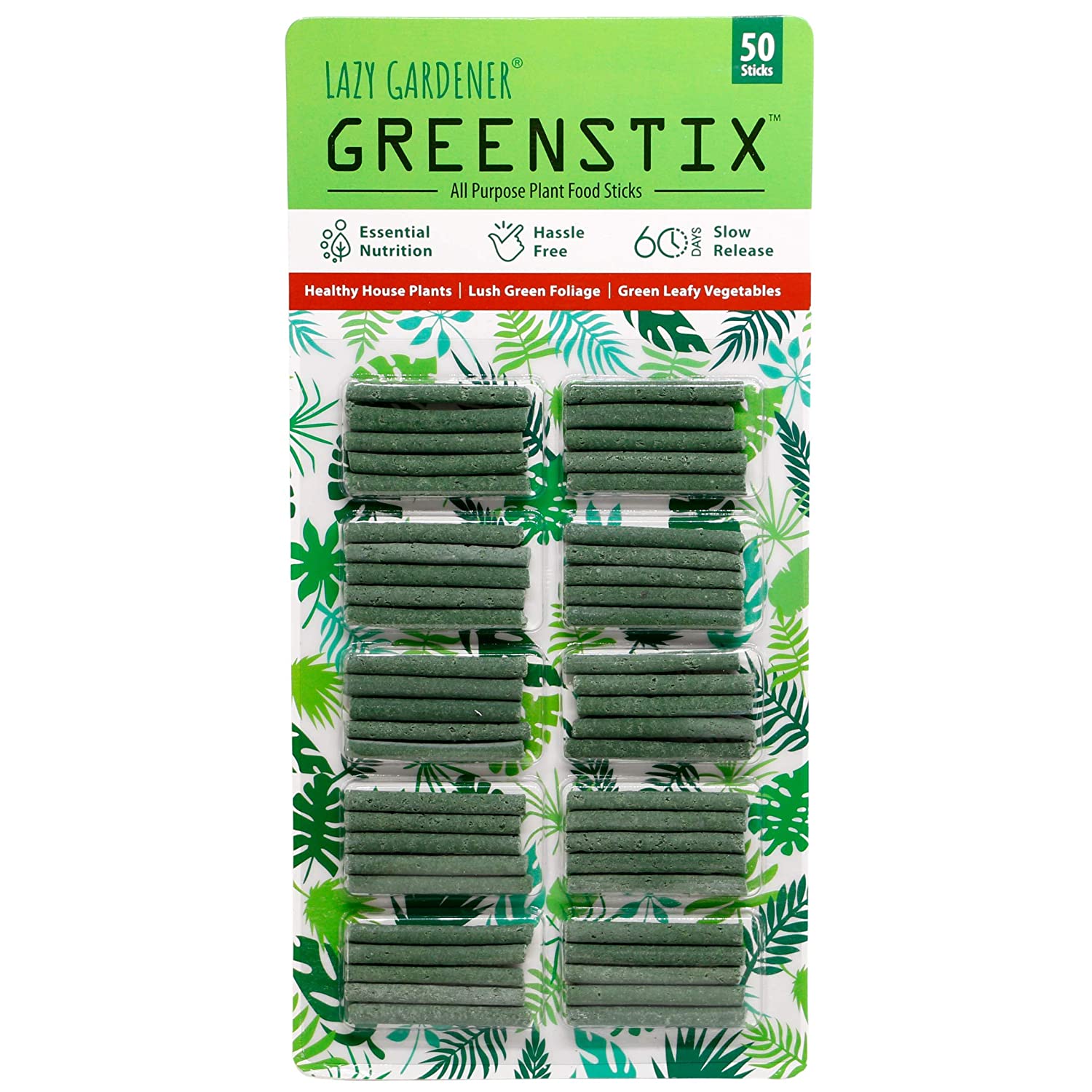
Fertilizer works best when the soil is already in reasonable shape. Before your first feed of the season, do this:
If your soil is heavy clay (common in parts of Maharashtra, Gujarat, and Tamil Nadu), mix in coarse sand and organic matter to improve drainage. Roses sitting in waterlogged soil can't absorb nutrients properly regardless of how much fertilizer you add. Understanding the benefits of charcoal ash can also help you manage soil pH naturally.
How you apply fertilizer matters nearly as much as what you apply. Follow these guidelines:
One common Indian gardening hack is mixing banana peels into the soil. While they do contain potassium, the decomposition process is slow and can attract fruit flies. You're better off composting them first or using a dedicated potassium source. If you're curious about other household items that work as plant supplements, our article on using expired tablets for plants covers some surprising options.
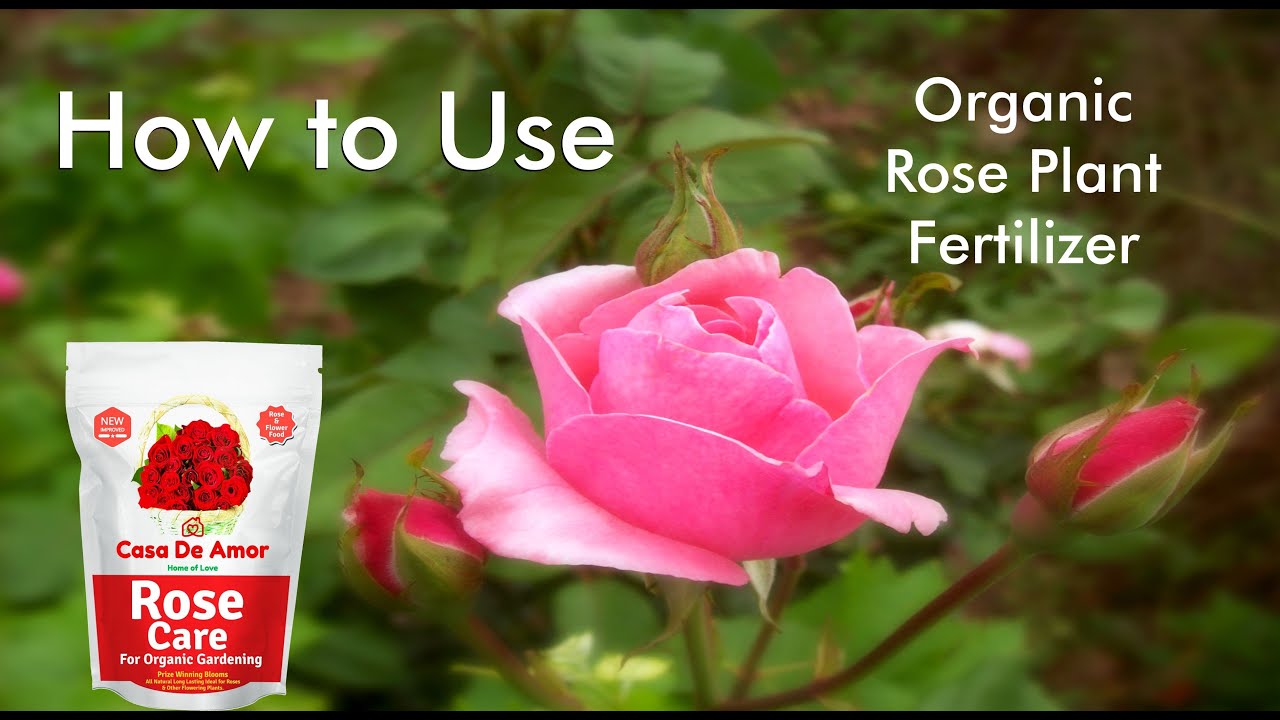
You'd be surprised how many well-intentioned gardeners sabotage their roses with these avoidable errors:
According to the Wikipedia article on roses, there are over 300 species and thousands of cultivars worldwide. Each has slightly different nutritional needs, but the mistakes above are universal — avoid them and you're already ahead of most gardeners.
Your approach to the best fertilizer for rose plants should match your experience level. There's no shame in starting simple — in fact, simple feeding routines often outperform complicated ones because they're easier to maintain consistently.
Keep it straightforward. Here's a beginner-friendly feeding routine that works across most Indian climates:
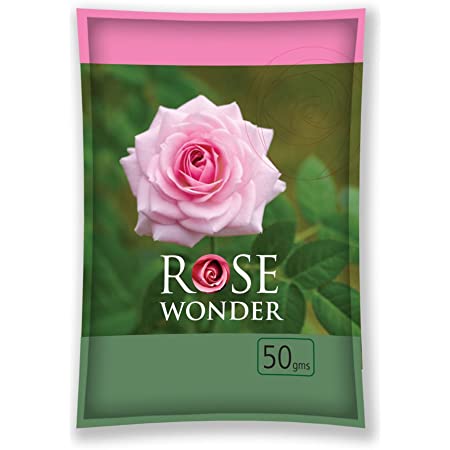
This organic-first approach builds soil health over time and gives you a foundation to build on. If your roses bloom decently — even if not spectacularly — you're doing it right. You can fine-tune later. If you're also growing vegetables alongside your roses, you might enjoy our list of expensive vegetables to grow at home for some high-value crops to pair with your garden.
Once you're comfortable with the basics, you can optimize your feeding for maximum bloom output:
Advanced growers also pay attention to the difference between direct and indirect sunlight, since light exposure affects how efficiently roses metabolize the nutrients you provide. A rose in full sun needs more frequent feeding than one in partial shade.
Rose bushes can thrive for decades with the right care. A long-term approach to fertilizing means thinking beyond this season's blooms and investing in soil health that compounds over time.
Here's a month-by-month framework for most of India (adjust for hill stations and southern coastal areas where temperatures stay moderate year-round):
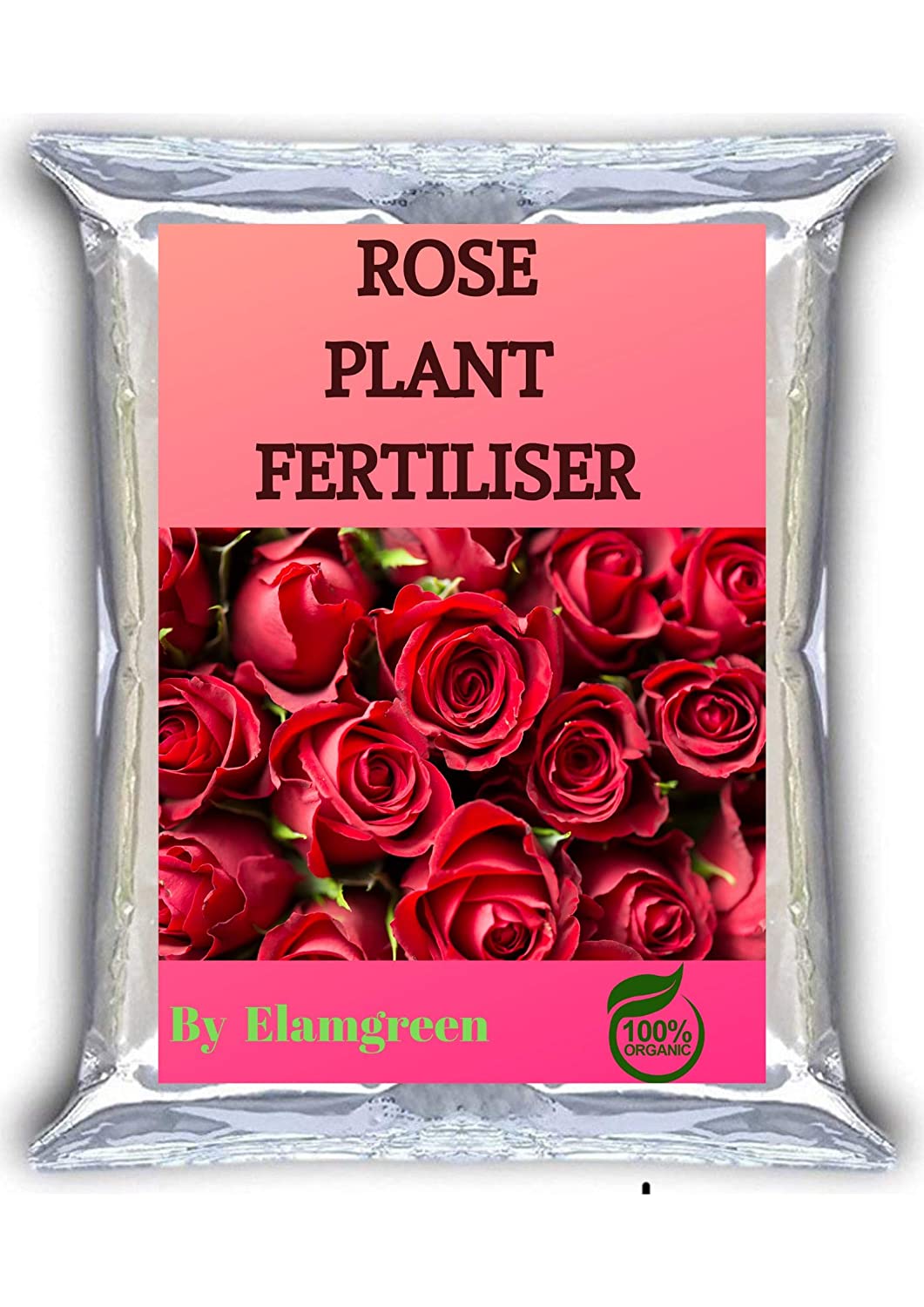
The best fertilizer for rose plants won't help if your soil is dead. Over the years, continuously using only chemical fertilizers degrades soil structure, kills beneficial organisms, and creates salt buildup. Here's how to prevent that:
If you notice your roses producing fewer blooms each successive season despite regular feeding, the problem is almost certainly soil health rather than fertilizer quantity. Investing in the soil's biological life — through compost, mulch, and reduced chemical dependency — is the single most impactful long-term strategy you can adopt. For other plants that appreciate healthy, well-maintained soil, browse our guide on decorative indoor plants.
Not directly. Raw kitchen waste attracts pests and can introduce fungal diseases. Compost your kitchen scraps first — banana peels, tea leaves, and eggshells are excellent once properly decomposed. The composting process takes 4–8 weeks but produces a balanced, safe amendment for your roses.
Look for brown or crispy leaf edges, white salt crusts on the soil surface, lots of foliage but few blooms, or wilting despite adequate watering. If you spot these signs, flush the soil with plain water several times over a week and skip your next scheduled feeding entirely.
Well-rotted cow dung is excellent — it improves soil texture, adds slow-release nutrients, and supports beneficial microbes. However, fresh cow dung is too "hot" and can burn roots. Always age it for at least 3–6 months before using. Mix it with soil at a 1:3 ratio for potted roses or use it as a mulch layer for ground-planted bushes.
 |
 |
 |
 |

About Christina Lopez
Christina Lopez grew up in the scenic city of Mountain View, California. For eighteen ascetic years, she refrained from eating meat until she discovered the exquisite delicacy of chicken thighs. Christina is a city finalist competitive pingpong player, an ocean diver, and an ex-pat in England and Japan. Currently, she is a computer science doctoral student. Christina writes late at night; most of her daytime is spent enchanting her magical herb garden.


Get new FREE Gifts. Or latest free growing e-books from our latest works.
Disable Ad block to reveal all the links. Once done, hit a button below
|
|
|
|
 rinjal