What separates a mediocre cannabis harvest from a truly exceptional one? More often than not, it comes down to what you plant in. The soil you choose sets the ceiling for your entire grow — no amount of nutrients, lighting, or watering technique can fully compensate for a poor growing medium. If you're serious about your plants in 2026, FoxFarm Ocean Forest is the soil most experienced growers reach for first, and for good reason.
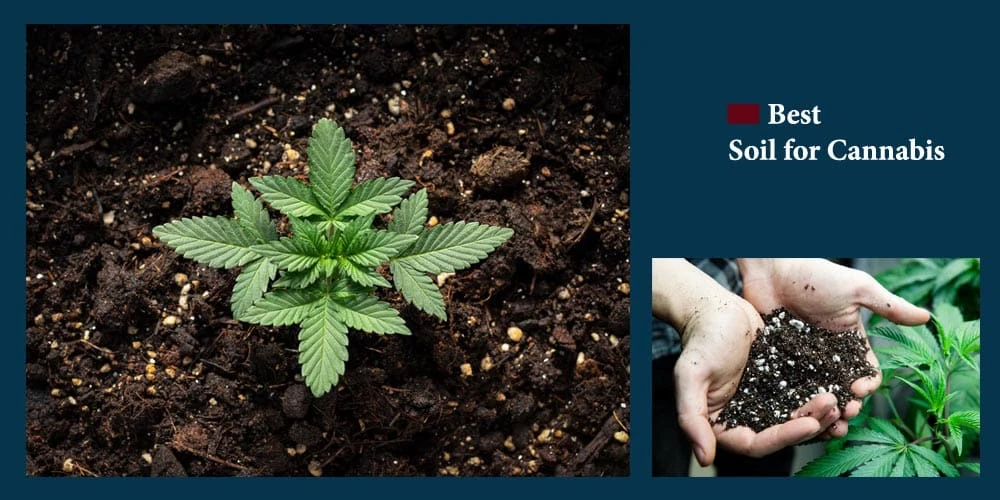
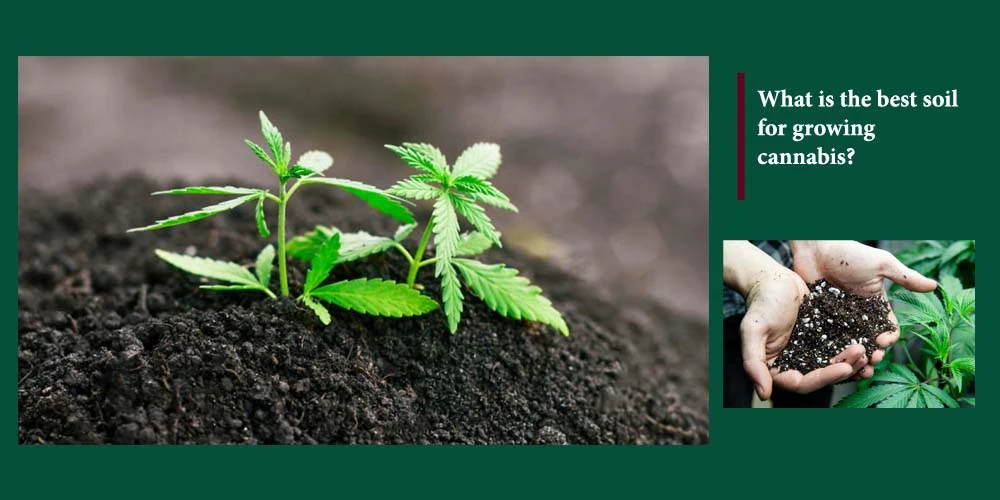
Cannabis is a heavy feeder with specific structural needs. Its roots demand a delicate balance: enough water retention to stay hydrated between waterings, but enough aeration to avoid root rot. The pH has to sit in a narrow window — ideally between 6.0 and 7.0 — or your plant simply can't absorb the nutrients you're feeding it, no matter how generous you are. Beyond pH, you're looking at organic matter content, microbial life, and drainage characteristics. Getting all of these right simultaneously is why choosing the right soil matters so much. A subpar mix can mean stunted vegetative growth, poor flowering, or nutrient lockout that ruins months of work.
This guide covers the top soils available right now for cannabis cultivation, whether you're growing indoors under LED grow lights or out in the garden. We've dug into the ingredients, tested performance across growth stages, and ranked every option on the list below to save you the guesswork. You'll find our full reviews, a practical buying guide, and answers to the most common questions growers ask. For more plant care resources, browse our gardening reviews hub.
Contents







FoxFarm Ocean Forest has been the go-to cannabis soil for serious growers for well over a decade, and its reputation in 2026 is fully deserved. This is an all-purpose container mix that comes ready to use straight from the bag — no amendments needed for the first several weeks of vegetative growth. It's built around a premium blend of composted forest humus, sandy loam, and sphagnum peat moss, finished with ocean-based inputs including bat guano, crab meal, and shrimp meal. The result is a rich, well-draining medium with a pH adjusted to 6.3–6.8, which sits squarely in the ideal range for cannabis nutrient uptake.
What makes Ocean Forest stand out from generic potting mixes is its immediate availability of nutrients. Your seedlings can tap into the organic matter almost right away, driving vigorous early growth without any burn risk at normal planting densities. The texture is light and airy enough to allow oxygen to reach roots, yet it holds moisture well enough that you won't be watering twice a day. For container growing — whether you're running fabric pots, plastic containers, or different types of planter pots — this soil simply performs. It's the standard that other cannabis soils are measured against.
The 1.5 cubic foot bag is sized practically for home growers running a few plants at a time. You might find that after about four to six weeks, you need to start introducing a feeding schedule as the initial nutrients get used up, but that's expected behavior from any pre-amended soil. Plan your nutrient regimen accordingly and Ocean Forest delivers a smooth, consistent growing experience from germination through early flower.
Pros:
Cons:
Happy Frog is FoxFarm's gentler, more beginner-friendly offering. Where Ocean Forest hits hard with high ocean-based nutrient inputs, Happy Frog takes a more measured approach — it's still richly amended, but the overall nutrient load is lower, making it significantly safer for seedlings and clones that haven't developed a full root system yet. The ingredient list is impressive: earthworm castings, bat guano, and aged forest products form the core, supported by a custom blend of beneficial soil microbes including mycorrhizal fungi and humic acid. These microbes actively improve root efficiency and nutrient uptake, which is something you simply don't get from synthetic potting mixes.
The microbial community in Happy Frog is a genuine competitive advantage. Mycorrhizal fungi colonize plant roots and extend their reach dramatically, allowing your cannabis plants to access water and nutrients from a far larger volume of soil. Humic acid improves soil structure and helps chelate nutrients so they remain plant-available rather than getting locked up by pH swings. For a first-time grower, these built-in biological helpers take a lot of the management burden off your plate. You water, you watch, and the soil does much of the work beneath the surface.
Happy Frog is available in a 12-quart bag — smaller than the Ocean Forest 1.5 cubic foot option — which makes it cost-effective for smaller grow setups or for blending into a heavier mix. Many experienced growers actually use Happy Frog during the seedling stage and transplant into Ocean Forest once the plant is established. That two-soil strategy works beautifully and saves money.
Pros:
Cons:
Roots Organics Original is a premium organic potting mix built specifically with fast-growing, heavy-feeding plants in mind — the kind of description that maps directly onto cannabis. Aurora Innovations put serious thought into the drainage and aeration profile of this mix, incorporating perlite, pumice, and coir in proportions that keep the medium from compacting over a long growing cycle. This soil's open, fibrous structure means your roots get oxygen at every level of the container, which is critical once your plant hits the flowering stage and root mass has expanded significantly.
The nutrient inputs in Roots Organics Original lean heavily organic: worm castings, bat guano, fish bone meal, blood meal, feather meal, green sand, and kelp meal all make appearances on the ingredient list. This is a complex, layered feeding profile that mirrors what you'd find in a healthy outdoor soil ecosystem. The slow-release nature of these inputs means your plant gets consistent nutrition over weeks rather than a single spike that fades. It does come with a slightly higher initial nutrient load, so give seedlings a week or two in a lighter medium like Happy Frog before transplanting into this mix.
The 0.75 cubic foot bag is on the smaller side, but Roots Organics is often purchased in larger quantities directly from Aurora Innovations' distribution network. For home growers running one to four plants, a bag or two handles the job comfortably. This is one of the few soils on this list that experienced cultivators consistently praise for its consistency batch to batch — you get the same performance every time, which matters when you're dialing in a recurring grow cycle.
Pros:
Cons:
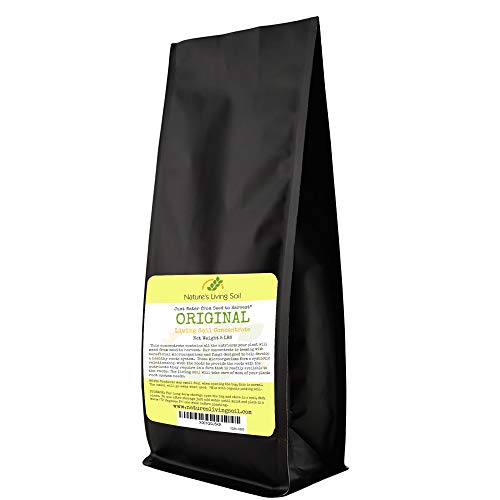
Super Soil Organic Concentrate takes a different approach than every other product on this list. Rather than being a standalone potting mix, it's a concentrated amendment that you blend into a base soil to create a living, self-sustaining growing medium. Five pounds of concentrate mixed into standard potting soil amends approximately 25 gallons of container volume — making this one of the most cost-effective products here on a per-gallon basis. Once properly blended and allowed to cook for two to four weeks, the resulting super soil is loaded with microbial life that processes organic matter and delivers nutrients directly to plant roots.
The real appeal of the super soil method is the simplicity of the grow itself. Because the microbial ecosystem in a properly made super soil is self-regulating, your primary job from seed to harvest becomes nothing more than watering with clean, pH-balanced water. No separate nutrient line, no EC meter, no feeding schedule. The microorganisms in the soil handle nutrient cycling and delivery automatically. For growers who prefer an organic, low-intervention approach — or who want to reduce the cost and complexity of their nutrient program — this is the most elegant solution on the market.
You do need to plan ahead. The two- to four-week "cooking" period before planting is non-negotiable; skipping it risks burning your plants with hot, partially processed amendments. But growers who commit to the process consistently report dense, flavorful harvests that reflect the complexity of the soil ecosystem below. If you want to understand more about how organic matter like worm castings functions in soil, the guide on worm castings for fertilizer breaks it down clearly.
Pros:
Cons:
BioBizz Light-Mix is the professional's choice when you need maximum control over your nutrient program. This Dutch substrate is intentionally lean on pre-loaded nutrients, which sounds counterintuitive until you understand the strategy: a light starting medium lets you dial in exactly what your plants receive from day one without fighting against an aggressive base nutrient load. Light-Mix provides the ideal structural foundation for vigorous seedling and cutting development while handing you full control of the feeding equation from the start.
The drainage properties of Light-Mix are outstanding. BioBizz engineered this substrate specifically to maintain optimal drainage even under automated irrigation systems, which is a genuine consideration for growers running timers and drip lines. Waterlogged soil kills cannabis roots fast, and this mix eliminates that risk. The open, well-aerated structure also supports heavy fertilizer applications without the risk of nutrient burn or salt buildup that can plague denser potting soils — you can push this substrate harder than most, particularly with heavy-feeding strains in the vegetative phase.
The 50-liter bag is generously sized for the price point and serves large indoor grows efficiently. BioBizz is a certified organic brand, so the base substrate is free from synthetic inputs — important if you're running an organic nutrient line and want to maintain that integrity throughout the grow. The trade-off is that you will need to feed from an early stage, so have your nutrient program planned before your seeds crack.
Pros:
Cons:
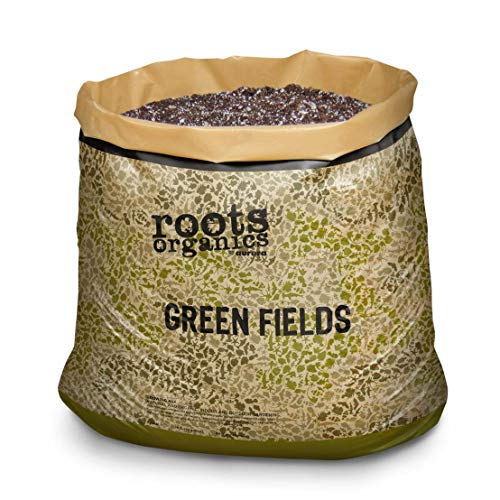
Roots Organics Green Fields occupies a distinct position in the lineup. While the Original blend (reviewed above) is a general-purpose powerhouse, Green Fields is engineered specifically for outdoor plants and those that feed aggressively — the strains that exhaust a standard potting mix in weeks and demand more from the soil. The blend uses less perlite than the Original, which reduces drainage slightly and increases water retention. That's a deliberate choice: Green Fields is built to sustain frequent feeding schedules for fast-cycling outdoor plants without drying out between feedings.
The input list reads like a condensed version of a full organic nutrient lineup: fish meal, crab meal, worm castings, bat guano, and kelp meal are all present in meaningful quantities. This is an ocean-based nutrient profile that delivers both macro and trace elements in organic form, supporting both the vegetative and flowering phases without a formulation switch. For outdoor growers running large containers or raised beds, the 1.5 cubic foot bag format makes it practical to fill significant volumes without excessive cost.
The increased water retention profile is ideal for warm outdoor environments where containers can dry quickly and frequent watering leaches nutrients from lighter mixes. If you're growing indoors with a controlled irrigation schedule, the Original blend probably serves you better — but for anyone running aggressive strains outdoors in summer heat, Green Fields is the stronger match. It's also a solid choice for the late vegetative through mid-flowering period when nutrient demand peaks.
Pros:
Cons:
Premier Pro-Mix HP-CC is the professional-grade growing medium that commercial greenhouse operations rely on — and it's now accessible to home growers at a reasonable price point. HP stands for High Porosity, and that's exactly what you get: a peat-moss and coir-based mix with exceptional air-filled porosity that keeps roots oxygenated even in large containers. The addition of mycorrhizal fungi inoculant sets this mix apart from standard peat-based substrates, establishing a root-fungus partnership that expands your plant's effective nutrient zone from day one.
Pro-Mix HP-CC is not a nutrient-rich soil — it's closer to a soilless growing medium, similar in principle to coco coir or rockwool. That makes it ideal for growers running hydroponic-style nutrient programs who want the convenience and familiarity of a soil-like medium without the variability that comes with heavily amended mixes. You control everything that goes in, which gives you precision that pre-amended soils can't match. If you're interested in more controlled growing systems, it's worth understanding the difference between hydroponics and aquaponics to see how this fits into the spectrum.
The 2.8 cubic foot bag is the largest single unit on this list, making it excellent value for growers with multiple plants or larger containers. The coir component improves water retention over standard peat-only mixes, reducing the frequency of watering slightly — a practical benefit when you're managing several plants simultaneously. This is the choice for technically minded growers who want total control over their feeding program and consistently high drainage performance.
Pros:
Cons:
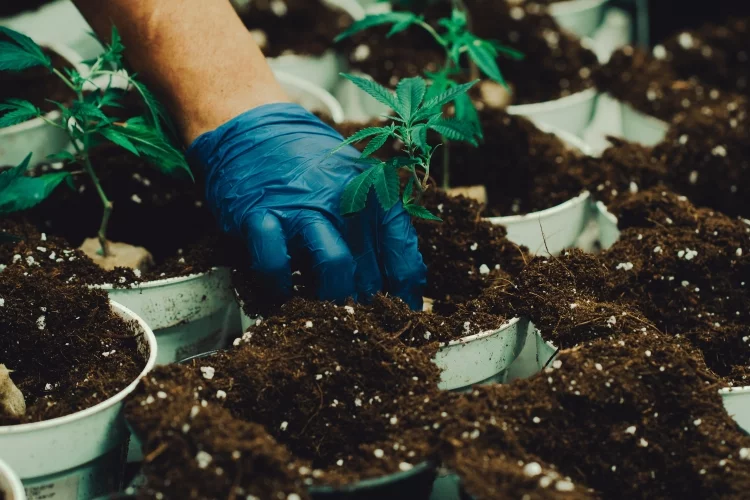

Choosing soil for cannabis isn't the same as picking up a bag of general potting mix at a hardware store. The plant's requirements are specific enough that the wrong choice can cost you weeks of growth or an entire harvest. Here's what to focus on when evaluating any soil for cannabis cultivation in 2026.
Cannabis nutrient uptake is highly pH-dependent. The ideal soil pH window for cannabis sits between 6.0 and 7.0, with 6.3–6.8 being the sweet spot for the widest range of nutrient availability. Outside this range, specific nutrients lock out even when they're present in the soil — calcium and magnesium become unavailable below 6.0, while iron and manganese drop off sharply above 7.0. Look for soils that state their target pH on the label, and check whether the mix has buffering capacity (the ability to resist pH swings over time). Most quality cannabis soils are pre-adjusted, but you should still monitor pH in your runoff water throughout the grow. According to the USDA, soil pH is one of the most critical factors determining plant nutrient availability in any agricultural context.
Cannabis roots need both water and oxygen. A soil that drains too slowly suffocates roots and invites root rot. A soil that drains too quickly requires constant watering and can't sustain adequate moisture for uptake. The ideal cannabis soil holds moisture evenly while maintaining air pockets throughout the root zone. Look for soils amended with perlite, pumice, or coir — these structural components prevent compaction and maintain porosity over a long growing cycle. Perlite is the most common addition; a 15–30% perlite ratio in your final mix is a reliable target for container growing. If your chosen soil feels dense or heavy when wet, consider adding perlite yourself before planting.
The nutrient inputs in a cannabis soil determine how long your plants can grow without supplemental feeding and what form those nutrients arrive in. Organic inputs — worm castings, bat guano, fish meal, kelp meal, blood meal — release slowly as microbial activity breaks them down. This slow-release profile gives plants a consistent nutrient stream rather than boom-and-bust cycles, and it works in harmony with the soil's living microbial community. Soils with diverse organic inputs tend to produce more complex, layered growth responses than those relying on a single amendment. If a soil lists synthetic fertilizers in its ingredients, be aware that its effective life in the container is shorter and may cause nutrient lockout at high concentrations.
Modern cannabis soils increasingly include mycorrhizal fungi and bacterial inoculants as standard ingredients, and this is genuinely important — not just marketing. Mycorrhizal fungi form symbiotic relationships with plant roots, extending their effective reach and dramatically improving uptake efficiency for phosphorus and other nutrients. Beneficial bacteria like Bacillus strains suppress harmful pathogens at the root level and accelerate decomposition of organic matter into plant-available forms. A soil with an active, diverse microbial population effectively gives your cannabis plant a larger, smarter root system. These biological inputs work best in organic grows where no synthetic fungicides or antibacterial agents are used — chemical inputs can disrupt or kill the microbial community you're paying for.
Cannabis grows best in soil with a pH between 6.0 and 7.0. The optimal range for the broadest nutrient availability is 6.3 to 6.8. Outside this window, specific nutrients — particularly iron, calcium, and magnesium — lock out and become unavailable to the plant even if they're present in the soil. Always monitor the pH of your water going in and your runoff water, and adjust accordingly throughout the grow cycle.
Yes, you can reuse cannabis soil, but it requires proper preparation between cycles. After harvest, the soil will be depleted of nutrients and may carry pathogen load from the previous grow. Break it up, remove root matter, and re-amend with fresh worm castings, compost, and a balanced organic amendment. Many growers also treat reused soil with beneficial bacteria to restore microbial life. For a deeper look at the process, the guide on how to sterilize soil for planting covers sanitization steps before re-amendment.
Standard potting mix provides a growing medium with pre-loaded nutrients that deplete over time, requiring supplemental feeding. Super soil is a living, heavily amended medium built around a dense microbial ecosystem that processes organic inputs and delivers nutrients directly to plant roots. A properly made super soil requires only plain water from seed to harvest — the microbial community handles the entire nutrient cycle. The trade-off is that super soil requires a two- to four-week "cooking" period before planting and more preparation upfront.
In most cases, yes. Perlite improves drainage and aeration by creating air pockets in the soil that prevent compaction and allow oxygen to reach roots. Most pre-made cannabis soils already contain some perlite, but for container growing — particularly in larger containers where compaction over time is a real risk — adding an extra 10–15% perlite by volume is a standard and effective practice. It's one of the simplest adjustments you can make that has a measurable positive impact on root health and overall plant performance.
It can be. FoxFarm Ocean Forest has a relatively high nutrient load thanks to its ocean-based inputs, which makes it excellent for established plants but potentially overwhelming for very young seedlings in their first week or two. A common approach is to start seedlings in a lighter medium like FoxFarm Happy Frog or a plain peat-coir mix, then transplant into Ocean Forest once the plant has developed a solid root system and several nodes of growth. Alternatively, you can dilute Ocean Forest with 20–30% additional perlite or a neutral coir to reduce the initial nutrient intensity.
Cannabis in soil should be watered on a wet-dry cycle: water thoroughly until runoff appears from the container's drainage holes, then allow the soil to dry out to about 50–70% moisture before watering again. Overwatering is one of the most common mistakes in cannabis cultivation and causes root stress, pathogen proliferation, and nutrient deficiencies. The lift-test is reliable — pick up your container when it's fully watered and note the weight, then water again when it feels significantly lighter. In a well-draining soil, this typically means watering every two to three days indoors under standard conditions.

The soil you choose is the single decision that sets the floor and ceiling of your entire harvest — get it right first, and everything else becomes easier.
 |
 |
 |
 |

About Truman Perkins
Truman Perkins is a Detroit-based SEO consultant who's been in the business for over a decade. He got his start helping friends and clients get their websites off the ground, and he continues to do so today. In his free time, Truman enjoys learning and writing about gardening - something he believes is a natural stress reliever. He lives with his wife, Jenny, and their twins in Detroit.


Get new FREE Gifts. Or latest free growing e-books from our latest works.
Disable Ad block to reveal all the links. Once done, hit a button below
|
|
|
|
 rinjal