The Bloem Posy 6" Terra Cotta Resin Planter tops our list in 2026 because it nails the two things lavender demands most — proper drainage and low maintenance — without costing a fortune. If you grow lavender, you already know how unforgiving it is about wet roots. Pick the wrong pot and your plant is done in a season.
Lavender is one of those plants that looks easy but has strong opinions about its home. It wants fast-draining soil, plenty of airflow around the roots, and a pot that doesn't trap moisture. Too much water sitting at the bottom is the number one killer. That's why the material and drainage setup of your pot matter more here than they do for almost any other herb or flowering plant. Whether you're growing it on a sunny windowsill, a patio, or in a garden bed, the right container makes a real difference in how long your plant thrives.
In this guide, we've tested and reviewed seven of the best pots for lavender available on Amazon right now. You'll find options ranging from classic terracotta clay pots to durable resin planters, at different sizes and price points. Whether you want a single statement pot or a value multi-pack, there's something here for your setup. For more options across plant types, browse our full gardening reviews section. And if you're also growing other herbs alongside your lavender, check out our guide to the 12 Best Pots for Basil — many of the same drainage principles apply.

Contents






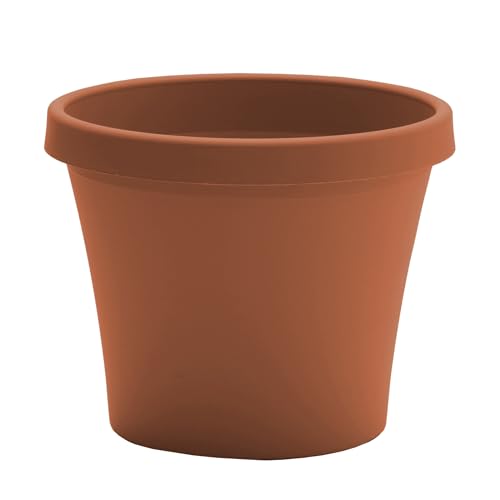
The Bloem Posy strikes a smart balance between classic terracotta looks and modern resin practicality. At 6 inches, it's sized perfectly for a single lavender plant — big enough to give roots room to breathe, small enough to move indoors when temperatures drop. The terra cotta-toned finish mimics the look of classic clay without any of the cracking or chipping that real clay develops over time. The UV-protected resin resists fading, so it keeps its color through full seasons of direct sun — something real terracotta can't always claim.
The transitional design works with both modern and traditional décor, and the rolled rim gives it a finished, intentional look. One standout detail is the optional knockout drainage holes. If you're placing this over a wood surface or indoors on a sill, you can leave the drain plug in; for most lavender setups, you'll want to knock it out and let water flow freely. Drainage is non-negotiable with lavender, and Bloem makes it easy. Cleaning is straightforward — wipe down with a damp cloth. No scrubbing moss or mineral stains the way you would with clay.
The 6" size is best suited for compact lavender varieties like 'Hidcote' or 'Munstead'. If you're growing a larger Spanish lavender, you'll want to step up to an 8" or 10" pot. But for most container gardeners picking up a starter plant, this is a solid, fuss-free choice that looks great on a patio table or kitchen windowsill. It's lightweight enough to rearrange without effort, and the price makes it easy to grab a few for a coordinated display.
Pros:
Cons:
If you want to plant a whole lavender collection — or gift a few along the way — the Tuqaumu 6-pack gives you serious value. You get six pots, six plastic saucers, and six pot mesh screens in one order. Each pot is kiln-fired at a very high 1985°F, which makes the clay denser and less prone to cracking in freezing temperatures or with repeated wet-dry cycles. The included mesh pads are a thoughtful touch — they sit over the drainage hole and keep soil from washing out while still allowing full water flow. That matters a lot for lavender, which needs gritty, fast-draining soil.
The dimensions are practical: 6 inches across the top, 5.3 inches tall, with a 3.8-inch base and a matching 5.2-inch saucer. This setup is sized right for individual lavender plants — one plant per pot, with enough room for the roots without so much extra soil that it holds moisture. Real porous clay naturally wicks moisture away from the root zone, which is exactly what lavender prefers. This is one area where terracotta genuinely outperforms plastic or glazed ceramic for this plant. Each pot in the pack is manually inspected before shipping, which is why the reviews consistently note that breakage-on-arrival is rare.
The saucers are plastic rather than clay, which keeps weight and cost down. Some gardeners find plastic saucers a minor aesthetic compromise, but they're more durable and easier to clean. If you're going for a cohesive display, clay saucers look better — but for practical day-to-day use, the plastic ones do the job well. Overall, if you're starting a lavender window display or filling a patio with a consistent look, this six-pack is one of the best deals you'll find in 2026.
Pros:
Cons:
For gardeners growing full-sized lavender like 'Phenomenal' or 'Grosso', the vensovo 8-inch pots are a better fit than the typical 6-inch options. More root room means a healthier, longer-lived plant — and at 8 inches both in height and outer diameter, these pots give lavender the space to establish a proper root system before it gets root-bound. They come in a two-pack, which is convenient if you want a matching pair on either side of an entryway or flanking a patio table.
The high-temperature baking at 1796°F produces a dense, sturdy pot that holds up to outdoor temperature swings well. The included saucer catches runoff without letting the pot sit in standing water — critical for lavender, which will rot if roots stay wet. The drainage hole is sized well: large enough to allow genuine water flow rather than just a token trickle. Every package is drop-tested from three feet before shipping to verify it arrives intact, and that standard shows in the reviews. Breakage complaints are notably rare for a clay product.
The design is clean and traditional — no decorative embellishments, just a classic terracotta form. That works well in most garden aesthetics, from cottage-style raised beds to modern minimal patios. If you want to paint or seal them, you can — take a look at our guide to the 11 Best Paints for Ceramic Pots for ideas on customizing your terracotta. The 8-inch size also pairs well with quality plant saucers if you want to upgrade the included ones. These pots earn their place in any lavender setup that needs a bit more growing room.
Pros:
Cons:
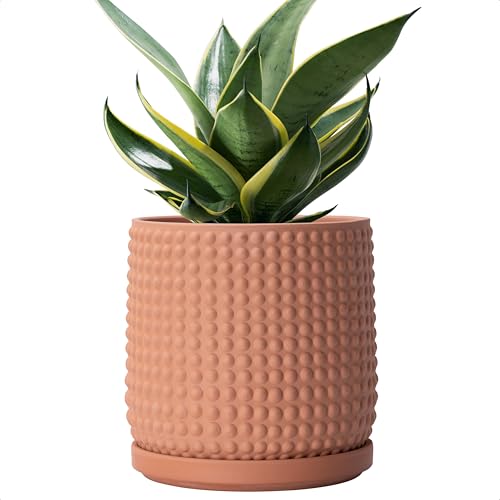
Most terracotta pots are purely utilitarian. The D'vine Dev Beaded Planter breaks from that — it's functional and genuinely attractive. The handcrafted beaded design running around the exterior gives it a textured, artisanal quality that looks intentional rather than mass-produced. At 6 inches across and 6.8 inches tall, it's a touch taller than many comparable pots, which gives your lavender a more vertical, elegant profile on a shelf or side table. The true terracotta material is kiln-fired at high temperature, so you get all the breathability and drainage benefits that lavender loves in a material that actually looks nice in your home.
Inside, there's 5.6 inches of usable diameter, which is the measurement that actually matters for roots. The included ceramic saucer is properly fitted — not a last-minute addition — and has a matching aesthetic, which is more than you can say for most pots in this price range. Drainage holes are pre-drilled, and the saucer is detachable, so cleanup is easy. Whether you put this on a windowsill or use it as a centerpiece in a garden vignette, it elevates the look beyond basic gardening supplies.
The one trade-off is that the beaded design has some texture variation handcraft-to-handcraft. If you're buying multiples and want perfectly matched pieces, you might notice slight differences. That's the nature of handmade pottery — most people consider it a feature rather than a flaw, but it's worth knowing. For a single statement pot for a prized lavender plant, this is one of the most attractive options on this list.
Pros:
Cons:
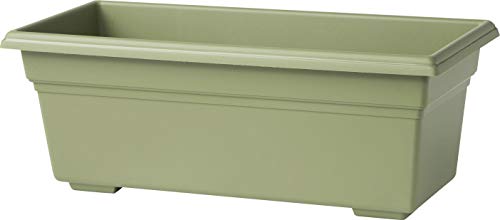
Every other pot on this list is round. The Novelty Countryside Planter takes a completely different approach — a 24-inch long rectangular window box that lets you plant a whole row of lavender in one go. At 24 inches long, 8 inches wide, and 6.5 inches deep, it's built for window ledges, deck railings, or long planter boxes along a fence or wall. For gardeners who want that classic lavender hedge look in a container, this is the format that delivers it.
The hunter green color is traditional and works particularly well with lavender's purple-gray tones. The resin construction keeps it lightweight relative to its size — you can actually move it when empty without straining. It holds up outdoors through full weather cycles without fading or cracking. The country-style design has a timeless quality that suits cottage gardens, farmhouse porches, and traditional-style outdoor spaces equally well.
Because this is a window box style, drainage is managed across the full length of the planter — make sure you don't let one end pool water. Fill it with a gritty mix (sandy loam or a dedicated herb mix) and check drainage after the first few waterings to confirm it's flowing evenly. You can plant two to three compact lavender plants across 24 inches comfortably, giving each enough root space to thrive. If you're also growing other Mediterranean herbs nearby, the same drainage principles apply — you might find our roundup of the 13 Best Organic Potting Soils for Container Gardening useful when building your mix.
Pros:
Cons:
The Orceler 4-pack hits the sweet spot between affordability and quality for gardeners who want a consistent set of terracotta pots without spending a lot. Four pots and four saucers arrive together, each pot measuring 6 inches wide and 5.3 inches tall — sized right for one compact lavender plant each. The clay is kiln-fired at 1922°F, which produces excellent density and crack resistance. The high air permeability of the clay walls actively helps the soil dry between waterings — exactly what you want for a plant that hates wet feet.
Orceler's quality control stands out. Every batch undergoes a 3-foot drop test before shipping, which reduces the frustrating breakage-on-arrival experience that plagues cheaper clay pots. The saucers are matched to the pots in both size and style, which gives the set a cohesive look whether you're placing them on a shelf or a garden table. At 5.3 inches tall, these have a slightly shorter profile than some competitors, but for lavender that's not a disadvantage — you get the full 6-inch diameter for root spread, which matters more than height.
The breathability of the clay also helps in cooler climates — by keeping the soil at a lower moisture level, you reduce the risk of root freeze damage in early spring or late fall. If you use a plant moisture meter to track watering intervals, you'll notice these pots dry out a bit faster than glazed or plastic ones. That's a feature for lavender growers, but it means you'll water slightly more often in peak summer heat. Overall, the Orceler 4-pack is a smart buy if you want genuine terracotta quality at an accessible price.
Pros:
Cons:
The Bloem Terra 8" is the larger sibling to the Bloem Posy reviewed earlier, and the extra size changes the use case considerably. At 8.75 inches across the top, 6 inches at the base, and 7.25 inches tall with a 1-gallon capacity, this is a pot built for mature lavender plants that have outgrown their starter container. Full-size English lavender, Spanish lavender, and larger Provence varieties can all settle comfortably into this size with room for a proper root system to develop.
The pre-drilled drainage holes are one of the best features here — no knockout required, no guessing about hole size, just reliable water flow from day one. That matters a lot for lavender. The UV-protected resin construction is maintenance-free in a way that clay simply isn't: no scrubbing mineral deposits, no worrying about freeze-thaw cracking, no moss growth on the exterior. If you garden in a region with cold winters or very wet springs, resin holds up better year over year than untreated terracotta. You can wipe it down between seasons and it looks like new.
Lavender cultivation consistently points to two priorities: full sun and excellent drainage. The Bloem Terra handles drainage definitively, and its lighter weight (compared to a clay pot of the same size) means you can move it to follow sun exposure across your patio or balcony. The terra cotta-colored finish blends naturally with outdoor settings without demanding attention. If you want a low-effort pot that just works season after season, this is it. It also pairs well with a sturdy aloe pot if you're building out a drought-tolerant container garden on a sunny patio.
Pros:
Cons:
Lavender is pickier about its pot than most plants. Before you buy, it's worth understanding what actually matters — and what doesn't.
Real terracotta (fired clay) is the traditional choice for lavender, and there's a good reason for that. Porous clay walls wick moisture away from the root zone, helping the soil dry out between waterings — which is exactly what lavender prefers. The trade-off is that terracotta is heavier, more fragile, and can crack in freeze-thaw cycles if it absorbs water before a hard frost.
Resin pots that mimic the look of terracotta (like the Bloem options reviewed above) solve the durability and weight issues without fully matching clay's breathability. For most gardeners — especially those in cold climates or who want a low-maintenance pot they don't have to baby — resin is a strong practical choice. Avoid glazed ceramic or solid plastic for lavender unless drainage is exceptionally good, since these trap moisture more than clay or breathable resin.
If your pot doesn't drain properly, lavender dies. Full stop. Always look for at least one drainage hole, and ideally a sizeable one rather than a pinhole. When you water lavender, you want water to flow through and out quickly, not sit at the bottom. Some pots include mesh inserts to prevent soil loss while maintaining drainage — these are a nice bonus, especially with fine-grained potting mixes.
Avoid using a saucer that traps standing water under the pot. Either empty saucers after watering, raise the pot on feet to allow air circulation beneath it, or choose a saucer design that has a raised internal platform keeping the pot itself dry.
Lavender does not want to swim in a giant pot. Too much soil around the roots holds moisture and invites rot. Match pot size to plant size — a 6-inch pot works for compact varieties (Hidcote, Munstead, Dwarf Blue), an 8-inch pot suits most standard English lavender, and anything over 10 inches is appropriate for large Spanish or Provence lavender. When repotting, go up one size at a time rather than jumping to a dramatically larger container.
Rectangular window boxes like the Novelty Countryside Planter work well when you want to plant multiple lavender plants together, but the depth (not just the length) matters — aim for at least 6 inches of depth to accommodate the root mass.
If you're growing lavender indoors, prioritize breathability and drainage above all else, since indoor airflow is lower and evaporation is slower. Terracotta is genuinely the better material choice for indoor lavender. Outdoors, you have more flexibility — resin handles sun, rain, and temperature swings better than clay, making it the more practical choice for exposed patios, balconies, or deck railings. Whatever material you choose outdoors, make sure UV resistance is part of the spec so the color holds over multiple seasons. If you're looking for ideas on how to arrange your outdoor containers, our roundup of the 15 Best Outdoor Planter Pots covers larger format options across different materials.
Unglazed terracotta (fired clay) is generally considered the best material for lavender because its porous walls allow moisture and air to move through, keeping roots drier between waterings. UV-resistant resin is a close second for outdoor use, especially in cold climates where clay can crack during freeze-thaw cycles. Avoid sealed glazed ceramic or solid plastic unless drainage is exceptional.
For compact varieties like Hidcote or Munstead, a 6-inch pot is appropriate. Standard English lavender grows best in an 8-inch pot. Larger varieties like Provence or Spanish lavender benefit from a 10-inch or 12-inch container. The key rule is to avoid overpotting — a pot that's too large holds excess moisture around the roots, which lavender cannot tolerate.
Yes, without exception. Lavender is highly susceptible to root rot, and standing water at the bottom of a pot is the most common reason lavender dies in containers. Every pot you use for lavender should have at least one drainage hole. If you buy a decorative pot without drainage, use it as a cachepot (outer decorative cover) with a well-draining inner pot inside.
In most climates, yes. Terracotta is excellent for lavender during spring, summer, and fall. In regions where temperatures drop well below freezing (below 20°F or -6°C), terracotta pots that absorb moisture can crack when that moisture freezes and expands. In those areas, consider moving pots indoors during hard freezes or switching to resin pots that don't absorb water.
Water lavender in containers when the top 1–2 inches of soil feel completely dry to the touch. In hot summer weather, that might be every 2–3 days. In cooler spring or fall conditions, once a week is often enough. Terracotta pots dry out faster than resin or plastic, so check more frequently in summer. A simple moisture meter takes the guesswork out of watering entirely.
Yes, as long as the box is deep enough — at least 6 inches of depth — and has proper drainage along the full length of the container. Rectangular window boxes like the Novelty Countryside Planter let you create a lavender hedge effect with two or three plants in a single container. Space plants 8–10 inches apart to allow good airflow and prevent fungal issues in humid conditions.
Lavender rewards you when you give it the right conditions, and the pot you choose is the foundation of everything. Take what you've read here, match it to your space and your lavender variety, and pick the pot that fits your actual situation — whether that's a single decorative terracotta on a windowsill or a row of clay pots on a sunny patio. Any of the options reviewed above will serve you well in 2026 and beyond; the best one is simply the one that fits your setup and gets you growing.
 |
 |
 |
 |

About Christina Lopez
Christina Lopez grew up in the scenic city of Mountain View, California. For eighteen ascetic years, she refrained from eating meat until she discovered the exquisite delicacy of chicken thighs. Christina is a city finalist competitive pingpong player, an ocean diver, and an ex-pat in England and Japan. Currently, she is a computer science doctoral student. Christina writes late at night; most of her daytime is spent enchanting her magical herb garden.


Get new FREE Gifts. Or latest free growing e-books from our latest works.
Disable Ad block to reveal all the links. Once done, hit a button below
|
|
|
|
 rinjal