reviewed by Christina Lopez
What separates a thriving harvest from one that stalls despite adequate water and primary fertilizers? The answer, in a significant percentage of cases, is trace element deficiency. The leading micronutrient fertilizer companies India hosts span public-sector giants, domestic specialty formulators, and international precision agriculture brands — each offering distinct solutions for zinc, boron, iron, and manganese deficiencies. This guide evaluates the most reputable suppliers, maps their products to real growing scenarios, and provides a framework for making confident sourcing decisions. Gardeners who also manage lawns can cross-reference this analysis with the best liquid lawn fertilizer reviews for a broader nutrient management picture.
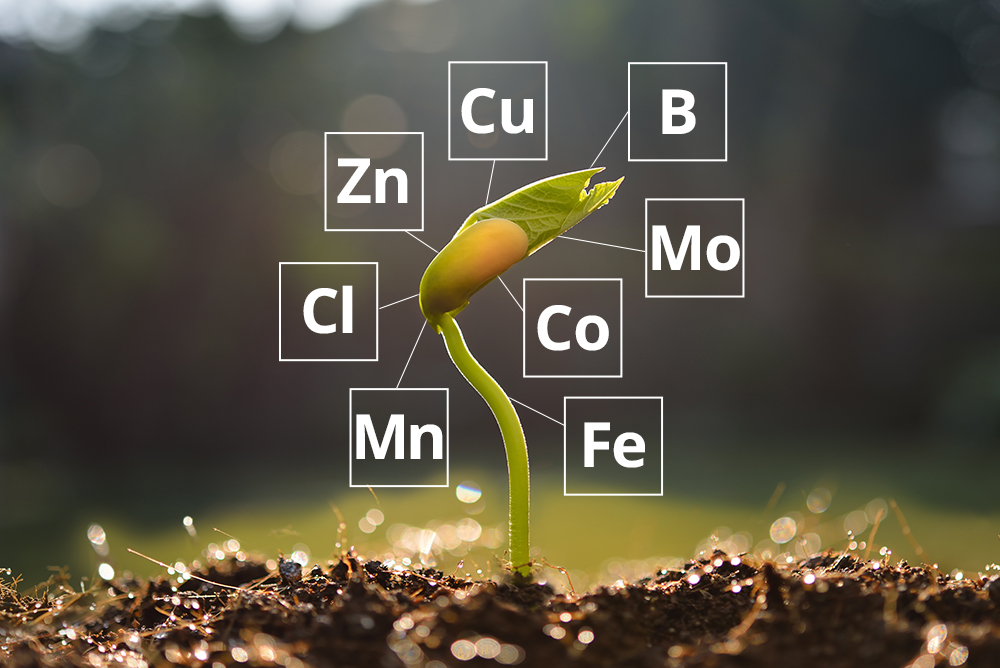
India's agricultural soils are among the most micronutrient-stressed in the world. Micronutrients such as zinc, boron, iron, manganese, copper, and molybdenum perform non-substitutable roles in plant metabolism — activating enzymes, synthesizing chlorophyll, and enabling reproductive function. Zinc deficiency alone affects an estimated 50 percent of India's arable land, according to national soil health survey data. These gaps are invisible until symptoms appear, and by that point, yield potential has already been compromised.
For practitioners managing the full range of plant care, herb growing, and farming operations, choosing the right micronutrient source is as consequential as selecting the right seed variety. The companies reviewed here were assessed on formulation breadth, regulatory compliance with India's Fertilizer Control Order, distribution infrastructure, and documented field efficacy.
Contents
Each micronutrient performs a function no other element can replicate. Zinc governs auxin biosynthesis and activates over 300 enzymatic reactions; its absence stunts internodes and produces small, distorted leaves. Iron catalyzes chlorophyll formation — deficiency produces the characteristic interveinal chlorosis visible on young tissue first. Boron regulates cell wall integrity and pollen viability, making it critical at flowering. Manganese supports the oxygen-evolving complex in photosystem II, and copper stabilizes proteins involved in electron transport.
The Indo-Gangetic Plains show persistent zinc and iron limitations, exacerbated by continuous rice-wheat rotation. The Deccan Plateau's black cotton soils are structurally boron-deficient. Coastal alluvial zones of Odisha and West Bengal exhibit copper and molybdenum shortfalls tied to waterlogged, anaerobic conditions. Understanding the geographic dimension narrows product selection considerably, even before a laboratory soil test is commissioned. For growers maintaining enclosed growing environments, a well-formulated indoor plant fertilizer that incorporates chelated trace elements addresses identical deficiencies at container scale.
Pro tip: A soil test that includes micronutrient fractions is far more diagnostic than visual inspection alone — early zinc and manganese deficiency symptoms are nearly indistinguishable without analytical data.
Selecting a micronutrient supplier involves more than comparing price per kilogram. Several criteria carry equal weight:
| Company | Headquarters | Key Micronutrients | Formulation Types | Primary Market |
|---|---|---|---|---|
| Coromandel International | Hyderabad | Zn, B, Fe, Mn | Granular, liquid, foliar | Commercial farms |
| National Fertilizers Ltd (NFL) | Noida | Zn, B, S | Granular, enriched urea | Government distribution |
| Rashtriya Chemicals & Fertilizers (RCF) | Mumbai | Zn, B, Fe | Granular, water-soluble | Commercial + retail |
| Zuari Agro Chemicals | Goa | Zn, Fe, Cu, Mn | Granular, soil-applied | Commercial farms |
| Utkarsh Agrochem | Rajkot | Multi-micro (EDTA chelated) | Water-soluble, foliar | Retail + export |
| Verdesian Life Sciences | USA (India operations) | Zn, B, Fe, multi-micro | Liquid, seed treatment | Precision agriculture |
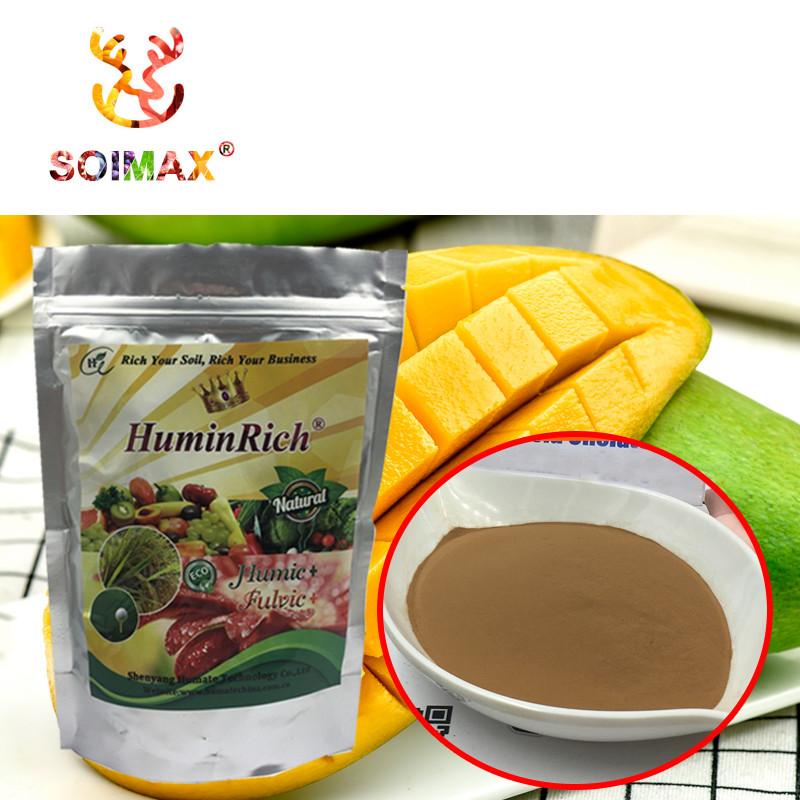
| Soimax | India | Multi-micro blend | Water-soluble | Retail, home garden |
| Going Green | India | Multi-micro + bloom NPK | Granular, bloom booster | Home garden, ornamentals |

Large-scale paddy and wheat growers benefit most from granular zinc sulfate or zinc EDTA blends applied at tillage or transplanting. Coromandel International and Zuari Agro Chemicals produce soil-applied zinc products with documented efficacy across the Indo-Gangetic belt. National Fertilizers Ltd distributes zinc-enriched urea through government-subsidized channels, reaching smallholder farmers who lack access to specialty retail. For iron-deficient wheat cultivated on alkaline Punjab soils, chelated iron foliar sprays consistently outperform soil-applied sulfate forms in bioavailability trials.
Growers managing raised bed operations should consult guidance on liners for raised garden beds to confirm that liner materials do not create chemical barriers that impede micronutrient movement into the root zone. This is a commonly overlooked interaction in intensive raised bed systems.
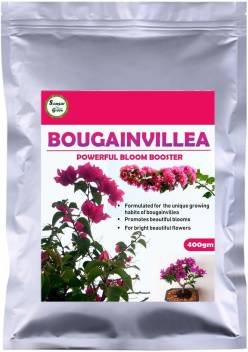
Tomatoes, peppers, and cucurbits are particularly sensitive to boron and calcium-boron imbalance. Standard practice on these crops calls for foliar boron application at early flowering, before deficiency symptoms become visible. For ornamental flowering plants — bougainvillea especially — the Going Green Bloom Booster integrates a multi-micronutrient matrix calibrated for high-phosphorus flowering cycles.
Indoor gardeners and hydroponics practitioners benefit most from water-soluble chelated formulations, which dissolve cleanly and can be dosed precisely into irrigation water. Those running controlled growing systems will find chelated micronutrient concentrates compatible with most equipment reviewed in comprehensive guides on hydroponics systems and kits. Container-grown bedroom indoor plants respond visibly to a single monthly dose of water-soluble multi-micronutrient — the dilution rates are low enough that a 500g packet serves an entire collection through a full growing season.
Verdesian Life Sciences, headquartered in the United States, operates in the Indian precision agriculture segment with liquid micronutrient and seed treatment concentrates. Their chelated zinc and boron liquid lines integrate directly with fertigation and pivot irrigation infrastructure. Seed treatment formulations from Verdesian have shown measurable stand improvement in soybean and cotton trials conducted across Maharashtra and Madhya Pradesh. The international presence in this category has raised the bar for chelation technology and label transparency across the entire Indian market.

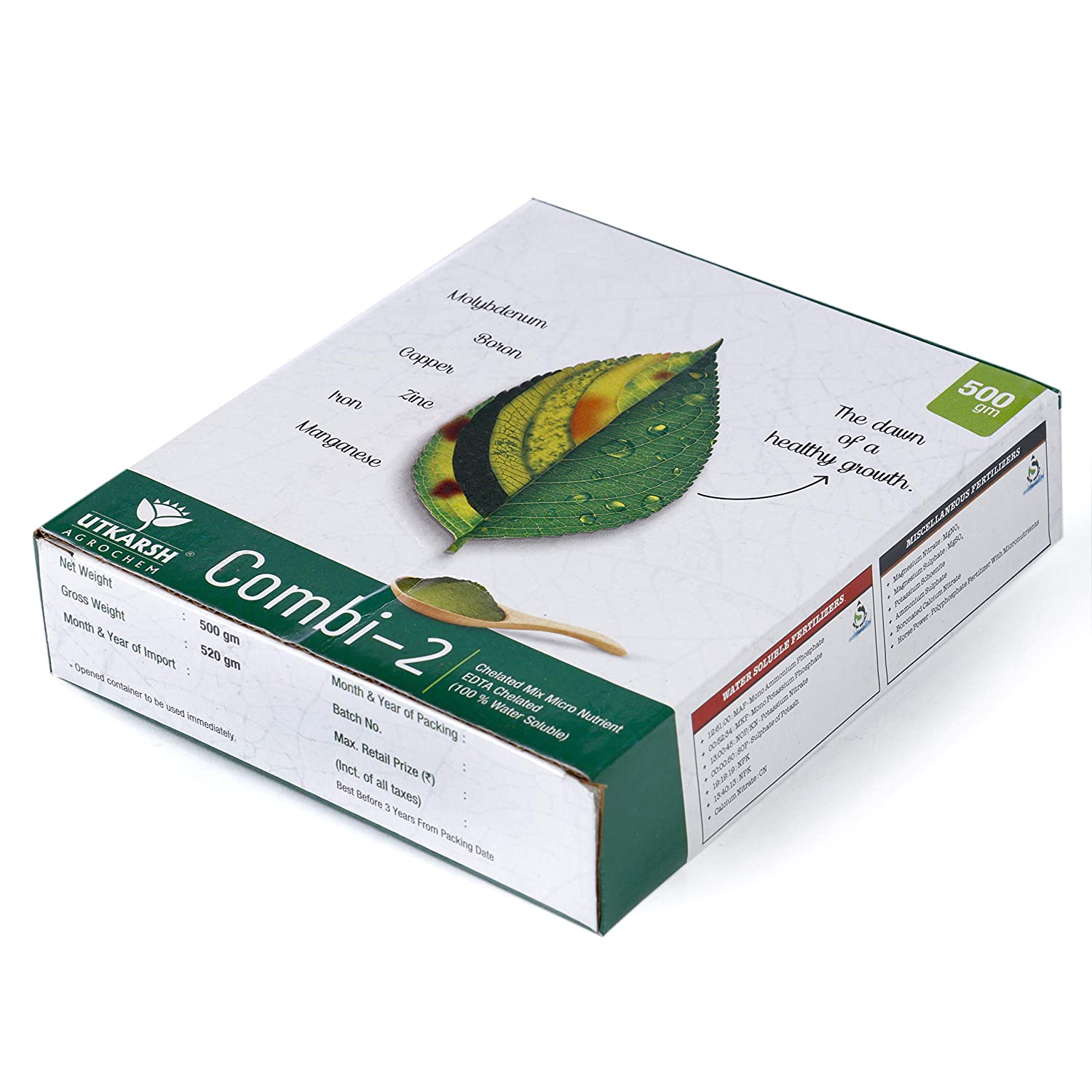
Utkarsh Agrochem, based in Rajkot, has become one of the most respected specialty micronutrient formulators in the retail segment. Their EDTA chelated multi-micronutrient line is stocked by agricultural input dealers nationwide and available through major e-commerce platforms in 500g, 1kg, and 5kg packs. The company's product documentation includes clear application charts calibrated by crop type and growth stage.
Rashtriya Chemicals and Fertilizers (RCF) and National Fertilizers Ltd represent the public-sector pillar of the micronutrient fertilizer companies India market, distributing through cooperative networks and fair-price shops that reach geographies underserved by private retail. Their formulations are cost-accessible but typically sulfate-based rather than chelated, making them most effective in near-neutral to slightly acidic soils.

Caution: Products labeled "multi-micronutrient" without a declared elemental assay provide no guarantee of adequate individual dosing — always verify the exact element percentages on the product label before purchase.
Home gardeners and small-plot growers operate within cost constraints that make per-kilogram pricing a primary filter. Sulfate-based micronutrients — zinc sulfate, ferrous sulfate, borax — represent the most economical entry point, typically priced at ₹40–₹100 per kilogram through local agricultural input dealers. Their principal limitation is lower bioavailability in alkaline or high-pH soils, where soluble sulfate forms are rapidly converted into insoluble complexes. A water-soluble chelated blend at two to three times the price often delivers superior results with a single application where a sulfate product would require multiple reapplications.
Gardeners focused on iron supplementation for turfgrass or ornamental beds will find detailed product evaluations in the liquid iron for lawns guide, which applies analogous selection logic. Those managing general lawn fertility programs can also consult the best lawn fertilizer reviews for context on how micronutrient blends fit within a complete fertilization schedule.
Commercial-scale buyers prioritize bulk pricing, documented field trial data, and technical support from company agronomists. Chelated EDTA products typically command ₹300–₹800 per kilogram but deliver performance advantages on alkaline soils that justify the premium. Coromandel International and Zuari Agro Chemicals offer dealer-direct pricing with volume discounts above 500kg purchase thresholds.
For precision agriculture operations using fertigation or drip irrigation, liquid concentrates from Verdesian and specialist domestic formulators justify higher unit costs through reduced application frequency and more uniform spatial distribution across the root zone. Growers operating containerized or enclosed systems should also consider the guidance available on indoor plant fertilizer selection, where the same chelated product logic applies at smaller scale.
Chelated micronutrients are bound to organic molecules (typically EDTA or DTPA) that protect the element from reacting with soil particles and forming insoluble compounds. This makes them significantly more bioavailable, especially in alkaline or high-pH soils. Sulfate-based micronutrients are less expensive but can become chemically unavailable quickly in calcareous soils, requiring higher application rates to achieve the same plant response.
Application frequency depends on the formulation and the crop's growth stage. Granular soil-applied products are typically worked in once per season at bed preparation. Foliar sprays are applied more frequently — often two to three times during the growing season, with the first application at early vegetative growth and subsequent applications timed to flowering or fruiting. Water-soluble blends added to irrigation can be applied monthly at low dilution rates for container plants.
Zinc is the most widespread micronutrient deficiency in India, affecting an estimated 50 percent of tested agricultural soils. Iron deficiency is the second most prevalent, particularly in alkaline and calcareous soils common across the Indo-Gangetic Plains and parts of Rajasthan and Gujarat. Boron deficiency is significant in sandy, leached soils and in the black cotton soils of central India.
Yes, provided the formulation is water-soluble and applied at appropriately diluted rates. Products designed for field application often carry higher elemental concentrations, requiring dose adjustments for container use. Water-soluble chelated blends from companies such as Utkarsh Agrochem and Soimax are well-suited to indoor applications and carry dosing guidance applicable to pots and planters.
National Fertilizers Ltd and Rashtriya Chemicals and Fertilizers (RCF) are credible, regulated manufacturers with decades of production history and compliance records. Their products undergo mandatory quality checks under the Fertilizer Control Order. The primary limitation is product range — their micronutrient lines are typically sulfate-based and less diverse than the specialty portfolios maintained by private formulators. For straightforward zinc or boron supplementation in near-neutral soils, their offerings represent reliable, cost-effective choices.
The most effective method depends on the element and the soil's chemical properties. Foliar application is generally faster-acting and more efficient for elements such as iron, manganese, and zinc in alkaline soils where soil-applied forms become quickly immobilized. Soil application is preferable for boron in sandy soils and for building sustained trace element reserves over multiple seasons. In high-alkalinity conditions, chelated foliar sprays typically outperform soil-applied sulfate forms by a significant margin.
Visual diagnosis provides initial clues — interveinal chlorosis on young leaves suggests iron or manganese deficiency, while stunted growing tips with small, distorted leaves indicate zinc shortage. Boron deficiency manifests as poor fruit set and brittle, curled young leaves. However, visual symptoms alone are unreliable for distinguishing between elements with overlapping symptom profiles. A soil test or plant tissue analysis from an accredited laboratory provides definitive diagnosis and allows for calibrated, targeted application rather than broad-spectrum guesswork.
Healthy plants are not an accident — they are the product of supplying the right elements at the right time, and no NPK blend substitutes for the trace minerals that quietly govern everything else.
 |
 |
 |
 |

About Christina Lopez
Christina Lopez grew up in the scenic city of Mountain View, California. For eighteen ascetic years, she refrained from eating meat until she discovered the exquisite delicacy of chicken thighs. Christina is a city finalist competitive pingpong player, an ocean diver, and an ex-pat in England and Japan. Currently, she is a computer science doctoral student. Christina writes late at night; most of her daytime is spent enchanting her magical herb garden.


Get new FREE Gifts. Or latest free growing e-books from our latest works.
Disable Ad block to reveal all the links. Once done, hit a button below
|
|
|
|
 rinjal