reviewed by Christina Lopez
A neighbor once returned from a weekend herb walk clutching a small amber bottle — echinacea tincture, she said, made from plants grown in her own backyard. Within a single season, her kitchen counter held a neat row of mason jars with handwritten labels and batch dates. That kind of progression happens to many gardeners who discover plant medicine. Learning how to make herbal extracts at home is a practical, satisfying skill that pairs naturally with any herb-growing setup — and it starts with nothing more than a glass jar, dried plant material, and the right solvent. Trinjal's plants, herbs, and farming resources cover the growing side; this guide picks up where the garden ends.
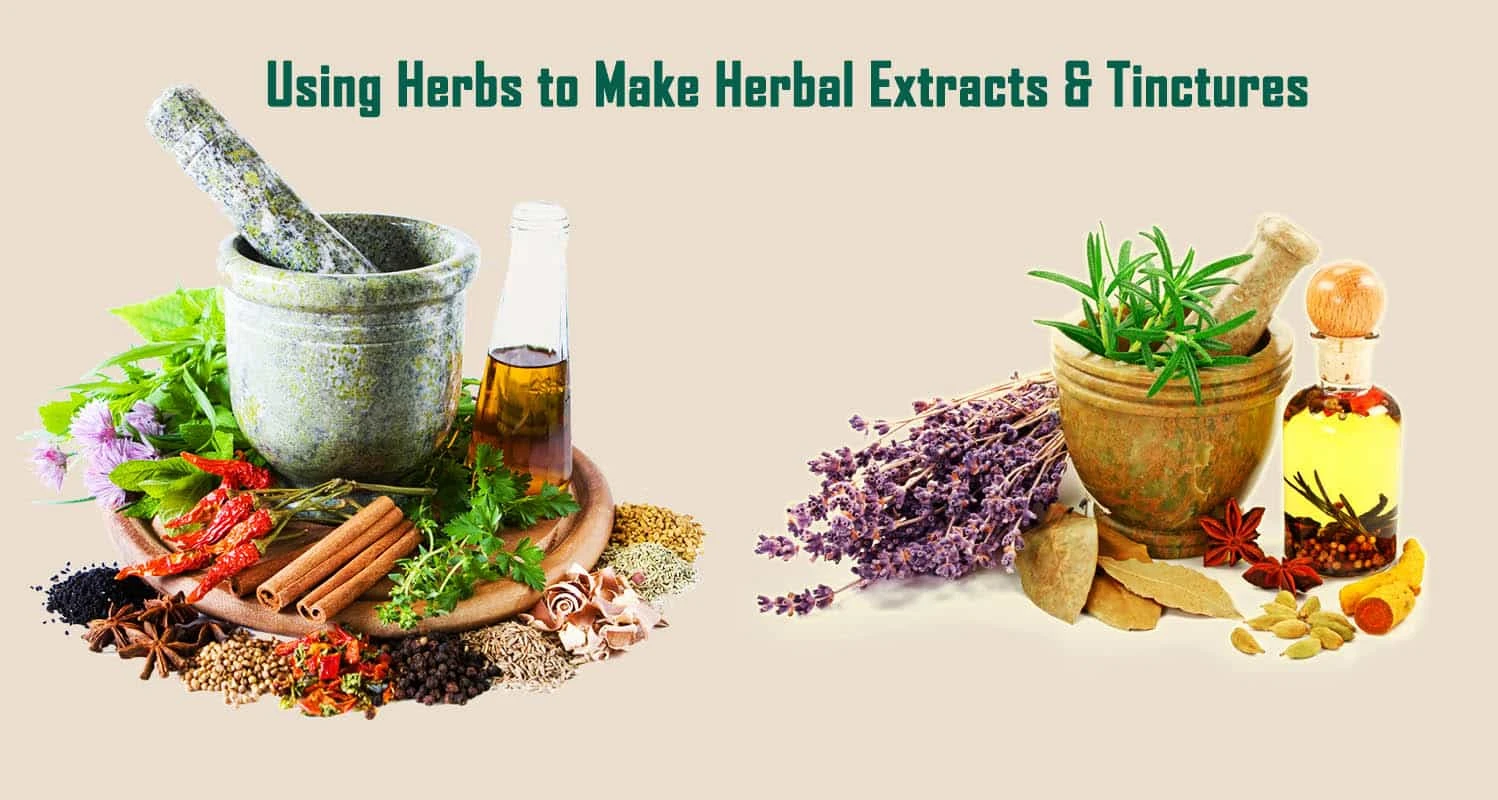
Herbal extracts and tinctures are concentrated liquid preparations made by drawing active compounds from plant material using a solvent — most often alcohol, vegetable glycerin, or apple cider vinegar. The resulting liquid is potent, shelf-stable, and preserves what the plant has to offer in a form that is easy to measure, store, and use. Alcohol-based tinctures are the most common form and have been used across traditional herbal systems for centuries, from Ayurveda to European folk medicine.
The process is well within reach for anyone who already grows herbs and wants to extend the harvest beyond fresh or dried use. For makers interested in flavor-based preparations as well, Trinjal's guide to making homemade extracts covers vanilla, almond, mint, and citrus varieties in detail. This article focuses on botanical and medicinal herbal preparations — covering extraction methods, startup costs, common errors, and reliable shortcuts for producing a strong first batch.
Contents
Herbal extracts occupy a wide range of wellness applications that gardeners are well-positioned to supply from their own plots. Echinacea tincture is one of the most popular preparations for immune support. Valerian root extract is widely used for sleep. Chamomile and lemon balm tinctures address mild tension and stress. These are not fringe uses — the National Center for Complementary and Integrative Health tracks growing research into botanicals used for health purposes, with many common garden herbs backed by meaningful evidence.
For gardeners growing plants valued for wellness properties, extracts represent a direct use of the harvest. Even a basic peppermint tincture serves as a digestive aid and tension reliever — connecting naturally to Trinjal's roundup of indoor plants that help with headaches, which highlights several herbs worth cultivating for exactly that purpose.
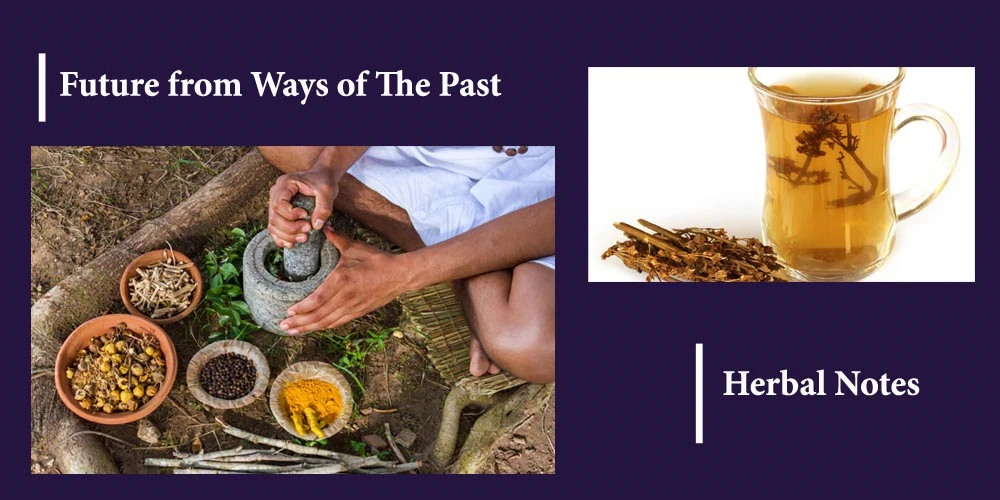
Not all herbal extracts are medicinal. Concentrated botanical liquids work as flavor additions in teas, baked goods, and handcrafted syrups. Rosemary extract functions as a natural preservative in foods. Lavender and eucalyptus extracts go into homemade cleaning products and skincare preparations. The range of applications makes learning how to make herbal extracts a broadly useful household skill — not a niche one — and any well-established herb garden can serve as the raw material source.
Three primary extraction methods are used in home herbalism, ranging from fully intuitive to technically precise. Each produces a viable result — the right choice depends on the maker's goals and experience level.
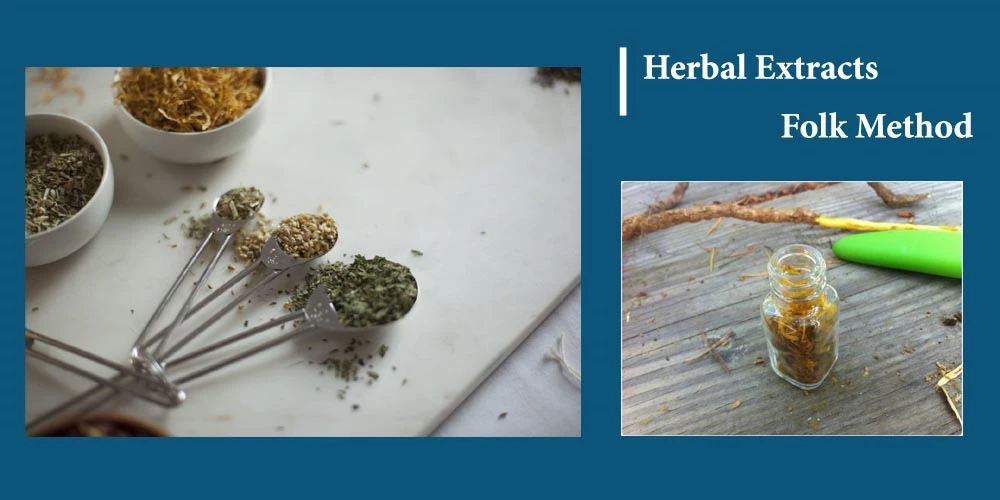
The folk method is where most beginners start. Dried or fresh herbs are packed into a glass jar, covered with alcohol — typically 80-proof vodka or grain alcohol — sealed tightly, and left to macerate for four to six weeks. The jar is shaken every few days to encourage extraction. After the waiting period, plant material is strained out through cheesecloth, and the finished liquid is bottled in dark glass.
No precise measurements are required. The folk method is intuitive and forgiving, producing results that satisfy most home herbalists on the first attempt. It is the natural entry point before moving to more controlled approaches.
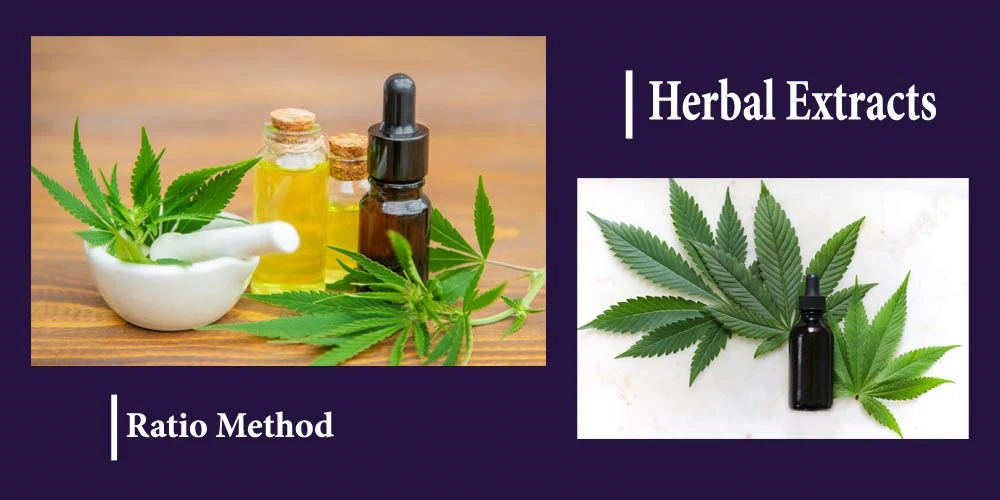
The ratio method brings precision to the process. A standardized herb-to-solvent ratio guides the preparation — commonly 1:5 for dried herbs (one gram of herb per five milliliters of solvent) or 1:2 for fresh herbs. This approach produces consistent, reproducible batches and suits anyone who wants to track dosing or scale production. Consistency is the core advantage of working with defined ratios, especially when preparing extracts intended for regular use.
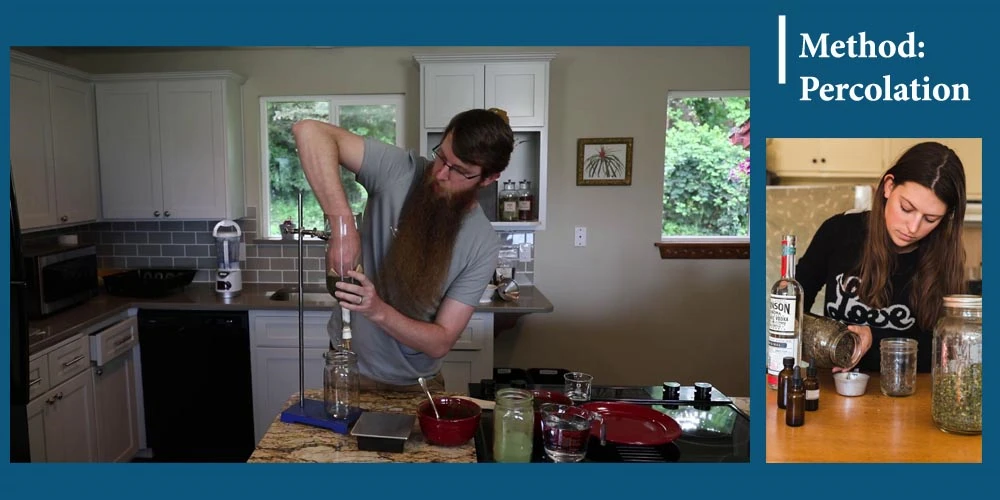
Percolation is the advanced option. Dried, powdered herbs are packed into a cone-shaped vessel, and solvent drips slowly through the plant material, collecting in a container below. The process takes 24–48 hours versus the weeks required for maceration and yields a highly concentrated product. More equipment and technique are involved, but the time efficiency at larger volumes is a clear advantage for serious makers.
Pro tip: The folk method delivers excellent results for the vast majority of common herbs — reserve percolation for high-demand roots and resins where concentration and speed genuinely matter.
One of the most appealing aspects of home extract-making is the low barrier to entry. The folk method requires almost no dedicated equipment beyond what most kitchens already have. Here is a realistic cost breakdown for a first batch using the maceration approach:
| Item | Estimated Cost | Notes |
|---|---|---|
| Mason jars (4–6 oz) | $1–$3 each | Wide-mouth jars pack and strain most easily |
| 80-proof vodka (750 ml) | $10–$20 | Higher proof improves extraction of resins |
| Dried herbs (1–2 oz per batch) | $4–$12 | Homegrown material costs nearly nothing |
| Cheesecloth or fine strainer | $3–$8 | Reusable; effectively a one-time purchase |
| Amber glass dropper bottles | $8–$15 per 10-pack | Protects the finished extract from light degradation |
| Total (first batch) | $26–$58 | Costs fall sharply once herbs are homegrown |
The biggest ongoing expense is herb sourcing — and that cost drops significantly for anyone growing their own. Building an indoor herb garden with even a few reliable varieties — chamomile, lemon balm, or peppermint — cuts per-batch ingredient costs to near zero. For those interested in a higher-yield operation, a hydroponics herb garden produces consistent, soil-free harvests year-round. Equipment is a one-time investment. After a few batches, most makers find their per-unit costs have dropped by 50% or more.
Alcohol is the most effective solvent for most botanical compounds because it pulls both water-soluble and fat-soluble constituents from plant material simultaneously. For non-alcohol preparations, vegetable glycerin is a suitable option — particularly for children or those avoiding alcohol — though glycerites are milder and have a shorter shelf life. Apple cider vinegar works for culinary-grade preparations but degrades faster than alcohol-based extracts. The alcohol percentage matters considerably: 40–60% (80–120 proof) suits most leafy herbs and flowers; dried roots and resins often require concentrations closer to 60–70% for thorough extraction.
The quality of the finished extract depends directly on the quality of the plant material going in. Freshly dried herbs with vivid color, strong aroma, and no signs of moisture damage produce noticeably better results than old, faded stock. Proper care during the growing season matters — Trinjal's guide on how to water plants and herbs covers the fundamentals of keeping herb plants in peak condition right up to harvest.
Warning: Using alcohol below 80 proof (40% ABV) risks microbial growth during maceration — especially with fresh herbs, which carry significantly more moisture than dried material.
The most common errors in beginner batches come from skipping basic steps. Using fresh herbs without accounting for their water content is a frequent mistake — fresh plant material releases moisture into the solvent, diluting it and potentially creating conditions for mold or spoilage. The fix is either to wilt fresh herbs for 24 hours before packing, or to use properly dried material for the folk method. Every step in the process exists for a reason.
A perfectly made extract loses value quickly if stored incorrectly. Heat, light, and oxygen are the primary enemies of a finished tincture. Completed extracts belong in dark amber or cobalt glass bottles, stored away from heat sources and direct sunlight. Every bottle should carry a label noting the herb name, solvent type, ratio if known, and the preparation date. Unlabeled bottles create real confusion — and in any collection of multiple extracts, that confusion compounds rapidly.
A finished tincture that lacks taste or aroma has almost always suffered from one of three problems: plant material that was past its potency peak, too little herb relative to the volume of solvent, or an alcohol percentage too low to extract the target compounds. The remedy is double maceration — straining the weak extract, then using that liquid as the solvent for a fresh batch of herbs. This concentrates the extract without discarding what has already been produced and typically resolves the issue in a single additional cycle.
Cloudiness alone is normal — tannins and plant compounds naturally create turbidity in many extracts. Visible mold, however, signals a genuine problem. It typically appears when fresh herbs with high moisture content were used, plant material was not fully submerged in solvent, or the alcohol percentage was too low. Any batch with visible mold should be discarded without exception. Prevention is straightforward: ensure all plant material stays below the solvent line throughout the entire maceration period.
The fastest path to a successful first extract is choosing herbs that are forgiving, widely available, and well-documented. These five consistently deliver strong results with the folk method:
Most folk method guides recommend four to six weeks of maceration, but a solid extract forms within 30 days for most dried herbs. Shaking the jar daily — rather than every few days — accelerates compound transfer into the solvent. At the 30-day mark, strain a small amount and taste it: if the flavor is strong and the liquid has deepened in color, the batch is ready. If not, allow another week before final straining. This approach delivers a finished product quickly enough to evaluate what worked and apply those observations directly to the next batch.
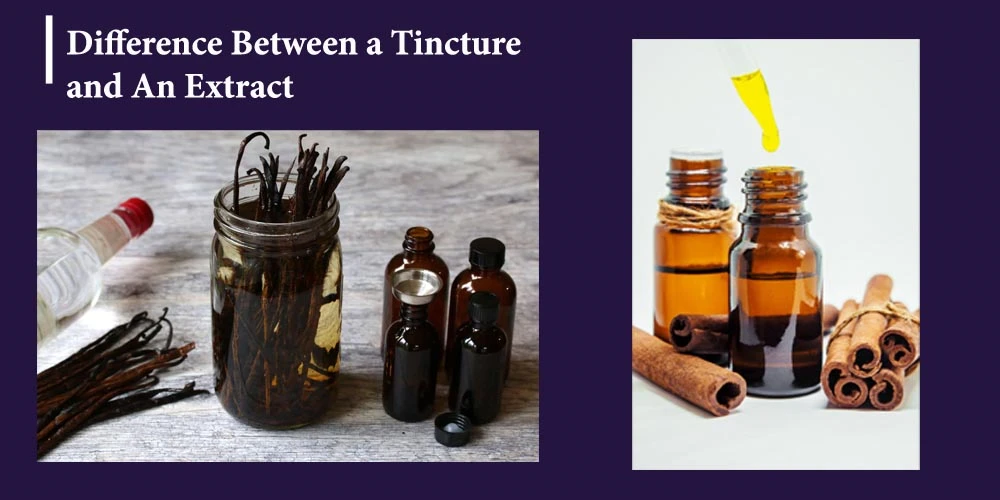
A tincture is a specific type of herbal extract made with alcohol as the primary solvent. The term "herbal extract" is broader and covers preparations made with glycerin, vinegar, water, or other solvents. All tinctures are extracts, but not all extracts qualify as tinctures.
Most dried herbs extract effectively in 80-proof vodka (40% ABV), which is the standard starting point. Tougher material — dried roots, barks, and resins — benefits from higher proof alcohol between 120 and 190 proof for more thorough extraction of fat-soluble compounds.
Alcohol-based tinctures stored in dark glass away from heat and light retain potency for three to five years. Glycerin-based extracts have a shorter shelf life of one to two years. Vinegar preparations are best used within six to twelve months.
Yes, but the approach requires adjustment. Fresh herbs contain significantly more moisture, which dilutes the alcohol content of the solvent. A 1:2 ratio — one part fresh herb by weight to two parts solvent by volume — is the standard starting point for fresh material. High-moisture herbs like lemon balm and fresh echinacea root are commonly prepared this way.
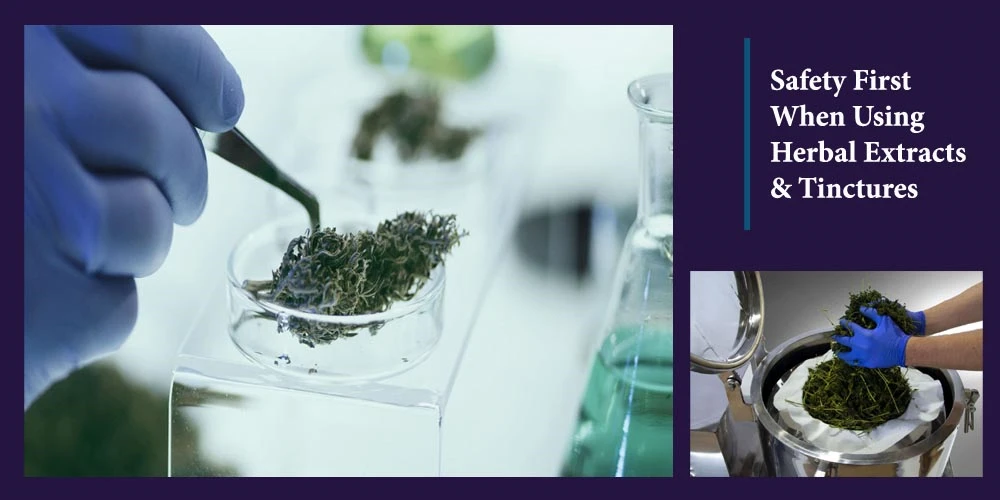
Most culinary and common wellness herbs are safe to work with at home. However, some plants are toxic and require expert knowledge before use. Thoroughly researching each herb before preparation is essential, and consulting a qualified herbalist is advisable for anyone using extracts for therapeutic purposes rather than general wellness.
Making herbal extracts at home is one of the most direct ways to put a productive herb garden to work beyond the kitchen. The folk method asks for almost no financial investment, delivers results within a month, and builds the foundational knowledge needed for more precise techniques over time. Anyone ready to begin can start with a jar of chamomile, a bottle of vodka, and the confidence that generations of herbalists have refined this process — explore Trinjal's plants, herbs, and farming section to find the herbs most worth growing specifically with extraction in mind.
 |
 |
 |
 |

About Christina Lopez
Christina Lopez grew up in the scenic city of Mountain View, California. For eighteen ascetic years, she refrained from eating meat until she discovered the exquisite delicacy of chicken thighs. Christina is a city finalist competitive pingpong player, an ocean diver, and an ex-pat in England and Japan. Currently, she is a computer science doctoral student. Christina writes late at night; most of her daytime is spent enchanting her magical herb garden.


Get new FREE Gifts. Or latest free growing e-books from our latest works.
Disable Ad block to reveal all the links. Once done, hit a button below
|
|
|
|
 rinjal