reviewed by Christina Lopez
A single 2-ounce bottle of pure vanilla extract can cost $15 or more at the grocery store — yet the ingredient cost to make the same thing at home is under $5. Learning how to make homemade extracts is one of the most rewarding DIY projects you can take on as a home gardener, especially if you're already growing herbs through your plants and herbs garden. Vanilla, almond, mint, orange, and lemon extracts are all within reach, and the method is far simpler than you'd expect.

The concept is beautifully simple: steep a flavoring agent — vanilla beans, fresh herbs, citrus zest, or nuts — in food-grade alcohol, wait, and let chemistry do the work. The result is a concentrated liquid that genuinely outperforms most commercial bottles. Food extracts have been made this way for centuries. The store-bought versions added convenience, not quality.
This guide covers all five extracts. You'll get a side-by-side comparison of what each one needs, a step-by-step process, tips for growing your own ingredients, and storage advice that makes a real difference in the final result. — By Truman Perkins
Contents
Not all extracts behave the same way. The main ingredient, alcohol-to-ingredient ratio, and steep time each vary. Before you commit to a batch, it helps to see everything side by side so you can plan around what you already have — or what you want to grow.
| Extract | Main Ingredient | Best Alcohol | Ratio per Cup of Alcohol | Steep Time |
|---|---|---|---|---|
| Vanilla | Vanilla beans, split lengthwise | 80-proof vodka | 3–5 beans | 8–12 weeks |
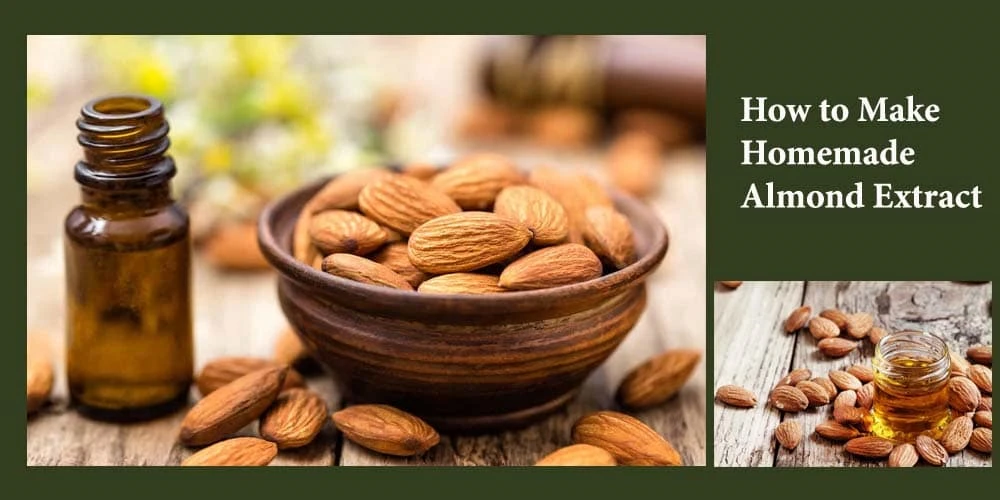
| Almond | Raw blanched almonds, rough-chopped | Vodka or brandy | ½ cup almonds | 6–8 weeks |
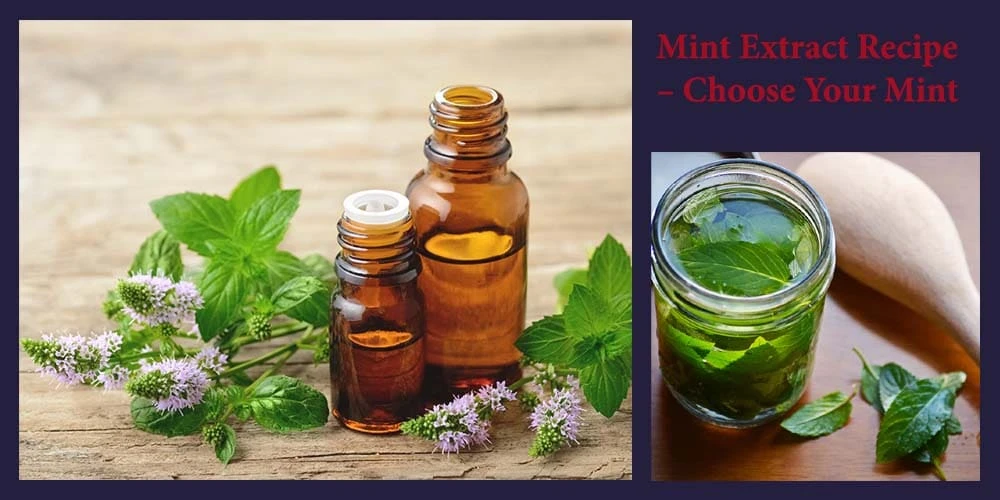
| Mint | Fresh peppermint leaves, stems removed | 80-proof vodka | 1 cup loosely packed | 4–6 weeks |
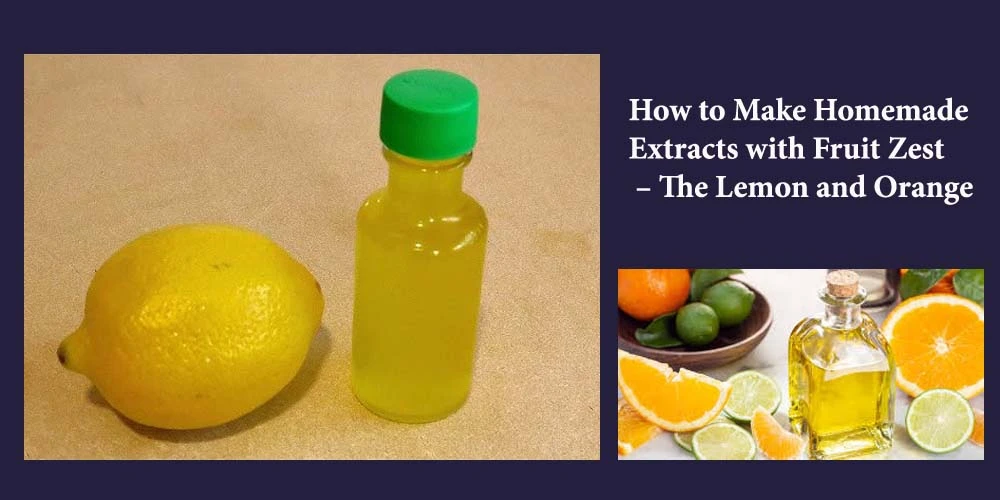
| Orange | Fresh orange zest, no white pith | Vodka or light rum | Zest of 2 oranges | 4–6 weeks |
| Lemon | Fresh lemon zest, no white pith | Vodka or light rum | Zest of 3–4 lemons | 4–6 weeks |
Start with mint if you grow it. It's the fastest, it's forgiving, and the results are immediately obvious — sharp, clean, and nothing like synthetic peppermint oil. Vanilla is absolutely worth making, but only if you're willing to leave it alone for two to three months. Orange and lemon are excellent second projects — citrus zest is cheap, the process is the same as mint, and you'll use the extract constantly in baking and drinks.
Almond extract is the one most people skip, which is a mistake. Homemade almond extract has a fuller, less artificial flavor than almost anything you can buy — it's worth the extra week of steep time.
The core process is the same for every extract. You need a clean glass jar, food-grade alcohol, and your main ingredient. That's it. Here's how to do it correctly the first time.
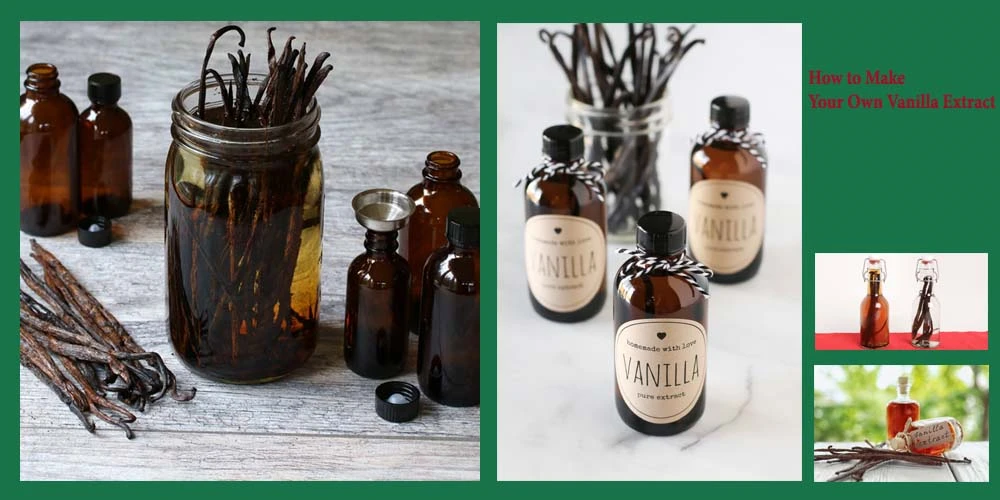
Pro tip: Don't strain vanilla until it's a deep, rich amber color. Pale yellow at eight weeks means it needs more time — pull it early and you're wasting the beans.
Once you've made a successful basic batch, a few adjustments take your extracts to the next level:
This is where extract-making connects directly to gardening. Growing your own herbs gives you a free, renewable supply of extract ingredients that you control from seed to bottle. Mint is the obvious entry point — it's aggressive, low-maintenance, and produces more leaf than most people can use fresh. Lemon balm and lemon verbena are both excellent for lemon-forward extracts and easier to grow in most climates than actual lemon trees.
If you want to close the loop between your garden and your kitchen, these are the plants worth prioritizing:
If you're already growing microgreens at home, you already understand the basics — small containers, consistent moisture, and indirect light. Adding mint or lemon balm to your indoor setup is a natural next step that requires almost no extra effort.
Vanilla and almonds aren't realistic home-grow options in most climates. For these, sourcing quality ingredients makes the difference:
Warning: Never substitute bitter almond oil or raw apricot kernels for almonds in extract-making — they contain amygdalin, which converts to cyanide in concentrated amounts.
Making the extract is only half the job. How you store it and how you use it determines whether all that waiting pays off. These rules aren't suggestions — follow them and your extracts will reward you for years.
Store finished extracts in dark glass bottles. Light degrades flavor compounds faster than almost anything else. Amber or cobalt glass bottles are ideal. A cool, dark pantry shelf is all you need — no refrigeration, no special equipment. Properly stored, extracts last indefinitely. Vanilla genuinely improves with age. Citrus extracts are best used within two years for peak brightness, though they don't "go bad" after that.
Label every bottle with the batch start date and strain date. You will have multiple amber bottles within a year, and you will not remember which one is which. Keep your equipment clean between batches the same way you'd care for any precision tool — the same discipline you apply when you clean your garden tools applies here.
Color and smell are your two best indicators. Vanilla must reach a deep, rich amber — if it's still pale yellow at eight weeks, it's not done. Mint extract is ready when the raw "green plant" smell is completely gone and all you smell is clean, sharp peppermint. Citrus extracts are ready when the sharp alcohol edge softens and citrus aroma takes over completely.
Taste a tiny drop on your fingertip if you're unsure. You'll know instantly. The vodka punch should be entirely replaced by the dominant flavor of the ingredient. If it still tastes mostly like alcohol, give it two more weeks.
Once you're deep into herb growing and kitchen DIY, it's worth expanding your ingredient roster. Growing shiso indoors gives you access to another unique extract ingredient — anise-like, slightly spiced, and unlike anything commercially available. And if you're expanding your home food production generally, growing leafy vegetables in pots pairs naturally with a kitchen herb setup.
Vodka is the best default because its neutral flavor lets the main ingredient come through without competition. Brandy and light rum work well for almond and citrus extracts and add subtle background complexity. Stick with vodka for vanilla. Never use rubbing alcohol or any non-food-grade spirit — they're toxic.
You can warm the jar gently in a water bath to speed infusion slightly, but avoid it for vanilla — heat can introduce bitterness. For mint and citrus, a brief warm infusion (well below simmering) can cut steep time to one or two weeks, but the flavor is slightly less nuanced than a cold steep. Patience produces better extracts.
Pure commercial extract is made the same way — alcohol infusion — but uses standardized concentrations and sometimes added stabilizers. Homemade batches vary slightly in strength from batch to batch, but the flavor is typically richer and more complex when you start with fresh, quality ingredients. The difference is most obvious with vanilla.
Start with the same amount the recipe calls for, then taste and adjust. Homemade extracts — especially vanilla — are often more concentrated than commercial versions. You may find that half the amount delivers the same result. That's a good problem to have, since it means your bottles last longer.
Yes — food-grade vegetable glycerin works as an alcohol-free base. The extraction process is less efficient, the flavor is milder, and steep times run longer (up to eight weeks for mint versus four with vodka). Glycerin-based extracts also have a slightly sweet background note. They work well for people who need to avoid alcohol entirely.
 |
 |
 |
 |

About Christina Lopez
Christina Lopez grew up in the scenic city of Mountain View, California. For eighteen ascetic years, she refrained from eating meat until she discovered the exquisite delicacy of chicken thighs. Christina is a city finalist competitive pingpong player, an ocean diver, and an ex-pat in England and Japan. Currently, she is a computer science doctoral student. Christina writes late at night; most of her daytime is spent enchanting her magical herb garden.


Get new FREE Gifts. Or latest free growing e-books from our latest works.
Disable Ad block to reveal all the links. Once done, hit a button below
|
|
|
|
 rinjal