More than 35 million American households now grow vegetables in containers, and the number keeps climbing every year as urban gardens, balconies, and small-space plots replace traditional backyard beds. The single factor that separates a thriving container vegetable garden from a disappointing harvest is what you put inside the pot. Standard garden soil compacts under repeated watering, cuts off oxygen to roots, and drains so poorly that plants essentially drown in standing water. Purpose-built potting mixes solve all three problems at once, and in 2026 the market offers more choices than ever — from slow-release synthetic blends to fully certified organic mixes loaded with earthworm castings and beneficial microbes. Choosing the right one for your tomatoes, peppers, lettuces, or herbs can genuinely double your yield without changing anything else about your routine.
The challenge is figuring out which formula actually delivers. Marketing language on potting soil bags tends toward the dramatic — "grows plants twice as big," "feeds for six months," "rich living soil" — but the real differences come down to a handful of concrete factors: drainage characteristics, nutrient density, organic matter content, pH stability, and how long the mix stays loose and workable before it breaks down into something resembling mud. We've reviewed seven of the top-selling soils for container vegetables available right now, covering both conventional and organic gardening options so you can find the best match for your specific setup, budget, and growing philosophy.

Whether you're planting a single tomato on a sunny apartment balcony or running a dozen containers of salad greens, the right potting soil makes every subsequent step easier. It holds moisture without waterlogging, provides a hospitable pH range for nutrient uptake, and gives roots the loose, aerated structure they need to explore and establish quickly. If you're also growing strawberries in containers alongside your vegetables, take a look at our guide to the 10 Best Soils for Strawberries for mix recommendations specifically tuned to fruiting berry plants. For herb growers adding basil, parsley, or thyme to their container gardens, our 13 Best Potting Soils for Herbs covers lighter-feeding mixes that won't overwhelm delicate aromatic plants. Read on for in-depth reviews of each product, a practical buying guide, and answers to the most common questions about container vegetable soil.
Contents





Miracle-Gro Potting Mix remains one of the most widely used container soils in North America, and the 2-pack of 8-quart bags makes it an accessible starting point for gardeners who don't want to commit to a huge bag before knowing how a mix performs. The key selling point is the continuous-release fertilizer blended directly into the mix, which claims to feed plants for up to six months without any additional supplementation. In practical terms for container vegetables, that means you can plant tomatoes, peppers, or zucchini directly into this mix and expect reasonably consistent nutrition through the entire growing season without reaching for a bottle of liquid feed every week.
The texture is well-balanced, with enough perlite mixed in to encourage drainage and prevent the compaction that plagues heavier garden soils. Miracle-Gro's own data shows plants growing twice as large compared to unfed plants, which is a comparison against bare unfertilized media rather than other premium mixes — worth keeping in mind when you weigh that claim. For fast-growing crops like lettuce, chard, or bush beans, the built-in nutrition is genuinely convenient, especially for container gardeners who prefer a low-maintenance approach. Heavy feeders like tomatoes may still benefit from supplemental calcium and magnesium later in the season, as the slow-release nutrients start to deplete around the three-month mark in warm climates where frequent watering leaches nutrients faster.
The 2-pack format is useful for smaller balcony containers or for trying the mix before scaling up, though larger raised container beds will require multiple bags. If you're filling a 15-gallon fabric pot, budget accordingly. Overall, this is a reliable workhorse mix that gives you a solid foundation without requiring much gardening expertise to use correctly.
Pros:
Cons:
FoxFarm Ocean Forest is a cult favorite among serious container gardeners, and its reputation is well-earned. The 1.5 cubic foot bag is ready to use straight out of the package with no mixing, no amendments, and no waiting — you open it, fill the pot, and plant. The formula draws on a diverse blend of composted forest products, earthworm castings, bat guano, and sea-based ingredients including crab meal and shrimp meal, creating a nutrient-dense, biologically active medium that supports strong root development from the first day. The slightly acidic pH (6.2–6.8) sits comfortably in the sweet spot for most vegetables, including tomatoes, peppers, cucumbers, and leafy greens.
Where Ocean Forest distinguishes itself from commodity potting mixes is texture and biological diversity. The blend is noticeably lighter and airier than average bagged soil, which translates directly into faster drainage, better oxygen penetration around the root zone, and less risk of overwatering — a critical factor when you're growing in containers where water has nowhere to go except through the drainage holes. The living microbial component in the mix helps break down organic matter into plant-available nutrients progressively throughout the season, reducing the hard crash in fertility that synthetic-only mixes often experience after their slow-release charge runs out.
At 1.5 cubic feet, this bag fills a significant volume of container space per purchase, making the per-unit cost more manageable for larger container setups. Some gardeners report that the mix runs slightly "hot" (high in nitrogen) for seedlings, so if you're direct-sowing delicate seeds, consider starting them in a lighter seed-starting mix and transplanting into Ocean Forest once they've established their first true leaves.
Pros:
Cons:
Espoma's Organic Potting Soil Mix occupies a strong position for gardeners who want a fully natural, certified organic growing medium for their container vegetables. The 16-quart bag is suitable for both indoor and outdoor containers, which gives it flexibility across herb pots on a windowsill and full-size pepper plants on a patio. The ingredient profile is impressive: sphagnum peat moss, humus, and perlite form the structural base, while earthworm castings, alfalfa meal, kelp meal, and feather meal contribute a layered organic nutrient profile that releases gradually as microbial activity processes it. This is slow, steady nutrition rather than the burst-and-decline pattern of some synthetic slow-release fertilizers.
The Myco-Tone feature — Espoma's proprietary blend of both endo- and ecto-mycorrhizae — is one of the most substantive differentiators in this product. Mycorrhizal fungi colonize plant roots and extend their effective surface area dramatically, improving the plant's ability to absorb water and phosphorus from the surrounding medium. According to peer-reviewed research cited by USDA Agricultural Research Service, mycorrhizal inoculants can meaningfully improve plant establishment and drought tolerance, especially in the critical first weeks after transplanting. For vegetable container gardeners who want to give their plants the best possible start, this is a meaningful feature rather than marketing fluff.
The texture is consistent and workable, though the peat-forward formula means moisture management requires some attention — peat can become hydrophobic when it dries out completely, so regular watering habits are important. Container vegetables do well in this mix through an entire growing season, particularly herbs, tomatoes, and leafy greens where the organic feeding profile keeps pace with the plant's needs without overdoing nitrogen.
Pros:
Cons:
Burpee is a name with deep roots in the home gardening world, and their Premium Organic Potting Mix lives up to the brand's reputation for quality. The 9-quart bag is OMRI Listed for organic use, which means an independent third-party certification body has verified the ingredient claims — a meaningful assurance if growing organically matters to your household. What sets this mix apart structurally is the inclusion of coconut coir as a key ingredient alongside the standard peat moss and perlite base. Coconut coir is a sustainable byproduct of coconut processing that absorbs and holds moisture more consistently than peat alone, and it doesn't become hydrophobic when dry, making re-wetting the mix after it dries out significantly easier.
For container vegetable gardeners who struggle with keeping pots evenly moist — a common challenge on hot patios or with fast-draining terracotta containers — the coir component is a genuine practical benefit. The mix feeds plants immediately on planting, then transitions to a slow-release organic food that continues providing nutrition for up to three months. That's half the claimed duration of the Miracle-Gro conventional mix, so you'll want to plan for supplemental feeding around the halfway point of a full vegetable growing season. The mix works across seeds, transplants, containers, and raised beds, giving it genuine versatility if you're managing multiple growing formats in the same garden.
The 9-quart size is practical for refilling smaller pots and planters without buying more than you'll use in a season. If you're planting in large fabric grow bags, plan on multiple bags. The all-natural, OMRI-certified formula makes it a strong choice for edible gardens where you're cautious about synthetic inputs near food crops.
Pros:
Cons:
FoxFarm's Happy Frog is the more microbe-forward companion to Ocean Forest in FoxFarm's lineup, and for container vegetable gardeners who think about soil biology, it's a compelling choice in 2026. The 12-quart bag is ready to use straight out of the package and is designed to support plant growth in any container setting, indoors or out. The amendment list reads like a premium organic garden recipe: earthworm castings for slow-release nitrogen, bat guano for phosphorus, and aged forest products for carbon-rich organic matter that feeds the microbial community long-term. What genuinely distinguishes Happy Frog from most competitors, though, is the custom blend of soil microbes that FoxFarm includes specifically to improve root efficiency and encourage nutrient uptake.
Healthy soil biology in a container is not a given — most bagged mixes are pasteurized to eliminate pathogens, which also kills beneficial microbes. Products that reintroduce those organisms after sterilization give your plant roots a living partner network that actively solubilizes nutrients and extends the root's effective feeding range. Ficus, geraniums, lemon trees, and similarly demanding container plants are specifically called out in FoxFarm's documentation, which suggests the mix handles a broad spectrum of nutrient demands. For vegetables, the combination of organic amendments and microbial inoculants creates a feeding ecosystem rather than just a static nutrient reservoir, meaning the mix keeps working as long as you keep it moist and biologically active through the growing season.
The 12-quart size is a sweet spot for mid-size patio containers and grow bags up to about 7–10 gallons. If you enjoy experimenting with companion planting or polyculture container gardens where multiple vegetable types share a large planter, the balanced nutrition and microbial support in Happy Frog provides a flexible foundation that accommodates different crop needs without constant adjustment. See also our guide to the Best Soil Amendments and Conditioners if you want to boost this or any potting mix with targeted nutrient additions mid-season.
Pros:
Cons:
Vermont Compost Company's Fort Vee is one of the most ingredient-intensive potting mixes in this roundup, and it shows in the nutrient density and structural integrity of the finished product. The 20-quart bag is an all-organic, compost-based formulation designed specifically for heavy feeders — those crops like tomatoes, peppers, broccoli, corn, cucumbers, eggplant, melons, and squash that demand consistently high nutrition throughout their entire growing cycle. The ingredient list goes well beyond standard peat-perlite mixes: composted manure and plant materials, blonde horticultural grade sphagnum peat moss, crushed and screened granite and basalt, blood meal, kelp meal, steamed bone meal, mined gypsum, vermiculite, washed coconut coir, and biodynamic herbal preparations are all present in the blend.
That level of formulation complexity is unusual in the bagged potting mix category and reflects Fort Vee's origin as a professional growing medium used by commercial greenhouse and nursery operations. The granite and basalt inclusions are particularly noteworthy — these slow-weathering minerals provide a micronutrient reservoir (calcium, magnesium, iron, trace elements) that releases gradually over multiple growing seasons, giving the mix a longevity that purely organic-matter-based blends can't match. Vermiculite adds moisture retention and aeration in proportion, and the gypsum helps maintain calcium availability while improving drainage in clay-prone soils — less relevant in containers, but still beneficial for overall structure.
Fort Vee is also specifically designed for soil blocks, trays, and pots, meaning the mix holds its form when pressed or molded, which is valuable if you start transplants or use a soil-block seed-starting system. The 20-quart bag covers a meaningful volume, and the premium per-quart price reflects the complexity of the formula. If you're growing heavy-feeding vegetables in large containers and want to skip most of the mid-season supplemental feeding, this is the mix that gives you the most nutritional runway out of the bag.
Pros:
Cons:
Miracle-Gro's Organic Outdoor Potting Mix bridges the gap between the brand's conventional high-convenience formula and the fully natural ingredient profiles that organic gardeners prefer. The 16-quart bag is OMRI Listed, meaning it meets the standards for use in certified organic production, and it contains a quick-release natural plant fertilizer alongside a nutrient profile that feeds plants for up to two months. The responsibly sourced peat moss used in this mix comes from certified producers, which addresses one of the more legitimate sustainability criticisms leveled at peat-based potting soils — peat extraction from boreal bogs releases stored carbon and disrupts sensitive ecosystems, so sourcing certification is a meaningful environmental distinction.
The quick-release natural fertilizer component is worth paying attention to, particularly if you're transplanting vegetable seedlings that need immediate nutritional support to overcome transplant shock. Unlike slow-release mixes where nutrients only become available after microbial breakdown, the quick-release fraction in this mix provides accessible nutrients right away, creating a smoother establishment window for your crops. The two-month feeding duration is on the shorter end of the spectrum for a full vegetable season, so plan to introduce a supplemental organic liquid feed around the 6–8 week mark for long-season crops like indeterminate tomatoes or peppers that will continue producing well into fall.
This mix is specifically formulated for outdoor container use, which means it's calibrated for the temperature swings, rain events, and UV exposure that outdoor pots experience over the course of a growing season. It handles flowers, vegetables, herbs, annuals, and perennials, giving you a single bag of soil that works across everything on a mixed patio or balcony garden. For gardeners who want the trust and availability of the Miracle-Gro name combined with organic certification credentials, this product delivers both in a single package.
Pros:
Cons:
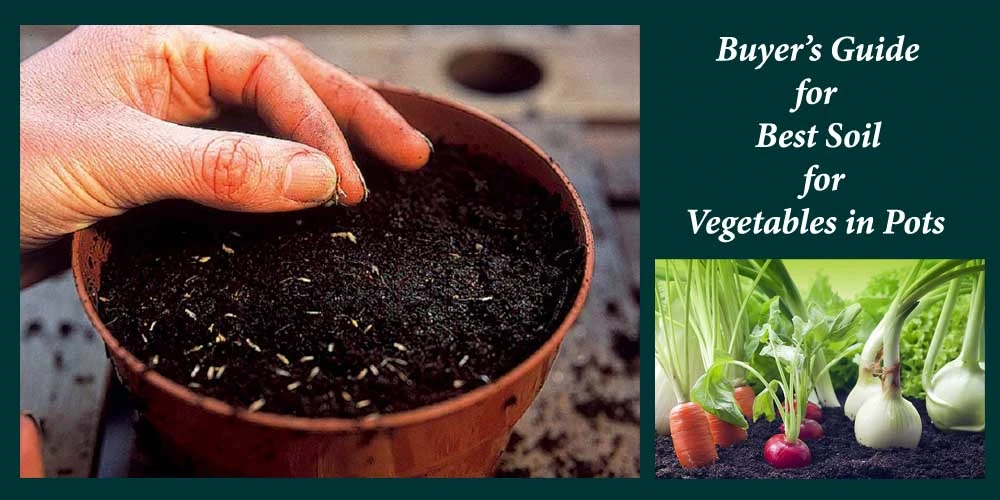
Picking the right potting soil for your container vegetables in 2026 comes down to understanding a handful of core factors and then matching them to your specific growing situation. Here's what actually matters when you're comparing bags at the garden center or reading product listings online.
Container vegetables fail far more often from overwatering and poor drainage than from underwatering. When water doesn't drain freely through the pot, roots sit in saturated, anaerobic conditions that invite rot and fungal disease. Look for mixes that include:
Avoid mixes that feel dense, sticky, or that compact easily in your hand when squeezed. A good potting soil should crumble and spring back rather than hold a dense packed shape, because that texture indicates the level of drainage you'll get in a container.
Every potting mix comes with some level of initial nutrient charge, but how long that nutrition lasts varies significantly — from two months to six months across the products in this roundup. For planning purposes:
Whether you grow organically is ultimately a personal choice, but there are practical differences worth considering beyond the certification. Organic mixes rely on microbial breakdown to release nutrients, which means nutrition delivery is slower, more weather-dependent, and more temperature-sensitive than synthetic slow-release fertilizers. On the other hand, organic mixes feed the soil biology, which improves drainage and soil structure over time — a meaningful advantage if you reuse potting mix across multiple seasons. Synthetic slow-release mixes deliver more predictable nutrition on a faster timeline but don't provide the same biological benefits.
If you grow edible vegetables that children or pets will come into contact with, or if you're planning to compost your spent potting mix at the end of the season, the organic choice provides peace of mind that synthetic inputs don't. OMRI Listed certification (present on Espoma, Burpee, and Miracle-Gro Organic in this roundup) is the most credible third-party verification available in the U.S. market.
Most vegetable crops grow best in a slightly acidic to neutral pH range of 6.0–7.0, with most soils in this roundup formulated to fall in the 6.2–6.8 range. pH affects nutrient availability directly — even if all the nutrients you need are present in the soil, the wrong pH prevents plants from absorbing them through their roots. Key considerations for container vegetable growers:
There is no single best choice — it depends on your crop type, your growing approach, and whether you garden organically. For all-around performance across a wide range of vegetables, FoxFarm Ocean Forest and Happy Frog consistently receive high marks from experienced container gardeners. For heavy feeders like tomatoes and peppers, Vermont Compost Fort Vee provides the most nutrient-dense foundation out of the bag. If you prefer a convenient conventional option with long feeding duration, Miracle-Gro Potting Mix's six-month slow-release formula is hard to beat for low-maintenance growing.
You should avoid using regular garden soil in containers, and this is one of the most important rules in container vegetable gardening. Garden soil is formulated for in-ground conditions where roots can spread freely through a large volume of earth, excess water drains away naturally, and soil organisms continuously aerate and process organic matter. In a container, garden soil compacts quickly under repeated watering, blocks drainage holes, starves roots of oxygen, and creates conditions that promote root rot and fungal disease. Purpose-built potting mixes are engineered with the lightweight, open-textured structure that containers require — the cost difference is well worth it for healthy crops.
Most potting mixes are best replaced or significantly refreshed every one to two growing seasons. Over time, organic matter breaks down, soil structure collapses, nutrients deplete, and salt and mineral buildup from fertilizers and tap water accumulates to levels that inhibit plant growth. You'll notice the mix needs replacing when it drains poorly, looks compacted and grayish, or when plants consistently underperform despite adequate watering and feeding. A practical approach is to fully replace half your mix and top-dress with fresh potting soil and compost each season, which refreshes nutrients and structure without the full cost and waste of complete replacement every year.
It depends on the mix and the length of your growing season. All of the mixes in this roundup include an initial nutrient charge, but they vary in duration from two months to six months. For fast-maturing crops like lettuce, radishes, or spinach, the built-in nutrition in most mixes is sufficient for the entire crop cycle. For long-season vegetables like indeterminate tomatoes, bell peppers, or eggplant, supplemental fertilization starting around week six to eight is almost always beneficial, even with the richest potting mix. A balanced organic liquid fertilizer applied biweekly during active fruiting provides the consistent nutrition these crops need without the salt buildup risk of heavy synthetic applications.
Most common vegetables thrive in a pH range of 6.0 to 7.0, with the optimal window for most crops sitting around 6.2 to 6.8. Within this range, essential nutrients including nitrogen, phosphorus, potassium, calcium, magnesium, and iron are all maximally available for root uptake. Outside this range — particularly below 5.5 or above 7.5 — nutrient lockout occurs even when the nutrients are physically present in the soil, which creates confusing deficiency symptoms in otherwise well-fed plants. You can measure container soil pH with an inexpensive soil probe meter or pH test strips; adjust upward with ground limestone and downward with elemental sulfur, making small adjustments and retesting rather than overcorrecting in either direction.
Container volume requirements vary by crop. A useful rule of thumb is that small crops like lettuce and herbs need at least 1–2 gallons of soil volume per plant, while medium crops like bush beans and compact peppers need 3–5 gallons per plant, and large crops like indeterminate tomatoes, cucumbers, and squash need at minimum 10–15 gallons per plant to develop a root system capable of supporting full-size fruit production. Under-potting is one of the most common reasons container vegetable gardens underperform — a tomato in a 5-gallon pot will fruit, but it will hit its limits quickly in heat and drought because the small soil volume can't buffer temperature swings or hold enough water and nutrients. When in doubt, go larger.
 |
 |
 |
 |

About Truman Perkins
Truman Perkins is a Detroit-based SEO consultant who's been in the business for over a decade. He got his start helping friends and clients get their websites off the ground, and he continues to do so today. In his free time, Truman enjoys learning and writing about gardening - something he believes is a natural stress reliever. He lives with his wife, Jenny, and their twins in Detroit.


Get new FREE Gifts. Or latest free growing e-books from our latest works.
Disable Ad block to reveal all the links. Once done, hit a button below
|
|
|
|
 rinjal